Why a Chow Chow Must Be Dried to the Skin
If you're a Chow Chow owner, you know the absolute joy and unique challenges that come with that magnificent double coat. But one challenge often catches new owners off guard: the critical importance of drying your Chow Chow completely to the skin after a bath. Fail to do this, and you're not just dealing with a damp dog; you're opening the door to a host of uncomfortable, smelly, and potentially serious skin issues that no Chow Chow (or their human!) wants to face. This guide will walk you through exactly why this seemingly simple step is so vital and how to master it.
The Unique Challenge of the Chow Chow Coat
Let's be real, that luxurious, dense coat is a huge part of what makes the Chow Chow so captivating. But it's also the primary reason why drying them isn't like drying any other dog. This isn't just fluffy hair; it's a meticulously designed natural insulation system that needs careful management, especially when wet.
Double Coat Explained
A Chow Chow's coat isn't just one layer; it's a marvel of canine engineering, consisting of two distinct types of hair that serve different purposes. You have the outer coat, which is typically longer, coarser, and designed to be weatherproof. This is the part you see that gives them that lion-like mane or sleek, smooth appearance, depending on whether you have a rough or smooth coated Chow. This outer layer helps shed water and protect against sun and debris.
Beneath that, however, lies the real challenge: the undercoat. This is a dense, soft, woolly layer that acts as insulation, keeping them warm in winter and actually helping to keep them cool by reflecting heat in summer. It's incredibly thick, especially on rough-coated Chows. When dry, this undercoat provides an airy buffer, but when wet, it transforms into a dense, water-logged sponge, clinging tightly to the skin. Ignoring this undercoat during drying is like trying to dry a wool blanket by only patting the top layer – it simply won't work. Understanding What a Chow Chow's Double Coat Is Made Of is crucial for effective grooming.
How the Coat Traps Moisture
The sheer density and texture of a Chow Chow's undercoat are specifically designed to trap air for insulation. Unfortunately, this design also makes it exceptionally good at trapping moisture. Imagine a thick down comforter: once it gets wet, it takes an incredibly long time to dry because the fibers clump together, holding onto water molecules in a vice-like grip. A Chow Chow's undercoat behaves similarly.
When water penetrates the outer guard hairs and saturates the undercoat, it doesn't just sit on the surface. It gets absorbed and held deep within the dense network of fine, woolly hairs, right against your dog's skin. Without active intervention to dry this layer, that moisture will linger for hours, even days, creating a warm, damp environment that is an absolute breeding ground for problems. This isn't a quick towel-off job; it requires a deliberate and thorough approach to ensure every strand, right down to the skin, is dry.
The Dangers of Incomplete Drying
The consequences of leaving a Chow Chow's undercoat damp are far more significant than just a slightly soggy dog. This isn't a minor oversight; it can lead to health issues that range from irritating to seriously painful for your beloved companion. Many owners don't realize the severity until they've already encountered a problem. If you've ever wondered Why a Damp Chow Chow Gets Skin Trouble, you're about to find out.
Skin Irritations and Hot Spots
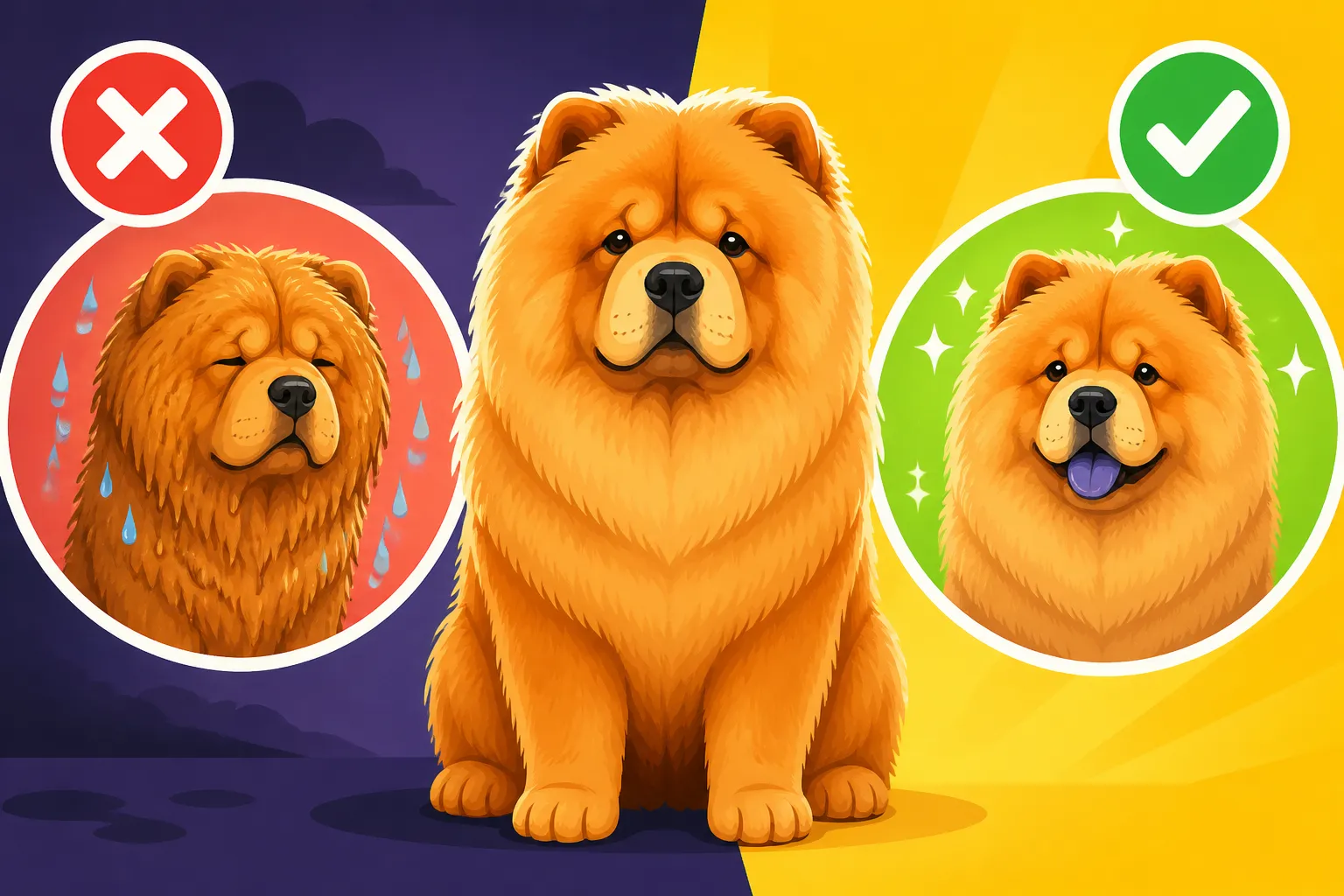
The most immediate and common danger of an incompletely dried Chow Chow is the development of skin irritations, most notably "hot spots," or acute moist dermatitis. These are bacterial skin infections that start as small red lesions and can rapidly expand into large, raw, painful sores within a matter of hours. The perfect recipe for a hot spot is moisture trapped against the skin, warmth (from body heat and the dense coat), and a lack of air circulation. Sound familiar? That's exactly what happens when a Chow Chow is left damp.
The constant dampness softens the skin, making it vulnerable to irritation from minor scratching or rubbing. Once the skin barrier is compromised, opportunistic bacteria and yeast, which are naturally present on the skin, proliferate in the ideal environment. Your Chow Chow will inevitably start licking, chewing, or scratching the itchy area, exacerbating the problem and spreading the infection. These hot spots are incredibly uncomfortable for dogs, often requiring veterinary intervention, antibiotics, and topical treatments to clear up, which means more discomfort and more vet bills for you.
Matting and Undercoat Issues
Beyond skin infections, lingering dampness is a primary culprit for severe matting, especially in rough-coated Chows. When the undercoat is wet, the individual fibers clump together and, as they dry, they fuse into dense, felt-like mats that lie directly against the skin. These aren't just cosmetic problems. Mats pull on the skin, causing constant pain and discomfort, akin to having your hair constantly tugged.
These tight mats also restrict air circulation even further, creating more of those hot, damp pockets that lead to skin infections. Furthermore, mats trap dirt, debris, and parasites, making it impossible to properly groom or inspect the skin beneath. If left unchecked, matting can become so severe that it requires a professional groomer to shave down the entire dog, which can be a stressful experience for the Chow Chow and can even impact the future regrowth of the coat. Preventing these issues starts with understanding How Often a Rough Coated Chow Chow Needs Brushing and integrating thorough drying into your routine.
Odor Development
Let's be honest: a wet dog smell is unpleasant on any dog, but on a Chow Chow with a damp undercoat, it can become truly overwhelming. This isn't just a simple "wet dog" aroma; it's a distinct, musty, often mildewy smell that signals bacterial and yeast growth flourishing in the perpetually damp environment. This odor emanates from the trapped moisture and the microorganisms feeding on dead skin cells and oils.
You might give your Chow Chow a thorough bath with a lovely-smelling shampoo, only for the unpleasant odor to return shortly after if the undercoat isn't dried completely. The smell can permeate your home, furniture, and even your clothing. It's a clear indicator that the coat is not truly dry and that the conditions ripe for skin problems are still present. A fresh, clean Chow Chow should smell like… well, a clean Chow Chow, not a damp cellar.
The Right Tools for the Job
Drying a Chow Chow effectively isn't about brute force; it's about using the right tools and techniques. You wouldn't try to hammer a nail with a screwdriver, and you shouldn't try to dry a Chow Chow's dense coat with a weak hairdryer. Investing in proper equipment isn't a luxury; it's a necessity for their health and comfort.
High-Velocity Dryers: Non-Negotiable
This is where many new Chow Chow owners realize they need to upgrade their grooming arsenal. A regular human hairdryer simply won't cut it. It produces heat, which can easily burn a dog's skin, especially one with a thick coat that prevents heat from dissipating. More importantly, it lacks the power to blast water out of the undercoat.
Enter the high-velocity dryer. This powerful piece of equipment, also known as a forced-air dryer or pet blower, is specifically designed for double-coated breeds. It uses a strong, cool or slightly warm (never hot!) stream of air to literally blast water out of the coat, separating the individual hairs and allowing air to reach the skin. This isn't about heat; it's about airflow. It's loud, yes, and your Chow Chow will need to be desensitized to it, but it is the only way to ensure that dense undercoat is thoroughly dried to the skin. You can find excellent options for high-velocity dryers on platforms like Amazon or Chewy, which are invaluable for proper Chow Chow care.
Towels and Absorbency
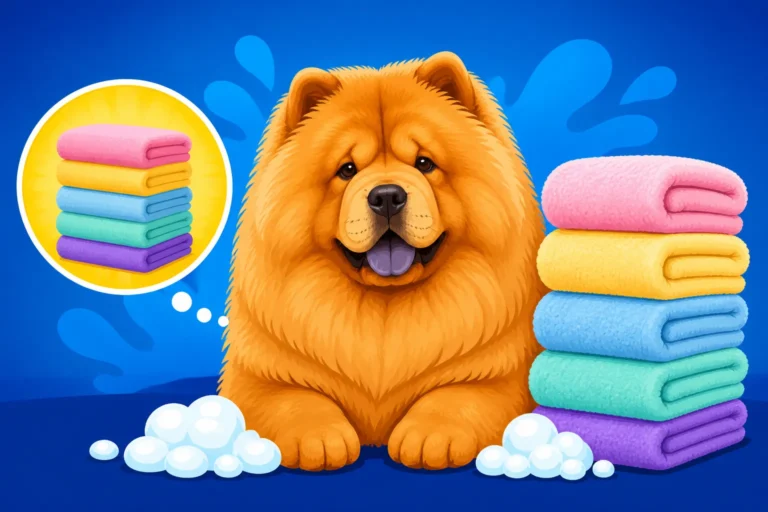
Before you even think about the high-velocity dryer, you need to get as much standing water out of the coat as possible with towels. This initial step significantly reduces the overall drying time. However, not all towels are created equal. Regular cotton bath towels are fine, but super-absorbent microfiber towels can make a noticeable difference.
After the bath, gently but firmly squeeze and blot the coat all over. Don't rub vigorously, as this can create tangles and mats. The goal is to absorb as much surface water as possible, wicking it away from the undercoat. You'll likely go through several towels, especially with a rough-coated Chow. The more water you can remove at this stage, the more efficient your high-velocity drying process will be.
Brushes and Combs
While the high-velocity dryer is doing most of the heavy lifting, brushes and combs play a crucial supporting role. As you dry, you'll need to continuously brush through the coat, separating the hairs and guiding the airflow to the skin. A good slicker brush and a sturdy metal comb with both fine and wide teeth are essential. The slicker brush helps to lift the undercoat, allowing the air to penetrate, while the metal comb allows you to check for dampness and ensure there are no tangles or mats forming as the coat dries.
You'll be doing what's called "line brushing" or "pinning back" the coat as you dry, systematically working in sections from the skin outwards. This ensures you're not just drying the top layer but meticulously addressing the undercoat. A word of caution: be gentle, especially when the coat is still damp, as wet hair is more prone to breakage. For a deeper dive into technique, consider reading How to Line Brush a Chow Chow.
| Tool Type | Primary Function | Why it's Essential for Chows | Key Considerations |
|---|---|---|---|
| High-Velocity Dryer | Blasts water out of the undercoat with powerful air | Only effective way to dry dense double coats to the skin, prevents hot spots | Invest in a good quality model, desensitize your dog to the noise |
| Microfiber Towels | Absorbs initial surface water | Reduces overall drying time, prevents excessive dripping | Highly absorbent, use several for a full Chow Chow bath |
| Slicker Brush | Lifts undercoat, separates hairs | Aids airflow penetration, prevents mats during drying | Choose one with rounded pins to protect skin |
| Metal Comb | Checks for dampness, detangles, confirms dryness | Ensures thorough drying from skin to tip, removes any tangles | Fine and wide teeth for different coat sections |
Step-by-Step Drying Technique
Now that you understand the "why" and have the right tools, let's get into the "how." Drying a Chow Chow isn't a race; it's a methodical process that requires patience and attention to detail. Rushing it will only lead to incomplete drying and potential problems down the line.
Pre-Drying Prep
The drying process really begins even before you turn on the dryer. As soon as the bath is over and your Chow Chow is rinsed thoroughly, gently squeeze out as much excess water from their coat as possible with your hands. Then, grab those super-absorbent microfiber towels. Blot and press the towels all over their body, starting with the legs and working your way up to the back and mane. Don't rub aggressively, as this can cause tangles and rough up the coat cuticles, leading to frizz. The goal here is simply to get rid of the bulk of the water.
Once you've removed as much surface moisture as possible, give your Chow Chow a quick, gentle brush with a slicker brush or wide-toothed comb to separate any immediately visible clumps or tangles. This initial brush-through will make the subsequent high-velocity drying much more effective by allowing the air to penetrate better. Make sure your grooming area is set up with all your tools within reach, and if your Chow Chow is anxious about the dryer, ensure you've done some desensitization beforehand. Many people find having a sturdy grooming table helps immensely, keeping the dog at a comfortable working height.
Sectional Drying with a HV Dryer
This is the core of the process. A high-velocity dryer isn't used like a human hairdryer where you wave it generally over the whole body. Instead, you need to work systematically, section by section, from the skin outwards. Start at the rear of your Chow Chow and work your way forward. Take a small section of hair and, using the high-velocity dryer, point the nozzle directly at the skin, holding the hair up or back with your free hand or a slicker brush.
You will see water literally blasting out of the coat. Work in small, overlapping passes, moving the nozzle back and forth over the same small area until you can no longer see water coming out and the skin feels completely dry. As you move the nozzle, use your slicker brush to continuously brush the hair upwards and outwards against the direction of growth. This "line brushing" technique helps to separate the undercoat, allowing the powerful airflow to reach every single strand down to the skin. Pay particular attention to dense areas like the mane, britches, and tail, as these are notorious for holding moisture. Remember that How Long a Chow Chow Takes to Dry can be significant, so settle in for the long haul.
Final Check and Grooming
Once you've worked your way over the entire Chow Chow with the high-velocity dryer, it's time for the critical final check. Turn off the dryer and feel your dog's coat thoroughly, running your fingers deep into the undercoat all over their body. Pay special attention to the areas closest to the skin, the armpits, behind the ears, under the chin, the groin, and the base of the tail. Any lingering dampness will feel cool to the touch. If you find any damp spots, go back with the high-velocity dryer and re-dry that section until it's bone dry. This is where your metal comb comes in handy; try to comb through the entire coat, and if the comb glides smoothly from root to tip, you're in good shape. If it catches, it could mean a lingering tangle or dampness.
Once you're confident your Chow Chow is completely dry, you can give them a final thorough brushing with your slicker brush and metal comb to ensure all the hair is lying correctly and is completely free of any tangles or mats. This final groom not only makes them look tidy but also helps to distribute natural oils and ensures every part of that magnificent coat is fluffy and dry. This meticulous process ensures not only a beautiful coat but, more importantly, a healthy and comfortable Chow Chow.
Common Mistakes and How to Avoid Them
Even with the best intentions, it's easy to fall into common pitfalls when drying a Chow Chow. These mistakes, though seemingly minor, can quickly undermine all your hard work and lead right back to those dreaded dampness-related issues. Understanding them is the first step to avoiding them.
Air Drying Fallacies
This is perhaps the biggest misconception new Chow Chow owners have. You might think, "Well, dogs air dry naturally, right?" And while that's true for many breeds with single coats or sparse hair, it is a dangerous fallacy for a Chow Chow. Due to their incredibly dense double coat, a Chow Chow simply cannot air dry efficiently or safely.
If left to air dry, the moisture in their undercoat gets trapped, creating a perfect incubator for bacteria and yeast, leading to hot spots, skin infections, and severe matting. The outer coat might feel dry to the touch, but the undercoat against the skin will remain damp for hours, even days. This isn't just uncomfortable; it's a significant health risk. Air drying a Chow Chow is essentially inviting skin problems, and it’s a practice that should be avoided at all costs. Think of it this way: you wouldn't air dry a thick shag carpet; you'd need a powerful fan or vacuum to get it truly dry, and your Chow's coat is even denser.
Using Human Hair Dryers
Another common mistake is reaching for your own hairdryer. It's readily available, right? Wrong tool, wrong job. Human hairdryers are designed to work quickly on relatively thin human hair using high heat. A dog's skin is much thinner and more sensitive than human skin, and their fur provides an insulating layer that traps heat.
Using a human hairdryer on a Chow Chow runs a significant risk of burning their skin, especially if you hold it too close or in one spot for too long. Even on a "cool" setting, the airflow is generally not powerful enough to penetrate the dense undercoat and effectively push out water. You'll end up superficially drying the outer coat while leaving the undercoat damp and potentially causing heat damage to the skin, which can lead to its own set of problems and discomfort for your dog. For the safety and effectiveness of your grooming, stick to pet-specific high-velocity dryers, which are designed with the right balance of airflow and temperature.
Rushing the Process
Patience is not just a virtue; it's a necessity when drying a Chow Chow. It can be a long process, especially for a large, rough-coated Chow, easily taking an hour or more from start to finish. It's tempting to rush through it, especially if your dog is fidgety or you have other things to do. However, rushing is a sure way to leave damp spots behind, undoing all your hard work and setting the stage for skin issues.
Trying to hurry means you'll likely skip sections, not thoroughly penetrate the undercoat, or simply give up before the job is truly done. This leads to the very problems you're trying to prevent: hot spots, matting, and that unpleasant musty smell. Approach drying your Chow Chow as a dedicated grooming session, allocate ample time, and don't stop until you are absolutely certain, by both sight and touch, that every part of their coat is dry to the skin. Remember, a thoroughly dried Chow Chow is a healthy, happy Chow Chow.
When to Seek Professional Help
Even with the best intentions and tools, some Chow Chow owners find themselves overwhelmed or facing persistent issues. There's no shame in seeking professional help; in fact, it's often the smartest and kindest thing you can do for your dog.
Groomer Expertise for Dense Coats
Professional groomers, particularly those experienced with double-coated breeds like Chow Chows, are an invaluable resource. They have specialized equipment, such as powerful professional-grade high-velocity dryers, and the honed skills to efficiently and thoroughly dry a Chow Chow's dense coat. They understand Why a Chow Chow's Double Coat Traps Heat and how to effectively manage it during bathing and drying. They also know how to read canine body language, making the grooming experience as stress-free as possible for your pet.
If you struggle with drying your Chow at home, find it too physically demanding, or if your dog simply won't tolerate the home drying process, a professional groomer can ensure your dog's coat is properly maintained. They can also tackle tough mats that might be beyond your skill set. While professional grooming comes with a cost, it's often a worthwhile investment in your Chow Chow's health and comfort, potentially preventing expensive vet visits for skin conditions. When choosing a groomer, explicitly ask about their experience with Chows and their drying methods. Knowing What Professional Grooming Costs for a Chow Chow might surprise you, but it’s an investment in health.
Recognizing Persistent Skin Issues
Despite your best efforts, if your Chow Chow consistently develops skin irritations, hot spots, or a lingering musty odor even after meticulous home drying, it's time to consult your veterinarian. Persistent skin issues can be indicators of underlying problems that go beyond simple dampness. These could include allergies (environmental or food-related), parasitic infestations that are hiding in the dense coat, fungal infections, or even hormonal imbalances like hypothyroidism, which can affect coat and skin health.
A vet can properly diagnose the cause of the recurring issues and prescribe the appropriate treatment. They might recommend specific medicated shampoos, dietary changes, or other interventions to get your Chow Chow's skin back to health. Don't try to self-diagnose or treat chronic skin problems at home, as this can delay proper care and worsen the condition. Your veterinarian is the best resource to ensure your Chow Chow's skin and coat remain healthy and comfortable.
Disclaimer
This article is for general informational purposes only and does not constitute professional advice. Laws, prices and regulations vary by location and change over time. Consult a qualified professional for guidance on your specific situation.