How Many Towels a Chow Chow Bath Takes
If you're a Chow Chow owner, you know the bath struggle is real. It's not just about getting them clean; it's about the monumental task of getting them dry. That magnificent, dense coat might be beautiful, but it holds water like a sponge, leaving you wondering if your bathroom will ever dry out, let alone your furry friend. This guide is going to walk you through exactly how many towels you'll need, why their coat is such a water magnet, and the best strategies to conquer Chow Chow bath time.
The Anatomy of a Chow Chow's Coat and Why It Matters for Bath Time
Let's be honest, trying to dry a soaked Chow Chow with just one or two towels feels like bringing a teacup to a waterfall. It’s an exercise in futility that many new Chow Chow owners quickly learn. The sheer volume and specific structure of their coat are entirely to blame – or to thank, depending on how you look at it! Understanding this unique coat is the first step to conquering bath time.
Understanding the Double Coat's Thirst for Water
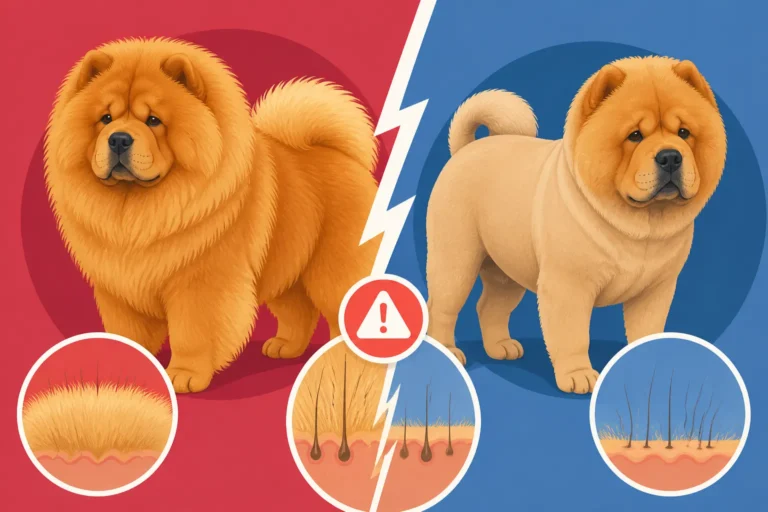
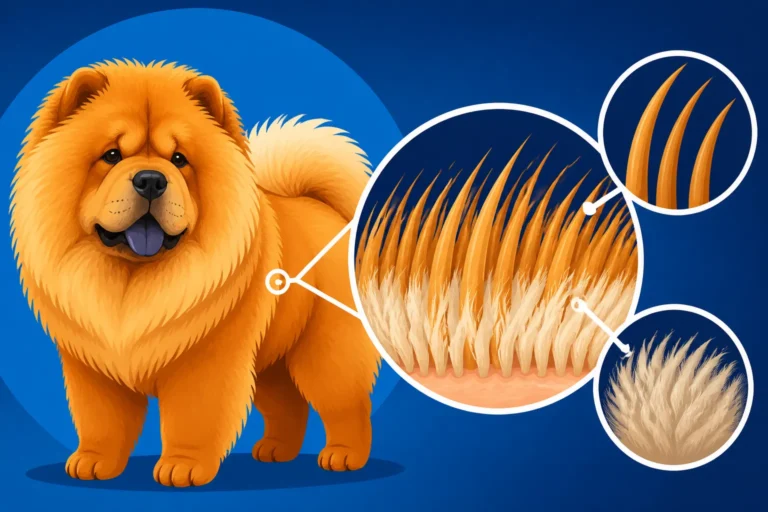
A Chow Chow's coat isn't just "thick"; it's a meticulously designed natural insulation system, composed of two distinct layers. There's the harsh, straight outer coat, often called guard hairs, which act like a protective shield against the elements. Beneath that lies the incredibly dense, soft, woolly undercoat. This undercoat is what truly traps air for warmth, and, unfortunately, water during a bath.
When you shampoo your Chow, that outer coat does a decent job of repelling water initially, but once the water penetrates, it saturates the undercoat like a thirsty desert. Imagine a thick wool blanket that just keeps absorbing. It doesn't just sit on the surface; it wicks deep down, clinging to every strand. This deep saturation means that simply towel-drying the outer layer won't cut it. You have to actively work the water out of that insulating under-layer. This is why you feel like you're squeezing water out of a giant teddy bear rather than just wiping it off. Getting a good head start by really squeezing out the bulk of the water is crucial for reducing your overall drying time and preventing skin issues. What a Chow Chow's Double Coat Is Made Of helps explain just how complex this system is.
Rough vs. Smooth Coats: Do They Differ in Water Retention?
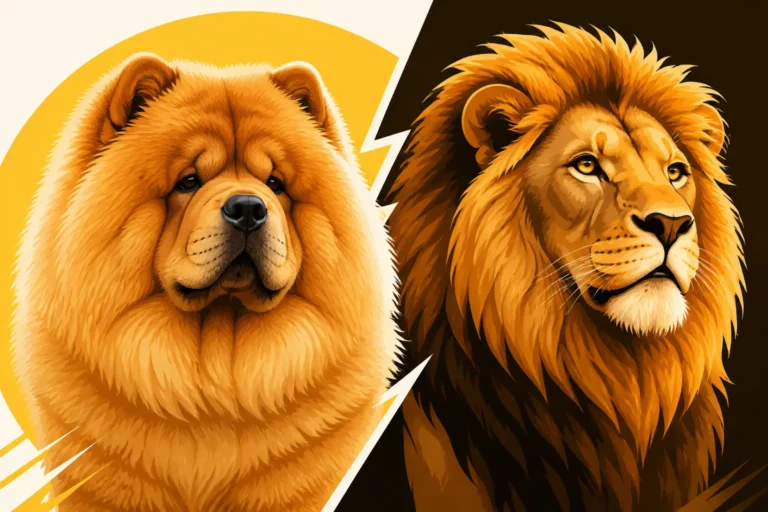
You might assume that a smooth-coated Chow Chow would be a breeze to dry compared to their rough-coated counterparts, who sport that iconic lion-like mane. And while there might be a slight difference in the initial effort, the reality is that both coat types are double-coated and pose similar drying challenges.
The rough coat, with its abundance of longer guard hairs and a thicker ruff around the neck, definitely looks like it would hold more water. And it does, in terms of sheer volume of hair. But the crucial factor for water retention is that dense, woolly undercoat, which both varieties possess. A smooth Chow Chow still has that protective outer coat and that incredibly absorbent undercoat. So, while the water might initially penetrate a smooth coat a tad faster, once it's in, it's just as stubbornly held by the undercoat. You’ll still be battling a significant amount of dampness. Don't fall into the trap of thinking a smooth Chow means a quick air dry! You'll still need a good arsenal of towels and patience. For a deeper dive into the differences, check out Rough or Smooth: the Two Chow Chow Coats and What Each Needs and How a Rough Chow Chow Differs From a Smooth.
The Towel Takedown: Estimating Your Chow Chow's Drying Needs
Alright, let's talk numbers and strategy. You're standing there, your beautiful Chow Chow is dripping wet, and you’ve got a mountain to climb. How many towels, exactly? And what's the best way to use them?
The Initial Sopping and Squeeze Out Phase
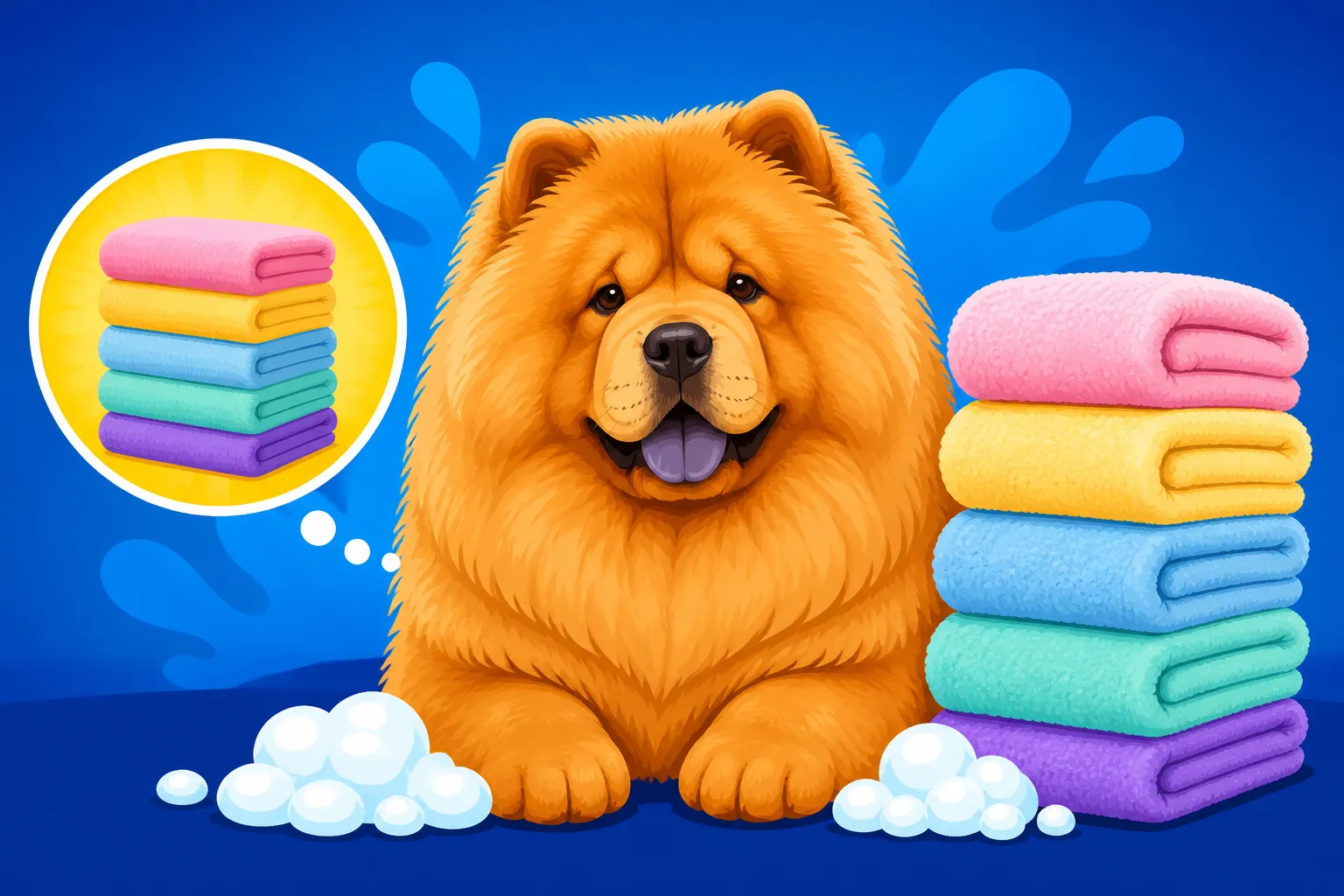
When your Chow Chow first steps out of the tub – or perhaps, more accurately, is extracted from the tub – they will be absolutely saturated. This is where you need to go for sheer volume of absorbent material. For an adult Chow Chow, I'd recommend having at least four to six large, absorbent bath towels ready just for this initial phase. If you have an extra-fluffy rough coat, lean towards six.
The technique here is vital: squeeze, don't rub. Rubbing that dense coat vigorously can actually create mats, especially if you're not getting down to the skin. Instead, drape a towel over a section of your Chow, press firmly, and squeeze the water out. Work from head to tail, section by section. You'll literally see water being wicked into the towel. As one towel becomes saturated and heavy, swap it for a dry one. Focus on the main body, the dense ruff, the britches, and the tail. These areas are notorious for holding the most water. Pet-specific microfiber towels, often available on sites like Amazon or Chewy, can be particularly effective during this stage, as they're designed for super absorption. Think of them as water magnets.
The Dampness and Prep for High-Velocity Drying
After the initial towel onslaught, your Chow Chow won't be dry, but they should no longer be dripping. They'll be heavily damp, like a freshly laundered wool sweater straight out of the washing machine. This is where you transition from "sopping wet" to "ready for the next step."
You’ll likely use another two to three fresh, dry towels for this stage. These are for picking up any remaining surface moisture and giving a final squeeze to those hard-to-reach or extra-fluffy spots. This isn't about drying them completely with towels; it's about optimizing them for the real drying work that comes next. The goal is to remove every last drop of water that a towel can physically absorb, so your high-velocity dryer doesn't have to work as hard, and you minimize the risk of skin irritation from prolonged dampness. This preparation is a critical step in ensuring your Chow Chow is thoroughly dry down to the skin, which is paramount for their skin health. Why a Chow Chow Must Be Dried to the Skin is a must-read for all Chow Chow owners.
Beyond Towels: Strategies for Faster, More Efficient Drying
While towels are essential for the initial de-soaking, they are merely the opening act in the Chow Chow drying saga. To truly get your dog dry and prevent potential health issues, you need to bring in the heavy artillery.
The Indispensable High-Velocity Dryer
Let's be clear: a high-velocity dryer (often called a forced air dryer or pet blaster) isn't a luxury item for a Chow Chow owner; it's a necessity. Trying to dry a Chow Chow fully with towels alone, or even a human hairdryer (which can burn their skin and doesn't have enough force), is an exercise in futility that can lead to significant problems.
A high-velocity dryer works by blasting air, literally pushing water out of the coat rather than just evaporating it. This is crucial for penetrating that dense undercoat. Without it, moisture can remain trapped deep within the layers, creating a breeding ground for bacteria and yeast, leading to hot spots, skin infections, and that dreaded "wet dog" smell that just won't go away. Using one significantly reduces drying time, often from hours of dampness to a much more manageable 45 minutes to an hour, depending on the coat and dog. Many groomers rely on them, and you can find excellent models at pet retailers like Chewy or on online marketplaces like Amazon. Investing in one is an investment in your Chow Chow's health and your sanity. They are truly essential for How Long a Chow Chow Takes to Dry and for managing a Bathing and Drying a Chow Chow's Dense Coat effectively.
Grooming Practices That Help Minimize Drying Time
Beyond the tools, your regular grooming routine plays a huge role in how quickly your Chow Chow dries after a bath. It starts long before they even get wet.
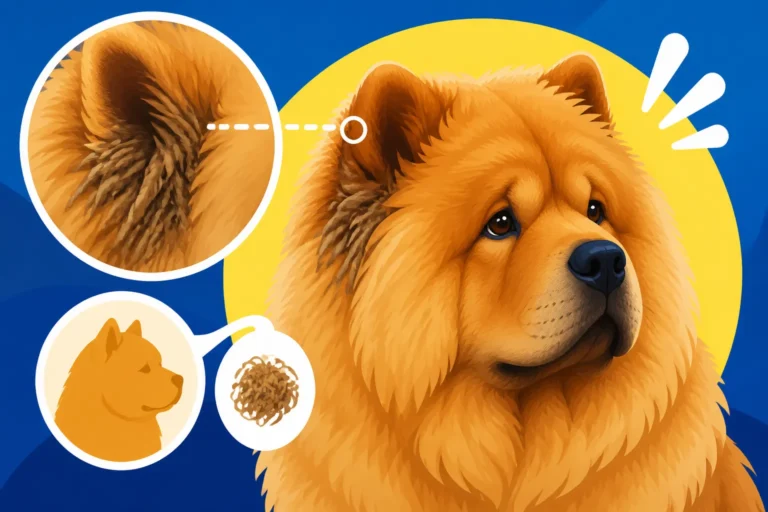
First and foremost, regular, thorough brushing is your best friend. A matted or heavily shedding coat holds vastly more water than a well-maintained one. Think about how much water a matted clump of hair can hold versus loose, clean strands. Brushing before a bath removes dead undercoat and any tangles, allowing water to penetrate and rinse more evenly, and then, crucially, to be pushed out more easily by the dryer. If you’re not regularly line brushing your Chow Chow, now is the time to start. How to Line Brush a Chow Chow offers excellent guidance.
Secondly, proper shampoo application and rinsing are key. Don't just dump shampoo on the top of their coat. Dilute it if necessary and work it deep into the undercoat, ensuring every strand is clean. More importantly, rinse, rinse, and rinse again. Any shampoo residue left behind can irritate the skin and also make drying more difficult by leaving a sticky film on the hair. Use lukewarm water to ensure you're getting deep into that double coat, then switch to cooler water for the final rinse to help close the hair cuticles. How Often a Chow Chow Should Be Bathed often depends on how well you can manage the drying process.
| Drying Phase | Estimated Towels Needed | Purpose | Key Technique |
|---|---|---|---|
| Initial Soak | 4-6 Large Bath Towels | Remove bulk of surface water & saturate undercoat | Squeeze, don't rub |
| Pre-Dryer Prep | 2-3 Fresh Towels | Absorb remaining surface dampness before forced air | Gentle pat & squeeze |
| High-Velocity Drying | 0-1 (for wipe-downs) | Blast water out of undercoat, ensure skin is dry | Sectional blasting |
| Post-Dry Fluff | 0-1 (for touch-ups) | Final fluffing, check for missed damp spots | Light patting |
| Total Towels | 6-10+ | For a truly damp-free Chow Chow | Patience & consistency |
Real-World Scenarios and Towel Management
Bathing a Chow Chow isn't just about the number of towels; it's about the process, the environment, and setting yourself up for success.
The Small Chow Chow vs. The Giant Fluffball
The size and age of your Chow Chow will definitely influence your towel needs. A fluffy Chow Chow puppy, while still double-coated, is significantly smaller and will naturally require fewer towels – perhaps two to three for the initial soak. Their coat also hasn't reached its full adult density, so drying them will be a quicker process. However, the principles remain the same: get as much water out as possible before resorting to a dryer. It’s also important to get puppies accustomed to the bath and drying routine early on. When a Chow Chow's Puppy Coat Changes will give you an idea of when to expect that coat density to really kick in, increasing your towel count!
An adult Chow Chow, especially a larger male with a full rough coat, is truly a "giant fluffball" when wet. This is where you might even exceed the 6-10 towel estimate if you're trying to get them as dry as possible with towels alone before switching to a high-velocity dryer. You might find yourself cycling through towels, setting some aside to be washed as you continue the process. Always err on the side of having more towels than you think you need – running out mid-drying session is a frustrating experience!
Preparing Your "Towel Station" for Success
Think of bath time as a mini-operation, and you need your "surgical tools" (towels!) laid out and ready. Before you even get your Chow Chow wet, gather all your towels and lay them out in a logical order. Have a stack of your primary soaking towels right next to the tub or drying area, and another stack of slightly drier towels for the next phase.
What kind of towels are best? Old bath towels you no longer use for yourself are perfectly fine. However, if you want to optimize for absorption, invest in some high-quality microfiber pet towels. They are designed to absorb several times their weight in water and dry faster themselves, making the whole process more efficient. Brands available on Chewy or Amazon often carry these.
Consider where you're drying your Chow Chow. If it's in the bathroom, lay towels on the floor to catch drips. If you're using a grooming table, place a large, absorbent towel on it for your Chow to stand on. Having a clear path to your drying station and a designated "wet towel pile" will help keep things organized and prevent your house from turning into a soggy mess.
Remember, the goal isn't just to make your Chow Chow look dry on the outside. It's to ensure their undercoat and skin are completely dry to prevent health issues. Never let a Chow Chow air dry if you can help it, especially in humid conditions. Whether a Chow Chow Should Air Dry explains why this is so important for their health and comfort. So, while the towel count might seem high, it's a critical part of maintaining that beautiful, healthy coat and happy Chow.
Disclaimer
This article is for general informational purposes only and does not constitute professional advice. Laws, prices and regulations vary by location and change over time. Consult a qualified professional for guidance on your specific situation.