Whether a Fan Helps a Chow Chow
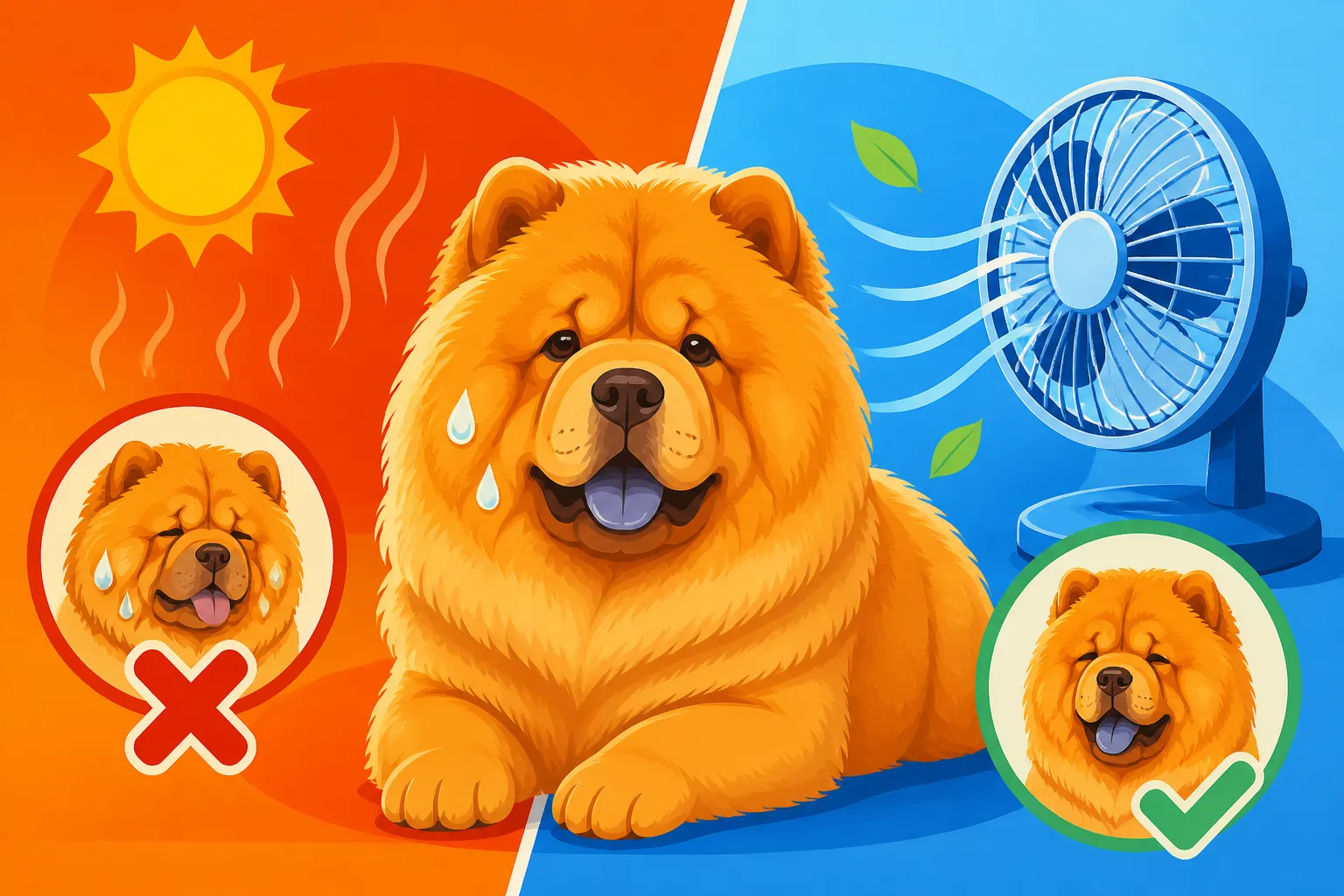
The sweltering summer months or even just a particularly warm day can be a real struggle for our beloved Chow Chows. With their magnificent double coats and unique physical traits, they are notoriously prone to overheating, leading many concerned owners to wonder if simply pointing a fan their way offers any real relief. This comprehensive guide will delve deep into how fans can and cannot aid your Chow Chow, offering realistic expectations and crucial complementary strategies to ensure your furry family member stays safe and comfortable when temperatures rise.
Why Chow Chows Struggle So Much with Heat
It’s not just that impressive coat; several factors combine to make Chow Chows particularly susceptible to heat, a frustration many owners know all too well. It’s disheartening to see them panting heavily, even when the air doesn't feel that hot to us. Understanding these unique challenges is the first step in truly helping them.
The Double Coat's Role in Heat Retention
Your Chow Chow’s luxurious coat, whether rough or smooth, is a marvel of nature, designed for the colder climates of its ancestors. It’s made up of two distinct layers: a soft, dense undercoat that provides incredible insulation, and a coarser, longer outer coat that protects against the elements. While this is fantastic for keeping them warm in winter, it becomes a significant liability when the mercury climbs.
Think of it like wearing a heavy wool sweater in July. That thick undercoat, while seemingly airy, traps a layer of warm air close to their body. This insulation, which is so effective at keeping cold out, is equally effective at keeping internal body heat in. It doesn’t just block external heat; it prevents the heat their own bodies generate from dissipating efficiently. Many well-meaning owners wonder if shaving helps, but that's a common misconception. As we explore in Why Shaving Does Not Cool a Chow Chow, this can actually make things worse by removing the protective outer layer that shields them from direct sunlight and can lead to sunburn or improper regrowth. The density means air can't easily circulate close to the skin, which is where cooling needs to happen most effectively.
Brachycephalic Challenges and Breathing
Beyond the coat, our Chows face another inherent challenge: their brachycephalic (short-nosed) head structure. While not as extreme as some other flat-faced breeds, a Chow Chow's shorter muzzle, thicker tissues in the throat, and often narrower trachea mean they don’t breathe as efficiently as a dog with a longer snout.
Dogs primarily cool themselves through panting. This process involves rapid, shallow breathing that helps evaporate moisture from their tongues, mouths, and respiratory tracts, carrying heat away from the body. However, a Chow Chow's compromised airway makes this evaporative cooling system less efficient. They have to work harder to move the same amount of air, which paradoxically generates more internal heat. This creates a vicious cycle where the effort to cool down makes them hotter. This is why you'll often see them panting much more heavily than other breeds, even when temperatures are moderate. It’s a constant struggle for them to regulate their body temperature, and it puts extra strain on their cardiovascular system. For a deeper dive into this, you might find Why a Chow Chow's Short Muzzle Cools Poorly enlightening.
Limited Sweating and Body Temperature Regulation
Unlike humans, dogs don't have sweat glands distributed across their skin to cool down. Their primary "sweat glands" are actually on their paw pads, and these contribute very little to overall thermoregulation. The vast majority of a dog's cooling comes from panting.
Because panting is the main mechanism, anything that impedes efficient panting, such as a brachycephalic structure or respiratory issues, severely limits their ability to cool down. When a Chow Chow is hot, their body's capacity to dissipate that heat is already at a disadvantage. Adding to this is the sheer volume of their dense fur which further inhibits any minor skin surface cooling that might occur. This is why external aids like fans become so crucial, but also why their effectiveness has limits. Without the ability to sweat or pant effectively, they rely heavily on their environment to stay cool.
How Different Types of Fans Can (or Cannot) Help Your Chow Chow
So, with these challenges in mind, can a fan truly make a difference for a Chow Chow? The answer isn't a simple yes or no; it depends heavily on the type of fan, the ambient conditions, and the Chow Chow's current state.
The Basic Pedestal or Box Fan
For a moment, let's consider the standard pedestal or box fan you might have in your home. These fans work by moving air. That's it. They don't actually cool the air itself. For humans, a fan creates a wind-chill effect by evaporating sweat from our skin, making us feel cooler. But for a Chow Chow, who doesn't sweat significantly through their skin and relies on panting, a simple fan's effectiveness is much more limited.
If the ambient air temperature is already high – say, above 80°F (27°C) – a regular fan is essentially just blowing hot air around. It might offer a tiny bit of relief by moving the stagnant air and aiding minimal convection, but it's rarely enough to make a substantial difference in preventing or reversing overheating in a Chow Chow. At best, it provides some air circulation for mild warmth or to make an already cool room feel fresher. It's a bit like trying to push a car up a hill with a feather; it's just not designed for the job. You might use it in conjunction with other cooling methods, but it shouldn't be your primary defense against heat stroke.
Evaporative Cooling Fans (Swamp Coolers)
Evaporative cooling fans, often called "swamp coolers," are a step up from basic fans. These devices work by drawing in warm, dry air and passing it over water-saturated pads. As the water evaporates, it draws heat from the air, sending out cooler, more humid air.
These can be more effective than a standard fan, especially in dry climates. The added moisture in the air can, theoretically, aid your Chow Chow's evaporative cooling through panting by increasing the humidity around their mouth and respiratory tract. However, their effectiveness diminishes significantly in already humid environments, where the air is already saturated with moisture and can't absorb much more. If you live in a place like Florida or the Gulf Coast, a swamp cooler might not do much good; it could even make your Chow Chow more uncomfortable by increasing humidity without substantial cooling. Always monitor your Chow Chow closely if using one of these, as individual responses can vary.
High-Velocity Pet Dryers (Used for Cooling)
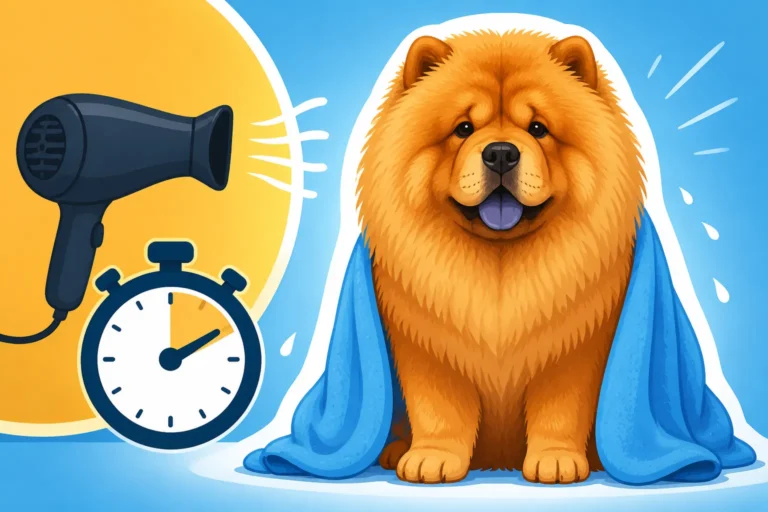
This might sound counterintuitive, as these are typically used for grooming, but high-velocity dryers can be repurposed as powerful cooling tools for a Chow Chow. These aren't like human hairdryers; they blow a high volume of unheated air. The key here is the velocity and the ability to direct air right down to the skin.
When a Chow Chow's coat is damp – perhaps from a cooling bath or a spray with water – a high-velocity dryer, like those you might find on Amazon or Chewy, can rapidly evaporate that moisture, creating a significant cooling effect directly where it's needed: at the skin level. The sheer force of the air also helps to move trapped warm air out from the undercoat. This method can be particularly effective during a coat blow or after a dip in a kiddie pool. Just be sure to use the "no heat" setting and keep the nozzle moving to avoid concentrating air in one spot for too long. It's a more active approach to cooling that requires direct supervision, but it’s definitely more impactful than a simple oscillating fan for active cooling.
The Limitations of Fans and When to Seek More
While some fans can play a supporting role in keeping your Chow Chow cool, it's crucial to understand their inherent limitations. Relying solely on a fan when your Chow Chow is truly struggling with heat can be a dangerous oversight.
Fans Don't Cool the Air Itself
This is the most critical point to remember: a fan doesn't reduce the ambient temperature of the room. It simply moves the air that's already there. If you're in a room that's 90°F (32°C), a fan will just circulate 90°F air. For a Chow Chow, whose internal thermostat is already working overtime, this can provide very little, if any, real relief.
Imagine you're standing in front of an oven, and someone turns on a fan. You might feel the air moving, but it's still hot air. Dogs with thick coats, especially brachycephalic breeds, need to dissipate heat from their bodies. If the surrounding air is hotter than their body, or even just too close to their body temperature, simply moving that air won't help them lose heat effectively. In fact, if the air being blown is significantly hotter than their body temperature, it could even add heat, though this is rare in typical indoor settings. The effectiveness of a fan is inversely proportional to the ambient temperature. When the temperature gets too high, like the critical points discussed in What Temperature Is Too Hot for a Chow Chow, a fan's utility drops dramatically.
Risk of False Security
One of the hidden dangers of relying on fans is the false sense of security they can provide to owners. You might see your Chow Chow lying in front of a fan and assume they're cooling down, when in reality, they might still be overheating. This delay in recognizing true distress and implementing more effective measures can have severe consequences, including heat stroke.
It’s easy to project our own feelings of relief onto our dogs, but their physiology is different. Always monitor your Chow Chow for actual signs of cooling: less panting, relaxed posture, and normal gum color. Don't just assume the fan is working. Be vigilant, especially if your Chow Chow seems lethargic, has very red gums, or is panting excessively even with the fan on. Remember, dogs are masters at hiding discomfort until it's critical.
When a Fan Is Not Enough
There are clear scenarios where a fan, no matter how powerful, is simply not going to cut it. These are times when you need to act quickly and decisively with more aggressive cooling methods.
When the air temperature is excessively high: If it's a scorcher outside and your indoor spaces aren't significantly cooler, a fan is inadequate.
When humidity is high: Evaporative cooling (from panting or damp fur) is less effective in humid air, making fans that rely on air movement less useful.
When your Chow Chow is already showing signs of distress: If you notice heavy, continuous panting, a dazed look, staggering, bright red or pale gums, or vomiting, these are all critical signs your Chow Chow is in distress. A fan won't reverse this. This is an emergency situation where you need to implement immediate, active cooling and contact your vet. You can learn more about these urgent indicators in Signs a Chow Chow Is Overheating on a Walk and Signs a Chow Chow Is in Heat Stroke. Don't wait; every minute counts.
Complementary Cooling Strategies for Chow Chows
Given the limitations of fans, it’s clear that a multi-faceted approach is essential for keeping Chow Chows safe and comfortable in warm weather. Fans should be one tool in a larger cooling arsenal, not the sole solution.
Creating a Cool Environment
The most effective way to help your Chow Chow is to control their immediate environment's temperature. Air conditioning is often the single most important factor. If you're wondering Whether a Chow Chow Needs Air Conditioning, the answer is almost always yes, especially if you live in a climate with warm summers. Keep your home cool and consider running the AC at a lower temperature than you might for yourself.
Beyond AC, strategic use of cool spaces and cooling products is key:
- Cooling Mats: These typically contain a gel that activates with pressure, absorbing and dissipating body heat. Brands like The Green Pet Shop or even basic ones found on Chewy can be great options. Your Chow Chow might initially be wary, but many learn to appreciate them. Whether a Cooling Mat Actually Helps a Chow Chow
- Wet Towels: Placing cool, damp towels over their body (especially the neck, armpits, and groin where major blood vessels are close to the surface) can provide significant relief.
- Tiles or Linoleum Floors: Many Chow Chows instinctively seek out the coolest spots in the house. Ensure they have access to non-carpeted areas.
- Constant Access to Fresh, Cool Water: Always have multiple bowls of fresh water available. Consider adding ice cubes to their water or even using a pet fountain to encourage drinking. How Much Water a Chow Chow Drinks in Summer
Strategic Grooming and Water Play
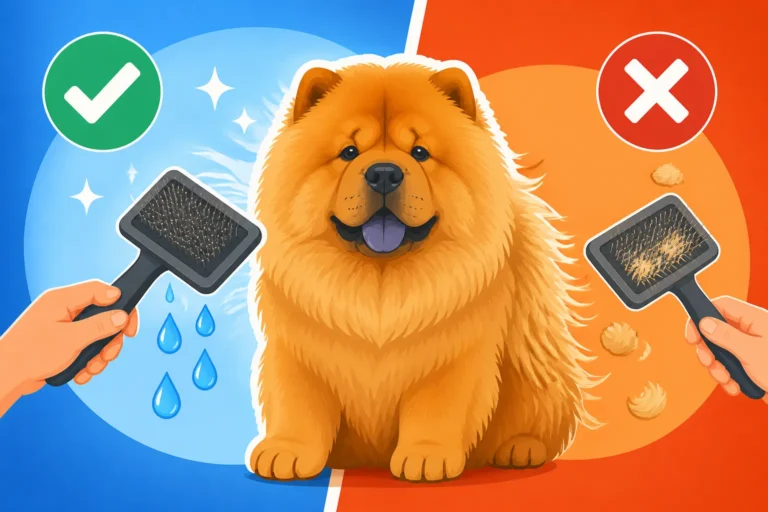
Proper grooming, believe it or not, is a major component of heat management. Regular brushing removes dead undercoat, which can act as a thick insulating blanket, preventing air circulation. During their biannual "coat blow," this becomes even more critical. Getting out that loose fur with a good undercoat rake can make a world of difference.
Water can also be a Chow Chow's best friend on a hot day, with supervision:
- Kiddie Pool: A shallow plastic kiddie pool with just a few inches of cool water can be a wonderful way for your Chow Chow to cool off. They might not dive in like a retriever, but many will stand in it or lie down to soak their paws and bellies.
- Dampening the Coat: Gently misting their coat with cool water, especially on the underside, can help with evaporative cooling, especially when followed by a high-velocity fan/dryer.
- Avoid Shaving: As mentioned, shaving a Chow Chow does not cool them and can expose them to sunburn and ruin their coat. Their double coat provides insulation not just from cold, but also from direct sun.
Timing Exercise and Hydration
When it comes to exercise and outdoor activities, careful timing and constant hydration are paramount. Chow Chows are not built for strenuous activity in the heat.
- Walks at Optimal Times: Restrict walks and outdoor playtime to the very early morning or late evening hours when temperatures are at their lowest. Avoid the midday sun entirely. The Hour of Day a Chow Chow Should Be Walked
- Short, Gentle Walks: Opt for shorter, less intense walks. It’s better to have multiple short outings than one long, strenuous one.
- Carry Water: Always carry water for your Chow Chow on walks, even short ones. A collapsible bowl is a great investment.
- Pavement Check: Before walking, always test the pavement with the back of your hand. If it's too hot for your hand, it's too hot for their paws.
- Nutritional Support: While not directly cooling, a well-balanced diet supports overall health and hydration. Some owners choose fresh-prepared food options, like those from Ollie, which can be refrigerated and might feel more appealing on a hot day, though this is a preference more than a cooling strategy.
By combining fans with these other vital strategies, you can significantly improve your Chow Chow’s comfort and safety during warm periods, mitigating the risks posed by their unique physiology.
| Cooling Method | How It Helps | Limitations | When to Use |
|---|---|---|---|
| Standard Fan | Moves air, aids minimal convection, creates a slight breeze. | Doesn't cool air itself; ineffective in high ambient temperatures; minimal impact on deep coat. | Mild warmth; to circulate air in an already cool room; supplementary. |
| Evaporative Cooler | Cools air through water evaporation, adds humidity (aids panting evaporative cooling). | Ineffective in high humidity; still limited in very high ambient temperatures. | Dry, warm climates; supplementary, with monitoring. |
| High-Velocity Dryer | Rapidly evaporates moisture from damp coat, pushes air deep into fur, helps dry skin. | Requires damp coat; direct, supervised application; can be noisy. | After bathing/misting; for active cooling of damp fur. |
| Air Conditioning | Actively cools ambient air temperature. | Cost of operation; not portable for outdoor situations. | Primary method for indoor cooling; essential in hot climates. |
| Cooling Mats | Absorbs body heat, provides a cool surface for lying. | Only cools where contact is made; may not be sufficient for severe overheating. | Passive cooling; for resting; supplementary. |
| Damp Towels/Misting | Direct evaporative cooling on the coat and skin. | Requires re-dampening; can trap heat if fur is saturated and not air dried. | Quick relief; during walks; with fan assistance. |
| Kiddie Pool | Allows for full body cooling (especially paws/belly); encourages play. | Requires supervision; outdoor only. | Outdoor play; active cooling; supplementary. |
| Cold Water Access | Essential for internal hydration and temperature regulation. | Only effective if dog drinks; doesn't directly cool skin. | Always available; primary hydration. |
| Strategic Grooming | Removes insulating dead undercoat, improves air circulation. | Prevents rather than cures acute overheating; ongoing effort. | Regular care; essential for heat management. |
| Timing Walks | Avoids peak heat exposure. | Limits exercise window; requires owner schedule adjustment. | Daily routine; essential for safe outdoor activity. |
Remember, your Chow Chow's well-being is paramount. Be proactive, be observant, and don't hesitate to consult your veterinarian if you ever suspect your beloved fluffball is struggling with the heat.
Disclaimer
This article is for general informational purposes only and does not constitute professional advice. Laws, prices and regulations vary by location and change over time. Consult a qualified professional for guidance on your specific situation.