Whether a Chow Chow Can Sleep Outside in Winter
It's a common thought, isn't it? You look at your Chow Chow, with that magnificent, dense double coat, and you might naturally assume they're built to live outdoors, even in the depths of winter. After all, they look like little furry lions, surely they can brave the elements! But the reality for our beloved Chows is a bit more nuanced than their impressive fur might suggest. This guide will walk you through the truth about a Chow Chow's cold tolerance, the serious risks of leaving them outside in winter, and the best ways to ensure their safety and well-being when temperatures drop.
Understanding the Chow Chow's Natural Adaptations to Cold
Let's dive into that incredible coat first, because it's truly a marvel of canine engineering. It's the primary reason many people think Chow Chows are impervious to cold, and there's certainly a grain of truth to that. However, "cold tolerant" doesn't automatically translate to "can live outside without issue."
The Double Coat: More Than Just Fluff
A Chow Chow's coat isn't just one layer; it's a sophisticated system designed to insulate. You have the coarse, straight, and abundant outer guard hairs, which act like a protective shield against the elements – think of it as a waterproof and wind-resistant outer shell. Beneath this is a soft, thick, woolly undercoat that provides the bulk of the insulation. This undercoat traps air close to the body, creating a natural thermal barrier that keeps them warm. It's a fantastic adaptation for keeping heat in, and keeping moisture and cold out.
This double layer is truly effective for brief exposures to cold weather, or for maintaining comfort in moderately cool temperatures. It's why they can enjoy a brisk walk on a chilly autumn day without shivering. The density and texture of their fur are specifically evolved to handle environments that dip below freezing. However, the efficacy of this coat is maximized when it's kept clean, dry, and free of mats, which can compromise its insulating properties. How a Chow Chow's Double Coat Is Made Of delves deeper into this fascinating aspect of their anatomy.
The Chow Chow's Ancestral Climate
To truly understand a Chow Chow's cold tolerance, it helps to look at their history. These dogs hail from northern China and Mongolia, regions known for their harsh, cold winters. For centuries, they were working dogs, used for guarding, hunting, and even pulling carts. Their robust build and thick coats were essential for survival in these often-brutal conditions. The Chow Chow Is One of the Oldest Breeds in the World and its history ties closely to these environments.
This historical context certainly indicates a predisposition to handle colder climates better than, say, a short-coated Chihuahua. They were not, however, typically left to fend entirely for themselves in the wild. Even working dogs in these climates had some form of shelter, whether it was a barn, a sheltered outdoor enclosure, or a place inside with their human companions. Their tolerance developed from existing within these environments, often with human assistance, not necessarily thriving completely exposed to the worst of winter.
What "Cold Tolerant" Actually Means for a Dog
When we say a Chow Chow is "cold tolerant," it means they can handle lower temperatures than many other breeds without immediate distress or risk. They are less likely to shiver or show discomfort during a winter walk or while playing in the snow for a reasonable period. Their thick coat provides a significant buffer against the cold air.
However, "cold tolerant" is not synonymous with "immune to cold" or "can live comfortably outdoors 24/7 in freezing temperatures." Just like humans can tolerate cold for a while with proper gear, sustained exposure to extreme cold, wind, and moisture will eventually overwhelm even the best natural defenses. Their ability to retain heat can be compromised by dampness, lack of adequate shelter, or insufficient nutrition. It's a tolerance, not an invincibility.
The Risks of Leaving a Chow Chow Outdoors in Winter
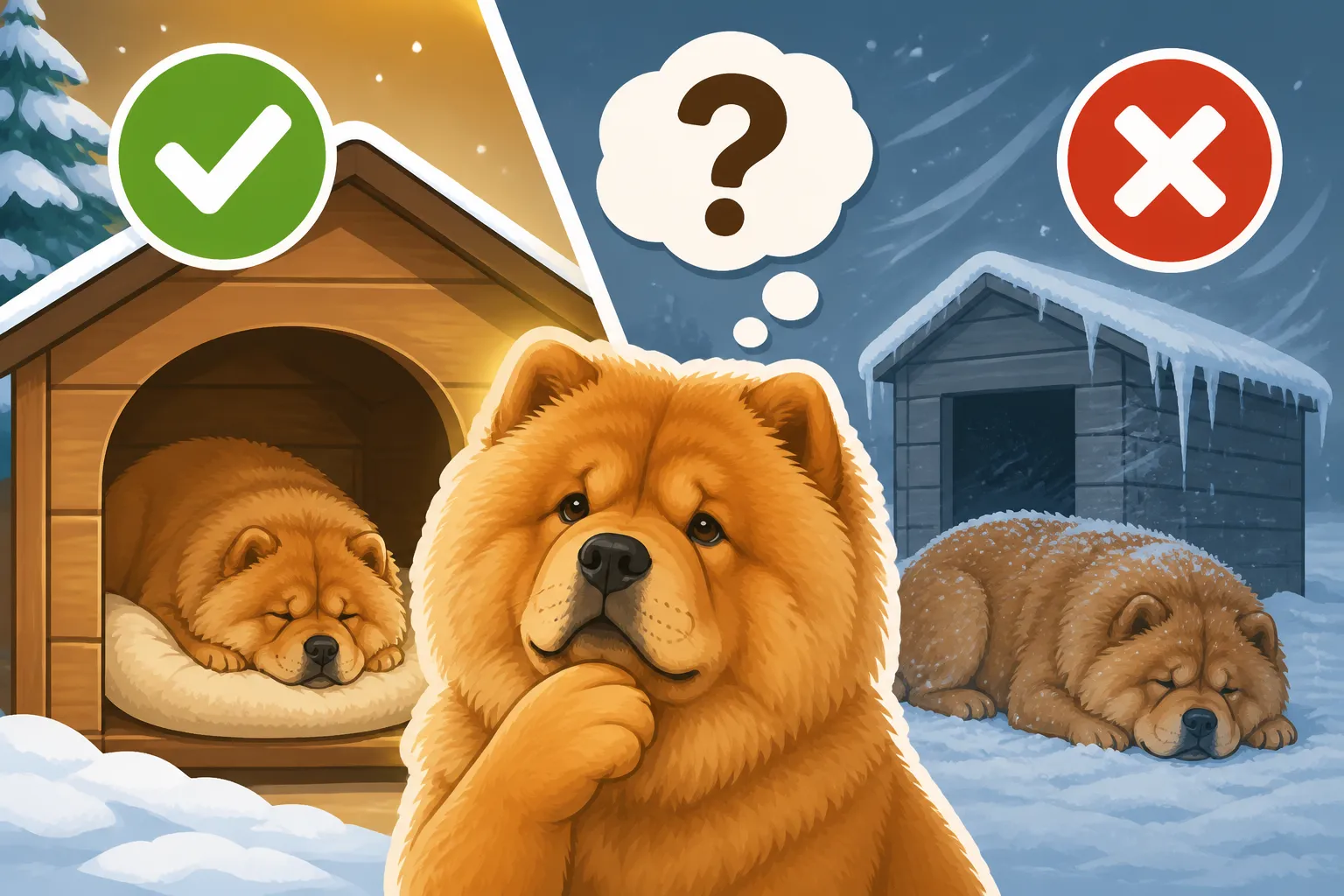
Despite their hardy appearance and historical background, leaving a Chow Chow to sleep outside in winter poses significant and often life-threatening risks. It's not just about them feeling a bit chilly; it's about genuine physical and psychological dangers.
Beyond Just Temperature: Factors Like Wind, Snow, and Ice
The ambient temperature alone doesn't tell the whole story of how cold it feels. Wind chill can dramatically increase the perceived cold, stripping away the insulating air trapped in their coat and accelerating heat loss. A blustery day that feels merely brisk to us can be genuinely piercing for a dog left exposed.
Snow and ice introduce moisture, which is the enemy of insulation. If a Chow Chow's dense coat becomes wet and then freezes, its ability to trap warm air is severely compromised. This can lead to rapid body heat loss. Furthermore, walking on icy or frozen ground can lead to paw pad injuries, and standing in accumulated snow can cause frostbite on extremities, despite their overall fur density. Icy conditions also increase the risk of slips and falls, especially for older Chows, which can exacerbate existing joint issues like Hip Dysplasia in a Chow Chow or Elbow Dysplasia Ranks the Chow Chow Near the Top.
Health Dangers: Hypothermia, Frostbite, and Other Ailments
Even with their thick coats, Chow Chows are susceptible to hypothermia if exposed to severe cold for too long, especially if wet or malnourished. Hypothermia occurs when a dog's body temperature drops dangerously low, affecting vital organ functions. Symptoms can include shivering (though this may cease in severe cases), lethargy, weakness, shallow breathing, and eventually collapse. This is a medical emergency that requires immediate veterinary attention.
Frostbite is another serious concern, particularly for ears, tail, and paw pads. These areas have less fur protection and poorer circulation. Frostbitten tissue may appear pale, grayish, or bluish, and later become red, swollen, and painful. In severe cases, it can lead to tissue death, requiring amputation. Beyond acute dangers, prolonged cold can worsen conditions like arthritis, making an older Chow's stiff joints even more painful. It can also suppress their immune system, making them more vulnerable to infections. For an aging Chow, the struggle to maintain body temperature can put a significant strain on their system.
Behavioral and Emotional Impact of Isolation
Chow Chows are often described as independent and aloof, and while they aren't typically "velcro" dogs, they are deeply bonded to their chosen people. The Chow Chow Bonds to One Person and Tolerates the Rest is a core part of their nature. They thrive on companionship and being part of the family unit, even if they express it in subtle ways. Being left alone outside for extended periods, especially in the isolating conditions of winter, can have a profound negative impact on their mental and emotional health.
They can become anxious, stressed, or depressed. Such isolation can exacerbate any existing behavioral issues or even create new ones, such as excessive barking, destructive behaviors, or increased reactivity due to insecurity. Dogs are social animals, and while a Chow Chow might not constantly demand attention, they still need the comfort and security of their human family. Denying them this fundamental need, especially during challenging weather, is detrimental to their overall well-being.
Providing Proper Winter Shelter for an Outdoor Chow Chow (If Absolutely Necessary)
While the overwhelming recommendation is to bring your Chow Chow indoors during cold weather, sometimes unique circumstances might lead an owner to consider an outdoor setup. If this is truly the only option, it must be approached with the utmost care, ensuring the dog's safety and well-being are paramount.
The Bare Minimum: An Insulated, Draft-Free Structure
A simple, uninsulated dog house is woefully inadequate for a Chow Chow in winter, even with their thick coat. Any outdoor shelter must be meticulously designed to keep them warm, dry, and protected from the elements.
- Insulation: The dog house needs proper insulation in the walls, floor, and roof. Materials like rigid foam insulation or even straw bales can be used for extra warmth.
- Size: It shouldn't be too large. A dog house that's just big enough for the Chow to stand up, turn around, and lie down will allow their body heat to warm the interior more effectively. Too much space means too much air to heat.
- Draft-Free: Critically, the entrance should have a heavy, flexible flap or baffle to keep wind and snow out. All seams and cracks should be sealed.
- Elevation: The house should be elevated a few inches off the ground to prevent cold from seeping up from frozen soil and to keep the floor dry.
- Bedding: Provide an abundance of dry, clean straw or cedar shavings for bedding. These materials insulate well and resist moisture. Avoid blankets or towels, as they can get wet, freeze, and offer no insulation. They can also harbor bacteria more easily. Many options for appropriate bedding and insulated structures can be found on sites like Chewy or Amazon.
Supplemental Heating and Water Considerations
Even with a perfectly insulated house, extreme cold often requires supplemental heating. This is where safety is key.
- Safe Heating: Only use pet-safe heating pads or lamps designed specifically for dog houses. These should be placed where the dog cannot chew on cords or get burned. Ensure they have automatic shut-off features or are on a timer. Never use human-grade space heaters, which pose a severe fire risk.
- Water: Water bowls left outside will freeze solid quickly. You'll need a heated water bowl to ensure your Chow Chow has access to fresh, unfrozen water at all times. Again, these are readily available through retailers like Amazon. Dehydration is a serious risk in cold weather, just as much as in hot. Check the water multiple times a day to ensure it's functional and clean.
- Food: A Chow Chow living outdoors in winter will burn more calories to stay warm. Their food intake might need to be increased, and they'll need a high-quality, nutritious diet. Brands like Ollie focus on quality ingredients that can help maintain good body condition. However, always consult with your vet about appropriate caloric intake adjustments.
Constant Monitoring and When to Bring Them Inside
Even with the best outdoor setup, constant vigilance is non-negotiable. You must check on your Chow Chow frequently throughout the day and night. Look for signs of discomfort, shivering, lethargy, or reluctance to move. The moment you see any of these, or if the weather becomes truly extreme (blizzards, ice storms, sustained sub-zero temperatures), your Chow Chow must be brought indoors.
A table outlining critical outdoor winter conditions for Chows:
| Condition | Risk Level for Outdoor Chow Chow | Action Required |
|---|---|---|
| Below 20°F (-6°C) | High | Bring indoors immediately or provide supplemental heat. |
| Wind Chill advisory | High | Bring indoors immediately. |
| Heavy Snowfall/Blizzard | High | Bring indoors immediately. Risk of getting lost, wet, hypothermia. |
| Ice Storm | High | Bring indoors immediately. Risk of injury, hypothermia, frostbite. |
| Wet Coat (any temp below 40°F/4°C) | High | Bring indoors, dry thoroughly, monitor for hypothermia. |
| Dog Shivering/Lethargic | Immediate Danger | Veterinary emergency. Bring indoors, seek vet care. |
Remember, this is about their survival, not just convenience. Their thick coat provides a fantastic defense, but it has its limits.
Why Bringing Your Chow Chow Indoors is Always Best Practice
Ultimately, for the vast majority of Chow Chows, living indoors with their human family is not only the safest option but also the healthiest and most emotionally fulfilling one, especially during the harsh winter months.
The Importance of Family Connection and Socialization
Chow Chows, despite their independent reputation, are deeply connected to their families. They may not be as outwardly demonstrative as some breeds, but they thrive on being part of the household. Living indoors allows them to be present for daily routines, observe their family, and receive the subtle interactions that build and strengthen their bond. How Much a Chow Chow Wants to Be Petted might surprise some, but they do appreciate gentle affection from their chosen person.
Being inside protects them from the isolating effects of prolonged outdoor living, which can lead to stress, anxiety, and even fear. A Chow Chow that feels secure and connected to its family is a more confident and well-adjusted dog. Winter is a time when these connections are even more vital, as outdoor activities might be limited, making indoor companionship even more important.
Ease of Monitoring Health and Well-being
When your Chow Chow lives indoors, you have a much better opportunity to monitor their overall health and well-being. Subtle changes in appetite, energy levels, gait, or coat condition are far easier to spot when they are part of your daily life. This can be crucial for early detection of health issues, which is particularly important for a breed prone to certain conditions. For instance, being indoors makes it simpler to check for early signs of joint pain that might indicate What Elbow Dysplasia Does to a Chow Chow, or subtle eye issues that could signal Glaucoma Can Blind a Chow Chow in Days.
You can also ensure they're staying properly hydrated and eating enough to maintain their weight. Any signs of illness, like a cough, sneeze, or unusual lethargy, can be noticed quickly, allowing for prompt veterinary intervention. This level of close observation is simply not possible when a dog is primarily left outside, where symptoms might go unnoticed until they become severe.
Practicalities: Grooming, Potty Breaks, and Safety
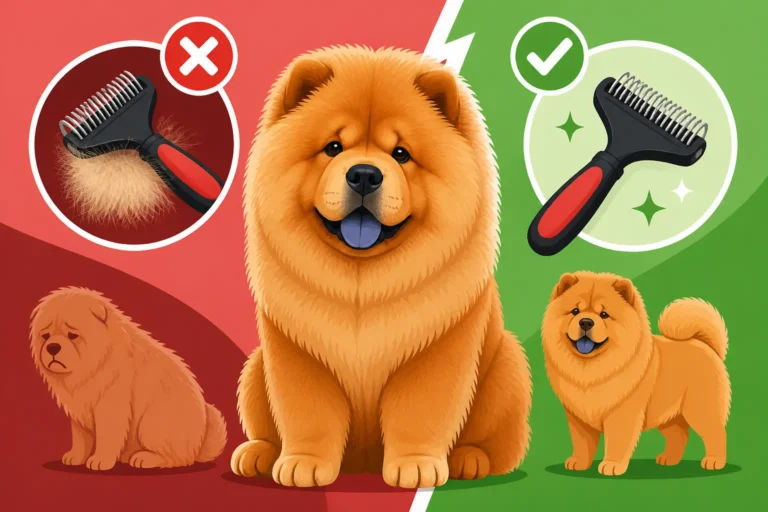
Indoor living also simplifies many aspects of routine care. Grooming a Chow Chow, especially a rough-coated one, is a significant undertaking that benefits from a comfortable, controlled environment. Regular brushing is essential to prevent mats and ensure their double coat performs optimally. Brushing a Chow Chow's Mane Down to the Skin is much easier indoors than trying to do it bundled up in a cold garage.
Potty breaks can be managed with leashed walks, keeping them safe from icy hazards or interactions with wildlife. You can control their exposure to extreme elements, bringing them in after they've done their business. This also protects them from potential dangers like slipping on ice, encountering aggressive stray animals, or even being stolen. Ultimately, bringing your Chow Chow inside during winter is not just an act of kindness; it's a fundamental part of responsible pet ownership for this magnificent, complex breed.
Disclaimer
This article is for general informational purposes only and does not constitute professional advice. Laws, prices and regulations vary by location and change over time. Consult a qualified professional for guidance on your specific situation.