Caring for an Old Chow Chow
Senior Chow Chows aged seven or eight experience physical and behavioral shifts requiring adjusted care and veterinary check-ups.
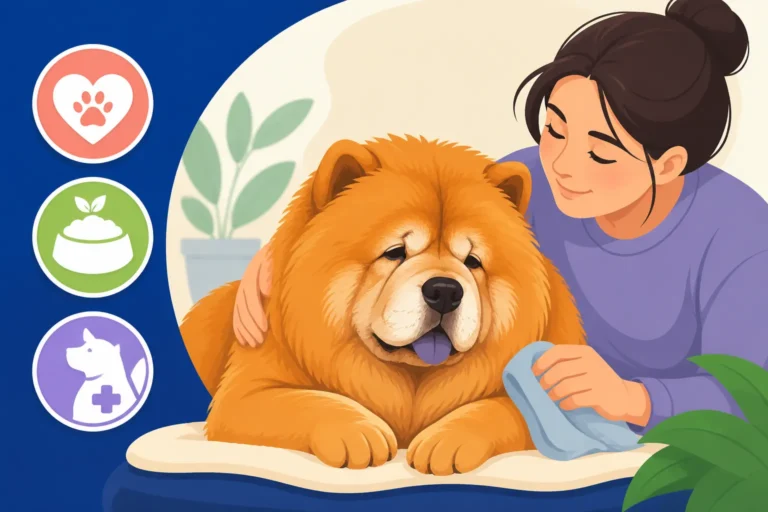
Senior Chow Chows aged seven or eight experience physical and behavioral shifts requiring adjusted care and veterinary check-ups.
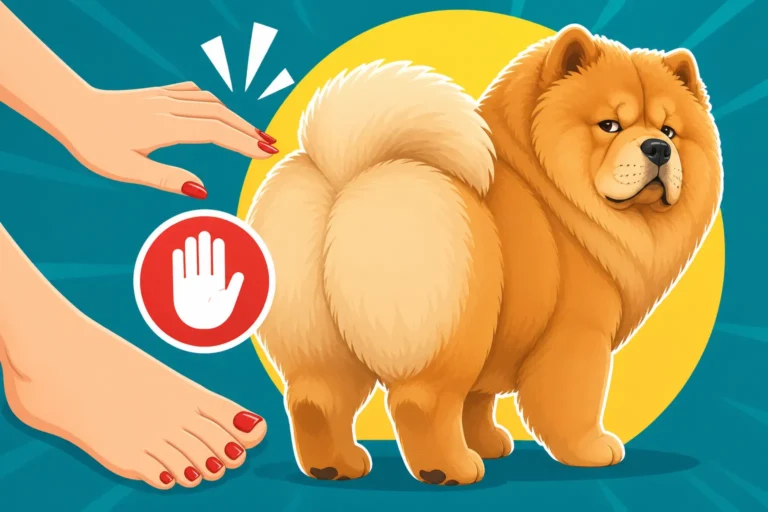
Chow Chow paw and rear handling resistance stems from independent temperament, sensory sensitivity, and personal space boundaries.
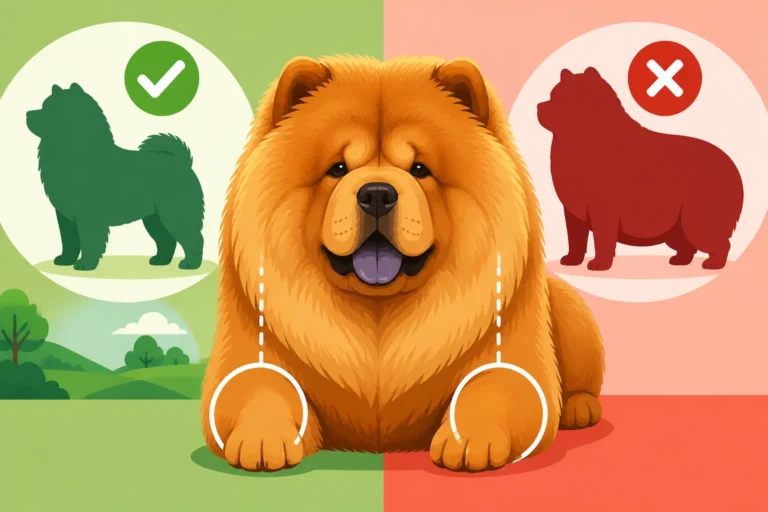
Proper weight management protects fragile Chow Chow elbow joints and reduces the severity of painful elbow dysplasia.
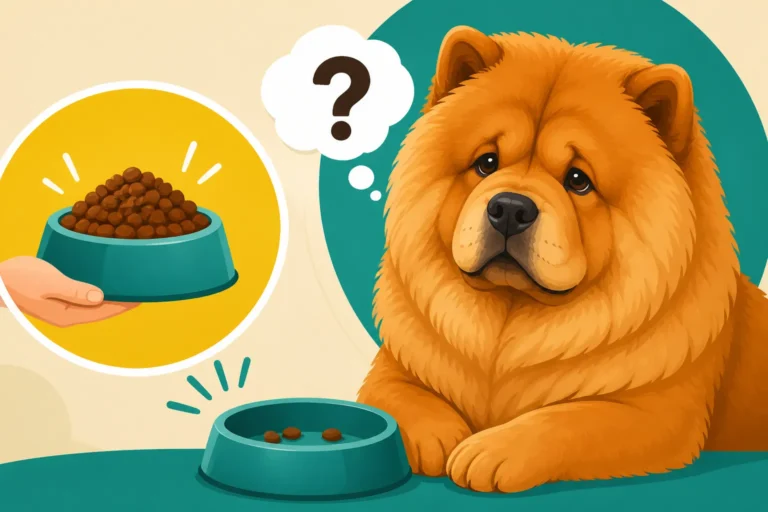
Chow Chow dietary habits and slower metabolism explain why a sixty pound dog often needs far less food than general guidelines suggest.
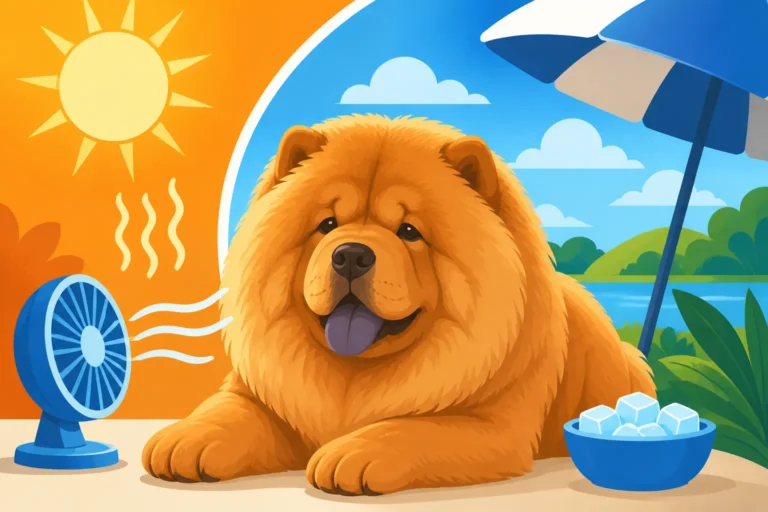
Chow Chow summer safety explains how double coats and short muzzles trap body heat and increase the risk of dangerous heatstroke.
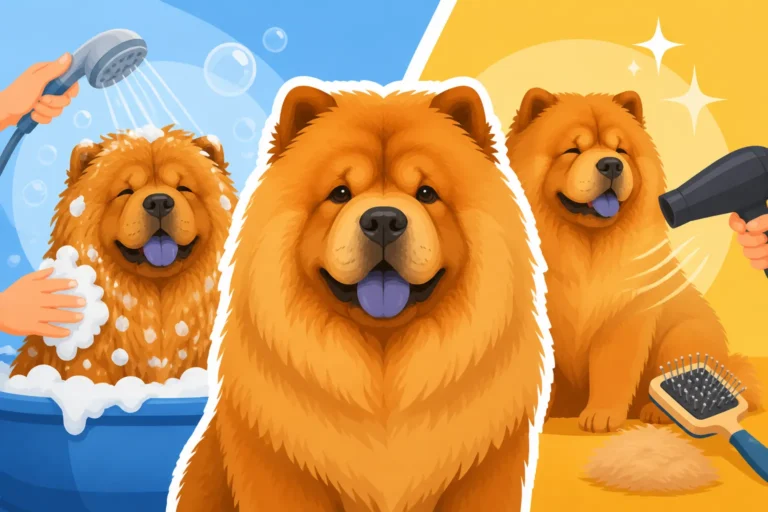
Bathing and drying a Chow Chow requires a solid plan and proper preparation to keep the dense double coat clean, dry, and healthy.
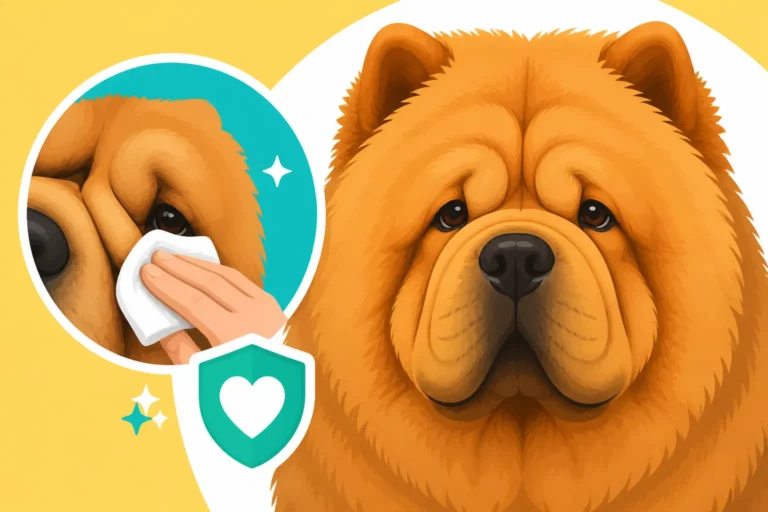
Chow Chow facial folds trap moisture, saliva, and food particles, requiring regular wiping to prevent bacteria, yeast, and infections.
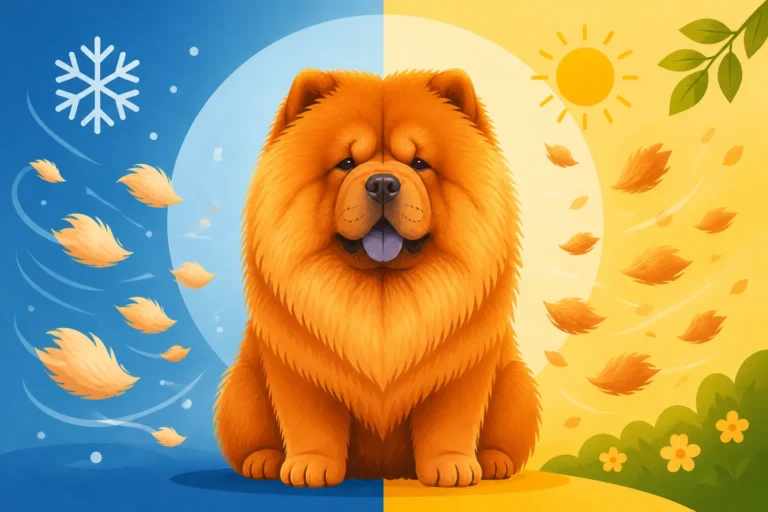
Chow Chow dogs experience two seasonal coat blows every year, shedding their dense undercoats to adapt to changing temperatures.
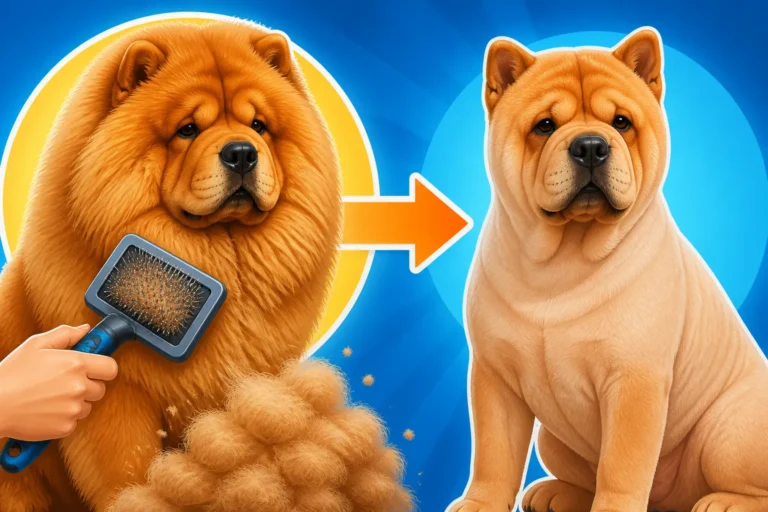
Properly brushing a Chow Chow dense double coat mane down to the skin prevents painful mats, tangles, and skin infections.
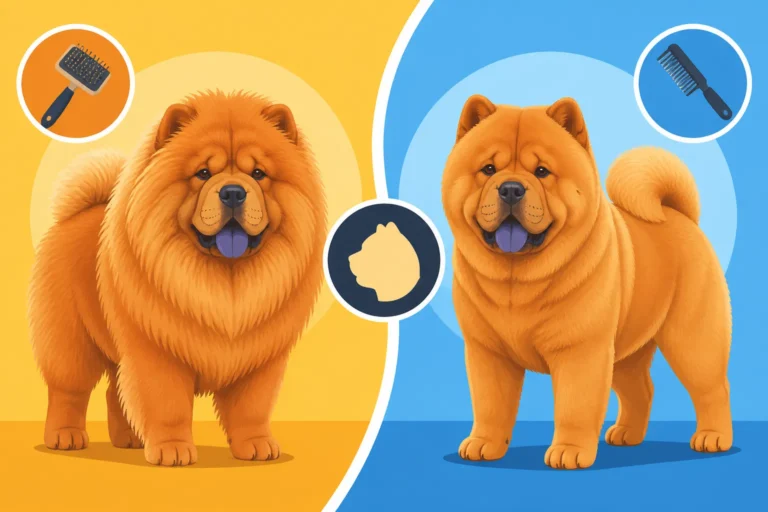
Chow Chow coats feature a rough or smooth double layer consisting of coarse guard hairs and a dense, soft undercoat requiring specific care.