How a Chow Chow Gets Along With Other Dogs
Chow Chow canine relationships and genetics explain why this independent, protective breed often avoids boisterous playgroups.
Work with the temperament you have.
House-training and crate work, recall, leash manners, separation anxiety, and the behaviors this breed is wired for.
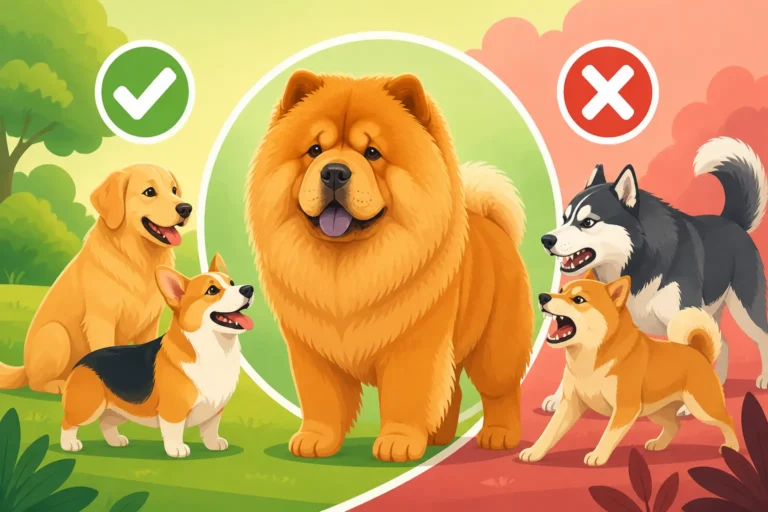
Chow Chow canine relationships and genetics explain why this independent, protective breed often avoids boisterous playgroups.
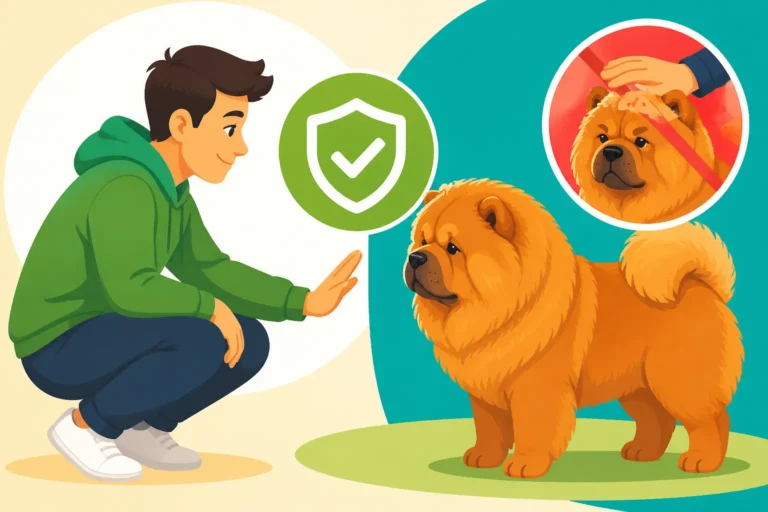
Safe interaction methods and body language decoding help you understand Chow Chow temperament and respect their guarding instincts.
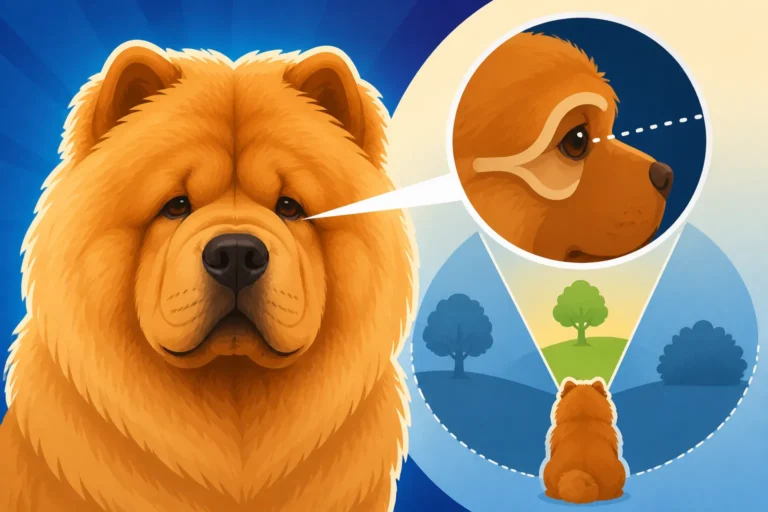
Chow Chow deep set eyes and facial structure limit peripheral vision, causing them to miss side movements and startle easily.
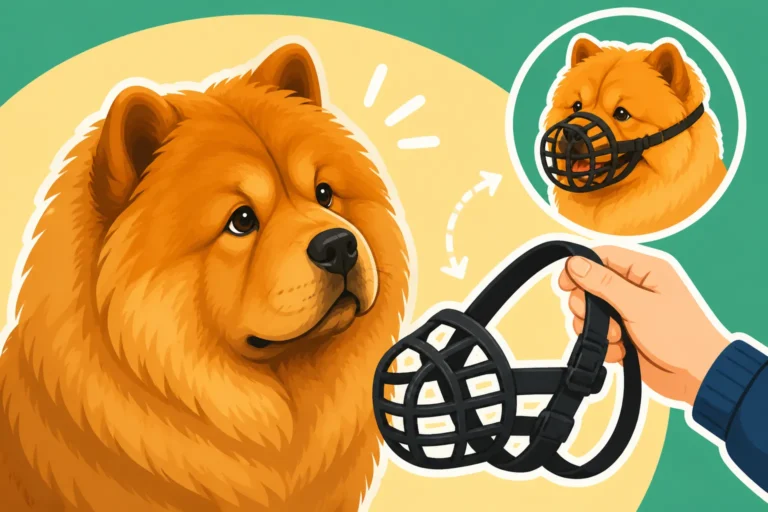
Chow Chow muzzle training ensures safety during veterinary visits and grooming sessions while helping manage anxiety and reactivity.
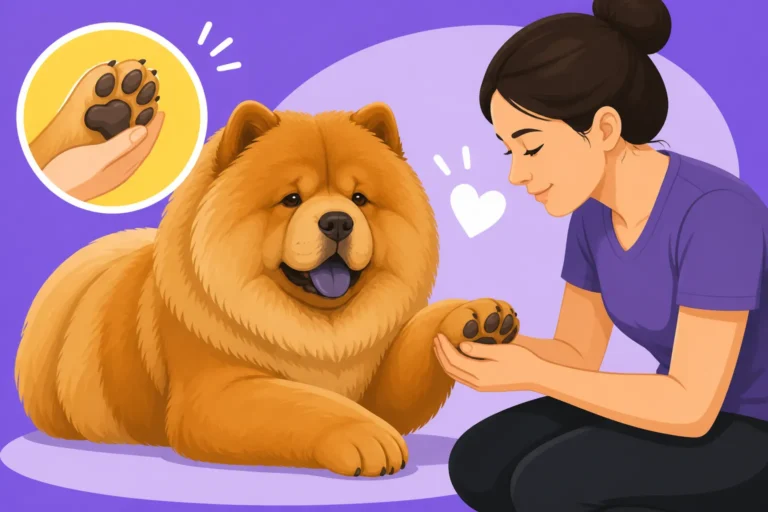
Chow Chow paw handling training explains positive methods for teaching dogs to accept foot touches during nail trims and vet visits.
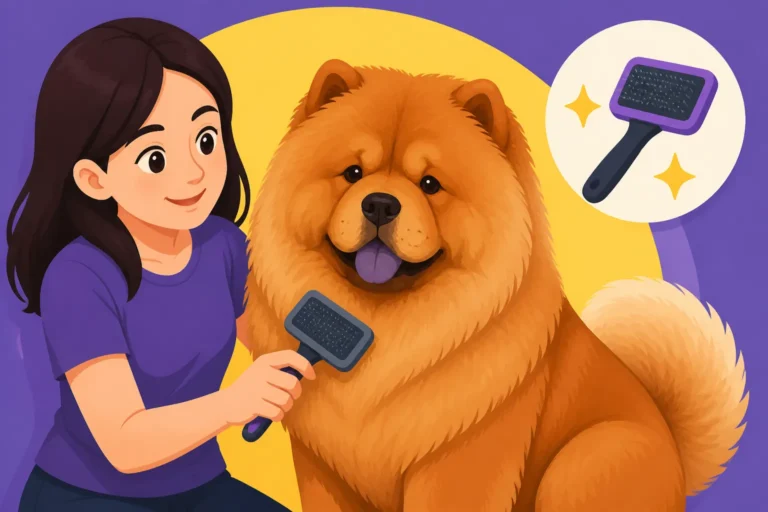
Chow Chow brushing techniques teach independent dogs to accept grooming through proper tools, patience, and positive reinforcement.
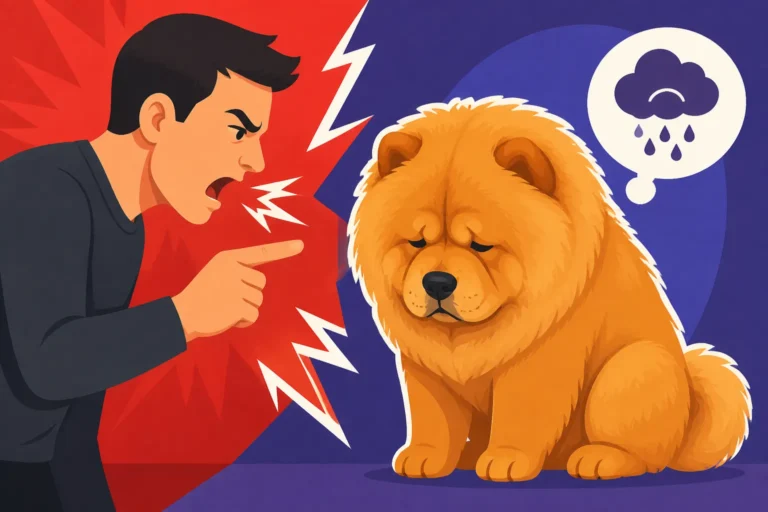
Harsh correction methods damage Chow Chow training because the independent, sensitive breed views punishment as broken trust.
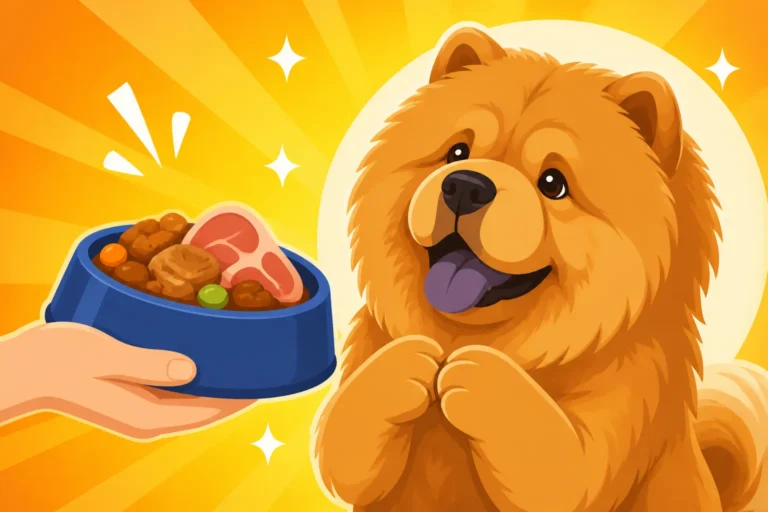
Chow Chow food motivation and independent ancient guard dog traits explain why some dogs ignore treats during training sessions.
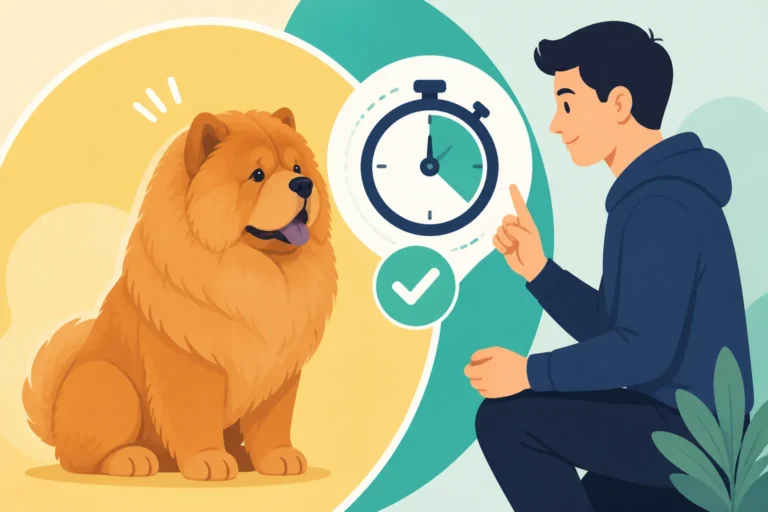
Chow Chow training session length and structure details explain how independence and boredom affect dog learning success.
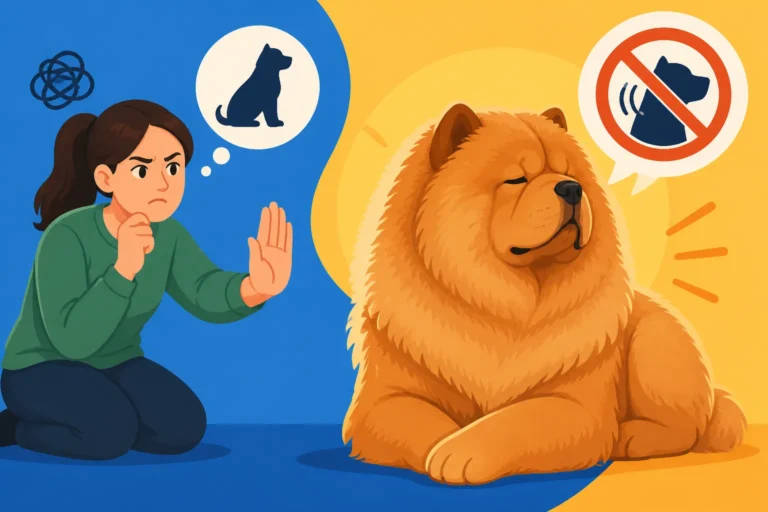
Chow Chow selective hearing and ignored cues stem from an ancient independent nature and pragmatic cost benefit analysis.