Whether a Chow Chow Accepts a New Partner
Chow Chow acceptance of a new romantic partner requires managing protective instincts and understanding their loyal one person dog nature.
Work with the temperament you have.
House-training and crate work, recall, leash manners, separation anxiety, and the behaviors this breed is wired for.
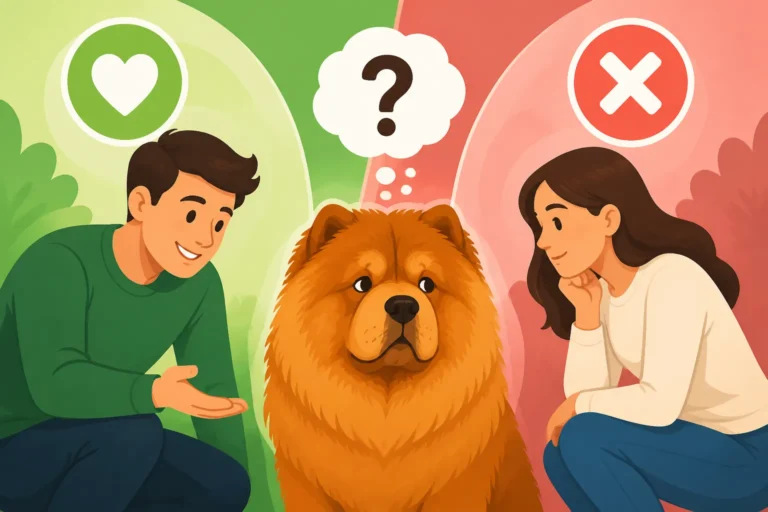
Chow Chow acceptance of a new romantic partner requires managing protective instincts and understanding their loyal one person dog nature.
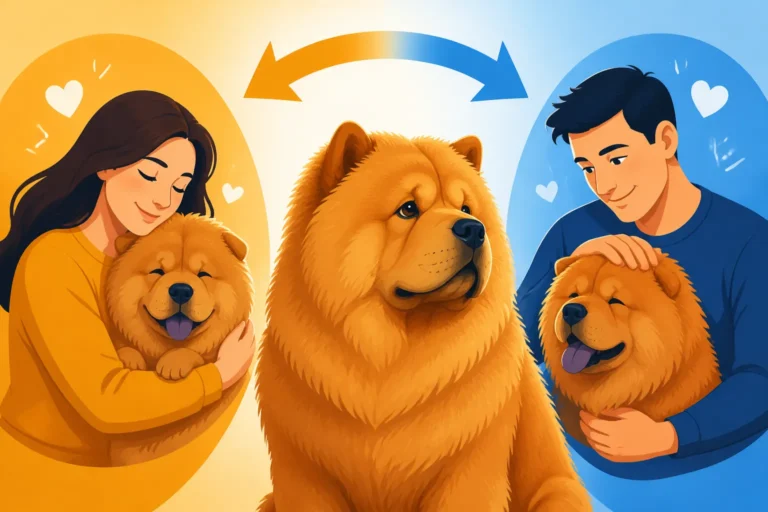
Known as one-person dogs, these dignified, independent animals form a nearly singular attachment; whether it can shift when household roles change is explored.
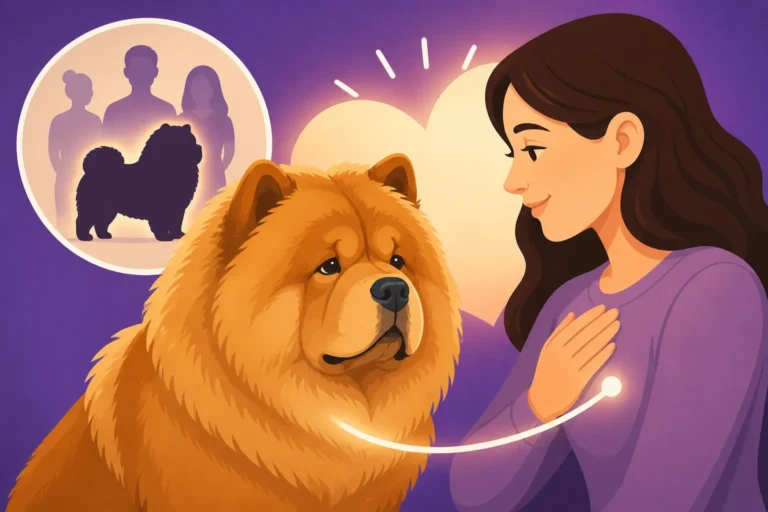
The Chow Chow bonding process explains how these majestic dogs form intense loyalty to one person and tolerate family members.
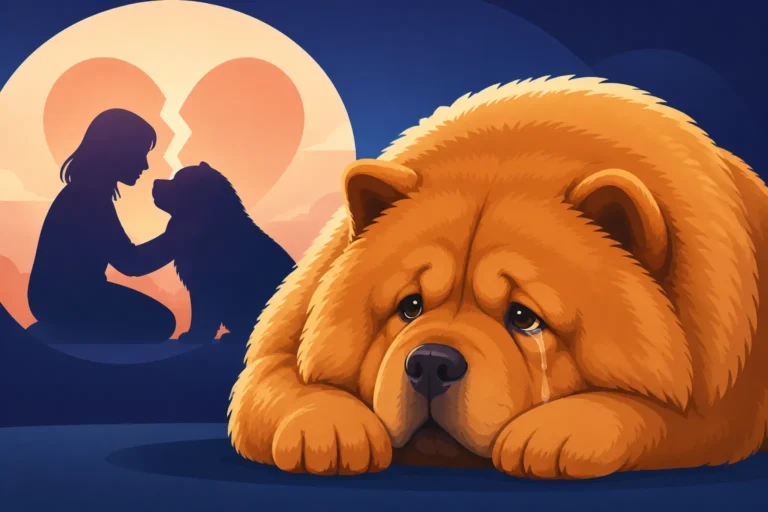
Grieving Chow Chows show subtle sadness through altered eating habits, unusual sleep patterns, and increased clinginess after losing a companion.
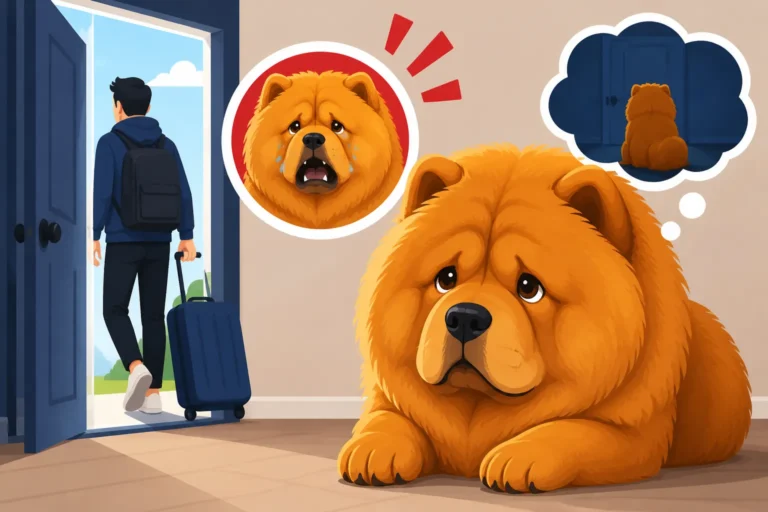
Chow Chow separation behavior ranges from quiet rest to distress, shaped by independent traits and deep bonds with one primary person.
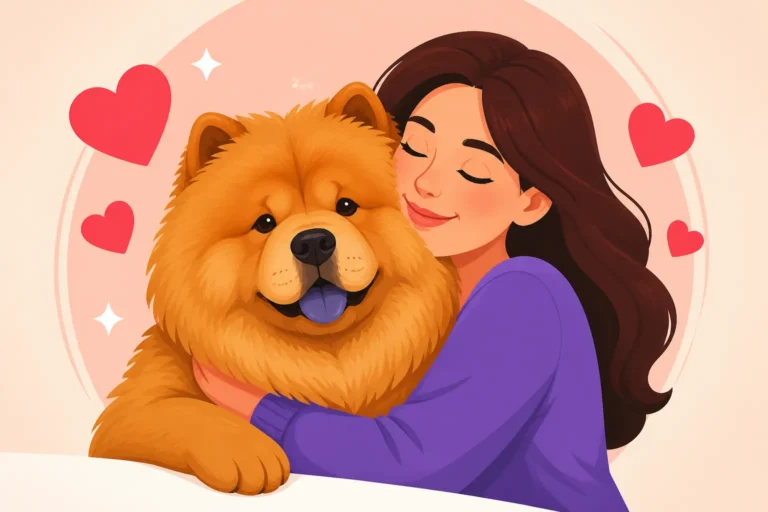
Chow Chow affection operates through subtle signs, independent presence, and quiet gestures instead of exuberant displays.
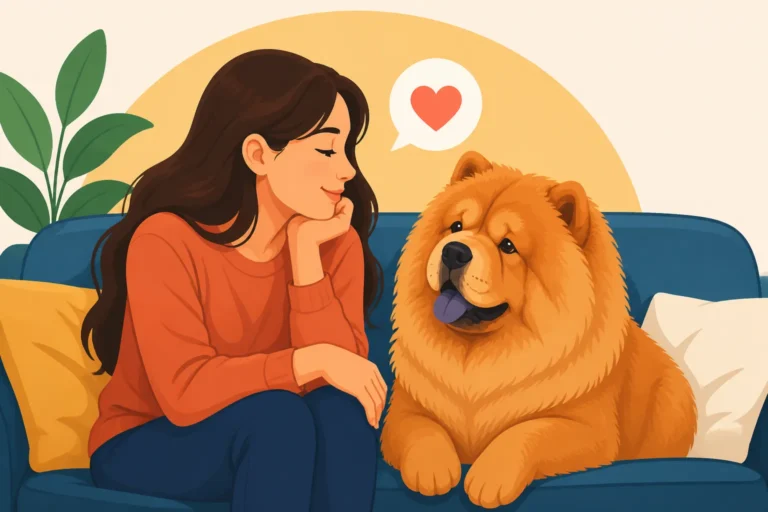
Chow Chow sitting distance and independent nature explain how these dogs show affection without constant physical contact.
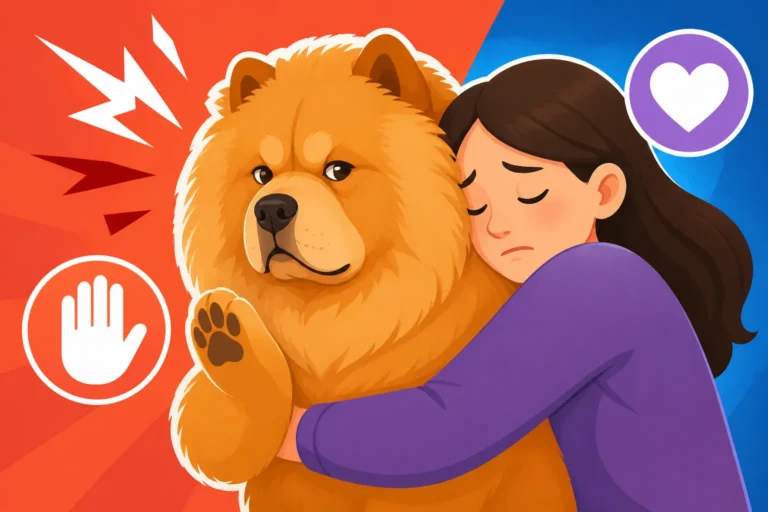
Chow Chow dogs dislike hugs because physical restraint triggers instincts to escape, and human embraces invade their personal space.
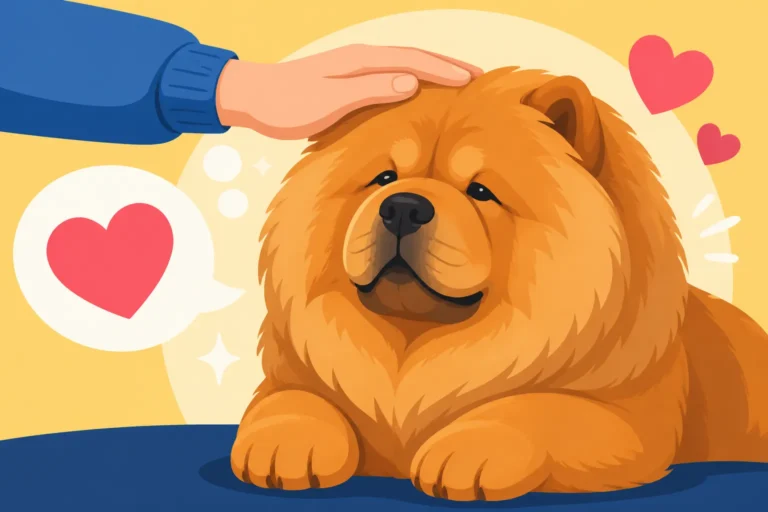
Chow Chow affection levels, independent boundaries, and subtle communication signals explain how this independent dog breed shows love.
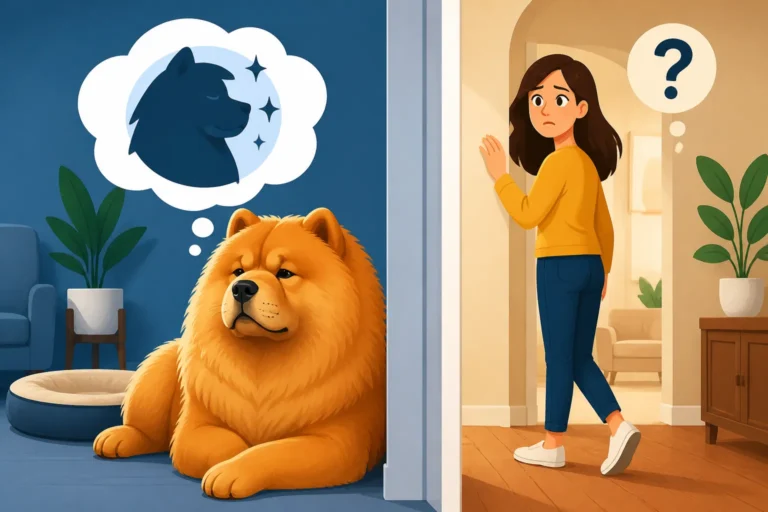
Chow Chow independence and ancient guardian roles explain why this breed prefers personal space instead of following owners room to room.