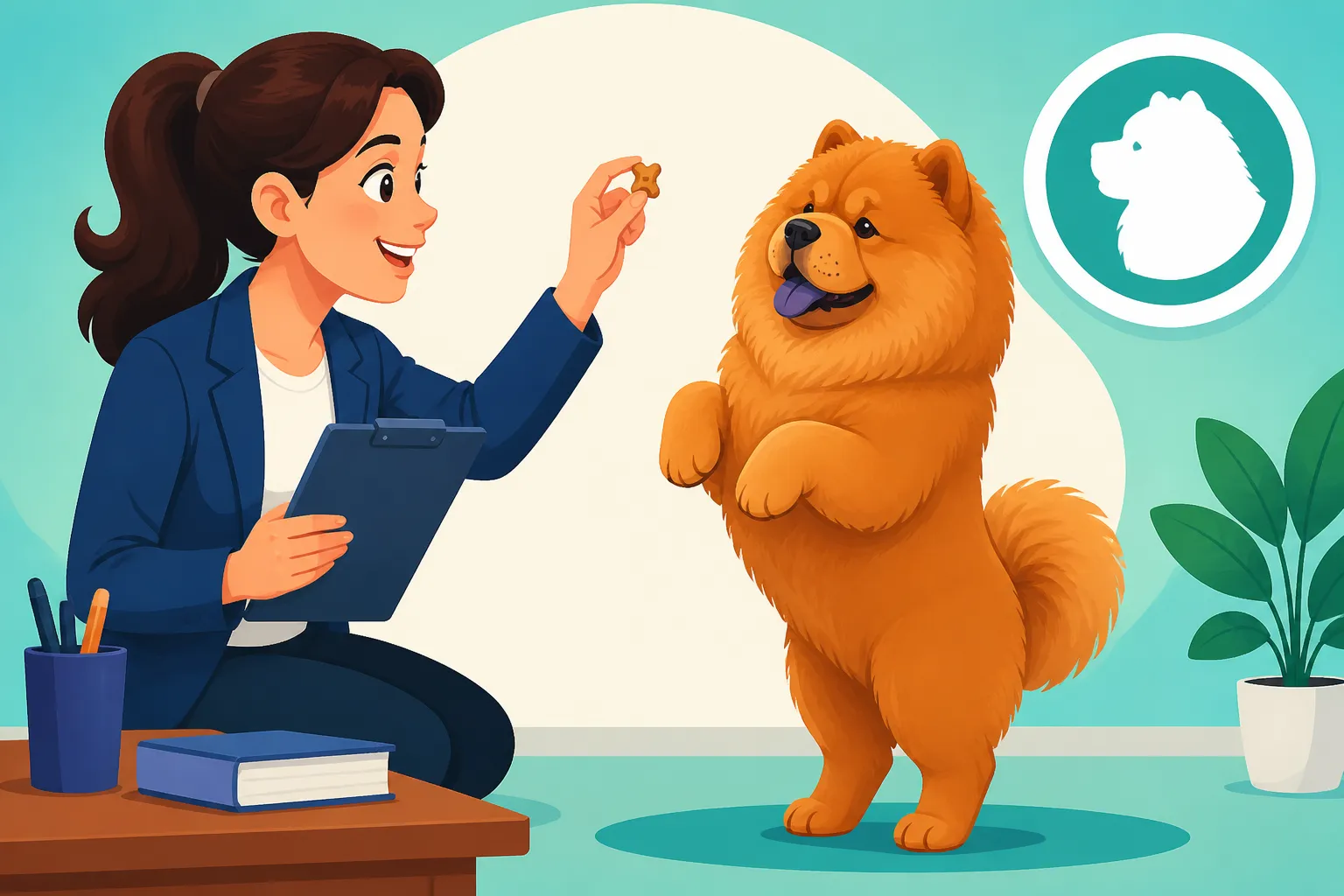
Teaching a Chow Chow to Stand for an Exam
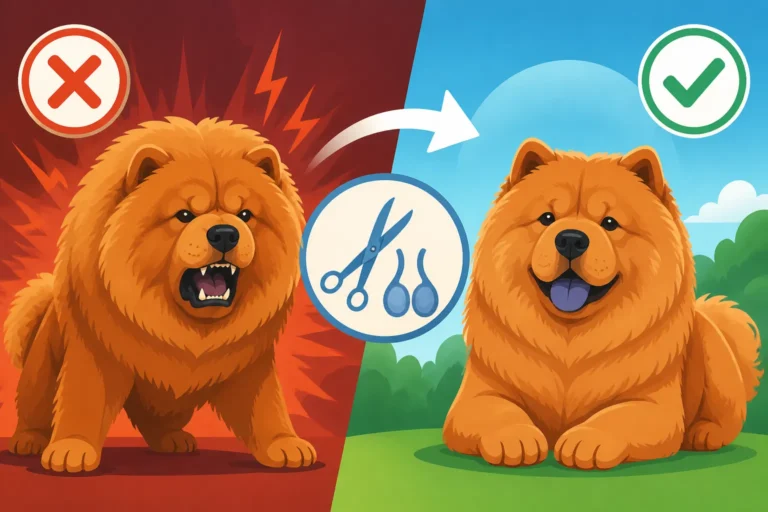
One of the most anxiety-inducing parts of owning a Chow Chow can be the routine veterinary visit. Our Chows are famously reserved, often wary of strangers, and can be quite particular about who touches them and how. This can make something as simple as a routine examination a really stressful ordeal for everyone involved – your dog, you, and the veterinary staff. It's not uncommon for Chow Chows to resist being handled, to pull away, or even to growl or snap if they feel overwhelmed or threatened, turning a necessary health check into a battle of wills. This guide will walk you through practical, empathetic strategies to teach your Chow Chow to stand calmly and cooperatively for vet examinations, turning what was once a dreaded event into a manageable, even positive, experience.
Why Standing Still for a Vet Exam is Such a Big Deal for Your Chow Chow
It’s easy to feel frustrated when your Chow Chow digs in their heels at the vet's office. You know it’s for their own good, but they just don’t seem to get it. Understanding why they react this way is the first step toward helping them. It’s not about being stubborn for the sake of it; it's deeply rooted in their nature and how they perceive the world around them.
Understanding the Chow Chow's Natural Inclinations
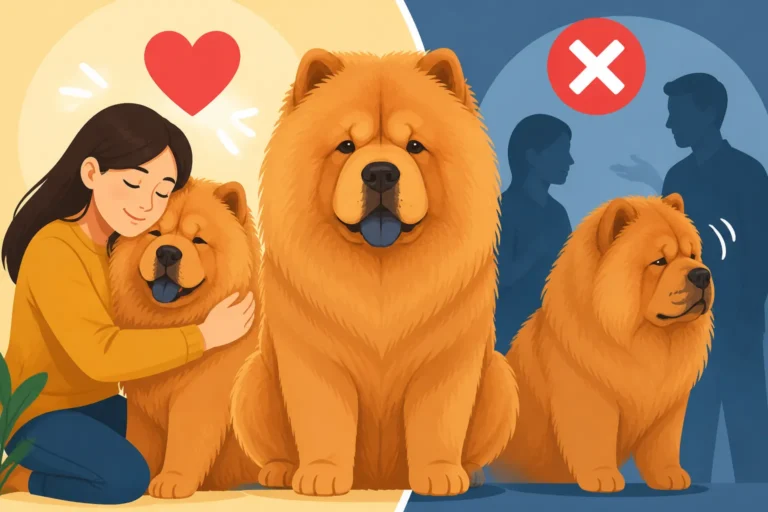
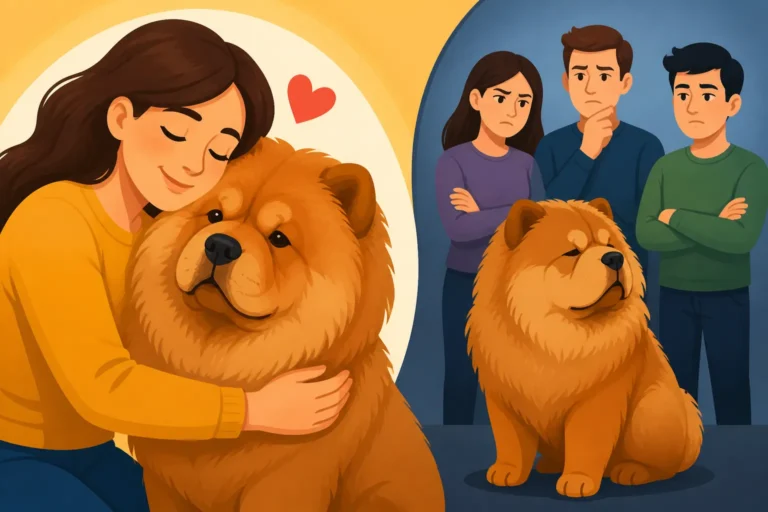
Chow Chows are a unique breed, known for their noble, somewhat aloof demeanor. They’re often described as cat-like in their independence, choosing their own people and preferring to observe rather than enthusiastically greet every new face. This inherent reservedness means they aren't naturally inclined to tolerate strangers poking and prodding them, especially in a vulnerable position. They bond intensely with their chosen person, but often view others with suspicion, which can translate into resistance when a vet or technician tries to handle them.
Unlike some breeds that thrive on human interaction and seek approval from everyone, a Chow Chow’s trust must be earned. When they are put into a situation where a stranger is invading their personal space, touching sensitive areas, and making them feel exposed, their natural instinct is to protect themselves. This protective instinct, combined with their strong will, can make them quite uncooperative during an exam. It’s a classic Chow response to a perceived threat or discomfort, not an act of malice.
The Sensory Overload of the Vet's Office
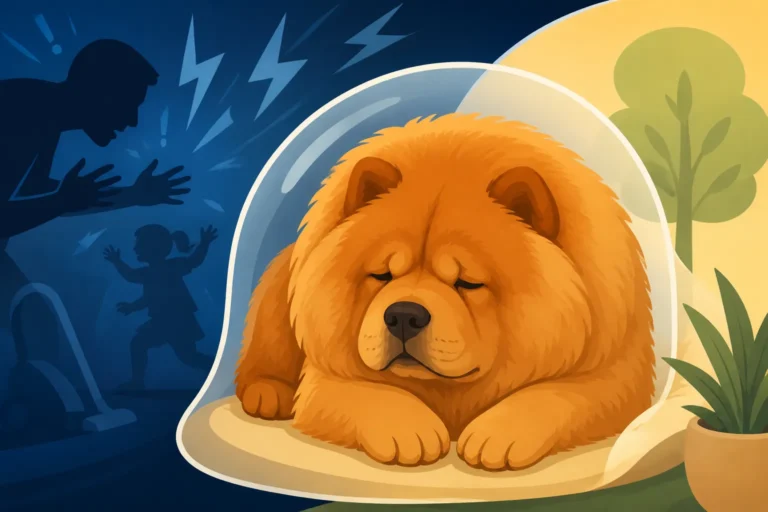
Imagine stepping into a place filled with unfamiliar, strong smells – antiseptic, other animals, fear. Then add a cacophony of sounds: barking, crying, strange machines humming. This is what your Chow Chow experiences at the vet. Their senses are far more acute than ours, and what might be a mildly unpleasant waiting room for you is a full-blown sensory assault for them. This overload significantly heightens their anxiety.
Furthermore, the handling itself is often unnatural. A vet might lift their lips to check teeth, pull at their ears, or touch their feet – all actions that, outside of a very trusted circle, a Chow Chow would normally find intrusive. Why a Chow Chow Is Hard to Examine at the Vet delves into these challenges. The combination of overwhelming sensory input and intrusive handling by strangers can trigger a fight-or-flight response, making it incredibly difficult for them to stand still and accept the examination. They're not just resisting the exam; they're reacting to a deeply uncomfortable and potentially frightening environment.
The Physical Challenges of an Exam
A Chow Chow's physical characteristics, while part of their charm, can also contribute to their discomfort during an exam. Their dense double coat, for instance, can hide weight loss or skin issues, requiring more thorough palpation from the vet, which can feel more invasive. How a Chow Chow's Coat Hides Weight Loss is a good read if you're concerned about changes you can't easily see.
Their deep-set eyes, while giving them that characteristic scowl, also mean vets often need to part their fur or hold their eyelids gently to get a good look, an act many Chows dislike. The vet needs to feel their joints, listen to their heart and lungs through that thick fur, and manipulate their paws to check nails and pads. These actions, which are routine for a vet, can feel quite startling and uncomfortable for a dog that already prefers minimal physical contact. They simply aren't built for easy, quick examinations, making training all the more essential for their comfort and safety.
Building a Foundation: Desensitization and Positive Reinforcement at Home
The key to a successful vet exam for your Chow Chow doesn't start at the clinic; it begins at home, long before you even step through the door. It's all about slowly desensitizing them to touch and building positive associations with the kind of handling they’ll encounter. Patience, consistency, and high-value rewards are your best friends here.
Touch, Touch, and More Touch (The Right Way)
Your goal is to make being touched all over their body a neutral, or even pleasant, experience. Start small, with gentle strokes in areas they already enjoy, like their chest or neck, while offering continuous praise and treats. As they relax, gradually extend your touch to more sensitive areas. Don't rush this process; it might take days, weeks, or even months to get them truly comfortable.
Practice touching their ears, gently lifting them to peer inside, just like a vet would. Teaching a Chow Chow to Have Its Ears Checked provides detailed steps for this. Similarly, work on handling their paws and individual toes. Many Chows are particular about their feet, so this is an essential area to tackle. Read Teaching a Chow Chow to Have Its Feet Handled for specific guidance. Lift their tail, gently part their fur, and run your hands over their back and belly. Every successful, calm interaction should be immediately followed by a high-value treat and verbal praise. If they show any signs of discomfort – tensing up, lip licking, turning their head away – stop, give them space, and try again later with even less intensity. The idea is to keep it positive and prevent any negative associations from forming.
The "Stand-Stay" Cue: Your Golden Ticket
A reliable "stand-stay" is invaluable. This command teaches your Chow Chow to remain standing in a particular spot for an extended period, which is exactly what’s needed for an exam. Start by luring your Chow into a stand with a treat. Once they’re standing, say "stand" and immediately reward them. Gradually increase the duration they stay in the stand position, starting with just a second or two, then building up to several minutes. Practice in different locations around your home, mimicking the slightly varied surfaces they might encounter at the vet.
Once they're comfortable holding the stand, start adding gentle touches while they maintain the position. Touch their back, then their side, then briefly lift a paw, all while repeating the "stand" cue and rewarding any calm acceptance. The key is to keep these practice sessions short, positive, and always end on a good note. You want them to associate standing still and being touched with wonderful things happening.
Simulating the Vet Exam Experience
Once your Chow Chow is more comfortable with general handling and can hold a stand-stay, you can begin to simulate parts of a vet exam. Use a pen or an unused toothbrush to gently mimic a thermometer insertion (just touching the area, no actual insertion). Gently lift their lips to check their gums and teeth. Practice looking into their ears and gently lifting their paws. You can even wrap a hand towel around their leg briefly, as if preparing for a blood draw.
You can enhance this simulation by using a grooming table, if you have one, or even just a sturdy table covered with a non-slip mat. This elevates them, similar to how they'd be on an exam table. Always keep treats flowing generously throughout these exercises. For the most effective rewards, find out Which Treat a Chow Chow Will Work Hardest For. Consistency is key here; a few minutes of practice every day is far more effective than one long, infrequent session. The goal is to make these actions so routine and unremarkable at home that they don't trigger anxiety at the vet.
Making Vet Visits a Positive Experience
Even with the best at-home training, the vet's office can still be a challenging environment. Proactive planning, clear communication with your vet, and a calm demeanor on your part can significantly reduce your Chow Chow's stress and encourage cooperative behavior during the actual visit.
Pre-Visit Preparations and Management
Before you even leave the house, start creating a positive atmosphere. Engage in a short, low-key play session or a calm walk to help burn off some nervous energy. Offer a special, high-value treat just before getting in the car – something they only get for vet trips. If your Chow Chow gets anxious in the car, practice short, positive car rides to fun places (like a park) beforehand to reduce negative associations with car travel.
Consider scheduling your appointment during quieter times at the clinic, if possible, to minimize sensory overload from other animals. If your vet allows it, ask if you can arrive a few minutes early to just sit in the waiting room, give treats, and leave without an exam. This "happy visit" can help your Chow associate the clinic with positive experiences, not just procedures. Always bring a generous supply of their absolute favorite treats – the stinkier and more delicious, the better!
Strategic Vet Choice and Communication
Finding a veterinarian who understands and respects the unique personality of a Chow Chow is paramount. Not all vets are equally comfortable with reserved, independent breeds. Look for a practice that emphasizes low-stress handling and positive reinforcement. Many clinics are now becoming "Fear Free" certified, which means their staff are trained in techniques to reduce anxiety and fear in pets during visits. Whether a Chow Chow Needs a Fear Free Practice is a topic worth exploring as you choose your veterinary care.
Before your appointment, have an honest conversation with the veterinary staff. Explain your Chow Chow's temperament and how you've been working on cooperative care at home. Discuss strategies for the exam: maybe a brief pre-exam "meet and greet" with the vet, allowing your dog to stay on the floor if they're more comfortable there, or performing parts of the exam in a less confined space. If your Chow requires it, discuss Whether a Chow Chow Needs Sedation for a Checkup to ensure their comfort and safety. Open communication ensures everyone is on the same page and working together for your dog's well-being.
Handling the Exam Itself
When you're in the exam room, maintain a calm, reassuring presence. Your Chow Chow will pick up on your anxiety, so projecting confidence is crucial. Keep your dog on a comfortable leash and harness, and reward them frequently for any calm behavior, even just standing still for a moment. If your Chow has been muzzle-trained (which is a wonderful safety precaution for any Chow Chow, especially for vet visits), bring their muzzle and be prepared to use it if necessary. Teaching a Chow Chow to Wear a Muzzle is an excellent resource for this training. A well-fitting, positive-association muzzle isn't a sign of aggression, but a responsible safety tool that can actually reduce stress by ensuring no painful or frightening surprises.
During the actual examination, don't be afraid to advocate for your dog. If the vet or technician is moving too quickly, ask them to slow down. If your Chow Chow shows Signs a Chow Chow Is Uncomfortable, such as lip licking, yawning, or turning their head away, communicate this to the staff. Offer treats continuously as the vet performs their checks, creating a constant positive association. If your Chow becomes overly stressed, sometimes breaking the exam into smaller segments or even rescheduling for another day is the best option for their mental well-being. Remember, the goal is not just to get the exam done, but to ensure it's as low-stress as possible for your beloved companion.
Essential Tools and Resources for Success
Just like any good craftsman needs the right tools, you'll benefit from certain equipment and resources to help you in your journey of teaching your Chow Chow cooperative vet exam behavior. These aren't just gadgets; they're aids to make the process smoother, safer, and more positive for both of you.
Grooming Tools for Acclimation
Regular grooming is a fantastic way to accustom your Chow Chow to being handled. Investing in quality grooming tools will not only keep their magnificent coat healthy but also provide opportunities for handling practice. A sturdy slicker brush, an undercoat rake, and a wide-toothed comb are indispensable. When you use these tools, you're not just dematting; you're gently touching and manipulating areas a vet will need to examine. For instance, while brushing their legs, you can gently feel their joints, just as a vet would.
The process of brushing, especially line brushing down to the skin, requires significant handling and patience from your Chow. This repeated, positive exposure to touch becomes a cornerstone of their comfort during a vet exam. You can easily find high-quality brushes, combs, and undercoat rakes on platforms like Amazon, ensuring you have the right tools for this essential daily practice. The more comfortable they are with thorough grooming, the less alarming a vet's palpation will be.
Training Aids and Treats
High-value treats are non-negotiable when training a Chow Chow. These aren't just any old kibble; these are the special, irresistible morsels that make them think, "Wow, whatever I just did, I want to do it again!" Small pieces of cooked chicken, cheese, or specialized training treats often work wonders. Experiment to find what truly motivates your Chow. A clicker can also be a useful tool, though some Chows, with their independent nature, may respond just as well to verbal praise and treats. The clicker simply marks the exact moment of desired behavior, making your training clearer.
A long-lasting chew or puzzle toy can also be incredibly helpful in the vet waiting room or during short pauses in the exam. It provides a distraction and a positive association with the environment. Stock up on these special treats and aids – you'll need them! And remember, when choosing treats, especially those you might buy online, check ingredient lists carefully.
Online Training Programs
Sometimes, having a structured program and professional guidance can make all the difference. While one-on-one training with a local behaviorist is ideal, online programs offer flexible support. For instance, services like BAXTER & Bella offer online puppy and dog training programs that can guide you through the desensitization process, cooperative care exercises, and general obedience, all from the comfort of your home. These programs often include video tutorials, live Q&A sessions, and personalized coaching, which can be invaluable when working with a breed as unique as the Chow Chow.
Having access to such resources means you’re never alone in your training journey. They can help you troubleshoot specific challenges you encounter and provide new ideas for keeping your Chow engaged and progressing. Remember, consistent, gentle practice at home is what truly paves the way for a more relaxed experience when it comes to the crucial moments at the vet. It reduces anxiety for your Chow and ensures that necessary health care doesn't become a traumatic event. It can also save you money in the long run by avoiding situations where Why a Chow Chow Fails at the Vet Without Practice leads to sedation for routine procedures.
| Do's | Don'ts |
|---|---|
| Start training early, even with a puppy. | Force your Chow Chow into uncomfortable situations. |
| Use high-value, irresistible treats generously. | Punish or scold for resistance or fear behaviors. |
| Keep training sessions short and positive. | Rush the desensitization process. |
| Practice handling all over their body daily. | Expect immediate perfection at the vet. |
| Find a Fear Free or Chow-savvy vet. | Rely solely on the vet to "fix" the problem. |
| Communicate openly with vet staff. | Neglect regular at-home grooming and handling. |
| Remain calm and confident during visits. | Take your Chow Chow's discomfort personally. |
| Consider muzzle training as a safety measure. | Skip vet visits because of anticipated difficulty. |
Teaching your Chow Chow to stand calmly for a vet exam is a journey, not a single event. It requires immense patience, consistent positive reinforcement, and a deep understanding of your Chow's unique personality. By putting in the work at home, building trust, and advocating for your dog at the clinic, you can transform stressful vet visits into manageable, even positive, experiences. Your Chow Chow depends on you for their health, and a cooperative relationship with the vet ensures they get the best care possible throughout their life.
Disclaimer
This article is for general informational purposes only and does not constitute professional advice. Laws, prices and regulations vary by location and change over time. Consult a qualified professional for guidance on your specific situation.