Signs a Chow Chow Has Had Enough Handling
One of the most common and heartbreaking misunderstandings about Chow Chows is the notion that they "snap without warning." The truth is, Chow Chows are often highly sensitive and communicative, but their signals of discomfort are incredibly subtle and frequently missed by well-meaning owners and strangers alike. This comprehensive guide will help you decipher the quiet language of your Chow Chow, empowering you to recognize the crucial signs that they've had enough handling, preventing stress for your beloved companion and ensuring safety for everyone.
Understanding the Chow Chow's Unique Communication Style
Chow Chows are a breed renowned for their dignified, independent, and often reserved nature. Unlike some more overtly expressive breeds that might bounce with joy or whine loudly for attention, Chows tend to operate on a different frequency. Their communication, particularly when it comes to expressing discomfort, is frequently understated. This isn't because they lack feelings, but rather a reflection of their ancient heritage and often aloof temperament.
Why Chow Chows Are Often Misunderstood
The very characteristics that make Chows so unique can also lead to misinterpretation. Their deep-set eyes, for instance, can obscure the whites of their eyes (often called "whale eye," a stress signal), making it harder for an owner to pick up on this classic canine cue. Their natural scowl, a charming breed trait, can also lead people to believe they are perpetually displeased or unfriendly, when in reality, it's just their default facial expression. Furthermore, their dense ruff can hide tense neck muscles or a tucked chin, both signs of stress in many dogs. Because they are often perceived as stubborn or independent, their attempts to disengage or move away can be mistakenly seen as defiance rather than a plea for space. This is why understanding How to Read a Chow Chow's Face is so vital for their safety and happiness.
We often assume all dogs communicate in the same boisterous way, but a Chow Chow's silence and stillness are often part of their dialogue. They might not jump or bark to say "no," but a sudden stillness or a slight turn of the head speaks volumes if you know how to listen. The challenge for many owners, especially those new to the breed, is learning to recognize these nuanced signals before they escalate into more obvious, and potentially dangerous, warnings.
The Importance of Respecting Their Boundaries
Chow Chows thrive on mutual respect. They are not typically a breed that tolerates endless petting, prolonged hugs, or unsolicited attention from strangers. While they can form incredibly deep bonds with their chosen person—a topic explored in Why a Chow Chow Picks One Person—even this bond comes with an expectation of understanding and personal space. Forcing interaction, whether it's an extended grooming session or an unwelcome cuddle, can erode trust and teach your Chow that their signals are ignored. This can lead to them feeling cornered, increasing the likelihood of a more direct, defensive reaction.
Respecting boundaries isn't about letting your dog rule the roost; it's about building a foundation of trust where your Chow knows you understand their needs and will advocate for them. This creates a safer environment for everyone and strengthens your relationship. Ignoring their subtle cues ultimately forces them to use louder ones, which is a situation no one wants to find themselves in. It’s also important to remember that if a Chow Chow feels constantly pressured, they may learn How Long a Chow Chow Holds a Grudge, making future interactions even more challenging.
Early Warning Signs of Discomfort: The Subtle Signals
Before a Chow Chow resorts to overt warnings, they will almost always display a series of subtle signals indicating their discomfort. These are the critical cues that, if recognized, allow you to de-escalate the situation long before it becomes problematic. Learning to spot these is key to living harmoniously with this magnificent breed.
Body Language: The Silent Language of Stress
A Chow Chow’s body language is a symphony of small movements and changes in posture. When they are starting to feel uncomfortable, you might notice:
- Lip Licking (without food present): A quick flick of the tongue over the lips, especially if done rapidly or repeatedly, is a classic sign of stress or mild anxiety. It's often a displacement behavior, meaning they're trying to cope with an uncomfortable situation.
- Yawning (without being tired): Similar to lip licking, yawning when not sleepy is another common displacement behavior. It’s their way of saying, "I'm a little stressed, but I'm trying to be calm."
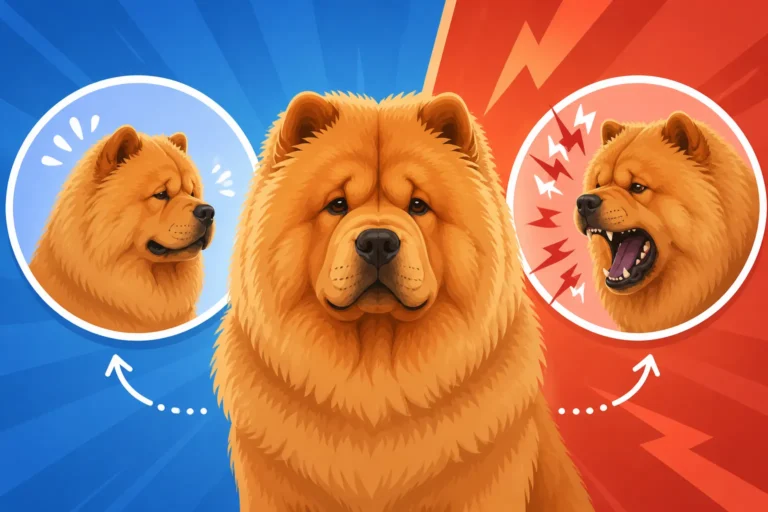
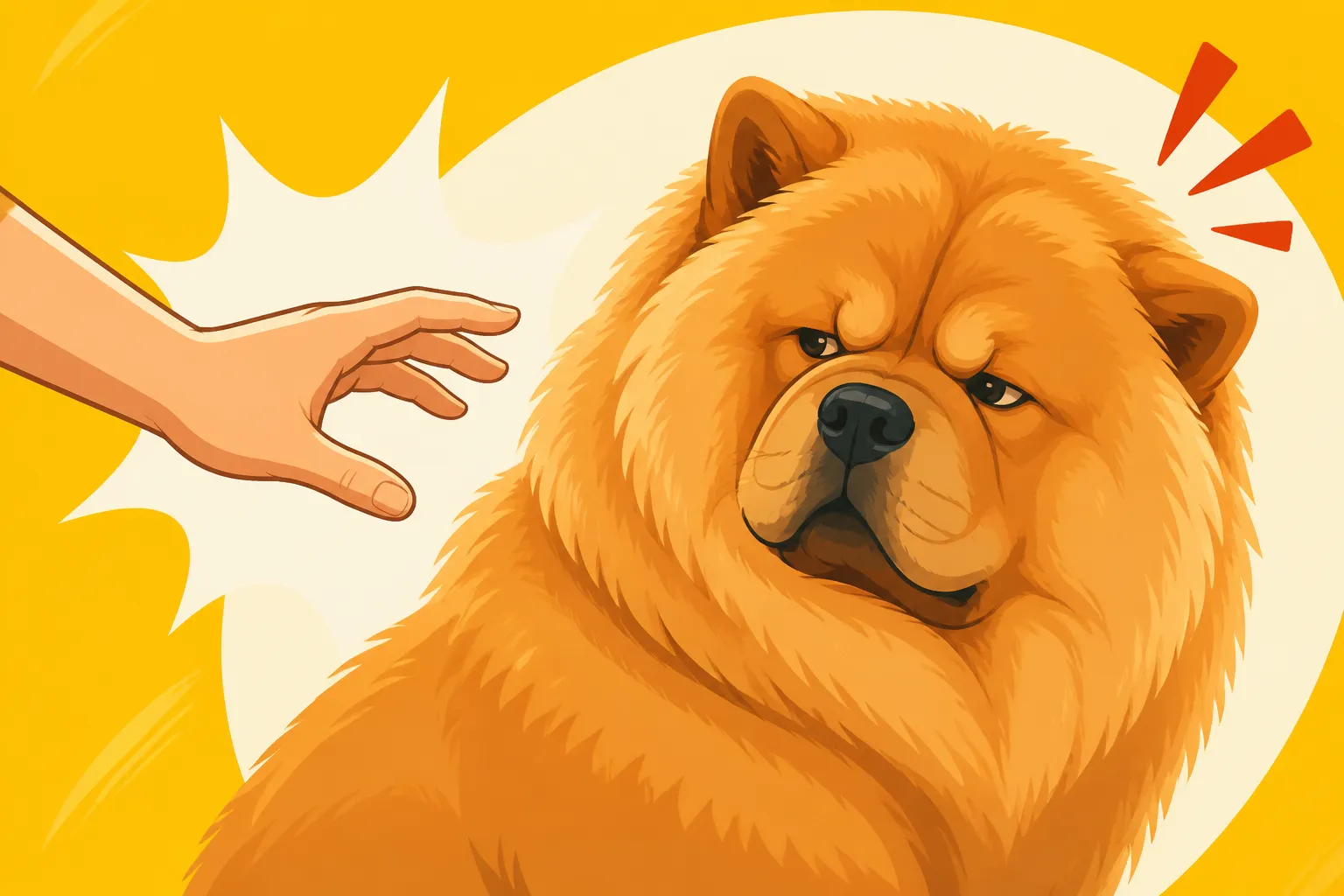
- Head Turns or Averting Gaze: Your Chow Chow might subtly turn their head away from the interaction, or even turn their entire body slightly. They might avoid making direct eye contact with you or the person handling them. This is a polite way of saying, "I'd rather not engage right now."
- Stiffening of Body Posture: A dog that is happy and relaxed is often fluid and soft in its movements. If your Chow suddenly becomes still, rigid, or freezes in position, it's a huge red flag. This "freeze" response is a precursor to fight or flight, indicating they are very uncomfortable.
- Pinned Ears: While a Chow's ears are small and can be harder to read than those of a German Shepherd, pay attention to them. If they are flattened against the head or pulled back tautly, it signals tension or fear.
- Tail Position: While a Chow Chow's tail naturally curls over their back, a subtle change in how tightly it's curled, or if it suddenly clamps down against their body, can indicate stress. A tail that is held rigidly high, especially if accompanied by a stiff body, can also be a sign of tension and potential guarding. Signs a Chow Chow Is Uncomfortable can be further elucidated by paying close attention to these tail movements.
These aren't signs of aggression, but rather signals that your Chow Chow is trying to tell you, "I don't like this, please stop." Missing these subtle cues can lead to escalation, as the dog feels their polite requests are being ignored.
Facial Expressions and Eye Contact Cues
Beyond the overall body posture, a Chow Chow's face, despite its dense fur and characteristic scowl, offers more clues:
- "Whale Eye": If you can see the whites of your Chow Chow’s eyes, especially when their head is turned slightly away but their eyes are fixed on the source of their discomfort, this is called "whale eye." It's a classic sign of fear or anxiety. Their deep-set eyes can make this harder to spot, but it's crucial to look for.
- Furrowed Brow/Tension Around Eyes: Even with their natural scowl, you can often discern increased tension around their eyes. The skin above their eyes might appear more furrowed, or their eyes might seem smaller or more intense than usual.
- Tight Lips/Closed Mouth: A relaxed dog often has a slightly open mouth, perhaps even panting softly. If your Chow's mouth is tightly closed and their lips are pulled back, it indicates tension.
- Lack of Softness: A happy Chow will have a generally "soft" expression. When they're uncomfortable, their face will lose this softness, appearing more rigid or tense.
Children, in particular, often struggle to recognize these subtle cues. They might misinterpret a Chow Chow's stoicism or a natural scowl as an invitation to engage, or simply fail to see the signs of discomfort. This is why parents need to actively supervise interactions and teach children How to Teach a Child to Approach a Chow Chow safely and respectfully.
Escalating Cues: When a Chow Chow Nears Its Limit
If the subtle signals are missed or ignored, a Chow Chow, like any dog, will typically escalate their warnings to try and communicate their distress more clearly. These are signs that the dog is seriously uncomfortable and is attempting to create distance or end the interaction. Recognizing and respecting these advanced warnings is absolutely paramount.
Verbal and Physical Warnings
When a Chow Chow feels their subtle pleas are falling on deaf ears, their communication will become more direct:
- Growling: This is perhaps the most obvious and universally understood warning sign. A growl is a dog’s way of saying, "Stop what you're doing, or I will defend myself." It should never be punished, but rather listened to as critical information. Punishing a growl teaches a dog not to warn you, making a bite more likely in the future.
- Snarling/Showing Teeth: This is a clear escalation, often accompanied by a growl. It's an unambiguous signal of "Back off!" Some Chows might pull back their lips in a way that shows their front teeth, indicating serious unease.
- Air Snapping: An air snap is when a dog snaps its jaws together, making a sharp sound, but without making contact with the person or object. This is a very serious warning, indicating the dog is capable of biting and is giving a final, clear warning before making contact.
- Lunging (without contact): A lunge is when the dog quickly moves their body forward in a threatening manner, often accompanied by a growl or bark, but again, without making physical contact. This is a direct attempt to push the perceived threat away.
- Mouthing/Nipping (with inhibited bite): Some dogs might try to use their mouth without full force, a "soft" bite that doesn't break skin. This can be an attempt to say, "I'm really uncomfortable, please stop, but I don't want to hurt you." It's still a serious warning that should be heeded immediately.
It’s crucial to understand that these warnings are not aggression for aggression’s sake. They are defense mechanisms. The Chow Chow is simply trying to communicate a boundary that has been crossed.
Attempts to Disengage
Before resorting to growling or snapping, many Chow Chows will try their best to remove themselves from the situation. These attempts should be respected as serious warnings in themselves:
- Moving Away: If you are petting your Chow, and they calmly get up and walk away, that is them telling you they've had enough. Don't follow them or try to re-engage. Give them their space.
- Hiding: A Chow Chow who retreats under a table, behind a couch, or into their crate is seeking sanctuary. Their space should be respected. Never pull a dog out of their safe zone.
- Refusing to Engage: If you call your Chow over for interaction and they look at you but choose not to come, they are communicating their disinterest or discomfort with further handling. This is their prerogative.
These behaviors are their attempts to avoid conflict. When these attempts are ignored, it can lead to increased frustration and a feeling of being trapped, which can then provoke the more aggressive warnings discussed above. Being proactive and observing their body language, especially around grooming time, is essential. For instance, gentle training techniques for handling during grooming, as detailed in Teaching a Chow Chow to Be Brushed, can help minimize stress.
Responding Appropriately: De-escalation and Respect
Once you recognize the signs that your Chow Chow has had enough handling, the next crucial step is knowing how to respond effectively and respectfully. Your response in these moments will either reinforce trust or deepen your Chow's anxieties, shaping their future reactions to handling.
Immediate De-escalation Strategies
The moment you observe any of the subtle or escalating signs of discomfort, your immediate goal should be to de-escalate the situation:
- Stop All Interaction: This is the most important step. Immediately stop whatever you are doing that is causing discomfort. If you are petting them, remove your hand. If you are holding them, gently put them down if safe to do so.
- Give Them Space: Allow your Chow Chow to move away if they wish. Do not follow them or attempt to physically block their exit. If they are in a confined space, create an exit route for them if possible.
- Turn Away: Sometimes, simply turning your body away from your Chow and avoiding direct eye contact can signal that you are no longer a threat and are respecting their space.
- Speak Calmly (or not at all): A soft, low tone of voice can sometimes be reassuring, but for some Chows, any sound might be too much. Silence can be golden. Avoid loud noises, scolding, or angry tones, as this will only heighten their stress.
- Avoid Punishment: Never punish a growl, a snap, or an attempt to move away. As mentioned, punishing these warnings only teaches your Chow not to warn, making them more likely to bite without prior notice. Instead, acknowledge the warning and address the root cause of their discomfort.
For example, if you're trying to brush out a mat and your Chow starts lip-licking and stiffening, immediately stop brushing, give them a break, and reassess. Maybe you need a different brush, or maybe the mat is painful. Products available on Amazon, like a wide-toothed comb or a high-velocity dryer, can make grooming less painful and quicker, which might reduce their threshold for discomfort during a session.
Building Positive Associations with Handling
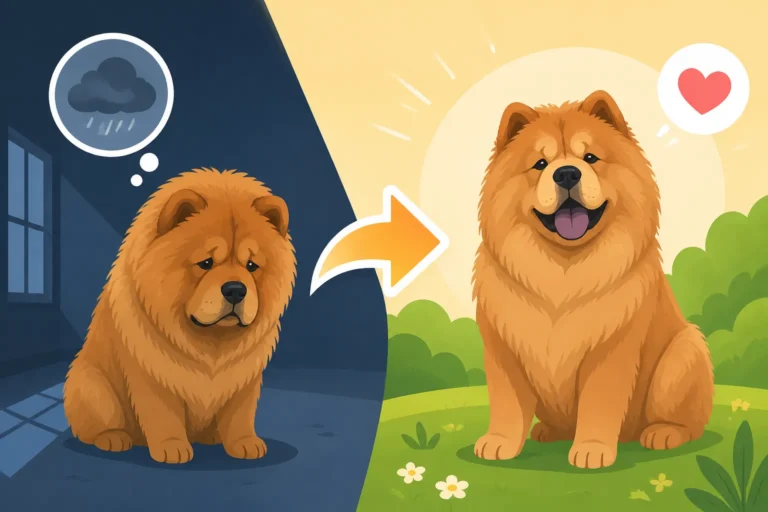
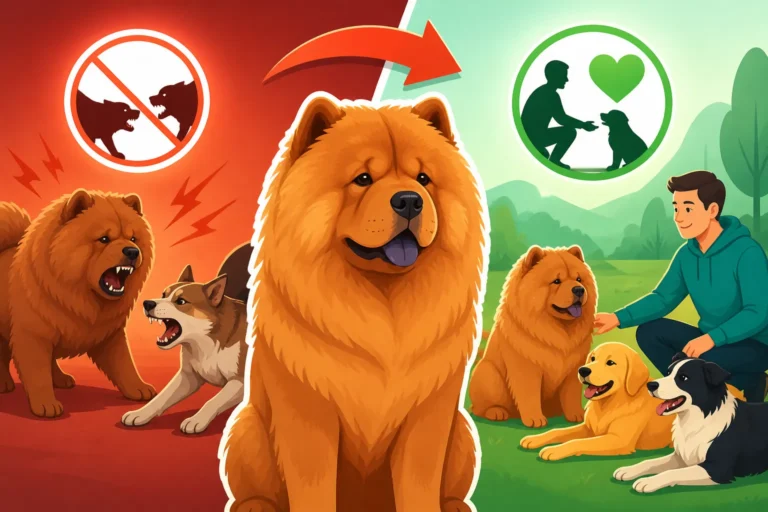
Beyond de-escalation, the long-term solution lies in building positive associations with handling. This means changing your Chow Chow's emotional response from "handling is scary/unpleasant" to "handling leads to good things."
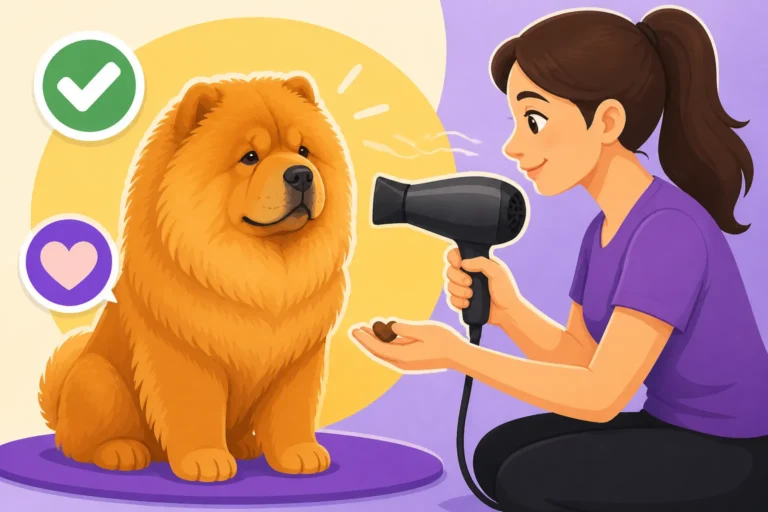
- Short, Positive Sessions: Practice handling in very short bursts, always ending on a positive note before your Chow shows signs of discomfort. For instance, touch their paw for two seconds, then give a high-value treat. Gradually increase the duration or intensity.
- High-Value Rewards: Use treats that your Chow absolutely loves. These could be small pieces of cheese, cooked chicken, or specialty soft treats. The reward needs to be compelling enough to outweigh their discomfort.
- Pair with Calm, Predictable Environments: Start training in a quiet, familiar environment with minimal distractions. As your Chow becomes more comfortable, you can slowly introduce more variables.
- Muzzle Training: For Chows who have shown a strong aversion to handling, or if you anticipate situations where they might need handling (like vet visits or grooming), muzzle training is a responsible and humane approach. Introduce the muzzle slowly, pairing it with positive experiences and high-value treats. A comfortable, well-fitting muzzle can be found on Amazon, and can be a lifesaver for all involved. Teaching a Chow Chow to Wear a Muzzle offers more detailed steps.
- Professional Guidance: If you're struggling to understand your Chow Chow's signals or to improve their tolerance for handling, don't hesitate to seek help from a certified professional dog trainer or a veterinary behaviorist. They can provide tailored guidance and help you interpret subtle cues. Online resources like BAXTER & Bella offer comprehensive training programs that often include modules on body language and desensitization techniques, which can be incredibly helpful for new or struggling owners.
Understanding When to Consult a Professional
There are times when your Chow Chow's aversion to handling goes beyond typical breed reserve and warrants professional intervention. If you notice any of the following, it's time to seek expert help:
- Frequent or Intense Warnings: If your Chow is constantly growling, snapping, or biting (even inhibited bites), or if their reactions are sudden and severe.
- Difficulty with Basic Care: If you cannot safely perform essential tasks like grooming, nail trims, or veterinary exams without extreme stress or risk of injury.
- Sudden Change in Behavior: Any abrupt shift in temperament or tolerance for handling should be investigated by a veterinarian to rule out underlying pain or medical conditions. Why a Chow Chow Is Hard to Examine at the Vet often stems from a combination of their reserved nature and sometimes unaddressed discomfort.
- Fear and Anxiety: If your Chow Chow consistently shows signs of extreme fear or anxiety around handling, a professional can help develop a behavior modification plan.
By recognizing the signs, responding appropriately, and proactively working to create positive associations, you can build a deeper bond with your Chow Chow, ensuring a happy and safe environment for everyone.
| Sign Category | Subtle Cues (Early Warning) | Escalating Cues (Serious Warning) |
|---|---|---|
| Body Language | Lip licking, yawning, stiffening, freezing, head turns, averted gaze, subtle tail changes, pinned ears | Growling, snarling, lunging, air snapping, hiding, moving away, refusing to engage |
| Facial Expressions | Whale eye, furrowed brow, tight lips, loss of "soft" expression | Showing teeth, tense muzzle, hard stare |
| Vocalization | No direct vocalization or soft sigh | Growling, low rumbling |
| Overall Context | Mild discomfort, seeking space politely | Significant distress, demanding space, preparing to defend |
Disclaimer
This article is for general informational purposes only and does not constitute professional advice. Laws, prices and regulations vary by location and change over time. Consult a qualified professional for guidance on your specific situation.