Why a Chow Chow Objects to Its Rear Being Touched
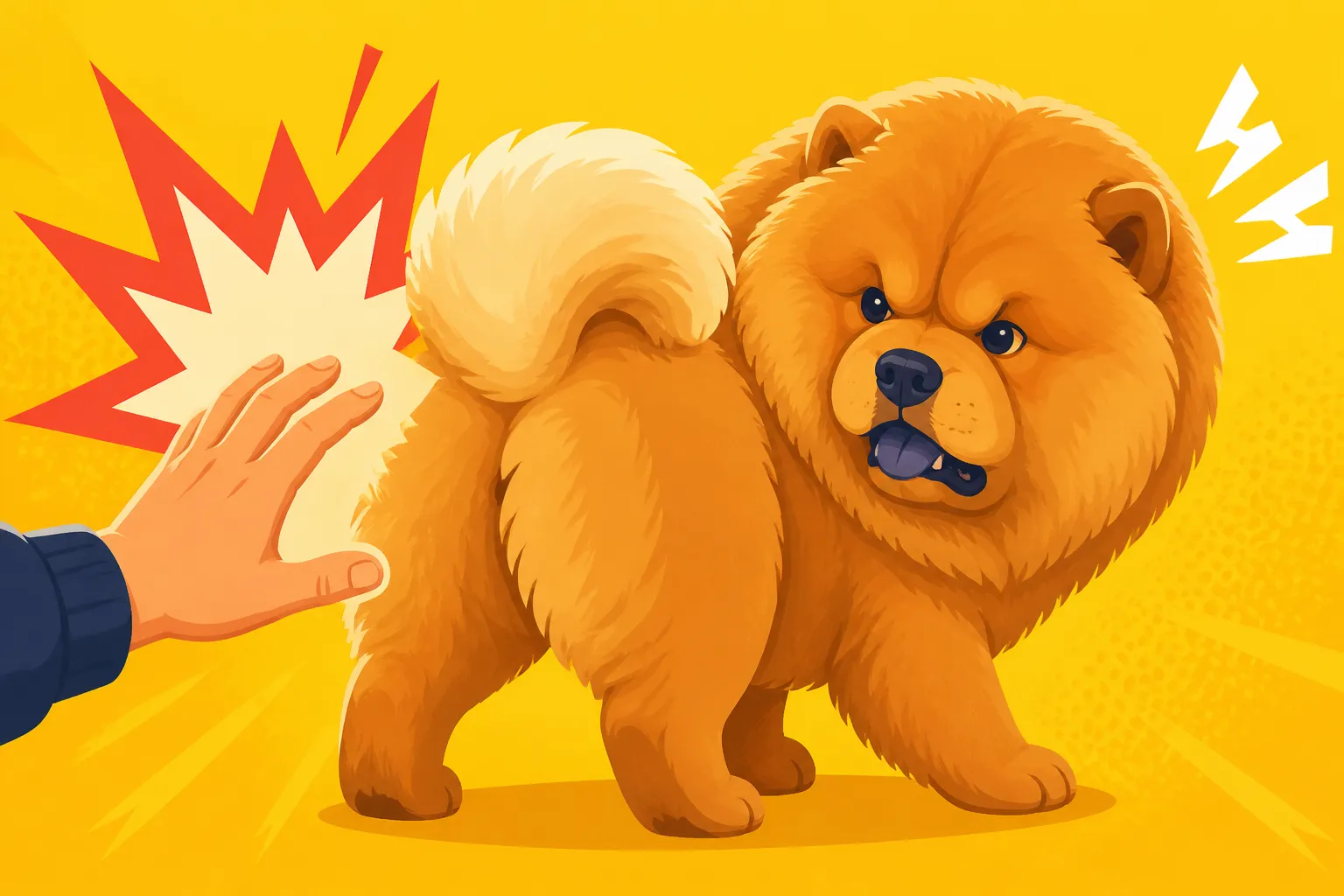
Many Chow Chow owners find themselves puzzled, and sometimes frustrated, by their dog's strong aversion to having their rear touched. It’s a common scenario: you go to brush them, check for mats, or simply give a reassuring pat, and you’re met with a stiffening body, a quick swivel, or even a snap. This guide is here to help you understand the multifaceted reasons behind this behavior, ranging from their inherent temperament to potential physical discomfort, and offer actionable steps to build trust and make handling a more positive experience for both of you.
Understanding the Chow Chow's Natural Temperament
Chow Chows are a breed unlike many others, and their unique personality plays a massive role in how they interact with the world and, crucially, how they prefer to be touched – or not touched, as the case may be.
The Independent and Aloof Nature
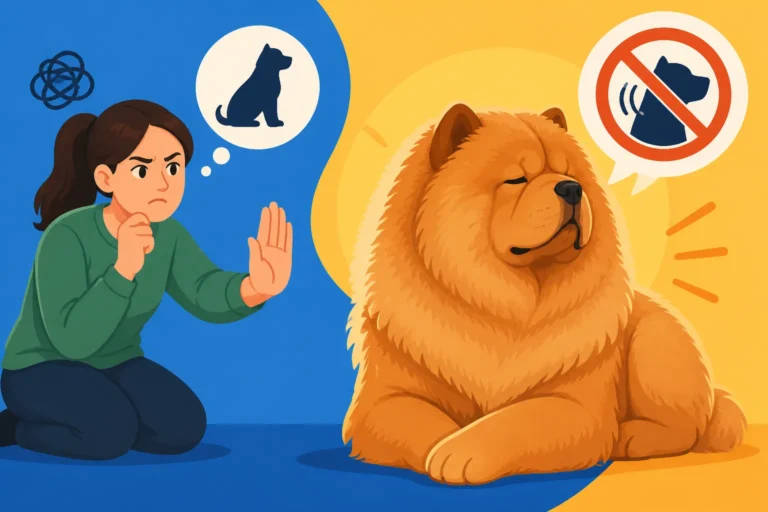
If you've spent any time with a Chow Chow, you've likely noticed their distinct independence. They aren't typically the effusive, velcro dogs that crave constant physical contact or follow you from room to room. Their affection is often subtle, deeply personal, and given on their own terms. This inherent reserve is a hallmark of the breed, and it naturally extends to their physical boundaries. They choose their moments for interaction, and they certainly choose their people.
Imagine a close friend who isn't a "hugger." They might be warm and caring, but they express it differently than someone who greets everyone with a big embrace. That's often a Chow Chow. A stranger, or even a familiar family member, reaching for their rear end without invitation can feel like a profound invasion of their personal space. It's not rudeness; it's a boundary. They're telling you, in the clearest way they know how, that this is not okay for them right now. This can be challenging for owners used to more outwardly affectionate breeds, but understanding it is the first step toward building a respectful relationship. For more on this, you might find How Aloof a Chow Chow Really Is quite insightful.
A Question of Trust, Not Dominance
It's tempting for some to interpret a Chow Chow's refusal to be handled as an act of dominance or stubbornness. However, with this breed, it’s almost always a question of trust and perceived threat. Their unique physical characteristics, such as their deep-set eyes, give them limited peripheral vision. This means a sudden touch from behind can be genuinely startling and feel threatening because they simply didn't see it coming.
Think about it from their perspective: something touches them from a blind spot, unexpected and potentially unsettling. Their instinct might be to react defensively – a quick turn, a warning growl, or even a snap – not because they are inherently aggressive, but because they felt surprised and vulnerable. They're not trying to "dominate" you; they're trying to protect themselves from what felt like a sudden, unseen invasion. Building trust means making all interactions predictable and positive, especially when approaching sensitive areas. If you've ever wondered about their surprising reactions, Why a Chow Chow Snaps at Someone It Did Not See offers a deeper dive into their vision limitations.
Physical Reasons for Sensitivity in the Rear
Sometimes, a Chow Chow's objection to being touched on their rear isn't just about their personality or past experiences; it can be a direct result of physical discomfort or pain. It's vital to rule out any medical issues before solely attributing the behavior to temperament.
The Straight Rear Leg and Its Implications
One of the most distinctive anatomical features of a Chow Chow is their straight rear leg assembly, often described as having "straight hocks." Unlike many breeds with angulated hindquarters that act like springs, a Chow Chow's rear legs are relatively straight. This gives them their characteristic "stilted" gait but can also predispose them to certain orthopedic issues.
This unique structure means their hips and knees may experience different stresses compared to breeds with more typical angulation. Conditions like hip dysplasia and elbow dysplasia, unfortunately, are not uncommon in the breed. Even if a Chow Chow isn't showing overt lameness, a chronic ache or subtle discomfort in their hips, knees, or lower back can make them extremely sensitive to touch in these areas. Pressure applied to an arthritic joint, even gently, can cause sharp pain, leading them to quickly recoil or snap. Even if they don't have active pain, the area might just feel more vulnerable to them due to this distinct anatomy. Understanding more about conditions like What Elbow Dysplasia Does to a Chow Chow and Hip Dysplasia in a Chow Chow can shed light on these potential sensitivities.
Underlying Discomfort or Pain
Beyond structural issues, a variety of other physical problems can make a Chow Chow's rear end a no-go zone. Their dense coat, while beautiful, can unfortunately conceal many issues, making regular checks essential.
Consider these possibilities:
- Skin Irritations and Hot Spots: Chows have a thick double coat that can easily trap moisture and debris. This can lead to skin infections, allergies, or painful "hot spots" (acute moist dermatitis), especially around the rump, tail base, and inner thighs. These areas can be incredibly itchy and sore, and any touch exacerbates the discomfort. How a Chow Chow's Dense Coat Hides Skin Disease explains just how tricky it can be to spot these issues.
- Matting: The thick undercoat is prone to matting, particularly behind the ears, under the elbows, and around the britches and tail. Mats pull on the skin and can be excruciatingly painful. Even a seemingly small mat can cause significant discomfort when touched.
- Anal Gland Issues: Impacted or infected anal glands are a common and very uncomfortable problem for many dogs. The glands are located on either side of the anus, and any pressure or even just the proximity of a hand can be painful, causing the dog to react defensively.
- Arthritis or Degenerative Joint Disease: While more common in senior Chows, some younger dogs may develop arthritis earlier due to genetics or previous injuries. This can affect any joint in the hindquarters or spine, making the entire area sensitive.
- Injuries: A muscle strain, a minor fall, or even rough play can cause a temporary or lingering injury that makes the rear sensitive. A hidden thorn, a tick bite, or an insect sting can also cause localized pain.
- Neurological Issues: Less common, but sometimes disc problems in the spine or other neurological conditions can manifest as hindquarter sensitivity or pain.
If your Chow Chow suddenly starts objecting to touch where they previously tolerated it, or if the reaction is particularly intense, a vet visit is always the first step. They can perform a thorough physical examination to rule out any underlying medical causes.
Here’s a quick overview of potential physical issues and their common signs:
| Physical Issue | Common Signs Related to Rear Sensitivity |
|---|---|
| Hip/Elbow Dysplasia | Limping, stiffness, difficulty rising, reluctance to jump, pain on palpation. |
| Arthritis | Stiffness, pain, lameness, reluctance to move, guarding the area. |
| Skin Irritations/Mats | Redness, sores, scabs, excessive licking/chewing, visible mats, odor. |
| Anal Gland Issues | Scooting, licking rear, difficulty defecating, bad odor, swelling. |
| Muscle Strain/Injury | Sudden lameness, yelping, reluctance to put weight on a leg. |
| Neurological Issues | Weakness in hind legs, stumbling, loss of coordination, incontinence. |
The Role of Training and Socialization
Beyond temperament and potential pain, how a Chow Chow is introduced to handling from a young age, and what experiences they've had, significantly shapes their willingness to accept touch on their rear.
Missing Early Handling Experiences
The first few months of a puppy's life are a critical window for socialization and developing comfort with handling. For a Chow Chow, a breed already predisposed to being reserved, this early exposure is even more crucial. Many Chows simply weren't adequately handled as puppies, especially in sensitive areas like their paws, ears, mouth, and yes, their rear.
If a puppy isn't gently introduced to being touched all over their body by various people during their prime socialization period (roughly 3 to 16 weeks), they can develop a lifelong aversion. This isn't just about preventing aggression; it's about making physical interaction a neutral or even positive experience. Without this foundation, the rear end remains an unfamiliar and potentially threatening area for touch. Owners might avoid it due to the dog's initial discomfort, inadvertently reinforcing the idea that it's a "no-go" zone. How Much Socialization a Chow Chow Puppy Needs really highlights the importance of these formative weeks. Programs like those offered by BAXTER & Bella can be fantastic for guiding new puppy owners through this critical period, even if you’re doing it from home.
The Impact of Past Negative Experiences
Chow Chows are intelligent, observant, and can remember negative experiences vividly. A single bad encounter, whether it was a painful grooming session where mats were roughly brushed out, a veterinary exam that involved discomfort or restraint, or even an accidental bump or fall, can create a strong and lasting negative association with being touched in the rear.
Once a negative association is formed, it can be incredibly difficult to undo. A Chow Chow might not just forget about it after a day or two; they can hold a "grudge" or develop a profound wariness that takes significant time and effort to overcome. This isn't necessarily a conscious decision on their part; it's an ingrained learned response. They associate the touch with discomfort or fear, and their brain tells them to avoid it at all costs. This is why it’s so important to be mindful and gentle in all interactions. A deeper understanding of how these experiences stick with them can be found in How Long a Chow Chow Remembers a Bad Session.
Practical Tips for Handling a Chow Chow's Rear
Addressing a Chow Chow's objection to having its rear touched requires patience, consistency, and a deep understanding of their unique nature. It’s a marathon, not a sprint, but entirely achievable with the right approach.
Building Trust and Positive Associations
This is the cornerstone of making any progress. You need to transform the act of touching their rear from something startling or unpleasant into something neutral or, ideally, associated with good things. Never force the interaction; forcing will only erode trust and potentially escalate defensive behaviors.
Here's a step-by-step approach to building trust:
- Start Small and Elsewhere: Don't go straight for the rear. Begin by gently touching areas your Chow Chow is already comfortable with, like their shoulder or chest, and immediately follow with a high-value treat and verbal praise. The goal is to create a positive emotional response to touch in general.
- Gradual Approach: Once they are comfortable with general touch, slowly work your way closer to the rear. Start with a touch on their flank, then move towards the hip, then the base of the tail. Each tiny step should be rewarded. Keep the touches very brief initially – just a second or two – and then release and reward.
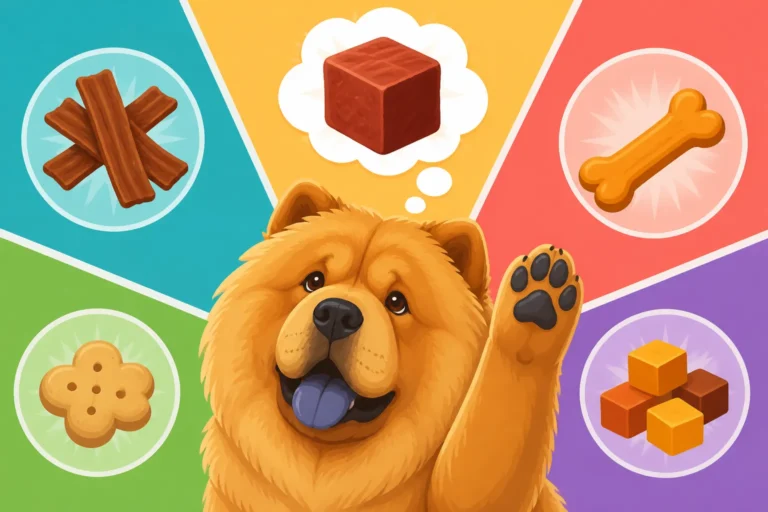
- High-Value Rewards: This is where you bring out the big guns! Forget kibble; think cooked chicken, cheese, or specialized training treats they absolutely adore. You want them to think, "Oh, this touch means I get that amazing thing!" To find out what truly motivates them, check out Which Treat a Chow Chow Will Work Hardest For.
- Short, Positive Sessions: Keep these training sessions very short, perhaps just a minute or two, and always end on a positive note before your Chow Chow shows any signs of discomfort. You want them looking forward to the next session, not dreading it.
- Use a Safe, Elevated Surface: For some Chows, particularly during grooming, a sturdy grooming table can make a world of difference. It puts them at your eye level, can give them a sense of structure, and prevents them from easily backing away. You can find many options for grooming tables on platforms like Amazon.
Remember, you’re not just trying to touch their rear; you’re changing their emotional response to it.
Desensitization and Counter-Conditioning Techniques
These are professional-grade terms for what you'll be doing, and they're incredibly effective.
- Desensitization: This means gradually exposing your Chow Chow to the trigger (the touch on the rear) at such a low intensity that they don't react negatively. You slowly increase the intensity (e.g., duration of touch, firmness of touch) over many sessions, always ensuring they remain calm and comfortable. If they show any stress, you’ve gone too far, too fast; revert to an easier step.
- Counter-Conditioning: This involves changing your Chow Chow's emotional response by pairing the uncomfortable stimulus (the touch) with something highly positive (the high-value treat). Over time, they begin to associate the touch not with discomfort, but with the joy of getting a delicious reward. For instance, touch the rear, immediately give a treat. Repeat hundreds of times. Eventually, the touch itself predicts the treat, changing their emotional state.
These techniques are best implemented in quiet, distraction-free environments. You might also find it helpful to teach them a specific position, like lying on their side, which can make accessing their rear easier and more predictable for them. Teaching a Chow Chow to Lie on Its Side provides guidance on this.
Seeking Professional Guidance
If your Chow Chow's aversion to being touched on the rear is severe, if they've displayed aggressive tendencies (growling, snapping, biting), or if you suspect there’s underlying pain, professional help is absolutely essential.
- Veterinary Check-up: As discussed, pain is a primary driver of defensive behavior. A thorough examination by your veterinarian is crucial to rule out any medical conditions – from hidden skin infections to orthopedic issues or anal gland problems. They might suggest bloodwork, X-rays, or even refer you to a veterinary specialist if they suspect a complex issue. Sometimes, a Chow Chow might need sedation just for a proper examination, which is a common challenge for the breed. Why a Chow Chow Is Hard to Examine at the Vet and Whether a Chow Chow Needs Sedation for a Checkup elaborate on this.
- Certified Professional Dog Trainer: A certified positive reinforcement trainer or a veterinary behaviorist can provide invaluable guidance. They can assess your Chow Chow's specific body language, identify triggers, and develop a tailored desensitization and counter-conditioning program. They can also teach you safe handling techniques and help you understand subtle signs of discomfort you might be missing. Look for trainers who specialize in fear-free methods and have experience with independent or challenging breeds. Programs like those from BAXTER & Bella often have resources or referrals for such professionals.
Dealing with a Chow Chow's sensitivity about their rear end is a journey of understanding, patience, and consistent positive reinforcement. By addressing both potential physical discomfort and their unique temperament through thoughtful training, you can build a stronger bond and ensure your Chow Chow feels safe and comfortable in their own skin.
Disclaimer
This article is for general informational purposes only and does not constitute professional advice. Laws, prices and regulations vary by location and change over time. Consult a qualified professional for guidance on your specific situation.