Whether Chow Chow Fur Sticks to Clothing
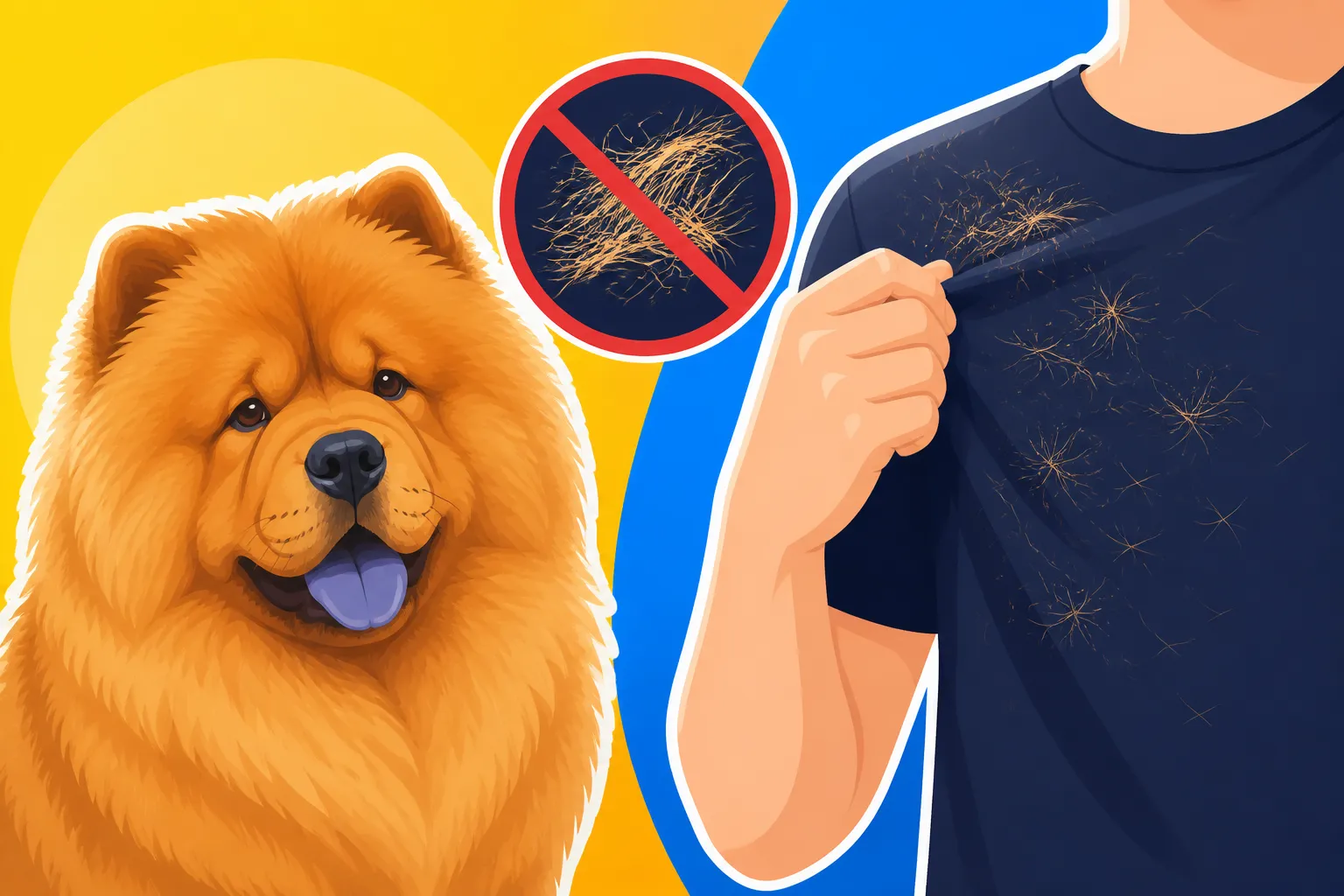
Anyone who shares their home with a magnificent Chow Chow knows the familiar struggle: you walk out the door, glance down, and realize your outfit has become an impromptu fur coat. It’s a battle against the fluffy, dense undercoat that seems to defy gravity and cling to every fabric imaginable, leaving you wondering if you'll ever truly be lint-roll-free. This guide is here to commiserate and, more importantly, equip you with the knowledge and strategies to tackle the inevitable Chow Chow fur invasion on your clothes.
The Inevitable Fur: Why Chow Chow Hair Clings to Everything
Let's be honest, living with a Chow Chow means living with fur. It's just part of the package, like their stoic personality and their impressive lion's mane. But why does their fur, in particular, seem to stick with such tenacity to our clothing? It's not just a matter of shedding; it's a combination of unique coat characteristics and simple physics that makes Chow Chow fur a formidable opponent for your laundry routine.
First, consider the Chow Chow's magnificent double coat. They have a harsh, straight outer coat that acts as a protective layer, but it's the incredibly dense, soft, and woolly undercoat that's the real culprit here. This undercoat is designed to keep them warm in harsh climates, but it also creates an abundance of fine hairs that break free and seek refuge on any available fabric. Imagine thousands of tiny, microscopic hooks latching onto the weaves of your sweaters, jeans, and even seemingly smooth surfaces. This texture makes it incredibly difficult for the fur to simply fall off; instead, it embeds itself, becoming one with your outfit.
Then there's the issue of static electricity. Especially in drier climates or during certain times of the year, static can turn your clothing into a magnet for pet hair. As your Chow Chow moves around, rubs against furniture, or even just shakes, their fur generates a static charge. This charge then actively pulls loose hairs from their coat and onto any oppositely charged surface – your pants, your couch, your car seats. It’s a silent, invisible force working against your efforts to keep things fur-free. You might brush your Chow Chow diligently, only to have a flurry of static-charged hair jump from their freshly groomed coat onto your perfectly clean shirt as you give them a goodbye pat. It’s enough to make you want to wear a hazmat suit just to walk through your own living room!
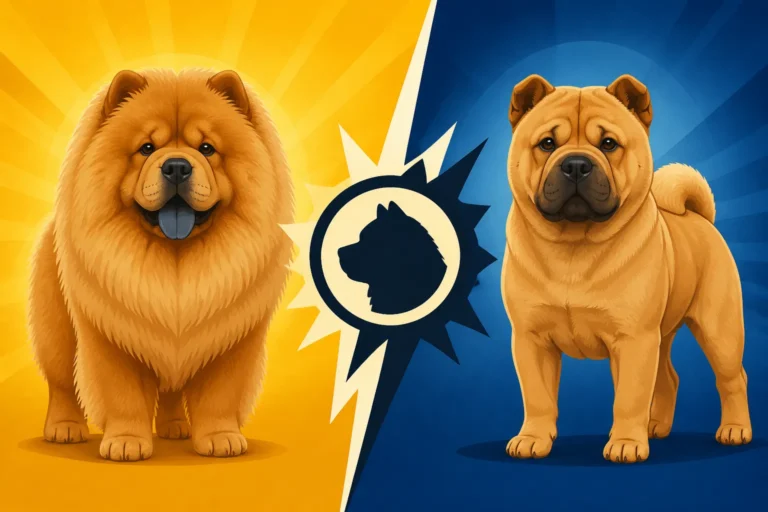
Finally, the sheer volume of fur produced by a Chow Chow, particularly a rough-coated one, simply increases the odds of it ending up on your clothes. Even a smooth-coated Chow Chow sheds a good amount, but the rough coat is a different beast entirely. Every interaction, every cuddle, every moment they spend near you is an opportunity for those abundant hairs to transfer. Their deep-set eyes and wrinkled faces might make them look perpetually adorable, but those wrinkles and that dense fur are constantly releasing tiny fibers that become an inescapable part of your home environment and, by extension, your wardrobe.
Understanding the Chow Chow Shedding Cycle
To truly understand why Chow Chow fur is a clothing magnet, you need to grasp their shedding patterns. It's not a constant, even shedding like some breeds; it's a dynamic, often dramatic, process that dictates the ebb and flow of fur in your home and on your clothes. Knowing these cycles can help you brace yourself and adjust your fur management strategies accordingly.
Chow Chows have a continuous, year-round shedding cycle, meaning there's always some loose fur making its way through their coat. This daily shedding contributes to the constant background level of fur you'll find on your furniture, floors, and, yes, your clothes. It’s typically manageable with regular brushing and vacuuming, but it’s enough to ensure that if you own a Chow Chow, you’ll likely own a lint roller too. This consistent shedding is just part of living with a double-coated breed, and it’s why a good undercoat rake is an essential tool in your grooming kit. You can read more about it here: How Much a Chow Chow Sheds.
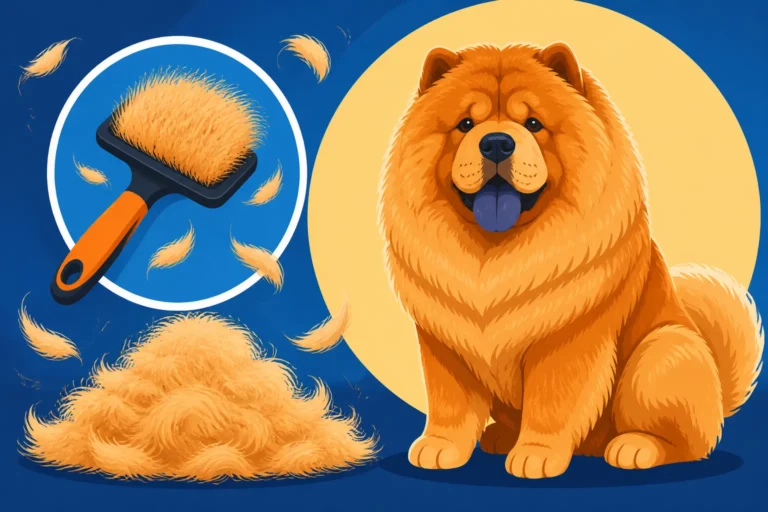
However, the real challenge comes with their seasonal "coat blows." These are periods, typically twice a year in spring and fall, when your Chow Chow sheds their entire undercoat to prepare for the changing seasons. The amount of fur released during a coat blow is astonishing and can honestly feel overwhelming. Imagine handfuls, even entire small bags, of soft, cottony undercoat coming off with every brush stroke. This process can last for weeks, turning your home into a furry wonderland if you’re not vigilant. During these times, keeping fur off your clothes becomes a Herculean task. A simple lean against your Chow Chow can result in a visible layer of fluff adhering to your outfit. It’s during these periods that you’ll fully appreciate the depths of their double coat. To understand these intense periods better, take a look at When a Chow Chow Blows Its Coat and How Long a Chow Chow's Coat Blow Lasts.
Even if you have a smooth-coated Chow Chow, don't think you're entirely exempt from the fur battle. While their outer coat is shorter and lacks the voluminous ruff of their rough-coated cousins, they still possess that dense undercoat. While the sheer volume might be slightly less, the properties of the fur – its fine texture and ability to cling – remain the same. This means you’ll still find those persistent hairs on your dark trousers or light sweaters, perhaps just in smaller quantities. Managing these shedding cycles effectively through consistent grooming is your best defense against having your wardrobe become a permanent tribute to your furry companion.
Strategies for Removing Chow Chow Fur from Clothing
So, the inevitable has happened: you're covered in Chow Chow fur. Don't despair! While complete eradication might be a lifelong quest, there are several effective strategies you can employ to remove that stubborn fur from your clothing and look presentable for your day. It often requires a multi-pronged approach and a commitment to consistency.
The classic tool for quick fur removal is, of course, the lint roller. These sticky wonders are fantastic for immediate touch-ups before you head out the door. Keep one by the door, in your car, and even in your desk drawer at work. While the traditional disposable rollers are effective, consider investing in reusable options, which often feature washable adhesive surfaces or electrostatic brushes. Brands widely available on Amazon offer a variety of options, from compact travel sizes to larger, more robust rollers for heavier duty jobs. While a lint roller is a must-have, it's not always enough for heavily furred items, as it mostly picks up surface hairs and might miss those deeply embedded ones.
For those more entrenched hairs, simple household items can be surprisingly effective. A damp rubber glove, like the kind you use for washing dishes, can work wonders. Simply put on the glove and sweep your hand across the fabric. The friction and slight dampness will create a static charge that helps gather the fur into clumps, which you can then easily pick off. A slightly damp sponge or cloth can achieve a similar effect, though gloves tend to be more efficient for larger areas like couch cushions before the fur transfers to your clothing. This method is particularly useful for items that can't easily go into a washing machine or dryer.
When it comes to laundry, there are a few tricks you can use. Before washing, give fur-covered items a good shake outdoors to dislodge as much loose hair as possible. You can also toss them in the dryer on a cool, no-heat cycle with a dryer sheet for about 10-15 minutes before washing. The tumbling action and static-reducing properties of the dryer sheet can help loosen and collect a significant amount of fur in the lint trap. After this pre-treatment, wash as usual, and consider adding a cup of white vinegar to the rinse cycle; it can help relax fabric fibers, allowing more fur to rinse away. For heavily furred items, a product like a dedicated pet hair laundry additive, found on sites like Chewy, can also be beneficial, as they're designed to help separate pet hair from fabric in the wash.
Finally, for clothing stored in closets or on hangers, using a good handheld vacuum with an upholstery attachment can be a game-changer. While this might seem excessive for a single shirt, it’s highly effective for removing large quantities of fur from items like winter coats or suits that aren’t frequently laundered. For your car, a critical area where fur loves to accumulate and transfer to clothes, a powerful car vacuum or even a dedicated upholstery brush can save your outfits from becoming a fur-lined disaster every commute.
| Method | Effectiveness (Chow Chow Fur) | Best For | Pros | Cons |
|---|---|---|---|---|
| Sticky Lint Roller | Moderate to High | Quick touch-ups, small areas | Portable, immediate results | Consumable, can be wasteful, not for heavy fur |
| Reusable Lint Brush | Moderate to High | Everyday use, various fabrics | Eco-friendly, effective on many fabrics | Needs frequent cleaning, can push fur deeper |
| Damp Rubber Glove | High | Large surfaces, upholstery | Excellent for collecting clumps | Can leave fabric damp, requires hand effort |
| Dryer Sheets | Moderate | During drying cycle | Reduces static, some fur removal | Not a primary removal method, strong scents |
| Vacuum with Upholstery Tool | High | Furniture, car seats, clothes (carefully) | Powerful, gathers large amounts of fur | Not ideal for delicate fabrics, bulky, noisy |
Proactive Measures to Minimize Fur on Your Wardrobe
The best offense is a good defense, and when it comes to Chow Chow fur on your clothing, proactive measures are far more effective than reactive cleaning. By implementing consistent routines and making strategic choices for your home, you can significantly reduce the amount of fur that ever makes it onto your precious outfits. It’s about creating a less hospitable environment for loose fur, right from the source.
The absolute cornerstone of fur control is diligent grooming. There’s no way around it: if you want less fur on your clothes, you need to get that fur off your Chow Chow before it detaches naturally. This means regular, thorough brushing, especially for rough-coated Chows. Invest in high-quality grooming tools like an undercoat rake and a slicker brush. These tools are designed to reach through the thick outer coat and pull out the loose, woolly undercoat that causes the most trouble. Aim for several dedicated brushing sessions a week, and during those notorious "coat blows," you might even need daily sessions. For detailed guidance, check out How to Line Brush a Chow Chow and Whether an Undercoat Rake Suits a Chow Chow. You'll be amazed at the sheer volume of fur you can remove in a single session, all of which would otherwise end up on your floors, furniture, and eventually, your clothes.
Professional grooming can also be a lifesaver, particularly during shedding seasons. Many groomers offer de-shedding treatments that use specialized shampoos, conditioners, and high-velocity dryers to loosen and blow out vast quantities of undercoat. This can significantly reduce the amount of fur your Chow Chow sheds at home for weeks afterward. Remember, when you give your Chow Chow a bath at home, it's crucial to dry them thoroughly, all the way down to the skin, to prevent skin issues and also to ensure any loose fur is dislodged and not left to mat. A high-velocity dryer, while an investment, can truly help How to Get a Chow Chow Through a Coat Blow Faster.
Beyond grooming your Chow Chow, managing your home environment is crucial. Designate specific, washable blankets or throws for areas where your Chow Chow loves to lounge, like sofas or armchairs. These act as fur magnets, collecting the shedding hair before it settles into your upholstery or transfers to your clothes when you sit down. Regularly wash these covers to remove accumulated fur. Investing in a powerful vacuum cleaner designed for pet hair is also non-negotiable. Look for models with strong suction and good filtration to capture those fine Chow Chow hairs from carpets and hard floors. You can find excellent options on Amazon or specialized pet supply retailers like Chewy. Regularly vacuuming not only your floors but also your upholstered furniture helps keep the ambient fur level down.
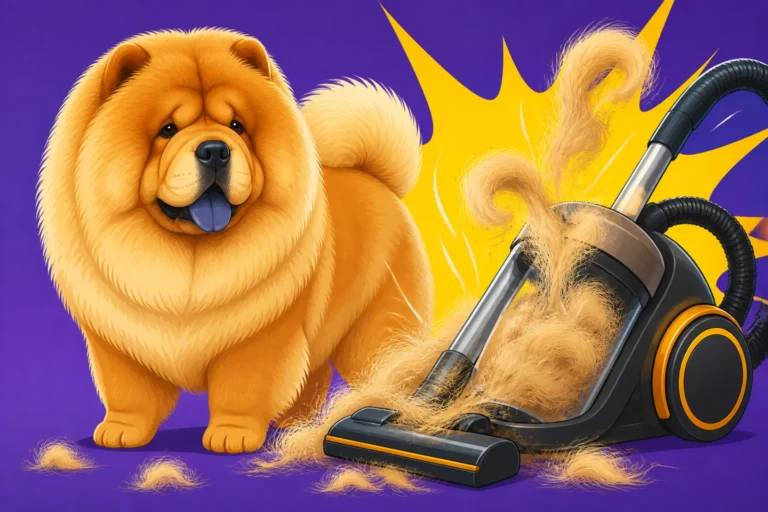
Finally, think about your wardrobe itself. While you can't always choose your fabrics, you can be mindful. Fabrics like silk, satin, and certain synthetics tend to repel fur better than wool, fleece, or corduroy, which act like velcro for pet hair. Consider having a "Chow Chow wardrobe" – a set of comfortable clothes you wear around the house when interacting with your dog, saving your nicer outfits for when you're heading out. Store your clean, fur-free clothes in closed closets or garment bags to protect them from airborne fur. And if you're ever wondering if your diligent cleaning is making a difference, just consider What Chow Chow Fur Does to a Vacuum – it's a constant battle, but a manageable one with the right strategies.
Disclaimer
This article is for general informational purposes only and does not constitute professional advice. Laws, prices and regulations vary by location and change over time. Consult a qualified professional for guidance on your specific situation.