Whether a Chow Chow Accepts a New Partner
It's a truly nerve-wracking situation when you’ve built a strong, loving bond with your Chow Chow, only to find yourself bringing a new romantic partner into the home. Chows are famously devoted to their chosen person, and the thought of disrupting that sacred connection, or worse, having your beloved dog reject someone you care deeply about, can cause a lot of anxiety. This guide is here to walk you through understanding your Chow Chow's unique personality and provide actionable steps to help them accept, and even welcome, a new partner into your shared life.
Understanding the Chow Chow's Loyal Nature
Chow Chows are a breed unlike many others, often described as cat-like in their independence and profound loyalty to a select few. When we talk about whether a Chow Chow accepts a new partner, we're really talking about navigating this deeply ingrained characteristic. They aren't typically the type to enthusiastically greet every stranger with a wagging tail. Their affection is earned, not given freely, and once given, it's often intensely focused on one primary person. This isn't to say they can't love or tolerate others in the family, but that initial bond is paramount.
The "One-Person" Dog Phenomenon
Many Chow Chow owners will tell you their dog is a "one-person dog," and there's a lot of truth to that. This doesn't mean they'll actively dislike everyone else, but rather that their deepest bond, their ultimate allegiance, is usually reserved for a single individual. This primary person is often the one who handles most of their daily care, training, and consistent interaction. For a new partner coming into the picture, this can feel like an uphill battle. Your Chow Chow has likely chosen you as their special human, and they see your home and your attention as belonging primarily to you and, by extension, them. It's a possessiveness born of deep affection and a breed tendency towards guarding. Understanding How a Chow Chow Chooses Its Person can shed more light on this dynamic.
This isn't a flaw in their character; it's simply how they are wired. Their aloofness with strangers and even other family members isn't personal; it's a part of their heritage as an ancient, protective breed. How Aloof a Chow Chow Really Is often surprises new owners, but it’s a trait to be respected and understood, not forced. Expecting your Chow Chow to immediately transfer their affection or even accept a new partner with open paws is setting everyone up for disappointment. Instead, focus on building a respectful, gradual relationship based on trust and positive experiences.
Why a New Presence Can Be Challenging
Imagine, from your Chow's perspective, their world is perfectly balanced. They have their routines, their space, and most importantly, your undivided attention and protection. Then, suddenly, a new human enters this carefully constructed universe. This new person smells different, moves differently, and, most alarmingly, starts taking up your time and space. A Chow Chow, with its protective instincts, might see this newcomer as an intruder or, at the very least, a disruption to their established order.
This can manifest in various ways, from subtle body language cues like stiffening or turning away, to more overt signs of discomfort such as growling or even snapping. It's crucial to recognize Signs a Chow Chow Is Uncomfortable and respect their boundaries. Their deep-set eyes and dense coat can make reading their subtle signals difficult, but paying close attention to their posture, ears, and tail (even if the tail is curled tightly over their back) is vital. They might not give much warning, which makes careful management even more important. They aren't being "mean"; they are simply communicating their apprehension in the only way they know how.
Preparing Your Chow Chow for a New Partner
The key to a successful introduction is preparation, preparation, preparation. You can't just spring a new person on a Chow Chow and expect them to adapt instantly. Laying the groundwork well in advance can make all the difference, creating a more relaxed environment for everyone involved.
Gradual Exposure and Positive Associations
Before your new partner is a constant presence, start by introducing them slowly and in a controlled manner. This means short, supervised visits initially, rather than having them move in right away. Think of it like building a bridge, brick by brick, rather than expecting your Chow to leap across a chasm.
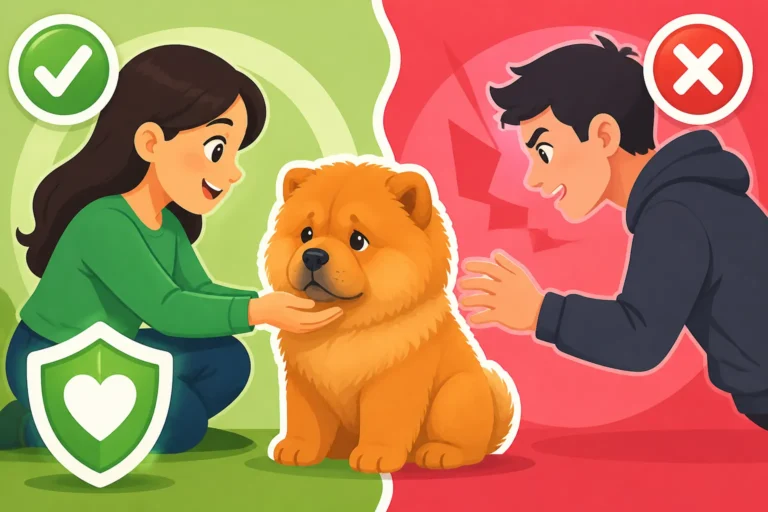
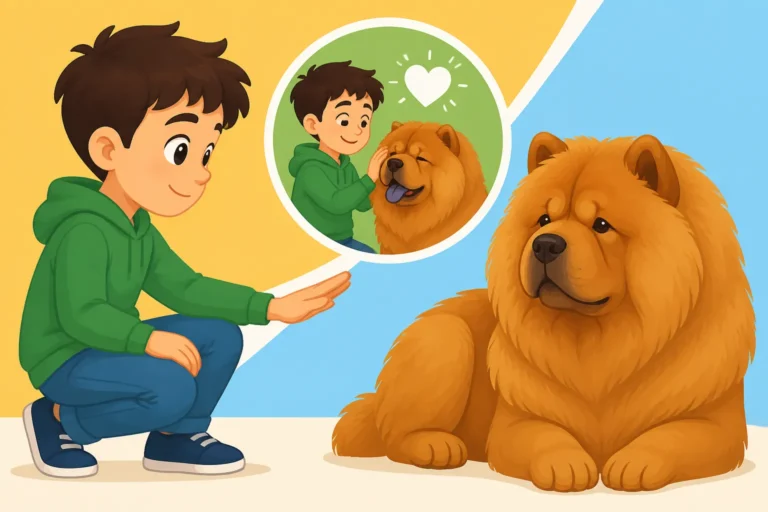
During these visits, ensure every interaction your Chow has with the new partner is positive. This means high-value treats (think boiled chicken, cheese, or hot dogs), calm praise, and no forced interactions. The new partner should be the source of all good things, without putting pressure on the Chow Chow. They should avoid direct eye contact initially and never try to pet or hug the Chow without an explicit invitation (which might never come). Let the Chow Chow approach them on their own terms. Even simply being in the same room while the new partner calmly talks to you and occasionally tosses a treat can be incredibly beneficial.
Consider utilizing online dog training resources like BAXTER & Bella. They offer programs that emphasize positive reinforcement and structured interactions, which can be invaluable for sensitive breeds like the Chow Chow. Their approach can help your new partner understand how to interact effectively and respectfully with your dog, making them a positive influence from the start.
Establishing New Routines and Boundaries
Before the new partner fully moves in, or even before longer visits, start establishing clear new routines. This can help your Chow adjust to changes in their daily life without feeling overwhelmed by too many new variables at once. For example, if your partner will be feeding your Chow, have them start doing so during their visits. If they'll be handling walks, gradually introduce them to that responsibility.
Crucially, define boundaries for everyone. Where can the Chow Chow go in the house, and where is it off-limits? Will the new partner have their own space that the Chow Chow isn't allowed to enter without supervision? This helps prevent resource guarding or territorial issues, especially if your Chow tends to be possessive over specific areas or items. Remember, What a Chow Chow Guards and Why can include everything from their food bowl to their favorite spot on the couch, and even their person. Clear boundaries help mitigate these natural tendencies.
Consider using baby gates or crates bought from places like Amazon to create safe, separate spaces. This allows your Chow Chow to retreat if they feel overwhelmed and provides a clear boundary for the new partner, preventing accidental invasions of the Chow’s personal space. This is especially important during those initial, delicate stages.
Making the First Impressions Positive
The initial meetings are paramount. How your Chow Chow perceives the new partner during these critical moments will set the tone for their future relationship. It's about careful management and creating a perception of safety and benevolence.
The Controlled Introduction
When the time comes for the first proper introduction or longer stay, it should be highly controlled. Ideally, this first meeting should happen in a neutral territory, like a quiet park, rather than immediately in the home. Have your partner and you arrive separately, allowing your Chow to calmly observe from a distance. You can then introduce them on loose leashes. During this, have your partner toss treats in the Chow's general direction, without attempting direct contact. Short, positive interactions are key.
- No Pressure: Absolutely no forced greetings. Let your Chow Chow investigate, or ignore, as they choose.
- High-Value Treats: Your partner should be a Pez dispenser of the absolute best treats your Chow loves. This builds strong positive associations.
- Calm Demeanor: Everyone needs to be calm and relaxed. Dogs pick up on human tension.
- Short and Sweet: Keep initial meetings brief to avoid overstimulation or stress.
| Successful Introduction Strategies | Common Mistakes to Avoid |
|---|---|
| Neutral territory introductions | Forcing greetings in your Chow's home territory |
| Partner offers high-value treats | Partner immediately tries to pet or hug the Chow |
| Short, positive sessions | Long, overwhelming visits |
| Clear boundaries for everyone | Allowing the partner to invade the Chow's space |
| Owner remains calm and confident | Owner anxious, creating dog anxiety |
| Partner ignores the Chow unless approached | Partner constantly seeks the Chow's attention |
Integrating the Partner into Care Routines
Once your Chow Chow is showing signs of tolerating the new partner's presence, begin to slowly integrate the partner into your Chow's care routines. This means the partner should take on some of the positive responsibilities that you usually handle. This isn't about giving up your role as the primary person, but about allowing the new partner to become a valued provider of good things.
- Feeding Time: Have your partner be the one to prepare and put down the food bowl. Stand nearby and supervise. This establishes them as a giver of resources.
- Walking: Start with short, calm walks where your partner holds the leash for part of the time, or walks alongside you. Always ensure the Chow is comfortable. For Chows, walks are less about speed and more about mental stimulation. How Far a Chow Chow Should Walk Daily is often less than you'd expect, making these controlled outings manageable.
- Playtime: If your Chow enjoys toys, have your partner initiate a calm game, always letting the Chow "win" and keeping it low-key.
- Grooming: This is a tougher one for Chows, as they often dislike being handled by anyone but their chosen person. Start with very gentle, brief brushing sessions where the partner offers a treat, touches the brush to the coat for a second, then offers another treat. Never force it. Teaching a Chow Chow to Be Brushed is a long-term project.
The goal is for your Chow Chow to associate the new partner with positive experiences, comfort, and the fulfillment of their needs. This subtle shift helps to build a new layer of trust and acceptance.
Building Trust and Acceptance Over Time
Remember, a Chow Chow's trust is built brick by brick, over months, sometimes even years. There are no shortcuts. Patience and consistency are your greatest allies.
The Power of Routine and Consistency
Chow Chows thrive on routine. Predictability makes them feel secure. As your new partner moves in or becomes a more permanent fixture, establish new, consistent routines that include them. This might mean the partner handles the morning potty break, or gives the evening chew toy. The more predictable and positive the interactions become, the more your Chow Chow will integrate them into their world.
Consistency in expectations is also critical. If your Chow is not allowed on the furniture, that rule must apply to your partner as well. If certain behaviors are not tolerated, everyone in the household needs to be on the same page. A Chow Chow needs clear, consistent leadership, and any perceived inconsistency can create anxiety or lead them to test boundaries. Investing in basic obedience training, perhaps through a program like BAXTER & Bella, can help establish a common language and expectations for everyone involved. A Chow Chow Trains by Agreement, Not Obedience, so this shared understanding is vital.
Respecting Their Space and Signals
Your Chow Chow will need ample personal space, especially in the beginning. This means no hovering, no sudden movements, and always giving them an escape route if they feel cornered or uncomfortable. Never allow children or other pets to invade their space, and ensure your partner also respects this boundary.
Learn to read your Chow Chow's subtle body language cues. A soft squint, a slight turn of the head, a lip lick, or a stiff posture can all indicate discomfort. If you see these signs, back off. Don't push them past their comfort level. Forcing interactions or ignoring their signals can erode trust and potentially lead to defensive aggression. Understanding Why a Chow Chow Snaps at Someone It Did Not See due to their deep-set eyes is also crucial, so always approach them from the front.
Your Role as the Bridge
You, as the primary person, are the bridge between your Chow Chow and your new partner. Your Chow trusts you implicitly, and your calm, confident demeanor will reassure them that this new person is not a threat.
- Advocate for Your Chow: If your partner is pushing too hard or misunderstanding a signal, step in and redirect the interaction. Protect your Chow's boundaries.
- Positive Reinforcement: When your Chow Chow shows even the slightest positive interaction with your partner, praise them calmly and offer a treat.
- Shared Activities: Engage in activities where all three of you are together, creating a shared "pack" experience. This could be a calm walk in a familiar place, or simply relaxing in the same room.
- Don't Change Your Relationship: Ensure you continue your special routines and one-on-one time with your Chow Chow. Don't let your dog feel replaced or ignored. This is critical for maintaining their trust in you and for preventing resentment towards your new partner.
It may take months, or even longer, for your Chow Chow to fully accept a new partner. True "acceptance" might not look like enthusiastic cuddles, but rather a quiet tolerance, a shared space without tension, and an understanding that the new partner is part of the established family unit. And honestly, for a Chow, that's a huge victory.
Troubleshooting and Ongoing Management
Even with the best preparation, there might be bumps in the road. Knowing how to address challenges is part of responsible Chow Chow ownership.
When Things Aren't Going Smoothly
If your Chow Chow is showing persistent aggression, fear, or anxiety towards your new partner, it's time to re-evaluate and seek professional help. This isn't a situation to ignore or hope it gets better on its own.
- Revert to Earlier Steps: If things escalate, take a step back. Reduce interaction, increase distance, and go back to very basic, positive associations.
- Separate Spaces: Ensure your Chow Chow has a safe, private space where they can be entirely alone from the new partner. This could be a room, a crate, or even a designated corner behind a barrier. Amazon offers a wide selection of robust dog crates and gates that can be very helpful for this.
- Seek Professional Guidance: A certified professional dog trainer or veterinary behaviorist experienced with challenging breeds like Chow Chows can provide tailored strategies. They can observe the interactions, help you read your dog's signals more accurately, and create a specific plan. This is not a failure on your part, but a responsible step to ensure everyone's safety and well-being. Sometimes, external help is essential for Whether a Chow Chow Needs a Professional Trainer Early or at any stage.
Long-Term Management and Expectations
Even after a period of acceptance, understand that your Chow Chow's fundamental personality will remain. They will likely always be primarily devoted to you. The new partner's role might be more akin to a trusted member of the extended family rather than a co-equal primary owner.
- Continued Respect for Boundaries: Even years down the line, continue to respect your Chow's space and preferences. Don't push for more affection than they are willing to give.
- No Roughhousing: Chow Chows aren't typically keen on rough play, especially with people they don't have a deep bond with. Keep interactions calm and predictable.
- Vigilance: Always supervise interactions, especially with guests or children. Chows are protective, and their patience can be finite.
- Acceptance is Success: For a Chow Chow, quiet tolerance and the ability to share space without conflict is a huge win. Celebrate these small victories, rather than expecting them to become a universally friendly Golden Retriever.
Bringing a new partner into a home with a Chow Chow is a journey that requires immense patience, understanding, and consistent effort. By respecting your Chow's unique nature, carefully managing introductions, and building trust through positive experiences, you can help them accept this new person into their world, creating a harmonious home for everyone.
Disclaimer
This article is for general informational purposes only and does not constitute professional advice. Laws, prices and regulations vary by location and change over time. Consult a qualified professional for guidance on your specific situation.