Whether a Rescue Chow Chow Comes With a Bite History
The thought of bringing a rescue Chow Chow into your home is often filled with a mix of excitement and understandable apprehension. One of the biggest fears new adopters face, particularly with a breed like the Chow Chow that can be reserved and protective, is whether their potential new family member comes with a "bite history." This concern is entirely valid and deeply rooted in a desire for safety and a successful, loving placement. This guide will walk you through the complexities of understanding bite histories in rescue Chow Chows, what rescue organizations do to assess and communicate this information, and how you can perform your due diligence to find the right companion for your household.
Understanding the "Bite History" Concern with Rescue Chow Chows
It’s completely natural to feel a knot of worry when considering a rescue dog, especially if their past is a mystery. For Chow Chows, this anxiety can be amplified due to their unique temperament and deep-seated protective instincts. Many people have heard stories or breed generalizations that can make them hesitant, even though individual dogs are, well, individuals.
Why This Concern is So Common
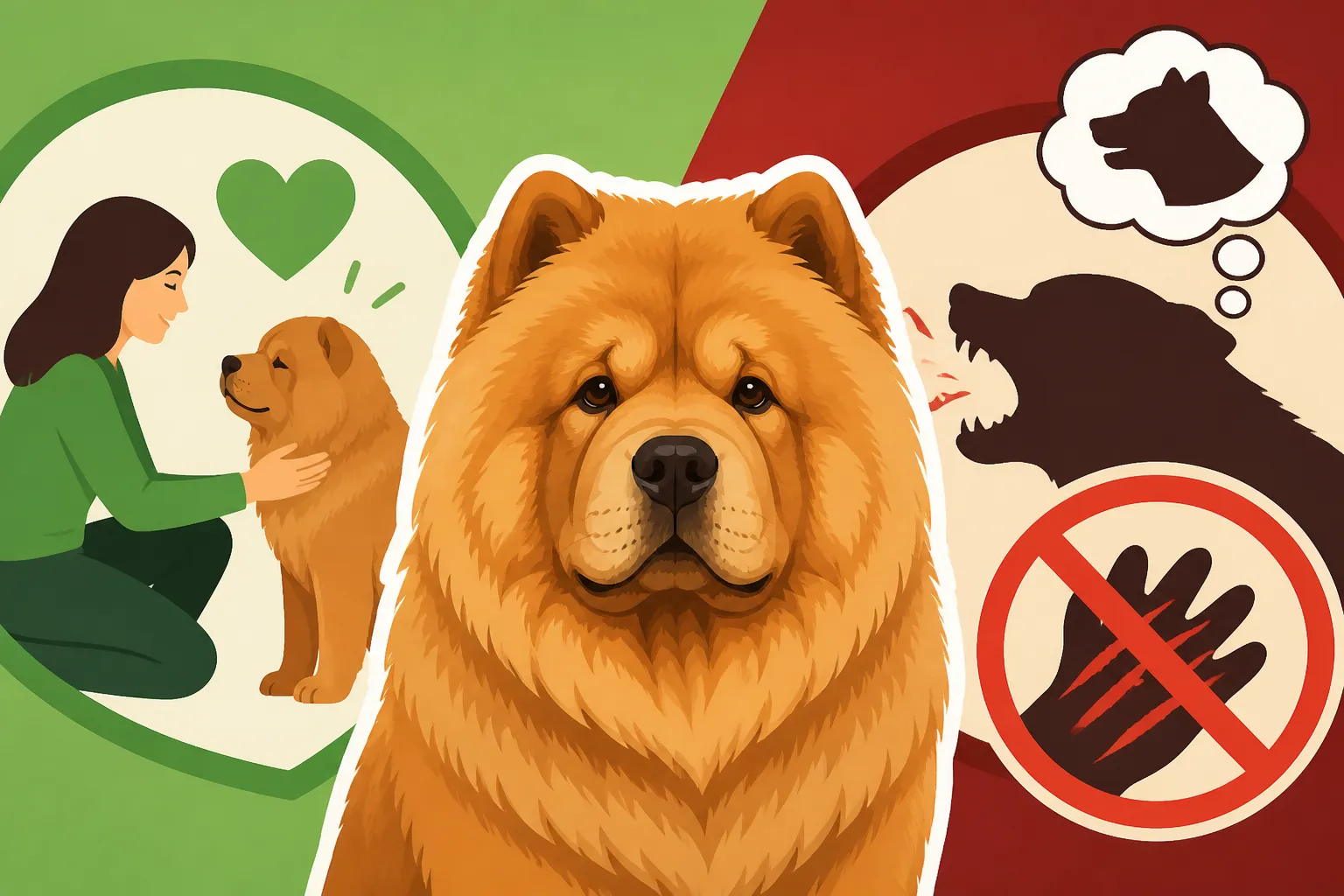
Let's be honest, the Chow Chow has a reputation. They are known for being aloof, dignified, and sometimes quite discerning about who they grant their affection to. While utterly devoted to their chosen person, they aren't always keen on strangers or unsolicited attention, and their body language can be subtle, leading to misunderstandings. This inherent reserve, coupled with their powerful build and dense coat that can obscure tension, means that any mention of a "bite" can trigger significant alarm. When you're looking at a rescue Chow Chow, you're often looking at a dog whose history isn't fully known, making it easy to imagine the worst. You might wonder if this beautiful creature has been misunderstood, or if there's a serious underlying issue that led them to the shelter in the first place. The fear is that you're taking on a problem you can't manage, potentially putting your family or others at risk.
The Reality of a Rescue Dog's Past
The term "bite history" can be a loaded one, and it's rarely as simple as a yes or no answer. In the chaotic world of rescue, information can be scarce or fragmented. A dog might come from a home where the previous owner was vague about why they were surrendering the animal, or perhaps they simply listed "aggressive tendencies" without context. Sometimes, a rescue organization takes in a stray, and there's absolutely no history available. What one person calls a "bite" might be a playful nip that was misinterpreted, a pain-induced snap from an injured dog, or a fear reaction from an overwhelmed or abused animal. It's crucial to remember that a dog's behavior is a complex tapestry woven from genetics, early experiences, training (or lack thereof), health, and current environment. A bite is a symptom, not a diagnosis, and understanding the context is paramount. Without this context, it's just a scary word, leaving you to fill in the blanks, often with worst-case scenarios.
How Rescue Organizations Assess and Communicate Bite History
Responsible rescue organizations understand your concerns, and they work incredibly hard to provide as much transparent information as possible. Their ultimate goal is to find forever homes where both the dog and the family thrive, and that means being honest about a dog's needs and challenges.
The Intake Process: Gathering Information
When a Chow Chow enters a rescue, the first step is always to gather as much information as possible. If the dog is an owner surrender, the rescue will conduct a detailed interview, asking about the dog's life, temperament, daily routine, interactions with people and other animals, and any incidents that may have occurred. They'll ask about past veterinary care (and ideally request records), food preferences, and observed behaviors. However, this information can be incomplete or biased. Owners might downplay incidents out of embarrassment or fear their dog won't be accepted, or they might not even realize certain behaviors are problematic. If the Chow Chow is a stray, the information is even more limited, often starting with observations from the field or shelter staff. This is why a rescue's subsequent assessment is so vital. You might find a rescue Chow Chow through a national database that then connects you to a local foster, like those found through Petfinder or Adoptapet. These platforms, while great for connecting, rely heavily on the individual rescue's diligence.
Transparency and Disclosure from Rescues
A reputable rescue organization will always be upfront about any known behavioral issues, including a bite history. They understand that holding back information only sets up a dog for failure and a family for heartbreak. They should clearly communicate what they know, what they don't know, and what behaviors they've observed during their care. This might be shared verbally during initial conversations, in the dog's online profile, or in adoption paperwork. If a rescue is evasive or minimizes a known incident, that's a significant red flag. You should feel empowered to ask direct questions and expect honest answers. Remember, a rescue's transparency is a sign of their commitment to the dog's well-being and a successful placement, not an admission of a "bad" dog. They're telling you what you need to know to make an informed decision.
Behavioral Evaluations: What They Look For
Once a Chow Chow is in the rescue's care, they undergo various behavioral assessments. These evaluations aren't about labeling a dog "good" or "bad"; they're about understanding their temperament, triggers, and needs. This process might involve:
- Observing reactions to different people: How does the Chow Chow react to strangers, men, women, children (if appropriate and safe)? Do they approach calmly, retreat, bark, or show signs of discomfort like lip licking, yawning, or turning their head away?
- Resource Guarding Tests: Are they protective of their food bowl, toys, or resting spots? This is a common and manageable issue in many breeds, including Chow Chows, and is not necessarily an indicator of overall aggression, but needs to be understood. What a Chow Chow Guards and Why
- Interactions with other dogs: How do they respond to other canines, both on and off-leash? Are they playful, dominant, fearful, or indifferent?
- Handling assessments: How do they react to being touched in various places (paws, ears, tail, muzzle), brushed, or examined, mimicking vet visits or grooming sessions? This is especially important for a Chow Chow, who might be sensitive about handling. Why a Chow Chow Is Hard to Examine at the Vet
- Response to environmental stimuli: How do they react to loud noises, sudden movements, or novel objects?
These evaluations are usually conducted by experienced staff or certified professional dog trainers. They provide invaluable insight into a Chow Chow's personality and potential challenges. For instance, if a Chow Chow consistently snaps when approached from behind, it could indicate a vision issue related to their deep-set eyes, which is different from intentional aggression. Why a Chow Chow Snaps at Someone It Did Not See
Interpreting "Bite History" and What It Means for Adoption
When a rescue discloses a bite history, it's not the end of the conversation. It's the beginning of a deeper inquiry into the context and implications. The details matter, perhaps more than the simple existence of an incident.
Differentiating Types of Bites
Not all bites are created equal. Dog behaviorists often classify bites by severity and context. A "level 1" bite might be an air snap or a growl with no physical contact, a warning. A "level 2" involves skin contact but no puncture, like a bruise or a scrape. Higher levels involve punctures and multiple bites, indicating a more serious problem.
For a Chow Chow, their natural reserve means they might give fewer overt warnings before reacting if they feel threatened or overwhelmed. Why a Chow Chow Gives Little Warning It's not usually out of malice, but often fear or a deeply ingrained need to protect themselves or their space. Common types of bites you might encounter in a rescue's history include:
- Fear Bites: The dog was cornered, startled, or felt threatened and lashed out because they perceived no other option for escape. This can happen with loud noises, sudden movements, or unwanted petting.
- Pain-Induced Bites: A dog in pain might snap if touched on an injured area. Older Chow Chows with arthritis, for example, might react if a child or an unknowing adult grabs a sore limb.
- Resource Guarding Bites: The dog protects a valued item (food, toys, a bed, or even a person) from perceived threats. This is a very common canine behavior that can be managed with training.
- Redirected Aggression: The dog is agitated by something (e.g., another dog behind a fence) but cannot reach the trigger, so they redirect their frustration onto whatever is closest, like a person or another dog in the household.
- Play Bites/Nips: Especially in puppies or undersocialized young adults, dogs might not have learned bite inhibition and could nip too hard during play. While not aggressive, it can be painful and needs training.
Understanding these distinctions helps you assess the risk and the potential for rehabilitation or management.
Context is King: Understanding the Circumstances
A bite incident, in isolation, tells you very little. To truly understand a rescue Chow Chow's history, you need to dig into the context. Imagine being told a Chow Chow "bit a child." Your mind probably jumps to the worst conclusion. But what if the context was: a child climbed into the Chow Chow's crate while it was sleeping, startling it awake and causing a snap? Or, the Chow Chow had a painful ear infection and reacted when a child pulled its ear?
Key questions to ask the rescue about any reported incident:
- When and where did it happen? Was it in the dog's known territory or an unfamiliar place?
- Who was involved? An adult, a child, another animal? Was the person known to the dog?
- What was happening immediately before the bite? Was the dog eating, sleeping, playing, being handled, or approached?
- What was the dog's body language leading up to the incident? Did they growl, stiffen, stare, try to move away? Signs a Chow Chow Is Uncomfortable
- What was the severity of the bite? Was it an air snap, a bruise, a puncture?
- What was done after the incident? Was the dog removed from the situation, was there a vet visit, was training initiated?
The rescue should be able to provide these details if they have them. If the incident was a one-off fear reaction to a specific trigger, it's a very different scenario from a dog that consistently escalates aggression without clear triggers or warnings.
Managing a Chow Chow with a Known Bite History
If you decide to move forward with a Chow Chow that has a known bite history, be prepared for a dedicated journey. This isn't a task for the faint of heart, but with the right approach, many such dogs can become wonderful companions.
First, professional guidance is non-negotiable. You'll want to engage a certified professional dog trainer or a veterinary behaviorist who specializes in positive reinforcement and force-free methods. They can help you understand your specific Chow Chow's triggers, develop a management plan, and guide you through behavior modification. Mentioning this need during your initial talks with the rescue can even lead to recommendations for local trainers. Whether a Chow Chow Needs a Professional Trainer Early
Second, environmental management is crucial. This means creating a home environment where the Chow Chow feels safe and secure, and where known triggers can be avoided or minimized. This might involve:
- Controlled introductions: Carefully manage all interactions with new people or animals.
- Safe spaces: Provide a quiet, private area where your Chow Chow can retreat without disturbance. This could be a crate, a separate room, or a designated bed.
- Leash management: Always use a secure leash and harness, especially in public. For some, a muzzle might be a temporary or permanent tool if directed by a professional.
- Clear boundaries: Teach everyone in the household, especially children, how to interact safely and respectfully with the dog. How to Teach a Child to Approach a Chow Chow
Finally, health and nutrition play a role. An underlying medical condition can cause pain or discomfort, leading to behavioral changes. Ensure your Chow Chow has a thorough vet check-up. A well-balanced diet, perhaps from a brand like Ollie, can contribute to overall well-being, and some dogs do better on specialized diets. Consider pet insurance from providers like Healthy Paws; while it might not cover pre-existing behavioral issues or bites that occurred prior to coverage, it can be invaluable for future health concerns that might impact behavior.
Due Diligence for Potential Adopters
Adopting any dog is a significant commitment, but adopting a rescue Chow Chow, especially one with a murky past or a known incident, requires an extra layer of diligence. Your proactive approach will be the foundation for a successful placement.
Questions to Ask the Rescue
Don't be shy about asking detailed questions. A good rescue will appreciate your thoroughness. Here's a table of crucial questions to ask:
| Category | Specific Questions |
|---|---|
| Bite Incidents | Can you describe any reported bite incidents in detail (who, what, when, where, why)? |
| What was the severity of the bite (e.g., did it break skin, require medical attention)? | |
| What were the circumstances leading up to the incident (e.g., guarding, fear, pain, startling)? | |
| Behavioral History | How does the Chow Chow interact with different people (men, women, children)? |
| How does the Chow Chow behave with other dogs or cats? | |
| What are their known triggers or sensitivities (e.g., loud noises, sudden movements, being touched on paws)? | |
| Have they shown signs of resource guarding, separation anxiety, or leash reactivity? | |
| Rescue Assessment | What observations have you made about their temperament in a foster home or shelter environment? |
| What behavioral evaluations have been conducted, and what were the results? | |
| What specific training or management strategies have you implemented, and how has the dog responded? | |
| Health | What is the Chow Chow's known health history, including any current medications or conditions? |
| What veterinary checks have they had, and can I see the records? | |
| Support | What kind of post-adoption support does your rescue offer (e.g., trainer recommendations, behavioral advice)? |
| What is your policy if the adoption doesn't work out? |
This isn't an exhaustive list, but it provides a strong starting point for an informed conversation.
Meeting the Chow Chow: What to Observe
Once you've spoken with the rescue, arrange a meet-and-greet, or ideally, several. This is your chance to observe the Chow Chow firsthand. Pay close attention to their body language. How to Read a Chow Chow's Face Are they relaxed, tense, curious, or avoidant?
- Approach slowly and calmly: Allow the dog to approach you, rather than you crowding them. Offer the back of your hand to sniff, then gently scratch under their chin or on their chest if they lean into it. Avoid direct eye contact or looming over them.
- Observe interactions: See how they interact with the rescue staff or foster parent. Do they seem comfortable and affectionate with them?
- Movement and Space: Watch how they move in their environment. Do they seem comfortable being walked on a leash? Do they have a "stilted gait" characteristic of the breed's straight rear legs?
- Take your time: Don't rush the interaction. A Chow Chow is not typically demonstrative; they may seem indifferent at first. Multiple visits, perhaps in different environments, can be very helpful.
- Bring your household: If applicable, introduce other family members one at a time, under controlled supervision. If you have another dog, a "neutral territory" meet-and-greet is often recommended.
Trust your gut. If something feels off, don't ignore it. It's better to be overly cautious than to bring a dog into a situation that isn't right for either of you.
Preparing Your Home and Family
Before you bring your rescue Chow Chow home, preparation is key. This isn't just about dog-proofing; it's about setting up a successful environment.
- Secure your home: Ensure your yard is securely fenced. Chow Chows can be surprisingly agile and have a strong wanderlust if they catch a scent.
- Establish a routine: Dogs thrive on routine. Plan out feeding times (Chewy offers many different food options, and you can even set up auto-ship), potty breaks, walks, and quiet times.
- Designate a safe space: Provide a crate or a specific room where your Chow Chow can retreat. This is especially important if they're coming from a potentially stressful environment.
- Gather supplies: Have all the essentials ready: a comfortable bed, food and water bowls, appropriate chew toys, a sturdy leash and collar/harness, and grooming tools. What an Undercoat Rake for a Chow Chow Costs
- Educate your family: Ensure everyone in your household understands how to interact with the Chow Chow, respecting their space and body language. Discuss rules about not disturbing them while eating or sleeping.
- Consider ongoing training: Even if there's no bite history, enrolling in a positive reinforcement training class can help strengthen your bond and build confidence for both you and your Chow Chow. This is an investment in their success and yours. What Puppy Socialization Classes Cost a Chow Chow Owner
Adopting a rescue Chow Chow can be an incredibly rewarding experience, filling your life with loyalty and unique companionship. While the concern about a bite history is real and warrants careful consideration, approaching the process with knowledge, patience, and a commitment to understanding your new companion will set you up for success.
Disclaimer
This article is for general informational purposes only and does not constitute professional advice. Laws, prices and regulations vary by location and change over time. Consult a qualified professional for guidance on your specific situation.