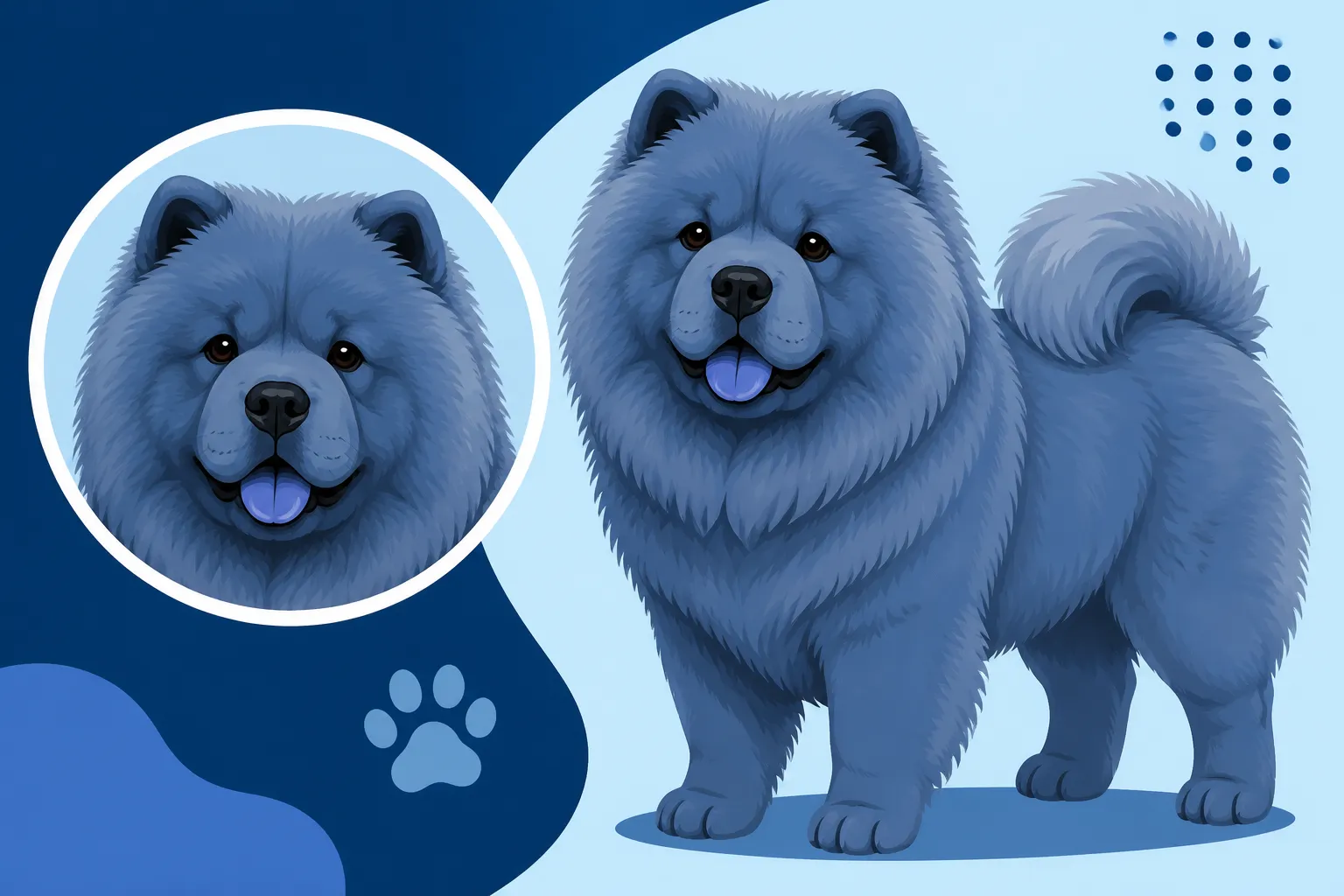
What a Blue Chow Chow Looks Like
A blue Chow Chow can look charcoal, slate, or softly silver-gray rather than bright blue, so the color is easy to mistake for faded black or an unusual mix. This guide explains what the shade looks like in real life, how it changes with coat and age, and what to check before deciding a dog’s color tells you anything about its health or ancestry.
What a blue Chow Chow looks like
The shade is gray, not vivid blue
“Blue” is a coat-color name, not a description of a dog that looks sky blue or has a blue cast like a painted object. A blue Chow Chow generally appears gray: the coat may be dark slate, charcoal, steel gray, or a softer silver-gray. The exact impression depends on the dog’s coat, lighting, and how much of the lighter undercoat is showing.
In bright outdoor light, a blue coat may look silvery or cool gray. Indoors, or when the coat is thick and well shaded, it can look much darker—sometimes close to black. That shift can make owners wonder whether they have the color right. Looking at the dog in a few kinds of light helps, but color alone is not a reliable way to identify a Chow Chow’s pedigree.
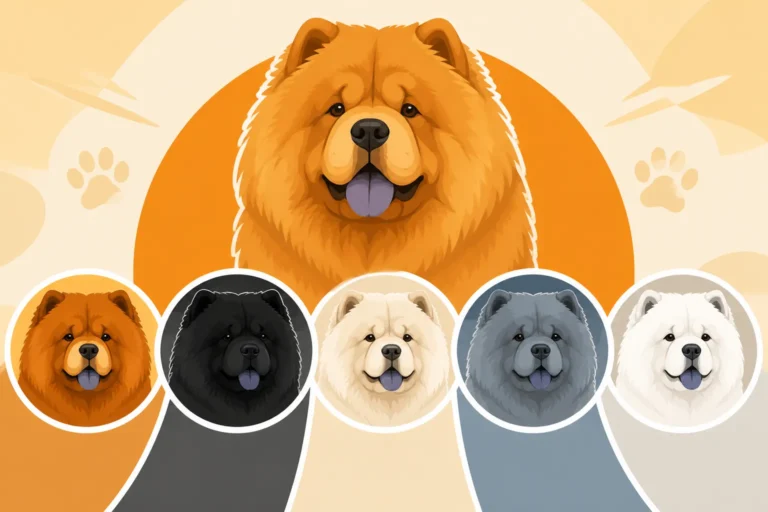
Blue is one of the five recognized Chow Chow colors, alongside red, black, cinnamon, and cream. The breed’s accepted colors are described in Five Colors and Nothing Else: the Chow Chow Palette. If you are comparing shades across the breed, Which Colors a Chow Chow Comes In offers useful context for how blue differs from the other options.
Coat type changes the visual effect
Chow Chows have rough and smooth coat varieties. A rough-coated dog has a longer, fuller coat, often with a prominent ruff around the neck and feathering on the legs and tail. That length creates more variation in how the color appears: the tips may look darker while the undercoat can seem paler, especially when the coat is parting or shedding.
A smooth-coated Chow Chow has a shorter, dense coat that lies closer to the body. Its color can appear more even because there is less long feathering to catch the light, although the undercoat still affects the overall look. Both varieties can be blue; a blue coat does not indicate a separate type of Chow Chow. For more on how the coat itself is structured, see What a Chow Chow's Double Coat Is Made Of.
It is normal for the same dog to look different after brushing, bathing, or a seasonal coat change. A blue Chow Chow with loose undercoat may look lighter and less uniform than it does once the coat is settled. That does not necessarily mean the coat color has changed; sometimes you are simply seeing a different mix of coat layers.
Face, nose, and eyes add to the impression
A blue Chow Chow’s face may have a gray or slate cast that blends with the coat. The nose and other exposed skin can also have pigmentation that looks darker or more gray-toned than the pigmentation on some dogs of other colors. These details contribute to the dog’s overall appearance, but they do not always match the coat shade exactly.
The eyes are typically dark, and their contrast with a blue-gray coat can make the face look especially striking. A Chow Chow’s deep-set eyes and characteristic expression are part of the breed’s appearance, but they can also make eye changes harder for an owner to spot. Persistent squinting, discharge, redness, or apparent discomfort should not be dismissed as a feature of the dog’s color. A blue coat does not protect a Chow Chow from the eye conditions discussed in Why a Chow Chow's Deep Set Eye Causes Trouble.
Why a Chow Chow’s coat is called blue
Blue is a dilute form of black pigment
In dogs, “blue” commonly refers to a diluted form of black pigment. Instead of looking solid black, the coat appears gray or slate. This is why a blue Chow Chow can be mistaken for a black dog whose coat has faded, particularly if you see the dog only briefly or in dim light.
The word “dilute” describes the appearance of pigment; it does not mean the dog has been dyed, washed out, or mixed with another breed. Nor does a gray-looking Chow Chow automatically qualify as blue. Coat color can be difficult to judge from a single photograph, where lighting, camera settings, and shadows can all alter the shade. A breeder or experienced breed professional may be able to help interpret the dog’s color and documentation.
A blue coat is also different from a merle pattern. Merle typically involves irregular patches or mottling, while the blue Chow Chow is described by an overall coat color rather than a patchwork pattern. If a dog has unusual markings or a color that does not seem consistent across its body, avoid making assumptions from appearance alone.
A blue coat and a blue-black tongue are separate traits
Chow Chows are well known for their blue-black tongues, but that feature is not the reason the blue coat is called blue. The tongue and coat are different aspects of pigmentation. A Chow Chow can have a blue-black tongue whether its coat is blue, red, black, cinnamon, or cream.
The tongue is also not a stand-alone pedigree test. A dog with dark tongue pigmentation is not automatically a purebred Chow Chow, and a coat that appears gray does not establish ancestry either. If you are trying to confirm a dog’s breed background, rely on trustworthy records or appropriate professional guidance rather than one visual trait. The distinction is explored further in Whether a Blue Tongue Proves a Dog Is Part Chow Chow.
| Feature | What you may see on a blue Chow Chow | What it does not prove |
|---|---|---|
| Coat | Gray, slate, charcoal, or silver-gray | That the dog is a mix or has a health problem |
| Nose and exposed skin | Dark or slate-toned pigmentation | That the coat color is genetically confirmed |
| Tongue | Blue-black pigmentation, as in other Chow Chow colors | That the coat itself is blue |
| Appearance in photos | A shade that shifts with light and camera settings | That the dog’s color has changed permanently |
How a blue Chow Chow’s color can change in appearance
Puppy coats may not predict the adult shade perfectly
A Chow Chow puppy’s coat can look different as it grows. The puppy coat is replaced and develops into an adult coat, and that transition can make the color seem lighter, darker, or less even for a time. Coat length, texture, and the amount of undercoat also change, so the dog’s overall appearance may shift even when its underlying color category remains the same.
For example, a puppy that looks uniformly dark in a photograph may develop lighter-looking areas as its coat grows and separates into layers. Another puppy may seem pale while its coat is short, then look deeper in color as the adult coat fills in. These visual changes can be surprising if you expected the puppy to keep exactly the same shade from the day you brought it home.
A puppy’s color is best assessed with context: its age, coat type, parents, and breeder records all matter. If you are choosing a puppy, ask how the breeder describes the color and whether the description is recorded in the puppy’s documentation. The related topic Whether a Chow Chow's Color Changes as It Grows looks more closely at color changes through development.
Seasonal shedding can make the coat look uneven
Chow Chows shed undercoat, and the amount of loose hair can alter how a blue coat looks. When pale undercoat is exposed or the coat is coming out in clumps, the dog may appear patchy, dusty, or lighter than usual. A freshly brushed coat may look darker and smoother simply because loose hair has been removed and the outer coat lies differently.
A coat blow can also change the silhouette. The ruff, tail, and leg feathering may look less full while hair is shedding, making the color seem more obvious in some areas than others. If you notice a sudden change in coat texture, bald patches, itching, sores, or skin irritation, do not assume it is just seasonal shedding. The coat can hide skin problems, and a Chow Chow’s dense hair makes it worth parting the fur gently to check the skin.
Routine grooming helps you see the coat more clearly. A slicker brush and a comb suited to a dense double coat can help separate the hair without relying on appearance alone. If you are shopping for grooming tools, retailers such as Chewy carry different brush and comb styles; choose tools for the coat and your dog’s tolerance rather than buying based only on a product label. Chewy listings can also help you compare tool shapes, but a groomer familiar with double-coated breeds can offer practical guidance about what will work for your dog.
Sun, grooming, and photographs can fool the eye
A blue coat may look warmer or browner in sunlight, cooler in shade, or nearly black indoors. Strong reflections can make the tips appear silver, while shadows around the neck and legs can deepen the color. Phone cameras may also alter the image through automatic exposure and color correction, so an online photo is not a dependable way to confirm a shade.
Grooming changes the coat’s presentation, too. A clean, fully dry coat often looks more defined than a coat that is damp, dusty, or packed with loose undercoat. A bath does not turn a dog blue, and brushing does not change its genetic color; these routines simply affect how the hair catches and reflects light. For broader coat care, Rough or Smooth: the Two Chow Chow Coats and What Each Needs explains why grooming needs vary by coat type.
If you are tracking a change, compare photos taken in similar lighting and from similar angles. A picture beside a neutral background can be more useful than one taken under colored indoor lighting. Still, if the coat is changing alongside hair loss, inflammation, odor, or persistent scratching, focus on the skin and the dog’s comfort rather than trying to diagnose the issue by color.
Choosing and caring for a blue Chow Chow
Ask about color without letting color outrank health
A blue coat may be appealing, but coat color should not be the main reason to choose a Chow Chow puppy. Ask the breeder about the parents, health screening, temperament, and how the puppies are being raised. Responsible answers should go beyond claims about a rare-looking shade or attractive photographs.
Request clear information about the puppy’s registered color and any available records. If the puppy appears nearly black in person but is described as blue, ask the breeder to explain the distinction and show you how the parents’ colors are recorded. You can also compare the puppy with reputable breed information, including What a Chow Chow Breeder Should Have Tested, while keeping in mind that appearance alone cannot establish health or responsible breeding.
Be wary of anyone who treats a color label as a guarantee of quality, temperament, or health. The same is true of a seller who avoids questions about the parents or health testing but leans heavily on a puppy’s unusual appearance. If you are researching the background of a blue puppy, What a Blue Chow Chow Puppy Costs may help you understand the questions people ask about this color, but the most useful decision factors remain health, care, temperament, and breeder transparency.
Keep the coat healthy rather than trying to enhance its color
A blue Chow Chow does not need a special color-enhancing routine just because its coat is gray. Use grooming products intended for dogs, and choose them for coat condition and skin comfort rather than promises to intensify a particular shade. Regular brushing is especially helpful for checking for tangles and finding changes beneath the thick hair.
When choosing a brush or comb, consider the dog’s coat length and whether the tool reaches through the outer coat to the undercoat without scraping the skin. Chewy is one place owners may browse grooming supplies, but product descriptions cannot tell you whether a particular tool suits your individual dog. If the coat is badly matted, painful to brush, or damp close to the skin, ask a groomer or veterinarian for help instead of pulling at it.
Avoid shaving a Chow Chow simply to make its coat look neater or to change how the color reads. The double coat serves important functions, and clipping can affect how the coat grows back. If you are unsure whether your dog’s coat needs trimming or a different grooming approach, ask a professional who has experience with Chow Chows.
Look for changes in the dog, not just changes in shade
A shade that looks different from one season to another is not automatically a medical problem. The more important clues are changes in the skin, coat texture, behavior, or comfort. New bald areas, sores, excessive itching, or sudden widespread coat loss deserve attention regardless of whether the dog is blue, black, or another accepted color.
Blue Chow Chows need the same thoughtful care as other Chow Chows. Keep up with routine veterinary visits, grooming, and checks of the eyes, ears, skin, and mouth. Chewy may be useful when comparing everyday grooming supplies, but an online listing is not a substitute for veterinary advice if you see a concerning change.
Finally, remember that “blue” is a coat description—not a promise that every blue Chow Chow will have the same shade, the same coat texture, or the same appearance in every season. A dog can look charcoal in one room and silvery outdoors, yet still be the same blue Chow Chow.
Disclaimer
This article is for general informational purposes only and does not constitute professional advice. Laws, prices and regulations vary by location and change over time. Consult a qualified professional for guidance on your specific situation.