Whether Extra Calcium Harms a Chow Chow Puppy
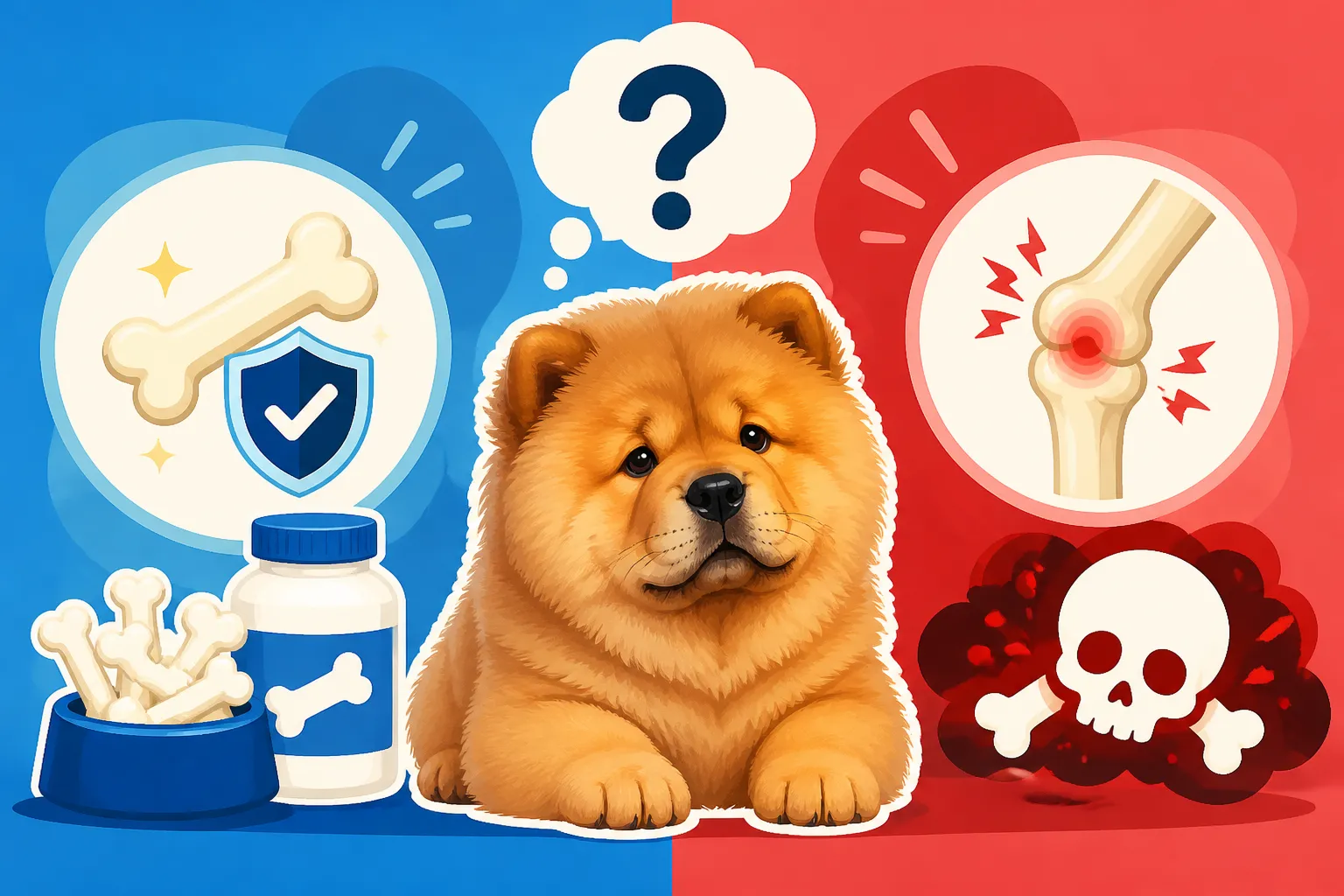
It’s a natural instinct for any devoted Chow Chow puppy parent: you want to give your little fluffball the very best start in life. When it comes to nutrition, especially bone health, it's easy to fall into the trap of thinking that more calcium must mean stronger bones and a healthier puppy. But for a growing Chow Chow, adding extra calcium can actually do more harm than good, setting the stage for serious orthopedic problems down the line. This guide will walk you through why a balanced diet is crucial and how to ensure your Chow Chow puppy gets exactly what they need, without inadvertently causing harm.
The Misconception of More Calcium for Growing Puppies
It feels intuitive, doesn't it? We're taught from a young age that calcium is the building block for strong bones. So, when you're looking at your adorable, fast-growing Chow Chow puppy, with their sturdy frame and dense coat, the thought might cross your mind: "Should I be adding more calcium to their diet to make sure those bones develop perfectly?" This isn't an unreasonable question, especially given the prevalence of joint issues in many larger breeds. However, what sounds logical for human adults doesn't always translate to the unique developmental needs of a growing canine, particularly a breed like the Chow Chow.
Why Owners Think More Calcium Is Better
The desire to prevent future health problems is a huge motivator for new puppy owners. Many of us have seen or heard stories about dogs suffering from joint pain or lameness, and the idea of giving a puppy a "boost" to avoid these issues is incredibly appealing. We often associate strong bones directly with calcium intake, assuming a linear relationship where more equals better. This general understanding, combined with the sheer love for our pets and the marketing of various supplements, can easily lead us down the path of thinking that adding extra calcium to an already complete diet is a smart, preventative measure. After all, if a little is good, a lot must be great, right? Unfortunately, for rapidly growing Chow Chows, this is a dangerous misconception that can have long-lasting negative consequences.
Sometimes, the concern comes from a well-meaning friend or even older, outdated advice. Generations ago, dietary science for dogs wasn't as advanced as it is today, and some remedies like adding milk or calcium powder were common. It’s hard to shake these ingrained beliefs, especially when you feel like you're trying to do everything you can for your furry family member. However, modern veterinary science and nutritional understanding have come a long way, revealing the subtle complexities of canine growth that we must respect.
The Unique Growth Needs of Large and Giant Breeds
Chow Chows, while often described as medium to large, possess a robust bone structure and mature at a slower rate than many smaller breeds. They aren't giant breeds like Great Danes, but their growth plates and skeletal development are still highly sensitive. Their bones don't just get longer; they remodel and strengthen, and this intricate process is precisely calibrated by their bodies. The growth phase for a Chow Chow puppy is a delicate balance, and disturbing that balance, especially with something as fundamental as calcium intake, can have profound effects.
Unlike smaller breeds that reach maturity quickly, a Chow Chow’s skeletal development can continue for a longer period. This extended growth phase makes them particularly vulnerable to nutritional imbalances. Their bodies are designed for a controlled, steady development of bone and cartilage, not a rapid acceleration. Think of it like building a house: you want the foundation and framework to be strong and laid correctly, not rushed with too much material that could lead to structural flaws. This controlled growth is key to ensuring their strong, sturdy joints develop properly, minimizing the risk of issues later in life. This is why specialized puppy food for larger breeds exists, designed to support this specific developmental timeline. Why a Chow Chow Puppy Needs Controlled Growth
How Excess Calcium Harms a Chow Chow Puppy's Bones
It seems counterintuitive, but overloading a growing Chow Chow puppy with calcium is not only unhelpful, it can be downright detrimental. When a puppy's body receives more calcium than it needs, particularly during critical growth periods, it tries to process and incorporate it, but this often leads to an imbalance in the delicate system that controls bone development. This isn't about making bones stronger; it's about disrupting the natural, finely tuned symphony of growth that evolution has perfected over millennia.
Disrupting Bone Development
The skeletal system of a Chow Chow puppy is a marvel of biological engineering, constantly growing and remodeling. Bones don't just expand; they go through a complex process involving cartilage formation, ossification (turning cartilage into bone), and continuous reshaping. This entire process is regulated by hormones and a precise balance of minerals, especially calcium and phosphorus. When you introduce excessive calcium, you throw this delicate balance into disarray. The body, trying to cope with the overload, may accelerate bone growth in certain areas, or, more commonly, interfere with the proper development of cartilage in the joints. This can lead to abnormally dense bone that isn't structured correctly, or, paradoxically, it can impair the calcification of cartilage, leaving it weaker and more prone to damage.
Imagine trying to sculpt something intricate, but being given too much clay. Instead of a refined, strong structure, you might end up with something bulky and misshapen. That's a simplified way to think about what happens when a puppy's skeleton is forced to deal with an excess of calcium. The growth plates, which are areas of cartilage at the end of long bones responsible for increasing bone length, are particularly vulnerable. Over-mineralization or abnormal ossification in these areas can lead to deformities and structural weaknesses, rather than the robust, healthy bones you're hoping for.
The Link to Orthopedic Diseases
This disruption in bone development is precisely why excess calcium is so strongly linked to an increased risk of orthopedic diseases in large and medium-sized breeds like the Chow Chow. Conditions such as hip dysplasia and elbow dysplasia, which are unfortunately common in the breed, are often exacerbated by rapid growth and nutritional imbalances, with excessive calcium being a key culprit. When the joint cartilage and bone don't form correctly, the joint mechanics are compromised, leading to instability, inflammation, and eventual degeneration. Elbow Dysplasia Ranks the Chow Chow Near the Top
For instance, in hip dysplasia, the ball and socket joint of the hip doesn't fit together perfectly. While genetics play a significant role, environmental factors like diet can dramatically influence the severity and onset of the disease. Excess calcium can contribute to abnormal cartilage development in the hip socket, or cause bone growth that doesn't articulate smoothly with the femoral head, leading to looseness and wear. Similarly, with elbow dysplasia, which is a complex condition involving multiple possible abnormalities in the elbow joint, imbalanced nutrition during rapid growth phases can worsen the problem. Hip Dysplasia in a Chow Chow This isn't just about pain; it can lead to lifelong lameness, arthritis, and a significantly reduced quality of life for your beloved Chow Chow. It underscores the importance of a carefully formulated diet over well-intentioned but misguided supplementation.
Recognizing the Right Calcium Balance in a Chow Chow Puppy's Diet
The good news is that ensuring your Chow Chow puppy gets the right amount of calcium isn't complicated. In fact, for most owners, it simply means choosing the correct commercial puppy food and sticking to it. Reputable dog food manufacturers spend a great deal of time and scientific effort formulating diets that meet the specific needs of different breeds and life stages, taking the guesswork out of nutritional balance for you.
Commercial Puppy Food Formulations
The best approach to calcium for your Chow Chow puppy is to rely on a high-quality, large-breed specific puppy food. These foods are meticulously formulated to provide the precise calcium-to-phosphorus ratio and an appropriate overall calcium level. This balance is critical because phosphorus also plays a vital role in bone health, and its ratio to calcium is just as important as the total calcium itself. Many excellent brands, like those found on Chewy or Amazon for fresh food options such as Ollie, formulate their recipes specifically for the controlled growth needed by larger breeds.
When you're looking at food bags, pay attention to the "Guaranteed Analysis" and look for statements confirming the food meets AAFCO (Association of American Feed Control Officials) nutritional adequacy standards for "growth of large size dogs." This designation indicates that the food has been tested or formulated to provide the appropriate nutrient levels, including calcium, for breeds that will weigh 70 pounds or more as adults. Typically, for large breed puppies, the calcium content on a dry matter basis should fall within a specific range, often around 1.2% to 1.5%, with a calcium-to-phosphorus ratio between 1.1:1 and 1.4:1. These seemingly small numbers are a big deal in preventing growth-related orthopedic problems. Whether a Chow Chow Puppy Needs Large Breed Food
Avoiding Supplements Unless Directed by a Vet
This is where many well-meaning owners can go wrong. If your Chow Chow puppy is eating a complete and balanced large-breed puppy food, there is absolutely no need to add calcium supplements. In fact, doing so is highly likely to disrupt the careful balance already present in their diet. Think of commercial dog food as a perfectly mixed cocktail of nutrients; adding an extra shot of one ingredient can throw the entire flavor profile (and in this case, the nutritional balance) off.
The only scenario in which you should ever consider adding a calcium supplement is if it has been explicitly recommended and prescribed by a veterinarian, usually a board-certified veterinary nutritionist, to address a very specific, diagnosed medical condition. These situations are rare and would involve precise dosing and ongoing monitoring. Without a clear medical directive, adding bone meal, calcium tablets, or human calcium supplements is risky and can lead directly to the orthopedic problems you're trying to avoid. Your vet can also advise on questions like What a Chow Chow's Yearly Bloodwork Should Cover if you have concerns about their mineral levels, but typically, dietary supplementation isn't the answer.
Practical Steps for Healthy Chow Chow Puppy Growth
Beyond just picking the right food, there are several practical steps you can take to ensure your Chow Chow puppy grows up healthy and strong, minimizing the risk of diet-related skeletal issues. It's a holistic approach that combines proper nutrition with appropriate exercise and regular veterinary oversight.
Choosing the Right Puppy Food
As mentioned, selecting a high-quality large-breed specific puppy food is paramount. Take the time to read labels and understand what you're feeding your Chow Chow. Look for brands that have undergone feeding trials rather than just formulation to AAFCO standards, as this provides an extra layer of assurance. Brands like Royal Canin, Purina Pro Plan, Hill's Science Diet, and even fresh food subscription services like Ollie (if carefully selected for large breed puppies and vet-approved) offer formulas specifically tailored for the growth of larger dogs.
Don't be tempted by general "all life stages" foods for your puppy, as these often contain higher calcium levels suitable for adult dogs, but not necessarily for the delicate growth of a large breed puppy. Consistency is also key; once you find a suitable food, stick with it. Frequent changes can upset your puppy's stomach and make it harder to monitor their growth and health accurately. Always transition foods slowly over 7-10 days to avoid digestive upset. This attention to detail will help support proper development for years to come, influencing things like The Age a Chow Chow Gets Arthritis or What Most Chow Chows Die Of.
Monitoring Weight and Growth Rate
It’s exciting to see your Chow Chow puppy grow into their majestic adult size, but slower, steady growth is healthier than rapid weight gain. Keeping your puppy lean is one of the most important things you can do to protect their developing joints. Overweight puppies put excessive stress on their growth plates and immature joints, increasing the risk of orthopedic issues, regardless of calcium intake. You should be able to easily feel your puppy's ribs without seeing them, and they should have a discernible waist when viewed from above.
Regular vet visits are crucial for monitoring growth. Your veterinarian can assess your puppy’s body condition score, track their weight against breed-specific growth curves, and advise on adjusting food portions as needed. Don't fall into the trap of overfeeding to achieve a "bigger" puppy; a healthy, lean puppy will grow into a robust adult. Discuss questions like How Many Cups a Day an Adult Chow Chow Eats with your vet to ensure you're feeding the right amount for their current growth stage and activity level.
| Myth About Puppy Calcium | Reality for Chow Chow Puppies |
|---|---|
| More calcium equals stronger bones. | Excess calcium can disrupt bone development, leading to structural flaws and orthopedic issues. |
| Calcium supplements are good for joint health. | Unless prescribed by a vet for a specific condition, supplements upset the delicate calcium-phosphorus balance in a complete diet. |
| All puppy foods are the same. | Large-breed puppy foods are specifically formulated for controlled growth, with lower calcium levels and optimal Ca:P ratios. |
| Making my puppy grow big and fast is healthy. | Slower, controlled growth is essential for proper joint and bone development, reducing the risk of dysplasia. |
| My adult dog's food is fine for my puppy. | Adult foods are not balanced for the specific growth needs of a puppy, especially regarding calcium and phosphorus. |
Balanced Exercise and Rest
While diet is a huge piece of the puzzle, appropriate exercise also plays a significant role in healthy skeletal development. A Chow Chow puppy needs exercise to build strong muscles that support their joints, but too much strenuous activity, especially on hard surfaces or involving excessive jumping and pounding, can be detrimental to their developing growth plates. Short, frequent walks on softer surfaces like grass are far better than long, intense jogs or uncontrolled play sessions that can lead to injury. Whether a Chow Chow Puppy Should Climb Stairs should be limited for young puppies to protect their hips and elbows.
Allowing ample rest is equally important. Puppies grow a lot when they sleep, and their bodies need that downtime to repair and develop. Provide a comfortable, safe space for your Chow Chow to nap and sleep undisturbed. Monitoring their activity levels, especially after playful sessions, can help you gauge if they are overdoing it. Signs of limping, stiffness, or reluctance to move should always warrant a call to your veterinarian, as these can be early indicators of trouble. Signs a Chow Chow Puppy's Elbows Hurt can be subtle, so observation is key.
In conclusion, the best way to ensure your Chow Chow puppy develops strong, healthy bones is to choose a high-quality, large-breed specific puppy food, avoid unsupervised supplementation, keep them lean, and provide appropriate, balanced exercise. Your commitment to these principles will lay the foundation for a lifetime of health and happiness for your beloved companion.
Disclaimer
This article is for general informational purposes only and does not constitute professional advice. Laws, prices and regulations vary by location and change over time. Consult a qualified professional for guidance on your specific situation.