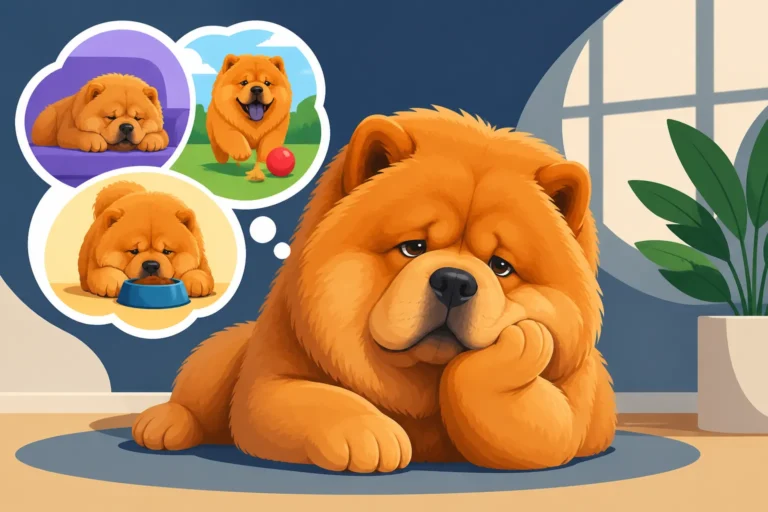
The Chow Chow Is One of the Easiest Breeds to Housetrain
One of the most common frustrations for new dog owners is the daunting task of housetraining, often leading to messes, stress, and damaged flooring. However, if you're bringing a Chow Chow into your home, you're in for a pleasant surprise in this particular area. This guide will walk you through why Chow Chows are often considered one of the easiest breeds to housetrain and how you can leverage their natural tendencies to achieve a clean and harmonious home with your fluffy companion.
Why Chow Chows Are Naturally Clean and Easy to Housetrain
It might sound too good to be true, but many Chow Chow owners will tell you that housetraining their pup was surprisingly straightforward compared to other breeds they've owned. There are several intrinsic qualities about the Chow Chow that contribute to this positive reputation, making the process smoother and often quicker than you might anticipate. Understanding these inherent traits is the first step in successful housetraining.
An Innate Sense of Cleanliness
Chow Chows, as a breed, tend to have a strong preference for cleanliness. They generally do not like to soil their living space, whether that's their crate, their bed, or the main areas of your home. This isn't just a convenient personality quirk; it’s often deeply ingrained. They would much rather hold it and go outside than make a mess where they sleep or play.
This inherent desire for a clean den is a massive advantage when you're starting the housetraining journey. Instead of fighting against a dog's natural inclination to relieve itself wherever it feels the urge, you're working with a dog that already wants to keep its immediate environment tidy. It simplifies teaching them where to go, rather than convincing them not to go indoors. This predisposition significantly reduces the number of "accidents" and helps solidify good habits quickly.
Strong Den Instinct and Crate Training Success
The Chow Chow's strong "den instinct" is another powerful ally in housetraining. Historically, dogs are den animals, and this instinct is particularly pronounced in Chows. They view their crate or a specific cozy, secure area as their personal den – a safe, clean space where they rest and feel protected.
When properly introduced, a crate becomes a crucial tool for housetraining a Chow Chow. Because they don't want to soil their den, they will naturally try to hold their bladder and bowels until they are let out. This teaches them bladder control and establishes a routine of going outside. For a deeper dive into the relationship between their instinct and crate training, you might find Whether a Chow Chow Will Soil Its Crate insightful. This natural aversion to soiling their sleep area is why most Chows take to crate training with relative ease, making it a cornerstone of efficient housetraining.
Independent Nature and Routine Adherence
Chow Chows are known for their independent and somewhat reserved nature. While this might present challenges in other areas of training, it can actually be beneficial for housetraining. They often appreciate routine and consistency, and once a pattern for potty breaks is established, they tend to stick to it. They aren't typically a breed that will 'forget' their training out of excitement or distraction as readily as some more boisterous dogs.
Their independence also means they often prefer to do their business alone, away from the hustle and bustle of family activity. This makes dedicated outdoor potty breaks appealing to them. Once they understand the routine – go outside, do business, come back in – they are quite capable of adhering to it, provided you are consistent in your expectations. This trait means that once the initial teaching phase is over, you’ll likely have a very reliable housetrained companion.
Preparing Your Home for Housetraining a Chow Chow Puppy
Even with a naturally clean breed like the Chow Chow, preparation is key. You wouldn't expect a toddler to learn potty training without a designated potty and consistent guidance, and the same goes for your new furry family member. Setting up your home correctly and having the right tools on hand will minimize stress for both you and your puppy and help accelerate the learning process.
Essential Supplies to Have on Hand
Before your Chow Chow puppy even steps paw into your home, gather the necessary supplies. A sturdy, appropriately-sized crate is at the top of this list. It should be large enough for your puppy to stand up, turn around, and lie down comfortably, but not so large that they can designate a "bathroom" corner. You can find a wide range of reliable crates and other puppy essentials on Amazon, from wire crates to soft-sided options.
Beyond the crate, consider puppy pads for emergencies or if you live in an apartment where immediate outdoor access isn't always possible, though the goal is always outdoor elimination. High-quality enzymatic cleaner is a must-have for accidents, as it eliminates odors that can attract a puppy back to the same spot. A comfortable, washable bed for the crate, engaging chew toys, and easily accessible water bowls will complete your setup. Don't forget a leash and collar for those frequent trips outside!
Designating a Potty Spot
Choosing a consistent outdoor potty spot is incredibly important. Dogs thrive on routine and predictability. If you take your Chow Chow to a different spot every time, it makes it harder for them to associate that specific action (peeing/pooping) with that specific location. Pick an area in your yard that's easily accessible and relatively quiet, away from high-traffic zones or play areas.
Make sure this spot is clean and clear of distractions. When you take your puppy out, always go to this spot. The consistency helps them understand that this is where the magic happens. Keep the area clean by regularly picking up waste, which further reinforces the idea that this is a designated "bathroom" area, not just another part of the yard. Consistency here will pay dividends in the long run.
Puppy-Proofing Your Home Environment
While Chow Chows are typically clean, accidents will happen, especially in the early stages. Puppy-proofing your home minimizes damage and stress when these incidents occur. Remove any valuable rugs or carpets that would be difficult to clean, or roll them up temporarily. Protect furniture with covers, and ensure any cleaning supplies or chemicals are out of reach.
Consider restricting your puppy's access to certain areas of the house initially, using baby gates or keeping doors closed. This not only makes supervision easier but also reduces the number of potential "accident zones." A smaller, more controlled environment helps your puppy understand the boundaries of their "den" (your home) versus the designated outdoor potty area. For more general advice on setting up your space, What a Crate for a Chow Chow Costs might offer some useful perspectives on initial investment.
The Housetraining Process: Step-by-Step
Now that your home is ready, it's time to dive into the actual training. The good news is that with a Chow Chow's natural tendencies and your diligent approach, you'll likely see progress quickly. The key is consistency, positive reinforcement, and a deep understanding of your puppy's needs.
Establishing a Consistent Schedule
Consistency is the single most important factor in housetraining a Chow Chow. Puppies have small bladders and bowels, and they need to go out frequently. Create a rigid schedule and stick to it religiously. This schedule should include:
- First thing in the morning: As soon as your puppy wakes up.
- After waking from naps: Every time they stir.
- After eating or drinking: Usually within 10-15 minutes for puppies.
- Before and after play sessions: Excitement can trigger the urge.
- Before bedtime: The last thing before settling down for the night.
- Every 1-2 hours for young puppies: Adjust as they grow.
Record these times if it helps. The goal is to take your puppy out before they have an accident, so they learn to associate going outside with relief. Over time, their bladder control will improve, and you can gradually extend the time between breaks. Remember that How Fast a Chow Chow Housetrains often depends on how strictly this schedule is maintained.
Crate Training as a Primary Tool
The crate is your best friend in housetraining a Chow Chow. Introduce it positively, making it a comfortable, safe haven. Never use the crate as punishment; it should always be a good place. Feed meals in the crate, offer special chew toys only available in the crate, and make it inviting with a soft bed.
When you can't actively supervise your puppy, they should be in their crate. This prevents accidents in the house and leverages their natural aversion to soiling their den. The moment you take them out of the crate, immediately carry them to their designated potty spot outside. This creates a direct link between leaving the clean den and relieving themselves outdoors. As they grow, they will be able to hold it longer, but always err on the side of too frequent breaks rather than too few. This technique is incredibly effective for a breed like the Chow Chow, which respects its den.
Positive Reinforcement and Rewards
Chow Chows respond best to positive reinforcement. When your puppy successfully eliminates outside, celebrate! Use enthusiastic praise, a happy voice, and a high-value treat. Make it a party. This helps them understand that going potty outside is a wonderful thing that earns them rewards. Avoid scolding or punishing for accidents indoors, as this can make a Chow Chow fearful or secretive, leading them to hide to relieve themselves, which is much harder to correct.
Instead, if you catch them in the act indoors, calmly interrupt them with a clap or a gentle "no," and immediately whisk them outside to their spot. If they finish outside, praise and reward. If not, bring them back in and try again in a few minutes. The key is to make the outdoor experience overwhelmingly positive. Consistent, positive reinforcement reinforces Why a Chow Chow Housetrains So Quickly.
Common Housetraining Challenges and Solutions
While Chow Chows are generally easy to housetrain, no dog is perfect, and you might encounter a few bumps in the road. Understanding common challenges and having strategies to overcome them will ensure your success and maintain your sanity throughout the process.
Accidents in the House
Accidents happen, even with the best intentions and the most diligent schedule. The most important thing is how you react. If you discover an accident after the fact, simply clean it up thoroughly with an enzymatic cleaner to eliminate the odor. Scolding your puppy for an old accident is ineffective because they won't connect your anger to something they did hours ago; it only teaches them to fear you.
If you catch your Chow Chow in the act, a calm interruption ("outside!") and immediate trip to the potty spot is the way to go. Consider if your schedule is too spread out – perhaps your puppy needs more frequent breaks. Have you been supervising closely enough? A moment of inattention can lead to an indoor puddle. Sometimes, owners don't realize that their Chow Chow's stoic nature might mean they don't give obvious "I need to go" signals, so sticking to the schedule is paramount.
Regression and Setbacks
Just when you think you've got it all figured out, your perfectly housetrained Chow Chow might have a sudden string of accidents. This regression can be frustrating, but it's often a normal part of development or a sign that something has changed. Common causes include:
- Growth spurts: As puppies grow, their needs change, and sometimes their bladder control can temporarily waver.
- Changes in routine: A new work schedule, a trip, or visitors can disrupt their established rhythm.
- Medical issues: A urinary tract infection (UTI) or other health problem can cause increased urination. Always consult your vet if regression is sudden and severe.
- Inconsistent owner behavior: Have you become lax with the schedule or supervision?
The solution is usually to go back to basics. Reimplement the strict schedule, increase supervision, and re-emphasize positive reinforcement for outdoor success. Treat them like a younger puppy again for a week or two, and slowly extend freedoms as they regain reliability. This period of "back to square one" is normal and often short-lived.
Submissive or Excitement Urination
Some puppies, particularly when very young, might urinate out of excitement (e.g., when you first come home) or submissiveness (e.g., when greeted by a loud person). While not strictly a housetraining failure, it can lead to indoor messes. Chow Chows are generally reserved, so extreme excitement urination might be less common, but submissive urination can occur if they feel intimidated.
To address excitement urination, keep greetings calm and low-key. Ignore your Chow Chow for a few minutes when you arrive home, let them settle, and then take them directly outside before initiating any excited play. For submissive urination, avoid towering over them, speaking in a loud voice, or making direct eye contact during initial greetings. Bend down, offer a hand for them to sniff, and use a soft, reassuring tone. Building confidence through positive experiences, such as those you might find with online programs like BAXTER & Bella, can help mitigate these issues by making your Chow Chow feel more secure.
Maintaining Good Housetraining Habits
Housetraining isn't a "one and done" deal; it's a foundation that needs consistent reinforcement throughout your Chow Chow's life. While their natural cleanliness helps immensely, maintaining those good habits requires ongoing attention, especially as they mature and their needs change.
Consistent Outdoor Access
Even after your Chow Chow is fully housetrained, consistent and appropriate outdoor access is vital. This means continuing a routine of regular potty breaks, especially after waking, eating, and before bed. Don't assume that just because they're adults, they can hold it indefinitely. While they can hold it longer than puppies, neglecting regular trips outside can lead to accidents or discomfort.
For Chow Chows with a fenced yard, allowing them access can be beneficial, but it's still good practice to accompany them sometimes to ensure they actually go and aren't just lounging. A fenced yard can be a great asset for easy access to a potty spot, and understanding What Fencing a Chow Chow Requires might be helpful if you're considering this. In the absence of a yard, consistent leash walks to their designated spot remain crucial. Remember that an adult Chow Chow still appreciates predictability and a clear opportunity to relieve themselves.
Recognizing Potty Signals
As your Chow Chow matures, you'll start to recognize their unique potty signals. While some dogs are very overt – barking, scratching at the door, pacing – a more stoic Chow Chow might have subtle cues. These could include:
- A sudden pause in play.
- Sniffing the ground intently near an exit.
- Walking towards the door.
- A change in demeanor, looking slightly anxious or restless.
- Circling or squatting.
Pay close attention to these signals. The moment you see them, act swiftly and take your Chow Chow outside. Rewarding them for communicating their needs, even subtly, reinforces that you understand and will facilitate their request. This builds trust and ensures fewer accidents as they learn that their signals are effective. Understanding their non-verbal cues is also important for general interactions, as covered in How to Read a Chow Chow's Face.
Adapting to Changes in Routine or Environment
Life happens, and routines change. Whether it's a new job, a vacation, a move to a new house, or simply an unexpected late night, your Chow Chow's housetraining might be temporarily challenged. During these times, it’s important to be proactive rather than reactive.
If you know a routine change is coming, try to gradually introduce new elements or revert to a more frequent potty schedule for a few days to preempt accidents. When traveling, ensure your Chow Chow has ample opportunities to relieve itself in new environments. Don't assume they'll automatically know where to go in a new place; treat them like a puppy for the first day or two, supervising closely and offering frequent breaks. Patience and understanding during transitions will prevent regressions and keep your Chow Chow reliable.
Housetraining Adult Chow Chows and Rescues
Bringing an adult Chow Chow or a rescue into your home presents a slightly different housetraining scenario. While many of the same principles apply, there are unique considerations, especially if their past history is unknown or if they've had inconsistent training.
Housetraining an Adult Chow Chow from a Breeder
If you're adopting an adult Chow Chow from a reputable breeder, they will likely already be housetrained. Breeders typically instill good habits from puppyhood. However, any dog, regardless of age or prior training, needs an adjustment period in a new home. Even the most perfectly trained Chow Chow might have an accident or two simply due to stress, unfamiliar surroundings, or a different schedule.
Treat the first few weeks as if you are housetraining a puppy, but with the expectation that progress will be much faster. Stick to a very consistent schedule, take them out frequently, and heavily reward outdoor success. Gradually extend the time between breaks as you learn their rhythms and they settle into their new environment. Within a short time, your adult Chow Chow should confidently resume their housetraining habits.
Addressing Unknown History in Rescue Chows
Rescue Chow Chows often come with an unknown past, and their housetraining status can be a gamble. Some may be impeccably trained, while others might have lived in situations where housetraining was never taught or was inconsistent. It's crucial to approach every rescue Chow Chow as if they are not housetrained and start from scratch.
This means assuming nothing, using a crate, setting a strict schedule, and providing lavish praise for outdoor elimination. Be prepared for potential accidents, and understand that fear, stress, or previous trauma can impact their ability to learn quickly. Patience and a calm, reassuring environment are vital. They need to learn to trust you and understand your expectations. It might take longer than with a puppy, but with consistency and positive reinforcement, even an adult Chow Chow with a difficult past can learn to be reliably housetrained. Many rescues have already received basic training, and understanding What a Rescue Chow Chow Costs to Take On might also cover their pre-adoption care, including any efforts at housetraining.
Medical Considerations for Adult Chow Chows
When an adult Chow Chow, particularly a rescue or an older dog, has frequent accidents or struggles with housetraining, the first step should always be a veterinary check-up. Medical issues like urinary tract infections, kidney problems, diabetes, or even cognitive dysfunction in older dogs can manifest as housetraining problems.
It’s easy to assume it’s a behavioral issue, but ruling out underlying health conditions is critical. A Chow Chow, known for its stoic nature, might not show overt signs of discomfort, so a vet visit can provide peace of mind or identify a treatable condition. Once any medical issues are addressed, you can then return to behavioral housetraining strategies with a clearer picture of what you're working with. Regular wellness exams are crucial for older Chows, as explored in How Often a Chow Chow Needs a Wellness Exam.
Advanced Housetraining: Beyond the Basics
Once your Chow Chow is reliably housetrained, you might think the job is done. And in many ways, it is! But there are a few advanced considerations that can make life even smoother and ensure those good habits last a lifetime, even in challenging situations.
Teaching a Potty Command
While not strictly necessary, teaching a specific potty command can be incredibly useful. This means consistently using a phrase like "go potty," "do your business," or "hurry up" every time you take your Chow Chow to their designated spot and they relieve themselves. Say the command as they are going.
Over time, your Chow Chow will associate the command with the act of elimination. This can be a lifesaver when you're in a hurry, traveling, or in an unfamiliar location where you need them to go quickly. It's also helpful for encouraging them to go before an extended period indoors, like before you leave for work or settle in for the night. This teaches them to perform on cue, rather than just on instinct.
Managing Extended Time Alone
One of the biggest concerns for dog owners is how long their canine companion can reasonably be left alone without needing a potty break. For a fully housetrained adult Chow Chow, they can typically hold their bladder for 6-8 hours during the day, assuming they've had a good potty break beforehand. However, this is not a hard and fast rule and depends on the individual dog, their age, activity level, and water intake.
Puppies, of course, need much more frequent breaks. If your schedule requires you to be away for longer periods, consider hiring a dog walker, arranging for a friend or family member to let your Chow Chow out, or utilizing doggy daycare. Never force a dog to hold their bladder for excessively long periods, as it can lead to discomfort, accidents, and even health issues. A well-managed schedule ensures your Chow Chow remains reliably housetrained. The general guidelines for how long they can be left are covered in How Many Hours a Chow Chow Can Be Left.
Travel and Housetraining
Traveling with a Chow Chow, whether it's a short road trip or a longer vacation, requires special attention to housetraining. New environments, strange smells, and changes in routine can all disrupt established habits.
Always plan for frequent potty breaks during travel, stopping every few hours for your Chow Chow to relieve themselves. When you arrive at your destination, immediately take them to an appropriate outdoor spot. Maintain consistency with commands and rewards. Consider bringing a familiar blanket or bed from home to place in their crate or designated sleeping area, as this familiar smell can help reinforce their "den" instinct and keep them from wanting to soil it. While on the road, their crate is still your best ally in preventing accidents in hotels or unfamiliar homes.
Conclusion: A Clean Home with Your Chow Chow
Housetraining your Chow Chow is an incredibly rewarding experience, made all the more pleasant by their natural inclination toward cleanliness. By understanding their inherent traits, preparing your home, establishing a consistent schedule, and utilizing positive reinforcement, you'll find that your fluffy companion quickly understands what's expected of them. From those early puppy days to navigating adulthood and travel, a consistent approach will lead to a reliably housetrained Chow Chow, freeing you from worries about indoor accidents and allowing you both to enjoy a clean, happy home together.
| Housetraining Component | Key Action for Chow Chows | Why It Works for Chows |
|---|---|---|
| Crate Training | Introduce positively, use consistently when unsupervised. | Leverages strong den instinct; Chows don't soil their sleeping area. |
| Consistent Schedule | Frequent, predictable potty breaks (after waking, eating, play). | Chow Chows thrive on routine; helps them anticipate and hold. |
| Positive Reinforcement | Lavish praise and high-value treats for outdoor success. | Responds well to agreement and rewards; harsh methods are counterproductive for their independent nature. |
| Designated Potty Spot | Always take them to the same outdoor location. | Aids in clear association; Chows appreciate predictability and personal space for elimination. |
| Accident Cleanup | Use enzymatic cleaner thoroughly, no punishment for old messes. | Prevents scent marking that attracts them back; avoids making a stoic Chow Chow fearful or secretive about eliminating. |
| Identifying Signals | Pay attention to subtle cues like sniffing, heading for the door. | Chows may not be overtly demonstrative; recognizing early signs prevents accidents and reinforces communication. |
| Managing Alone Time | Plan for breaks or dog walkers for extended absences. | Even clean dogs have limits; prevents discomfort and maintains good habits. |
Disclaimer
This article is for general informational purposes only and does not constitute professional advice. Laws, prices and regulations vary by location and change over time. Consult a qualified professional for guidance on your specific situation.