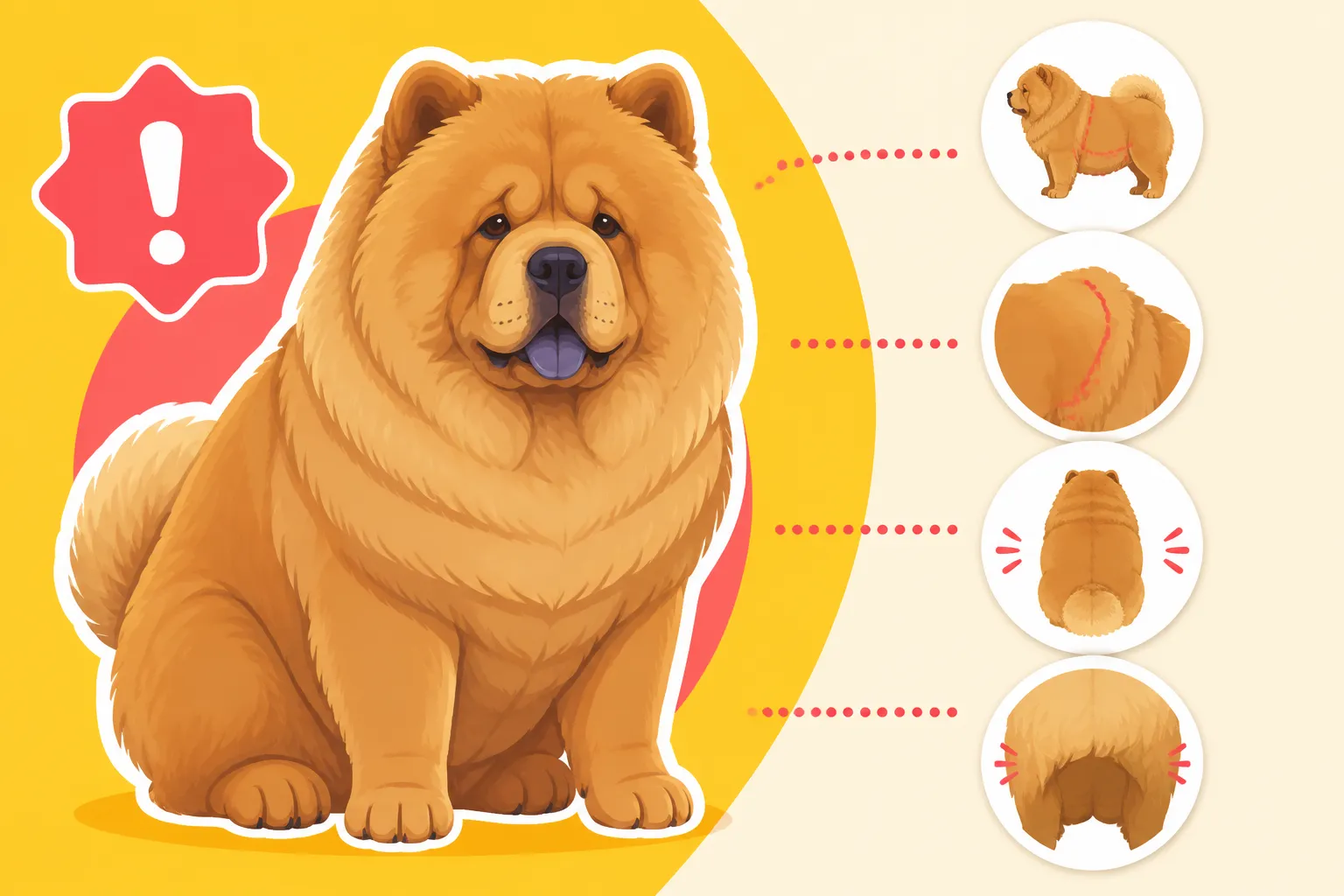
Signs a Chow Chow Is Overweight
It’s a frustrating reality for many Chow Chow owners: their beloved furball is so incredibly fluffy, it can be nearly impossible to tell if they're carrying a few extra pounds or if it’s just that magnificent double coat doing its job. This makes identifying signs of being overweight a real challenge, but it's a critical one for their long-term health. This comprehensive guide will walk you through the subtle and not-so-subtle indicators that your Chow Chow might be overweight, helping you peek past the fluff to assess their true body condition.
The Hidden Danger: Why Weight Management Is Crucial for Chow Chows
The Chow Chow’s unique physical characteristics, from their dense double coat to their sometimes stilted gait, mean that carrying even a little extra weight can have more significant consequences than it might for other breeds. It’s not just about looking good; it's about protecting their health and ensuring they live as comfortably as possible for as long as possible. Many owners don't realize the domino effect that seemingly minor weight gain can trigger.
Exacerbating Joint Issues
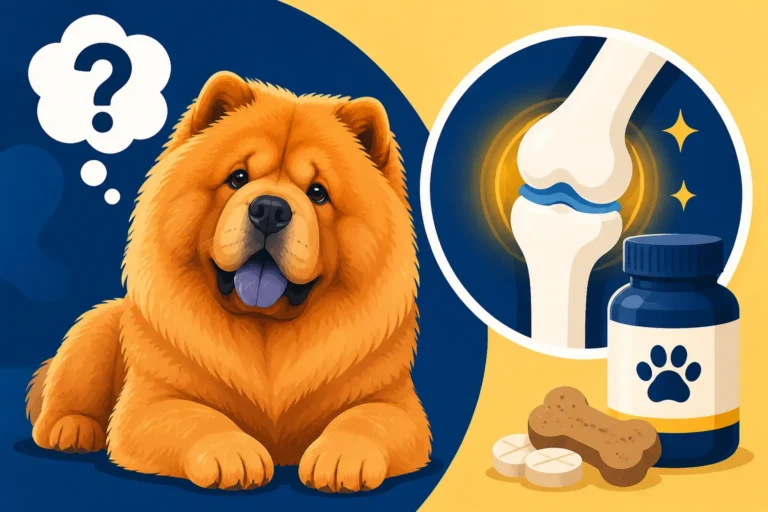
Chow Chows are unfortunately predisposed to certain orthopedic conditions, particularly hip and elbow dysplasia. These are painful, degenerative diseases that affect the joints, making movement difficult and uncomfortable. When a Chow Chow carries excess weight, it puts immense additional strain on these already vulnerable joints. Imagine trying to walk around all day with a heavy backpack – it stresses your knees and hips, right? It's the same for our Chows.
This added pressure accelerates the wear and tear on cartilage, worsens inflammation, and can hasten the onset or progression of arthritis. A Chow Chow with even a mild case of Elbow Dysplasia Ranks the Chow Chow Near the Top can experience significantly more pain and lameness if they are overweight. The extra burden on their skeletal structure can transform a manageable condition into a severely debilitating one, greatly impacting their quality of life. Understanding What Elbow Dysplasia Does to a Chow Chow truly underscores the importance of keeping their weight in check.
Increasing Heat Intolerance Risks
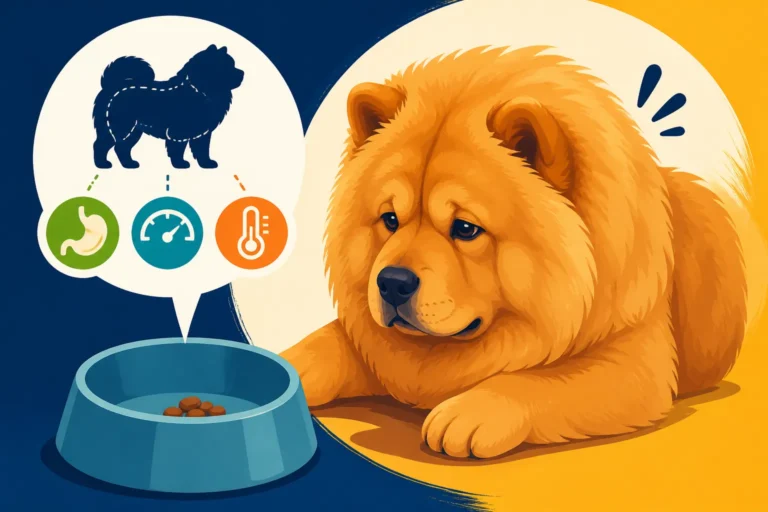
The Chow Chow’s majestic double coat is a marvel for insulation in cold climates, but it also makes them highly susceptible to overheating, especially in warmer weather or during strenuous activity. An extra layer of fat acts like an additional blanket, trapping even more body heat and making it incredibly difficult for your Chow to cool down. This is why Why a Chow Chow Overheats So Easily is such a pervasive concern for the breed.
When an overweight Chow tries to exert themselves or spends time in a warm environment, their internal temperature can rise dangerously fast, leading to heat stress and, in severe cases, life-threatening heatstroke. Their relatively short muzzle already makes cooling via panting less efficient, and excess fat around the throat and chest can further impede their breathing. Maintaining an ideal weight is one of the most proactive steps you can take to mitigate this ever-present danger for your Chow Chow, particularly during walks or outdoor playtime. Signs of being Signs a Chow Chow Is Overheating on a Walk can become apparent much faster in an overweight dog.
Contributing to Other Health Problems
Beyond joints and heat, being overweight opens the door to a host of other serious health issues that can significantly shorten your Chow Chow’s lifespan. Just like in humans, obesity in dogs can lead to metabolic diseases such as diabetes, where their body struggles to regulate blood sugar. It also puts undue strain on their heart and lungs, increasing the risk of cardiovascular disease.
An overweight Chow Chow is more prone to certain types of cancer and may have a compromised immune system. Anesthesia, already a consideration for Chows, can become riskier with extra pounds impacting their organs. These conditions not only compromise their immediate well-being but also chip away at their potential years. Ensuring your Chow stays at a healthy weight is a direct investment in extending The Eight to Twelve Years a Chow Chow Gets and making those years vibrant and comfortable.
The Fluffy Deception: How the Chow's Coat Hides Weight Gain
It's a tale as old as time for Chow Chow owners: you know there’s a dog under all that fur, but judging their actual body shape is like trying to guess the size of a cloud. Their magnificent, dense coat is truly a blessing and a curse when it comes to assessing their weight. It's the primary reason many Chows can secretly pack on pounds without their owners noticing until the problem is significant.
The Double Coat's Insulation Effect
A Chow Chow’s double coat consists of a harsh, straight outer coat and a soft, dense, woolly undercoat. This combination is designed to protect them from extreme weather, providing superior insulation against both cold and heat. However, this impressive layer of fur effectively creates a visual buffer, obscuring the true contours of their body underneath. What a Chow Chow's Double Coat Is Made Of explains this in detail.
When you look at your Chow, you're primarily seeing the outer silhouette created by their fur, not their actual physique. This means that as they gain weight, the coat simply expands to accommodate the increased body mass, making them look uniformly "fluffy" rather than noticeably wider or rounder. This makes it incredibly challenging to spot subtle changes in their shape that would be obvious in a short-haired breed.
The "Bear" Appearance Masking Reality
Chow Chows are often described as having a "bear-like" appearance, characterized by their broad skull, substantial bone structure, and naturally robust build. This inherent stockiness, combined with their abundant coat, can easily be misinterpreted as a healthy, solid physique, even when extra fat has accumulated. Owners might think their dog is just "big-boned" or "well-developed," when in reality, they are carrying too much weight.
This natural bulk can make it hard to distinguish between a muscular, well-conditioned Chow and one that has gained fat. The deep-set eyes and scowling expression also add to their imposing presence, further diverting attention from their body condition. It takes a keen eye and a hands-on approach to really understand what's happening beneath that majestic mane. This natural build unfortunately means that How a Chow Chow's Coat Hides Weight Loss is also a challenge when they are unwell.
Challenges with Traditional Visual Checks
For many dog breeds, a quick visual check – looking down at their waist from above or observing their tuck-up from the side – is a reliable way to gauge their body condition. However, these traditional methods often fail miserably with a Chow Chow. Looking down from above, you might see a continuous, cylindrical shape, or perhaps a slight widening, but rarely a distinct waistline as you would in other breeds, regardless of their weight.
From the side, the deep chest and straight rear legs already give them a somewhat blocky profile. Their full coat then eliminates any visible abdominal tuck that would normally indicate leanness. This means that owners relying solely on visual cues can be easily misled, allowing weight gain to progress unnoticed for far too long. To truly assess a Chow, you have to move beyond just looking and start using your hands.
Beyond the Fluff: Visual Clues When You Know What to Seek
While a Chow Chow's coat can be incredibly deceptive, there are still some visual clues you can learn to spot, even if they require a more discerning eye. These signs often become apparent as weight gain progresses beyond a slight increase, but once you know what to look for, you might catch them earlier. It's about looking at the overall silhouette and how it has subtly changed, rather than expecting dramatic curves.
Loss of a Defined Waistline (Even a Subtle One)
Even with all that fur, a healthy Chow Chow should still exhibit some subtle indication of a waistline when viewed from above. It won't be a dramatic hourglass figure, but there should be a slight inward curve, or at least not a perfectly straight line from their ribcage back to their hips. If your Chow looks like a solid barrel, or if their body appears uniformly wide from shoulders to tail, they are likely carrying too much weight.
To check this, try to feel for where the ribcage ends and where the abdomen begins. Even if you can't see a clear "tuck-up" from the side, a well-conditioned Chow will have a noticeably narrower area behind the last rib compared to their chest. If this area is as wide or wider than their ribcage, it's a strong visual indicator of excess fat accumulation.
A Broader, More Rounded Topline
Observe your Chow Chow's back when they are standing naturally. A healthy Chow will have a relatively level topline, perhaps with a slight arch over the loin. As they gain weight, this topline can become visibly broader and more rounded, losing any muscular definition that might have been there. The spine might appear flatter, sinking into a cushion of fat, rather than being subtly discernible beneath the skin.
Think about the difference between a sleek, muscular athlete and someone carrying extra weight; the former has defined contours, while the latter has a softer, more rounded appearance. This principle applies to your Chow, even with their coat. If their back looks like a wide, plush cushion with no discernible underlying structure, it's time to consider their weight.
"Fanny Packs" or Fat Deposits Around the Tail Base
One of the most telling, though often overlooked, visual cues in a fluffy breed like the Chow Chow is the development of fat deposits around the base of their tail. While their tail naturally curls over their back and is heavily feathered, excess fat can accumulate at its very root, making the area appear thicker, rounder, and almost bulging.
You might notice that the tail seems to sit lower or merge more seamlessly into the body because the underlying fat pads have filled in the natural contours. Gently lift their tail and examine the area where it meets their body. If you see or can feel distinct fatty lumps or a general thickening that wasn't there before, it's a strong sign your Chow Chow is carrying extra weight. This is a common spot for fat storage in many breeds, and Chows are no exception, even with all their fur.
The Touch Test: Feeling for Ideal Body Condition
Since visual cues are so easily obscured by the Chow Chow’s luxuriant coat, the most accurate way to assess their body condition is by using your hands. This "touch test" allows you to feel the underlying skeletal structure and fat coverage, providing a much clearer picture of their weight status. It takes a little practice, but once you get the hang of it, you'll be able to confidently determine if your Chow is at an ideal weight.
Palpating the Ribs: The Key Indicator
Feeling for the ribs is the single most important part of assessing your Chow Chow’s body condition. Stand next to your Chow and gently run your open palms along their sides, just behind their front legs. You should be able to feel their ribs quite easily, much like feeling the knuckles on your hand, but they shouldn't be sharply prominent or visible. There should be a thin layer of muscle and fat over them.
If you have to press firmly to feel the ribs, or if you can't feel them at all, your Chow Chow is likely overweight. Conversely, if the ribs feel very prominent, sharp, and you can see them clearly without much effort, your Chow is probably underweight. It's a delicate balance to find. This particular check is so vital because it directly tells you about the body fat percentage. If you're unsure, consulting a guide like How to Feel a Chow Chow's Ribs Under the Coat can provide more specific techniques.
Assessing the Spine and Hip Bones
After checking the ribs, move your hands to your Chow Chow's spine, running them along the top of their back from shoulders to tail. You should be able to feel the individual bumps of their vertebrae, but again, they shouldn't be sharp or sticking out. There should be a slight cushion of flesh over them. If you can only feel a smooth, continuous surface without any discernible spinal bumps, it indicates too much fat coverage.
Next, gently feel over their hip bones, located just in front of their tail. In a healthy Chow, you should be able to feel these bones beneath a moderate layer of muscle and fat. If the hip bones are difficult to locate, or feel buried under a thick layer of soft tissue, it's another sign of being overweight. It's a bit harder to distinguish in Chows because their Why a Chow Chow Moves With a Stilted Gait and naturally straight rear legs can alter the perception of their hindquarters slightly, but the underlying bone structure should still be palpable.
Checking the Base of the Tail
Revisit the base of the tail with your hands. While you can visually inspect this area, a hands-on check provides more definitive information. Gently feel around the entire circumference of the tail base. You're looking for any soft, fatty padding that feels spongy or thick. In an ideal body condition, this area should be relatively smooth and consistent with the rest of their body, without pronounced fat pockets.
If you can easily pinch a significant amount of soft, squishy fat at the tail base, it's a clear indication of excess fat storage. This area often acts as a reliable "fat reservoir" in dogs, and it’s less obscured by muscle mass than other parts of the body, making it a valuable place for a physical assessment.
The Tummy Tuck Test
Even with their deep chests and ample fur, a healthy Chow Chow should still have a noticeable, albeit subtle, tuck-up in their abdomen when viewed from the side and palpated. While you might not see it, you should be able to feel it. Gently run your hands from their rib cage back towards their hind legs along their belly. The abdomen should narrow slightly and feel less full than the chest area.
If the belly feels distended, or if there's no noticeable inward curve or thinning as your hands move towards the hind legs, it could mean your Chow is carrying too much fat around their midsection. This is often accompanied by a broader, flatter underside, rather than the slight upwards curve you'd expect.
Behavioral Shifts: Subtle Indicators of Carrying Extra Pounds
Sometimes, the most telling signs of weight gain aren't visible or palpable, but rather observed in your Chow Chow's daily behavior. A gradual increase in weight can lead to subtle changes in their energy levels, mobility, and even their breathing, which can be early warning signs that they're carrying too much baggage. These shifts are often dismissed as "getting older" or "just being a Chow," but they warrant careful consideration.
Reduced Stamina and Activity Levels
One of the most common behavioral indicators of a Chow Chow being overweight is a noticeable decrease in their stamina and overall activity level. While Chows are not known for being overly energetic, a healthy adult Chow should still enjoy their daily walks and show enthusiasm for short bursts of play. If your Chow starts lagging behind on walks, becomes reluctant to go for walks they once enjoyed, or tires out much more quickly than before, excess weight could be the culprit.
They might spend more time sleeping or resting, showing less interest in games, or simply moving at a slower, more deliberate pace. You might notice they take longer to get up after lying down or appear generally more lethargic. While a certain amount of mellowing is natural with age, a sudden or pronounced drop in activity can often be attributed to the physical burden of extra pounds. This can impact How Much Exercise a Chow Chow Actually Needs as they struggle to keep up.
Difficulty with Movement and Getting Around
Excess weight places significant stress on a Chow Chow's joints, making everyday movements more challenging. You might observe them struggling to perform actions that once came easily. This could manifest as difficulty climbing stairs, hesitating before jumping onto furniture (if allowed), or taking more effort to rise from a lying or sitting position. Their naturally stiff gait, already a characteristic of the breed due to their straight rear legs, can become even more pronounced and uncomfortable.
They might walk with an increased stiffness, or exhibit a subtle limp after periods of rest. These signs are often confused with arthritis or simply "getting old," and while those can certainly be factors, excess weight will always exacerbate such issues. Recognizing these mobility changes is crucial, as they can indicate not just weight problems, but also underlying joint pain that needs attention. How an Aging Chow Chow Stiffens is definitely a factor in older Chows, but weight can bring this on prematurely.
Increased Snoring or Breathing Difficulties
Chow Chows, with their relatively short muzzles and broad heads, are already prone to some degree of respiratory challenges compared to long-nosed breeds. When they become overweight, the extra fat deposits around their neck, chest, and internal organs can further constrict their airways, making breathing more labored. This can lead to an increase in snoring, especially when they're sleeping.
You might also notice them panting more heavily, even after minimal exertion, or showing signs of being out of breath more easily. In more severe cases, they might exhibit noisy breathing even at rest. This difficulty in respiration is a serious concern, as it impacts their ability to cool themselves and can be a sign of significant internal strain. Any noticeable change in your Chow's breathing patterns should prompt a discussion with your veterinarian.
Charting Health: Understanding Body Condition Scores and Ideal Weight
Moving beyond visual and tactile cues, understanding objective measures like Body Condition Scores (BCS) and general weight ranges can provide a more structured approach to evaluating your Chow Chow’s health. While no two Chows are exactly alike, these tools offer valuable benchmarks to ensure your furry companion stays in optimal shape. Your veterinarian is your best partner in interpreting these.
The 9-Point Body Condition Scoring System
Veterinarians commonly use a 9-point Body Condition Scoring (BCS) system to assess a dog's fat reserves and muscle mass. While it requires a bit of practice to apply accurately to a Chow Chow due to their coat, it’s a far more precise method than just visual inspection. A score of 4 or 5 out of 9 is generally considered ideal, meaning your dog is at a healthy weight.
| BCS Score | Description for Chow Chows (Modified for Fluff) |
|---|---|
| 1-3 | Underweight: Ribs, spine, and hip bones easily visible/palpable with no fat cover. Muscle loss evident. Unhealthy. |
| 4-5 | Ideal Weight: Ribs easily palpable with thin fat layer. Waist discernible with slight tuck-up (palpable). Muscle mass good. Healthy. |
| 6-7 | Overweight: Ribs palpable with moderate pressure, covered by excess fat. Waist barely discernible/absent. Moderate fat deposits over spine/tail base. |
| 8-9 | Obese: Ribs difficult or impossible to palpate under thick fat layer. No waist or tuck-up. Massive fat deposits over spine, tail base, and neck. |
For a Chow Chow, the "visibility" aspect of the ribs and waist might be replaced with "palpability," meaning how easily you can feel them through their dense fur. Your vet can show you exactly how to feel for these points, which is invaluable. Aiming for that 4 or 5 score helps ensure your Chow is healthy without being too lean or too heavy.
General Weight Ranges vs. Individual Needs
While there are published weight ranges for Chow Chows, it's crucial to remember these are just guidelines. An adult Chow Chow typically weighs between 45 to 70 pounds, with males generally being larger and heavier than females. However, individual Chows can vary significantly based on their genetic lineage, bone structure, and overall build. A particularly stocky, heavy-boned Chow might be perfectly healthy at the higher end of the range, while a more refined individual might be ideal at the lower end. This is why What an Adult Chow Chow Should Weigh is more a suggestion than a strict rule.
Therefore, relying solely on a number on the scale can be misleading. A Chow Chow’s ideal weight is truly the one at which they achieve an ideal Body Condition Score. It’s the weight at which their joints are under minimal stress, their breathing is clear, and they have good energy without carrying excess fat. This individualized approach, in consultation with your vet, is far more effective than trying to hit an arbitrary number.
Regular Weigh-Ins and Vet Check-ups
The best defense against your Chow Chow becoming overweight is consistent monitoring. Regular weigh-ins, ideally on a consistent schedule (e.g., once a month), can help you track trends over time. Many veterinary clinics have scales you can use for free, or you can invest in a sturdy pet scale for home. Online retailers like Chewy or Amazon offer a range of reliable pet scales that can handle a Chow Chow's weight.
Beyond home checks, routine veterinary visits are paramount. Your vet will perform a comprehensive physical exam, including a professional body condition score assessment, which is particularly helpful for a fluffy breed where owner assessment can be tricky. They can offer tailored nutritional advice, recommend specific diets (perhaps looking into fresh food options from services like Ollie if weight loss is needed), and discuss appropriate exercise plans. Catching weight gain early is much easier to manage than tackling significant obesity, so don't hesitate to lean on your vet's expertise.
Disclaimer
This article is for general informational purposes only and does not constitute professional advice. Laws, prices and regulations vary by location and change over time. Consult a qualified professional for guidance on your specific situation.