Whether a Chow Chow Has a Sensitive Stomach
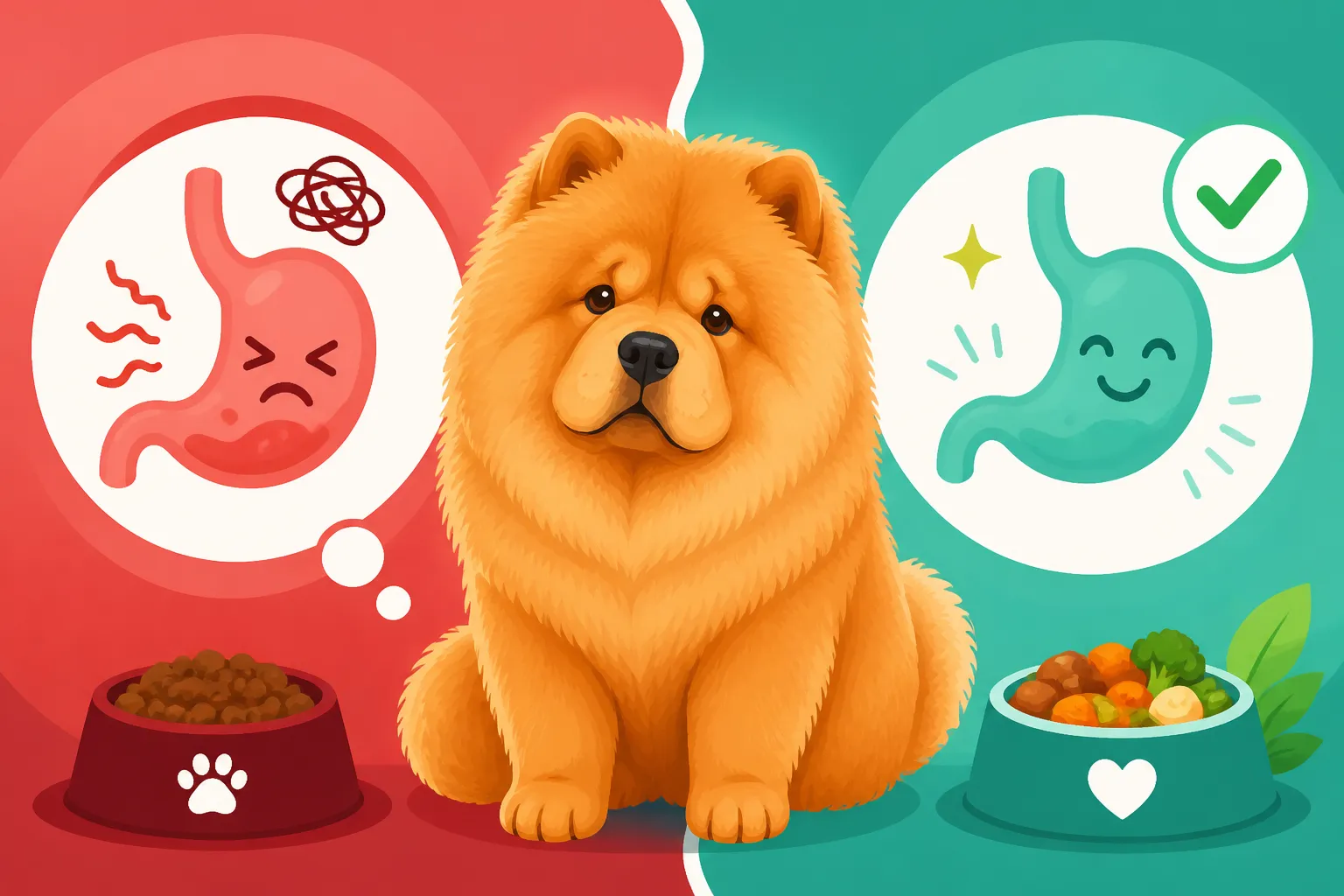
It can be incredibly disheartening and frankly, just plain messy, when your beautiful Chow Chow isn't feeling quite right, especially when it comes to their tummies. Many Chow Chow owners find themselves cleaning up accidents or scratching their heads over mysterious bouts of vomiting and diarrhea. This comprehensive guide is here to demystify whether Chow Chows are inherently prone to sensitive stomachs and to walk you through understanding, identifying, and managing digestive issues in these majestic, sometimes stoic, companions.
Understanding the Chow Chow's Digestive System
Chow Chows, with their ancient lineage and unique physical traits, sometimes present with digestive quirks that can leave even experienced dog owners puzzled. It’s not always a straightforward case of eating something they shouldn't; often, there are deeper reasons why their stomachs might be protesting.
Unique Breed Characteristics and Digestion
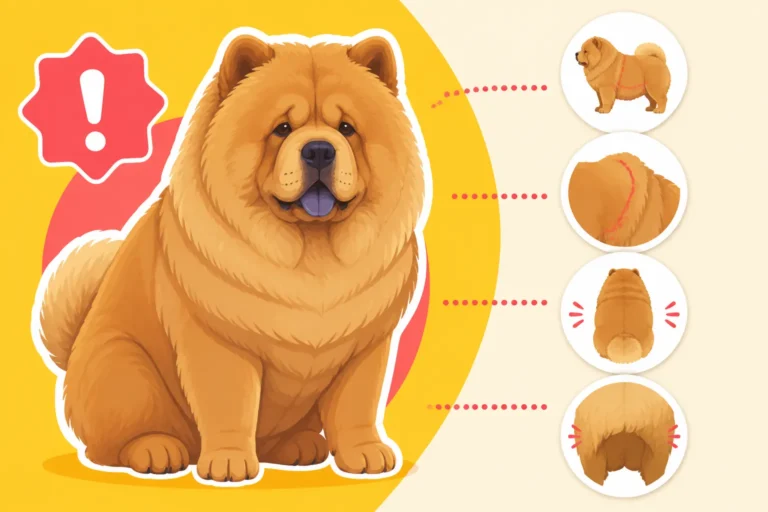
Our Chows are a fascinating breed, and their bodies, while robust in appearance, have certain predispositions that can impact their digestive health. For instance, their broad, deep chests, while magnificent, do put them at a higher risk for conditions like bloat, or gastric dilatation-volvulus (GDV), a life-threatening emergency where the stomach twists. While not a "sensitive stomach" in the traditional sense of chronic upset, it's a stark reminder of how important digestive health is for the breed. Their generally calm, somewhat aloof demeanor can also make it challenging to spot subtle signs of discomfort, meaning we really need to pay close attention to their eating habits and bathroom routines.
Beyond the serious concerns, a Chow's metabolism can sometimes be a bit slower or more particular than other breeds. This might be linked to their ancient origins and perhaps a diet that was historically less varied or processed. What might be perfectly fine for another dog could easily cause a Chow Chow's system to react with gas, gurgling, or an unhappy bout of loose stool. It's almost as if their digestive tracts are designed for simplicity, making them less tolerant of rich foods, sudden changes, or certain ingredients.
The "Picky Eater" Reputation
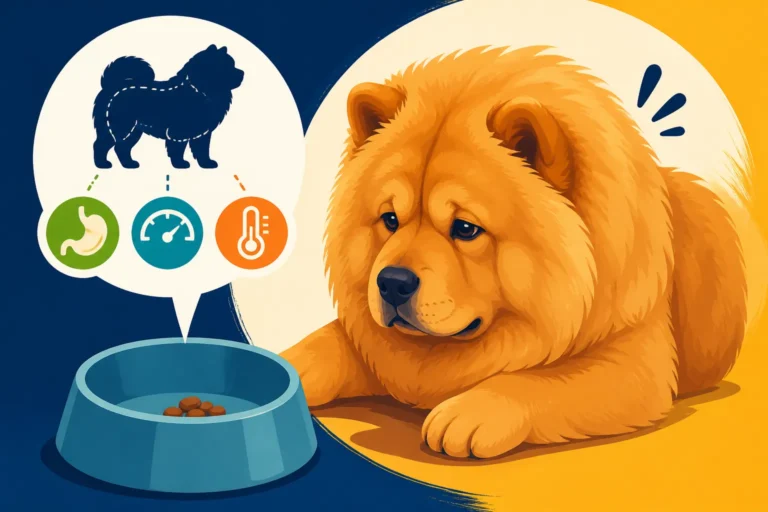
If you've ever owned a Chow Chow, you might have noticed they can be a bit… selective… when it comes to their meals. They aren't always the ravenous eaters you might find in some other breeds. This "picky eater" reputation isn't just about preference; it can sometimes be a subtle indicator of an underlying digestive sensitivity. A dog that consistently turns its nose up at food, or eats only small amounts, might not just be finicky; they could be experiencing mild nausea or discomfort that makes eating unappealing.
Sometimes, their choosiness is purely behavioral, a charming (or frustrating) quirk of the breed. But other times, it's a quiet signal that something in their current diet simply isn't sitting well. They might associate certain foods with feeling unwell, or their appetite might genuinely be suppressed due to a low-grade stomach upset. This can make diagnosing a sensitive stomach even harder because "not eating" can mean so many things. It really emphasizes the need to consider their digestive comfort, not just their palate, when they seem uninterested in their dinner. Understanding Feeding a Chow Chow That Eats Less Than You Expect can be a huge help here.
Common Signs of a Sensitive Stomach in Chow Chows
It’s easy to dismiss a one-off upset stomach, but when your Chow Chow repeatedly shows signs of digestive distress, it’s time to take notice. Recognizing these symptoms early can help you intervene before the problem escalates.
Vomiting and Regurgitation
One of the most immediate and alarming signs of a sensitive stomach is vomiting. This isn't just an occasional hairball; we're talking about frequent, often undigested food coming back up. Vomiting is an active process where the abdominal muscles contract to expel stomach contents. This can be caused by anything from eating too fast, eating something irritating, to more serious issues like pancreatitis or a foreign body obstruction. If your Chow Chow vomits more than once or twice in a short period, especially if it's accompanied by lethargy, it's a serious sign.
Regurgitation, on the other hand, is a more passive process where food comes back up from the esophagus, usually shortly after eating, and often looks like undigested food in a tube shape. While less immediately concerning than active vomiting, persistent regurgitation can indicate issues with the esophagus itself, eating too quickly, or even a food intolerance that causes irritation before the food even reaches the stomach properly. Distinguishing between the two can be tricky, but knowing which it is provides valuable clues for your vet. Keeping an eye on the timing and consistency of these events is crucial.
Diarrhea and Loose Stools
Nobody enjoys cleaning up loose stools, and for a Chow Chow owner, it can feel like a never-ending battle. Chronic diarrhea is a classic sign of a sensitive stomach. This isn't just a single soft stool; it's persistent runny, watery, or shapeless stool that can vary in color and consistency. It might contain mucus, or in more severe cases, streaks of fresh blood. The frequency of defecation might also increase, and your dog might show urgency, struggling to hold it until they get outside.
Beyond the mess, persistent diarrhea can lead to dehydration and nutrient malabsorption, making your Chow Chow feel unwell and potentially losing weight. It's a clear signal that their digestive system isn't processing food efficiently. Causes can range from dietary indiscretion (eating something they shouldn't have) to stress, parasites, bacterial imbalances, or inflammatory bowel disease. It's important to differentiate between small bowel diarrhea (large volume, less frequent) and large bowel diarrhea (smaller volume, more frequent, often with mucus). This information helps your vet narrow down the problem. If you notice your Chow is having chronic issues, checking What a Chow Chow Is Most Often Allergic To might give you some insight.
Appetite Changes and Discomfort
Sometimes, the signs are more subtle than outright vomiting or diarrhea. A noticeable change in appetite can be a major red flag. Your Chow Chow might suddenly become very picky, skip meals, or eat only a fraction of their usual portion. While Chows can be discerning eaters, a sudden and sustained change in their eating habits, especially if they previously had a good appetite, warrants investigation. This could be their way of telling you that the food makes them feel uncomfortable or nauseous.
Other signs of discomfort might include excessive lip licking, gulping, drooling, or repeatedly swallowing, which often indicate nausea. You might also notice them stretching in a "play bow" position but not playing (this is often called "prayer position" and can indicate abdominal pain), or becoming restless and unable to settle. They might also exhibit increased gas, abdominal gurgling, or tenderness when touched around the belly. These subtle behavioral cues are your Chow Chow’s way of communicating that their tummy hurts, even if they aren't vocal about it. For more insights on this, you might find How a Chow Chow Hides Pain helpful, as Chows are quite good at masking discomfort.
Potential Causes Behind a Chow Chow's Sensitive Stomach
Identifying that your Chow Chow has a sensitive stomach is one thing; figuring out why is the real challenge. Several factors can contribute to digestive upset, and often it's a combination of a few.
Food Allergies and Intolerances
One of the most common culprits behind a sensitive stomach in any breed, including Chow Chows, is food allergies or intolerances. A food allergy involves an immune system response to a specific protein in the diet, leading to symptoms like skin issues (itching, redness) and digestive upset. A food intolerance, on the other hand, is a digestive reaction, not immune-mediated, and means the dog simply can't digest a certain ingredient well, often leading to gas, diarrhea, or vomiting.
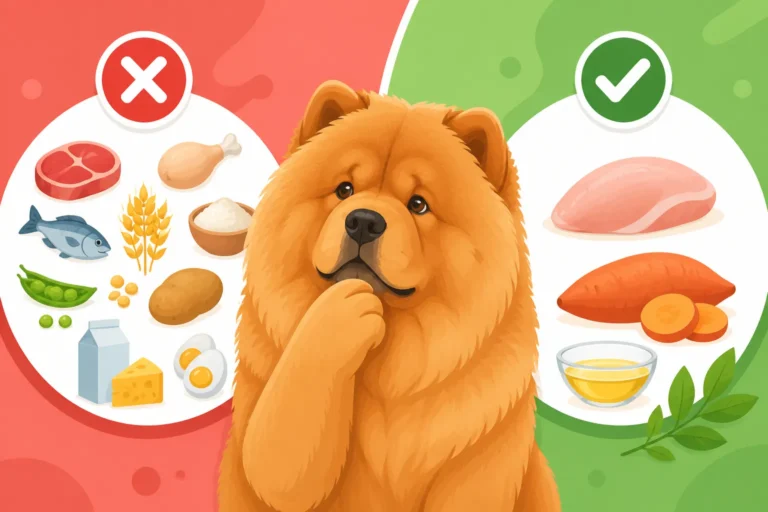
Common ingredients that trigger sensitivities include beef, chicken, dairy, wheat, soy, and corn. It can be incredibly frustrating to pinpoint the exact culprit, as symptoms might not appear immediately after eating the offending food. This often requires a strict elimination diet, where your Chow Chow eats a novel protein and carbohydrate source (one they've never had before) for several weeks, then ingredients are slowly reintroduced to identify the trigger. Many specialized foods designed for sensitive stomachs, often found on platforms like Chewy or Amazon, focus on these novel proteins or limited ingredients. Exploring Whether a Chow Chow Needs a Limited Ingredient Diet could offer further guidance here.
Stress and Anxiety
It might sound surprising, but your Chow Chow's emotional state can have a direct impact on their gut health. Just like in humans, stress and anxiety can manifest as digestive upset in dogs. Changes in routine, new environments, separation anxiety, loud noises, or even feeling unwell from another cause can trigger a "nervous stomach." When a dog experiences stress, their body releases hormones that can alter gut motility, increase stomach acid, and even change the balance of gut bacteria, all of which contribute to a sensitive stomach.
Consider a scenario where you've recently moved house, or perhaps your work schedule has drastically changed. Your Chow Chow, a creature of routine, might internalize this stress, leading to bouts of diarrhea or a refusal to eat. While it’s tempting to focus solely on diet, addressing environmental stressors and providing a calm, consistent routine is often a critical piece of the puzzle. Sometimes, a Chow Chow might be sensitive to disruptions during meal times, or even the subtle tension in the household. It’s a holistic approach, looking at both their plate and their peace of mind.
Underlying Health Conditions
While diet and stress are frequent offenders, a sensitive stomach can also be a symptom of a more serious underlying health condition. This is why veterinary consultation is so vital. Conditions such as inflammatory bowel disease (IBD), pancreatitis, exocrine pancreatic insufficiency (EPI), liver disease, kidney disease, or even certain cancers can all present with digestive upset. Parasites, bacterial infections (like Clostridium or Giardia), and viral infections can also wreak havoc on a Chow Chow's gut.
For instance, pancreatitis, an inflammation of the pancreas, often causes severe vomiting, diarrhea, abdominal pain, and loss of appetite. EPI means the pancreas isn't producing enough digestive enzymes, leading to maldigestion and chronic diarrhea. These conditions require veterinary diagnosis and specific medical treatment, not just a change in diet. If your Chow Chow’s sensitive stomach symptoms are severe, persistent, or accompanied by other worrying signs like fever, significant lethargy, or sudden weight loss, it’s imperative to seek professional help immediately. Never assume it's "just a sensitive stomach" without ruling out serious issues. Understanding What Most Chow Chows Die Of can help put serious symptoms into perspective regarding the need for prompt medical attention.
Dietary Strategies for Managing a Sensitive Stomach
Once you and your vet have a better understanding of why your Chow Chow has a sensitive stomach, you can start implementing dietary changes. This often involves a bit of trial and error, but with patience, you can find a diet that brings comfort.
Choosing the Right Food
Selecting the right food for a Chow Chow with a sensitive stomach is paramount. The general advice is to look for highly digestible formulas. These often contain easily digestible carbohydrates like rice or sweet potato, and moderate levels of fat. Protein sources should ideally be novel (e.g., duck, venison, rabbit) or hydrolyzed, meaning the protein molecules are broken down into tiny pieces that are less likely to trigger an immune response. Many veterinary-prescribed diets fall into this category, but there are also excellent over-the-counter options available.
When browsing for food, either at your local pet store or through online retailers like Chewy or Amazon, scrutinize the ingredient list. Avoid foods with a long list of artificial colors, flavors, or unnecessary fillers, as these can often be irritants. Look for foods that emphasize prebiotics (fibers that feed beneficial gut bacteria) and probiotics (beneficial bacteria themselves). Some owners have great success with fresh, human-grade food services, such as Ollie, which offer customized meal plans using whole, easily digestible ingredients. It’s not just about the brand; it’s about the specific formulation and how your individual Chow Chow responds to it.
Here’s a quick overview of food types often recommended for sensitive stomachs:
| Food Type | Key Characteristics | Potential Benefits |
|---|---|---|
| Limited Ingredient Diet | Contains a single novel protein and carbohydrate source | Reduces exposure to common allergens; simpler for digestion |
| Hydrolyzed Protein Diet | Proteins are broken down into tiny, non-allergenic pieces | Ideal for severe food allergies as it bypasses immune response |
| Digestive Support Diet | Formulated with prebiotics, probiotics, and high digestibility | Promotes healthy gut flora and efficient nutrient absorption |
| Novel Protein Diet | Uses protein sources rarely found in commercial dog foods | Less likely to trigger existing sensitivities |
| Homemade Diet (Vet-Approved) | Cooked at home with specific, controlled ingredients | Complete control over ingredients; requires vet guidance for balance |
Remember, any significant diet change should always be discussed with your veterinarian to ensure it's nutritionally complete and appropriate for your Chow Chow's specific needs.
Gradual Diet Changes
This cannot be stressed enough: always transition your Chow Chow to a new food gradually. A sudden change, even to a superior diet, can trigger a severe digestive upset in a sensitive dog. Their gut microbiota needs time to adjust to new ingredients, and rushing the process is a surefire way to end up with a very unhappy tummy (and a very messy floor).
A typical transition should take at least 7-10 days, sometimes even longer for a particularly sensitive Chow Chow. Start by mixing a small amount of the new food with their old food, gradually increasing the proportion of the new food over several days. For example:
- Days 1-3: 25% new food, 75% old food
- Days 4-6: 50% new food, 50% old food
- Days 7-9: 75% new food, 25% old food
- Day 10 onwards: 100% new food
Watch your Chow Chow closely during this period. If you notice any signs of digestive upset (vomiting, diarrhea, increased gas), slow down the transition. You might need to hold at a certain percentage for longer, or even go back a step before trying to move forward again. Patience is your best friend here, ensuring a smooth and comfortable transition for your furry friend.
Supplements and Probiotics
Sometimes, even with the right diet, a Chow Chow’s sensitive stomach needs a little extra help. Supplements and probiotics can play a crucial role in supporting gut health and alleviating symptoms. Probiotics introduce beneficial bacteria to the gut, helping to restore a healthy microbial balance, which is essential for proper digestion and a strong immune system. When the gut flora is out of whack, it can lead to inflammation and digestive issues.
Prebiotics, which are non-digestible fibers, act as food for these beneficial bacteria, helping them to thrive. Many sensitive stomach dog foods already include these, but separate supplements are also available. Digestive enzymes can also be beneficial, especially for conditions like EPI, where the body doesn't produce enough enzymes to break down food. These are typically mixed into meals to aid in nutrient absorption. Omega-3 fatty acids, often derived from fish oil, can help reduce inflammation throughout the body, including the gut, and can improve coat health too. Before adding any supplements to your Chow Chow's regimen, always consult with your veterinarian to ensure they are appropriate and won't interact negatively with other medications or conditions. You might also want to read What a Chow Chow's Yearly Bloodwork Should Cover for a broader understanding of overall health markers.
Lifestyle and Environmental Factors
It's not all about what's in the bowl. Your Chow Chow's daily life and environment play a significant role in their overall well-being, including their digestive health. Addressing these factors can complement dietary changes and help keep their tummy happy.
Exercise and Stress Management
A well-exercised and mentally stimulated Chow Chow is generally a happier and healthier one. While Chows aren't typically high-energy dogs, regular, moderate exercise is important for their physical health, including promoting healthy gut motility. A sedentary lifestyle can sometimes contribute to sluggish digestion and constipation. However, it's a balance; excessive or strenuous exercise immediately after eating can sometimes trigger digestive upset or even increase the risk of bloat in deep-chested breeds like the Chow Chow. Therefore, exercise should be calm and consistent.
Beyond physical activity, managing stress is paramount. As discussed, stress can wreak havoc on a sensitive stomach. Creating a predictable daily routine, providing a quiet, safe space for your Chow Chow to retreat to, and minimizing exposure to known stressors can make a huge difference. For some Chows, this might mean avoiding dog parks if they find them overwhelming, or using calming techniques like puzzle toys or scent work to provide mental enrichment in a low-stress way. For insights on managing their mental state, consider reading Why a Chow Chow Is Hard to Examine at the Vet as this behavior often stems from anxiety or discomfort.
Mealtime Routines and Portion Control
Consistency is key, especially for a Chow Chow with a sensitive stomach. Establishing a regular mealtime routine helps their digestive system anticipate when food is coming, which can aid in the smooth functioning of their gut. Feeding at the same times each day, in the same quiet location, can reduce stress around meals. Free-feeding, where food is left out all day, might seem convenient, but it doesn't allow for monitoring of appetite changes and can sometimes encourage overeating or snacking on stale food, both of which can upset a sensitive tummy.
Portion control is equally important. Overfeeding, even healthy food, can overwhelm a sensitive digestive system, leading to vomiting, diarrhea, or gas. Consult your veterinarian for appropriate portion sizes based on your Chow Chow's age, weight, and activity level. If your Chow Chow eats too quickly, consider using a slow feeder bowl or a puzzle feeder to encourage them to eat at a more leisurely pace. Rapid eating can lead to air swallowing, which can cause discomfort, gas, and in severe cases, increase the risk of bloat. This is also why understanding How to Feed a Chow Chow to Reduce Bloat Risk is so vital for this breed.
Hydration
Adequate hydration is absolutely critical for overall health and particularly for a healthy digestive system. Water helps to move food through the digestive tract, aids in nutrient absorption, and keeps stools soft and easy to pass. For Chow Chows experiencing diarrhea, maintaining hydration is even more important to prevent dehydration, which can quickly become dangerous. Always ensure your Chow Chow has access to fresh, clean water at all times.
If your Chow Chow isn't a big drinker, you might need to get creative. Consider adding a little low-sodium chicken or beef broth to their water, or offering wet food to increase their fluid intake. Some dogs are enticed by pet drinking fountains, which keep the water circulating and fresh. In times of severe digestive upset, your vet might recommend electrolyte solutions to help replenish lost fluids and minerals. Don't underestimate the power of good old H2O in keeping your Chow Chow's digestive system running smoothly.
When to Seek Veterinary Advice
While many sensitive stomach issues can be managed at home with dietary changes, there are times when immediate veterinary attention is essential. Knowing when to call the vet can literally be life-saving.
Recognizing Red Flag Symptoms
It's natural to try to manage mild tummy troubles at home, but certain symptoms should never be ignored. These "red flag" signs indicate a potentially serious problem that requires prompt veterinary assessment:
- Severe or projectile vomiting: Especially if it happens multiple times in a short period.
- Bloated abdomen or unproductive retching: This is a classic sign of bloat (GDV), a medical emergency. If you notice Signs a Chow Chow's Stomach Has Turned, get to the vet immediately.
- Persistent diarrhea: More than 24-48 hours, or if it's black and tarry (melena), bright red with blood, or very watery.
- Extreme lethargy or weakness: Your Chow Chow is unusually tired, unresponsive, or struggles to stand.
- Pale gums: A sign of shock or severe anemia.
- Signs of severe pain: Whining, crying, hunching, reluctance to be touched, panting heavily without exertion.
- Collapse or loss of consciousness.
- Inability to keep water down: Risk of rapid dehydration.
If you observe any of these symptoms, do not wait. Contact your veterinarian or an emergency veterinary clinic immediately. These are not symptoms that can be treated with home remedies.
Diagnostic Tests
When you take your Chow Chow to the vet for a sensitive stomach, be prepared for them to recommend a series of diagnostic tests. Your vet will start with a thorough physical examination, checking for abdominal pain, dehydration, and any other abnormalities. They'll ask you detailed questions about your Chow Chow's diet, recent changes, frequency and nature of symptoms, and any other behaviors you've observed.
Common tests include:
- Fecal examination: To check for parasites, bacterial overgrowth, or other microscopic abnormalities.
- Blood work: A complete blood count (CBC) and chemistry panel can assess for infection, inflammation, anemia, pancreatitis, liver disease, kidney disease, and other metabolic issues. What a Chow Chow's Yearly Bloodwork Should Cover provides insight into common tests.
- Urinalysis: To rule out urinary tract infections or kidney issues that might present with systemic signs.
- Abdominal radiographs (X-rays): To check for foreign bodies, signs of bloat, or other structural abnormalities.
- Abdominal ultrasound: Provides a more detailed view of internal organs, allowing the vet to examine the stomach, intestines, pancreas, and liver more closely for inflammation, masses, or other changes.
- Endoscopy or biopsy: In chronic, unexplained cases, the vet might recommend an endoscopy to visually inspect the digestive tract and take tissue biopsies to diagnose conditions like inflammatory bowel disease.
These tests help your vet get a full picture of what's going on inside your Chow Chow and formulate an accurate diagnosis and treatment plan.
Working with Your Veterinarian
Managing a Chow Chow with a sensitive stomach is often a partnership between you and your veterinarian. Don't be afraid to ask questions and express your concerns. Your vet is your best resource for navigating the complexities of digestive health. Be honest and thorough in reporting your observations, even if they seem minor. Keep a detailed log of your Chow Chow's symptoms, food intake, and any changes you make; this data is invaluable for your vet.
Follow your vet's recommendations regarding diet, medication, and follow-up appointments precisely. If a prescribed diet isn't working, or symptoms persist, communicate this to your vet rather than making arbitrary changes yourself. They may suggest further diagnostics or adjust the treatment plan. It can be a long road of trial and error to find what truly works for your Chow Chow, but with a good vet by your side, you can significantly improve your beloved companion's quality of life and ensure their tummy troubles become a thing of the past.
Disclaimer
This article is for general informational purposes only and does not constitute professional advice. Laws, prices and regulations vary by location and change over time. Consult a qualified professional for guidance on your specific situation.