Whether a Blue Chow Chow’s Coat Fades
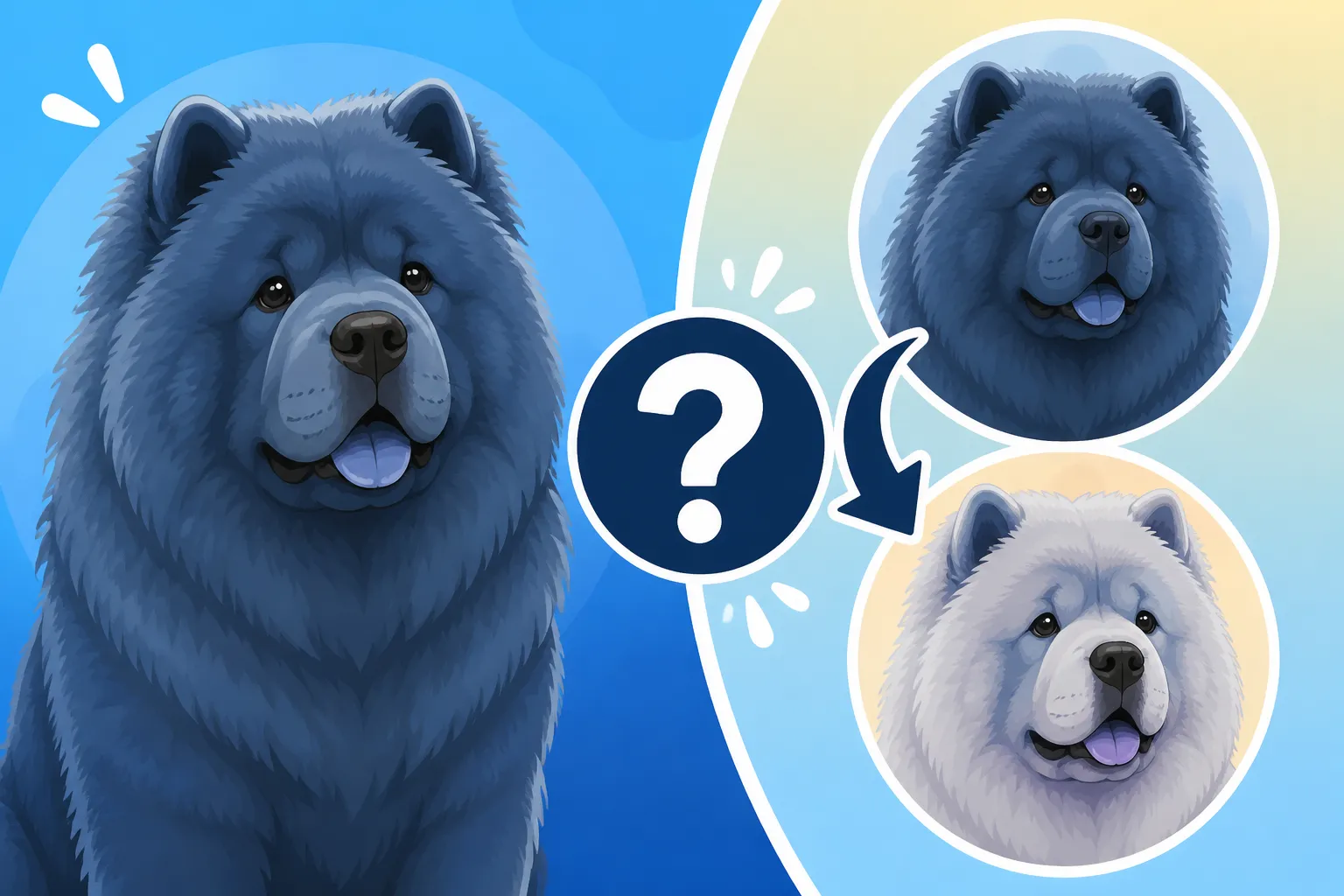
It’s a common heartache for Chow Chow parents, especially those with those stunning blue beauties: you bring home this gorgeous puppy with a coat like polished slate, and then you start to wonder if that magnificent color will last. Will your blue Chow Chow's coat fade, rust, or change over time? This guide is here to walk you through the realities of Chow Chow coat colors, the factors that can influence their appearance, and how you can best maintain that unique hue.
Understanding Chow Chow Coat Colors and Genetics
Before we dive into whether a blue Chow Chow's coat fades, let's chat a bit about what a "blue" Chow Chow actually is and how their magnificent double coat plays a role. It’s all intertwined, and understanding the basics will help you appreciate why your Chow's coat behaves the way it does.
The Blue Chow Chow: A Closer Look
When we talk about a "blue" Chow Chow, it's not the vibrant sky blue you might imagine in a cartoon. In the dog world, "blue" refers to a dilute form of black. Genetically speaking, these Chows carry two copies of the dilute gene (often represented as 'd/d'). This gene acts on black pigment, essentially softening it to a beautiful, deep slate gray. Think of it less as a color addition and more as a dilution of black, much like watering down a strong black coffee until it's a milky gray.
A true blue Chow Chow will have not just a gray coat, but also a gray or slate-colored nose, often matching the shade of their coat. Their paw pads will also follow suit, appearing gray rather than the black you'd see on a red or black Chow. This uniform dilution of pigment is what distinguishes a true blue from a Chow whose black coat might simply be sun-bleached. The overall effect is incredibly striking, giving them an almost ethereal, silvery quality that makes them stand out in a crowd. It's a color that garners a lot of attention and admiration, and understandably, owners want to preserve its integrity.
The Chow Chow's Double Coat Structure
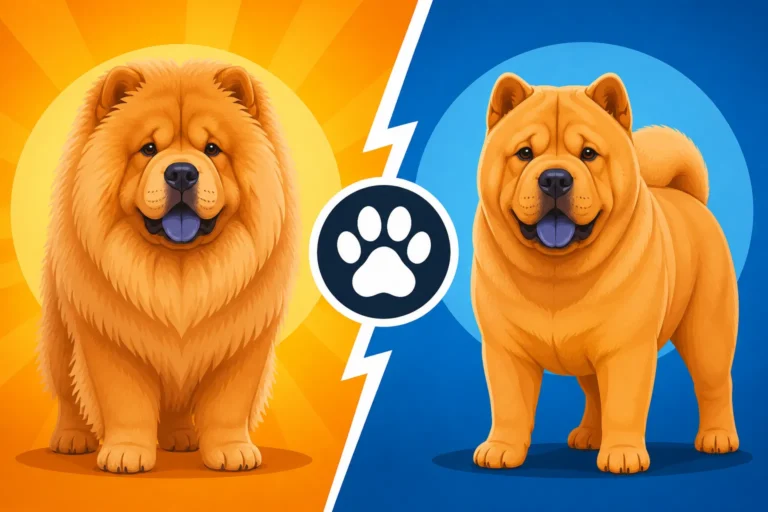
Every Chow Chow boasts a phenomenal double coat, a defining characteristic of the breed, and this structure is particularly important when discussing coat color and its perceived changes. This isn't just one layer of hair; it's a sophisticated insulation system designed to protect them in various climates. There's the harsh, straight, and relatively coarse outer coat, often referred to as guard hairs. These are the hairs you see on the surface, providing weather resistance and defining the dog's silhouette. Beneath this lies a thick, soft, woolly undercoat that acts as a dense layer of insulation, keeping them warm in winter and cool in summer.
For a blue Chow Chow, both the outer coat and the undercoat are pigmented. However, the density and texture of these two layers can sometimes create an optical illusion of color variation or fading. For instance, if the undercoat is slightly lighter in shade or becomes matted and unhealthy, it can peek through the guard hairs, making the overall coat appear less uniform or vibrant. During seasonal "coat blows," when they shed their undercoat, the remaining hair might temporarily look thinner or different in shade. Understanding What a Chow Chow's Double Coat Is Made Of is key to appreciating how robust and complex their fur truly is, and why maintenance is so critical.
Factors That Can Influence Coat Fading or Changes
While a blue Chow Chow's genetic color is set, several external and internal factors can certainly influence how that color appears and whether it seems to "fade" over time. It's rarely a permanent alteration to the pigment itself, but rather a change in its intensity or luster.
Sunlight Exposure and Its Effects
One of the most common culprits behind perceived coat fading, especially in darker-colored dogs like black or blue Chows, is direct sunlight. Just like how your hair might get natural highlights in the summer, prolonged exposure to ultraviolet (UV) radiation can break down the pigments in your Chow Chow's coat. For a blue Chow, this often manifests as a "rusting" effect, where the slate gray hairs develop reddish-brown tips or an overall warmer, faded tone. This isn't permanent damage to the hair follicle, but rather a bleaching of the hair shaft itself.
Dogs who spend a lot of time outdoors, whether lounging in the yard, going on long walks, or participating in outdoor activities, are more susceptible to this. An indoor Chow Chow, who enjoys the shade of a porch or a climate-controlled home, will likely retain their rich blue color for longer. While you can't completely avoid sunlight, limiting peak sun exposure, especially during the harshest parts of the day, can help. Some owners use dog-safe UV protection sprays on lighter areas or areas prone to sun damage, but for a full-coated Chow, managing sun time is usually more effective. Remember, the goal isn't just aesthetic; excessive sun can also be detrimental to their skin, especially in breeds prone to heat sensitivity.
Nutritional Impact on Coat Health and Color
A Chow Chow's diet plays a monumental role in the overall health and appearance of their coat, including its color vibrancy. Think of their fur as a direct reflection of their internal health. A diet rich in high-quality protein, essential fatty acids (like Omega-3 and Omega-6), and a full spectrum of vitamins and minerals is crucial for healthy hair growth and pigment production. These nutrients are the building blocks for strong, shiny, and richly colored coats.
When a Chow Chow isn't receiving adequate nutrition, their coat can become dull, brittle, and even appear faded. For a blue Chow, this might mean their beautiful slate color looks lackluster or even develops a brownish tinge due to poor pigment quality. Essential fatty acids, often found in fish oils, are particularly beneficial for coat luster and skin health, which in turn supports a vibrant coat. If you're concerned about your Chow's coat quality, considering a fresh food diet like what Ollie offers, which prioritizes wholesome ingredients, can make a noticeable difference. Alternatively, ensuring your current food provides ample amounts of these vital nutrients or supplementing with a good quality fish oil (ask your vet first!) can help. You can often find excellent supplements on platforms like Chewy or Amazon. Learning Whether a Chow Chow Needs Fish Oil for Its Coat can provide more specific guidance on this.
Hormonal Changes and Age-Related Fading
Just like humans experience changes in hair texture and color due to hormones and aging, our Chow Chows do too. Hormonal shifts, particularly those associated with spaying or neutering, can sometimes lead to noticeable changes in a Chow Chow's coat. Many owners report that after sterilization, their Chow's coat becomes much thicker, softer, and sometimes even a slightly different shade. While this typically isn't a "fading" of blue to another color, it can alter the visual depth and appearance of the blue coat. The texture change, making it more voluminous, can sometimes make the color seem less intense, simply because the light reflects differently off the softer hair. You might find it interesting to read about Whether a Chow Chow's Coat Thins After Spaying to understand more about these hormonal impacts.
Aging is another natural factor. As Chow Chows enter their senior years, it's quite common for their coats to lighten. This is often seen as "graying" around the muzzle and eyes, similar to how humans get gray hair. However, an overall lightening of the body coat, including blue coats, can also occur. This isn't a sign of poor health but simply a part of the natural aging process. The pigment-producing cells can become less active over time, leading to less intense color. This age-related change is irreversible, but a healthy senior diet and continued good grooming can keep the coat looking its best. The article What Changes in an Aging Chow Chow's Coat delves deeper into these natural transitions.
Here's a quick overview of factors that can affect your blue Chow Chow's coat color:
| Factor | Effect on Blue Coat | Mitigation/Consideration |
|---|---|---|
| Sunlight | Can cause "rusting" or reddish-brown tint due to UV damage. | Limit direct sun exposure, especially during peak hours. |
| Nutrition | Poor diet can lead to dullness, lack of luster, perceived fading. | Ensure high-quality food, consider Omega fatty acid supplements. |
| Hormones | Spaying/neutering may cause changes in texture (thicker, softer), altering color perception. | This is a natural side effect; focus on grooming. |
| Age | Natural lightening or "graying" as the dog matures. | Embrace the natural progression, maintain overall health. |
| Grooming | Lack of brushing/bathing can lead to dull, matted coat. | Regular, thorough grooming for health and vibrancy. |
| Shaving | Damages undercoat, can lead to uneven, different colored regrowth. | Never shave a Chow Chow. |
Grooming and Maintenance for Blue Chow Chows
Proper grooming is not just about keeping your Chow Chow looking tidy; it's absolutely essential for maintaining the health and vibrancy of their coat, and this includes preserving the unique shade of a blue Chow. A well-cared-for coat reflects light beautifully, making the color appear richer and more consistent.
The Importance of Regular Brushing and Bathing
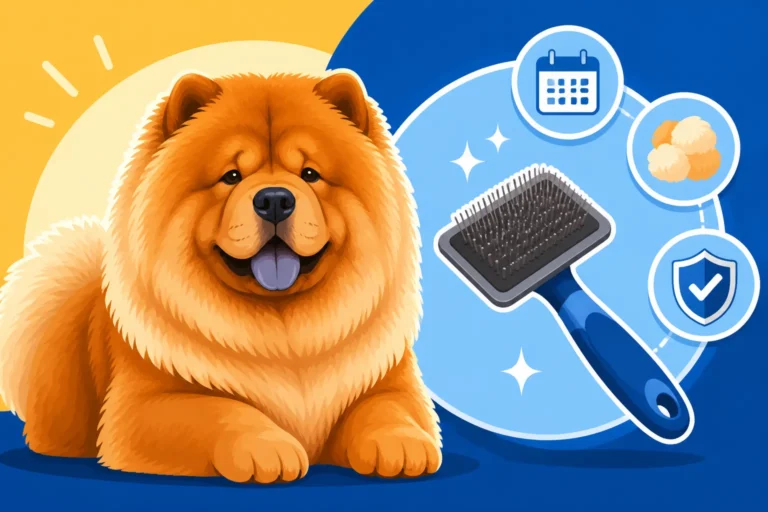
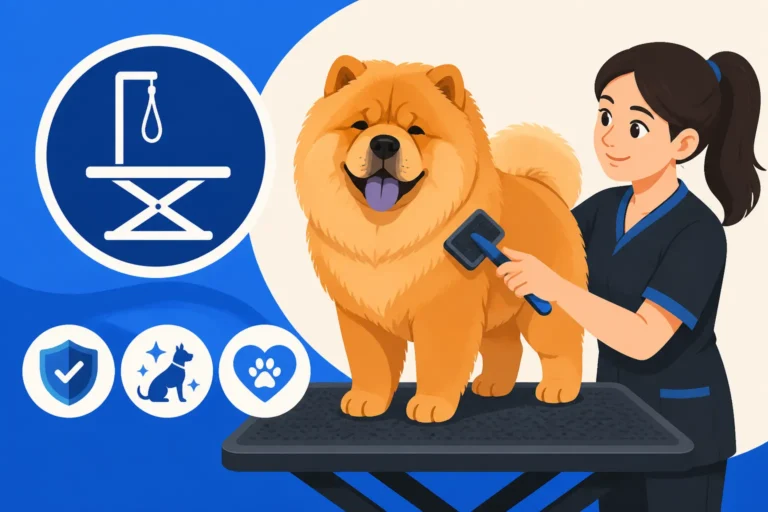
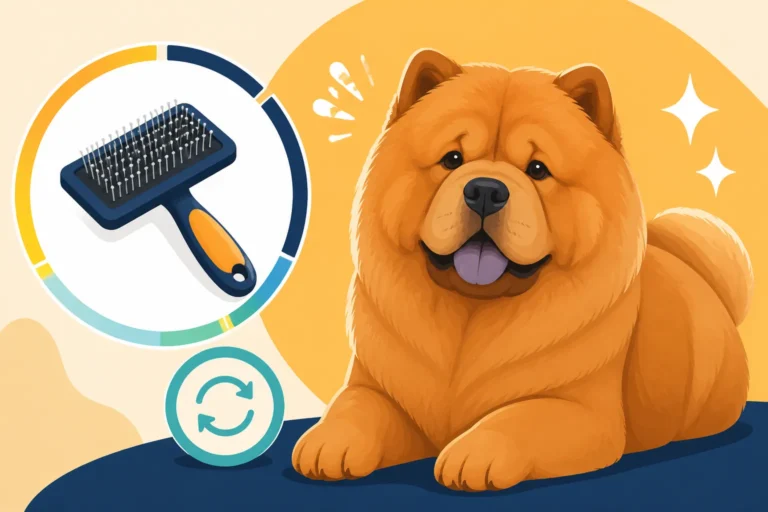
Regular, thorough brushing is the cornerstone of Chow Chow coat care, and it’s especially important for those stunning blue coats. Without it, dead undercoat accumulates, leading to mats, skin issues, and a dull, lifeless appearance that can make the color seem faded. You need to "line brush" your Chow Chow, which means systematically parting the fur and brushing from the skin out, ensuring you reach both the outer and undercoat. This process removes loose hair, prevents matting, and distributes the natural oils that contribute to a healthy sheen. For a blue coat, this sheen enhances the slate color, making it look vibrant and deep. Tools like a good slicker brush, a pin brush, and a sturdy metal comb are indispensable. You can find high-quality grooming tools readily available on platforms like Chewy or Amazon. Learning How to Line Brush a Chow Chow will be an invaluable skill for any Chow owner.
Bathing is another crucial step, though not as frequent as brushing. A clean coat is a healthy coat, and a healthy coat holds its color better. Aim for a bath every 4-6 weeks, or more often if your Chow gets particularly dirty. It’s important to use a shampoo specifically formulated for dogs, preferably one that is moisturizing and won't strip natural oils. For blue coats, avoiding harsh whitening shampoos that can sometimes have a bleaching effect on darker pigments is wise. After shampooing, a good conditioner helps to keep the hair hydrated and less prone to breakage and dullness. The trick with Chows is getting the water and shampoo all the way down to the skin, through that dense undercoat, and then rinsing thoroughly. After bathing, drying is equally critical; a damp undercoat can lead to skin problems. Utilizing a high-velocity dryer can drastically cut drying time and help "blow out" loose undercoat, further promoting coat health and color. Which Shampoo Suits a Chow Chow's Coat can help you choose the right products.
Avoiding Common Mistakes: Shaving and Harsh Products
When it comes to your Chow Chow's coat, especially a blue one, there are definitely some "don'ts" that can inadvertently lead to perceived fading or permanent coat damage. The most critical mistake to avoid is shaving your Chow Chow. While it might seem like a logical way to cool them down in summer or deal with a matted coat, shaving a double-coated breed like a Chow can have disastrous and often irreversible consequences. Their double coat isn't just for warmth; it actually helps regulate their body temperature, acting as insulation against both cold and heat. Shaving removes this natural protection, making them more susceptible to sunburn, overheating, and skin issues.
Furthermore, shaving can permanently alter the texture of their coat. The coarser guard hairs may not grow back correctly, or the softer undercoat might grow in predominantly, leading to a "cottony" texture that is even more prone to matting and less protective. This change in texture can also make the original blue color appear duller or uneven when it does regrow, as the light reflects differently off the altered hair structure. It truly is paramount to understand Why a Chow Chow Must Never Be Shaved.
Beyond shaving, be mindful of the products you use. Harsh shampoos, conditioners, or even spot treatments with strong chemicals can strip the coat of its natural oils, damage the hair shaft, and lead to dryness and dullness. This dullness can make any color, including blue, appear less vibrant and almost faded. Stick to gentle, dog-specific products, and always perform a patch test if you're trying something new. Similarly, resist the urge to use human hair dyes or color-enhancing products; these are not formulated for dogs and can be toxic or damaging.
What to Expect: True Fading vs. Perception
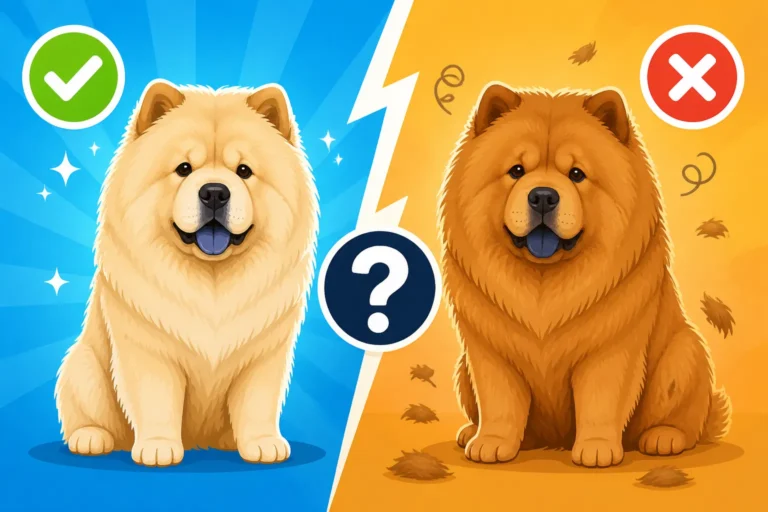
So, will your blue Chow Chow's coat truly fade? It's a nuanced question. While a genetic blue will always be a blue, how that color presents can certainly change. It's often a dance between inherent genetic predisposition and the multitude of environmental and care factors we've discussed.
Genetic Predisposition vs. Environmental Factors
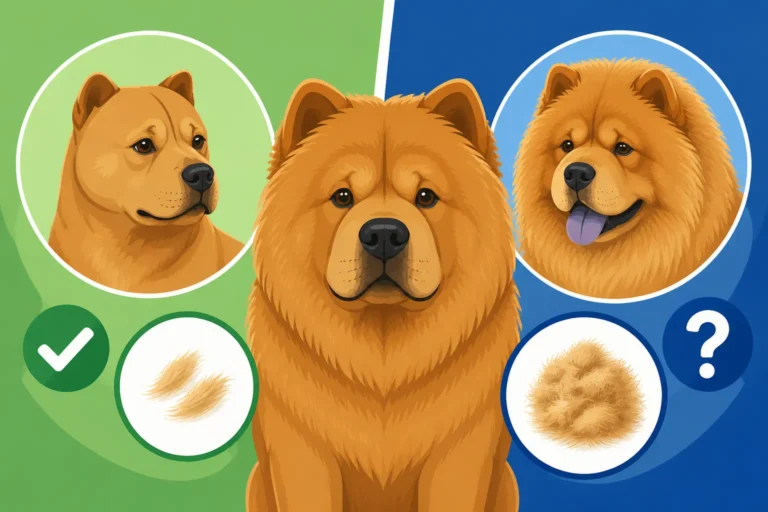
The underlying genetic code for your Chow Chow's blue coat is fixed from birth. They either carry the dilute gene, or they don't. This means a red Chow Chow won't suddenly turn blue, nor will a blue Chow become a true black. However, even within genetically "blue" lines, there can be subtle variations in the intensity and stability of the dilute black pigment. Some lines might naturally produce Chows whose blue coats hold their color with incredible depth and resistance to environmental factors, while others might be more prone to showing signs of "rusting" or lightening, even with the best care. This isn't necessarily a fault, but simply part of natural genetic variation.
Despite these genetic nuances, environmental factors typically play a much larger and more immediate role in the perceived fading or changing of a blue Chow Chow's coat throughout its lifetime. Sunlight exposure, diet, and grooming practices have a profound impact on the outer layer of the hair shaft, which is what we see. A Chow with a genetically stable blue coat can still appear faded if neglected, just as a Chow from a line prone to slight lightening might maintain a rich color with diligent care. It's often a combination, but the power you have as an owner to influence the coat's appearance through proper environmental management and care cannot be overstated.
Managing Expectations and Embracing the Natural Look
The most realistic approach to owning a blue Chow Chow is to manage your expectations. Your Chow's coat, while stunning as a puppy, will likely undergo subtle shifts and changes over its lifetime. It might not retain the exact same shade of intense slate blue it had when it was a tiny fluffball. A slight lightening or a warm "sun-kissed" effect, particularly if your Chow enjoys outdoor time, is a natural part of living and loving your dog. This doesn't diminish their beauty, nor does it indicate a flaw in their health, assuming you're providing appropriate care.
Instead of fixating on maintaining an absolutely static, unchanging color, focus your efforts on ensuring your Chow Chow's overall coat health. A healthy coat, regardless of minor color variations, will always be beautiful, soft, and reflective. Prioritize a high-quality diet, regular and thorough grooming, and mindful management of environmental stressors like excessive sun. Celebrate the unique evolution of your Chow's coat as they age, just as you celebrate their personality and bond. The slight changes are simply part of their story, reflecting the life they share with you. While Whether a Chow Chow's Coat Darkens With Age is a question many ponder, the truth is, a healthy coat is the most beautiful coat.
Disclaimer
This article is for general informational purposes only and does not constitute professional advice. Laws, prices and regulations vary by location and change over time. Consult a qualified professional for guidance on your specific situation.