How to Line Brush a Chow Chow
If you've ever owned a Chow Chow, you know the absolute struggle of keeping that magnificent, dense coat in good order. It's not just about looking pretty; an unkempt Chow Chow coat quickly becomes a painful, matted mess that can lead to serious skin issues and discomfort for your beloved furry friend. This guide is dedicated to mastering the art of line brushing, a vital technique that will save your sanity and keep your Chow Chow healthy and happy.
Why Line Brushing Is Absolutely Essential for Your Chow Chow
Let's be real, a Chow Chow's coat is both their crowning glory and, often, their owner's greatest challenge. It’s not a wash-and-wear kind of coat; it demands regular, thorough attention. Many new Chow Chow owners underestimate the commitment required, often realizing too late that a simple surface brush isn't cutting it. That's where line brushing comes in – it's the gold standard for getting deep into that incredible double coat.
Understanding the Chow Chow's Unique Coat
A Chow Chow's coat is a marvel of nature, designed to protect them from harsh climates. They have a thick, soft, woolly undercoat that acts as insulation, keeping them warm in winter and helping to regulate their temperature in warmer weather. Over this lies a coarse, straight outer coat, often referred to as guard hairs, which repels water and dirt. This combination is stunning, but it's also a trap for shed hair and debris if not properly managed. You can read more about What a Chow Chow's Double Coat Is Made Of to truly appreciate its complexity.
The challenge arises because the shed undercoat doesn't just fall out. Instead, it gets caught within the remaining live undercoat and the longer guard hairs. If not brushed out, these dead hairs compact, forming dense mats that pull on the skin. It’s not unlike trying to untangle a ball of yarn that’s been stepped on repeatedly. Without getting right down to the skin, you’re only scratching the surface, leaving the real problem to fester beneath.
This is especially true for the rough-coated Chow Chow, which boasts a more voluminous mane and feathering. Owners of smooth-coated Chows might think they're off the hook, but even their shorter double coat requires diligent brushing to prevent compaction, albeit perhaps not as frequently. However, even with the smooth variety, the undercoat still sheds and can quickly become a problem if not addressed properly.
The Dangers of Neglecting the Undercoat
Neglecting to brush deeply can lead to a host of painful and dangerous issues for your Chow Chow. The most obvious, of course, are mats. These aren't just cosmetic nuisances; they pull on the skin, causing pain and restricting movement. Imagine having your hair constantly tugged at – that’s what a matted coat feels like to your dog, but all over their body. These tight clumps of fur can also harbor moisture, creating a breeding ground for bacteria and yeast, leading to hot spots and severe skin infections.
Beyond the immediate discomfort, matted areas can hide parasites like fleas and ticks, making them incredibly difficult to detect and remove. Furthermore, a severely matted coat can impair a Chow Chow's ability to regulate their body temperature, potentially leading to overheating, especially during warmer months. It’s a vicious cycle: the mats trap heat, the dog gets hot, the skin gets irritated, and more problems arise. This is why thorough brushing, specifically line brushing, is not just about keeping them looking good, but about their fundamental well-being.
Health Benefits Beyond Just Aesthetics
Regular, effective line brushing offers numerous health benefits for your Chow Chow that extend far beyond a tidy appearance. First and foremost, it promotes healthy skin and coat by stimulating blood circulation. This helps distribute natural oils throughout the coat, keeping it shiny and strong, and reducing dryness. It's like a deep tissue massage for their skin, encouraging cellular turnover and growth.
Secondly, consistent line brushing allows you to perform regular health checks on your dog. As your hands move through their fur, you'll be able to feel for any lumps, bumps, skin irritations, or external parasites that might otherwise go unnoticed beneath that dense coat. This early detection can be critical for addressing potential health issues before they become more serious. Remember, Why a Chow Chow's Dense Coat Hides Skin Disease is a real concern, so your attentive touch is essential.
Lastly, and perhaps most importantly for your Chow Chow's comfort, it removes all the dead and shedding undercoat, preventing painful mats from forming. This not only makes them more comfortable but also dramatically reduces shedding around your home. While a Chow Chow will always shed, especially during their twice-yearly "coat blow," consistent line brushing can make these periods far more manageable for both of you. It’s a win-win, really.
Gathering Your Arsenal: The Right Tools for Line Brushing
You wouldn't attempt to build a house with just a hammer, and you certainly shouldn't try to line brush a Chow Chow with just any old brush. Having the right tools is paramount to success, efficiency, and ensuring your dog's comfort. Investing in quality equipment from the start will save you frustration and potential vet bills down the line.
Essential Brushes and Combs
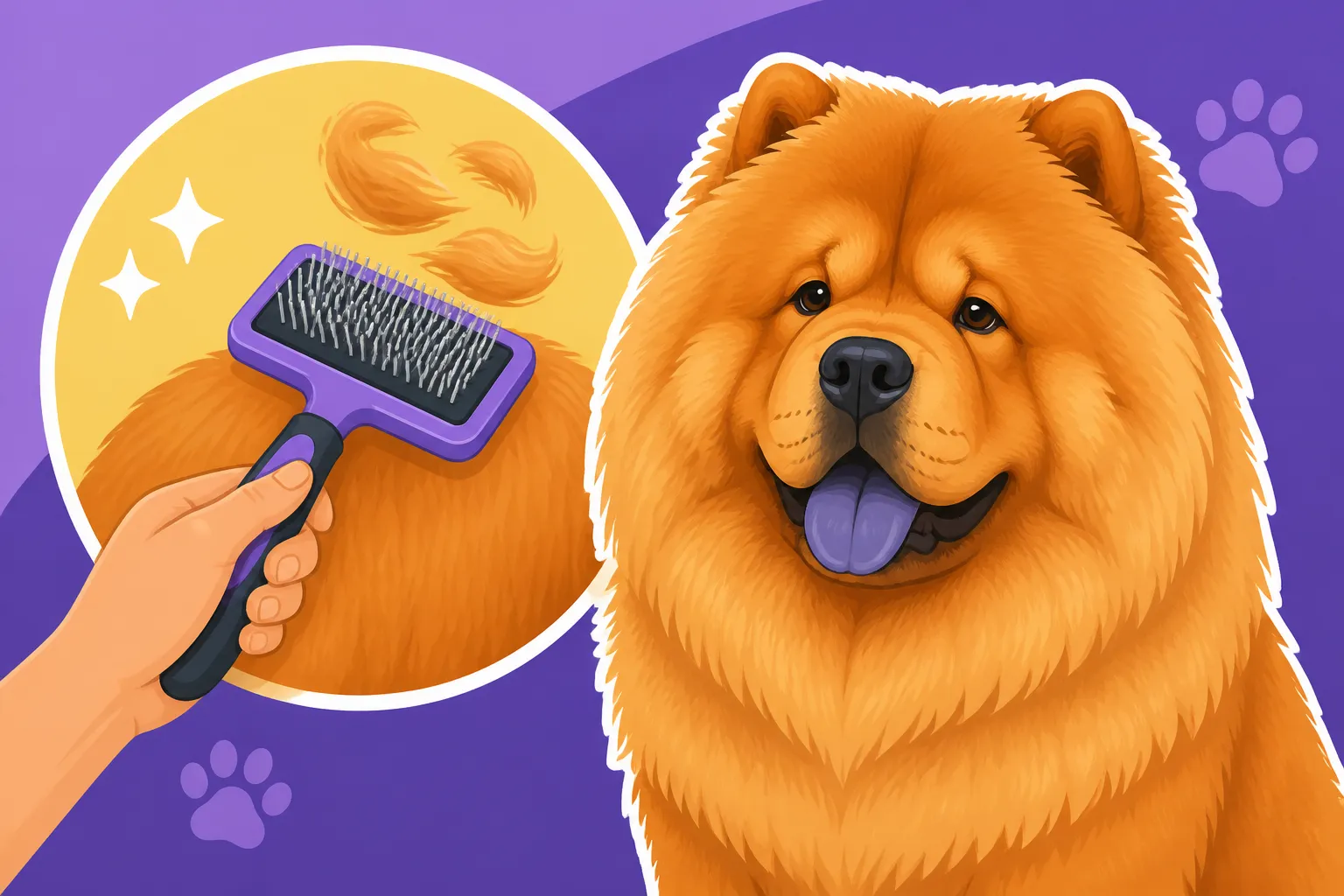
When it comes to line brushing a Chow Chow, you need a specific set of tools designed to tackle their unique coat. The first must-have is a good quality slicker brush. Look for one with firm, angled pins that can reach down to the skin without scratching. This brush is your primary tool for separating and lifting the undercoat. Next, an undercoat rake is absolutely invaluable. These rakes have sturdy, widely spaced teeth designed to gently pull out loose undercoat without damaging the guard hairs. Many Chow Chow owners find them indispensable, and you might wonder Whether an Undercoat Rake Suits a Chow Chow – the answer is a resounding yes!
Finally, a sturdy metal comb with both wide and fine teeth is crucial for checking your work and ensuring no tangles have been missed. The wide-toothed side is great for initial detangling, while the fine-toothed side helps you feel confident that you've reached all the way to the skin. You can find excellent options for all these tools on platforms like Chewy or Amazon, where reviews can help you gauge quality. Don't cheap out on these; a flimsy brush will only make the job harder and less effective.
Here's a quick look at the essential grooming tools you'll need:
| Tool | Purpose | Why it's Crucial for Chows |
|---|---|---|
| Slicker Brush | Separates and lifts undercoat, removes loose hair | Reaches deep into dense fur without irritating skin. |
| Undercoat Rake | Gently pulls out dead undercoat | Designed for double coats, prevents matting at the skin. |
| Metal Comb | Detangling, checking for mats, finishing | Ensures thoroughness, ideal for isolating small sections. |
| Pin Brush | General grooming, stimulating skin, distributing oils | Good for top coat, less effective for undercoat on its own. |
| Detangling Spray | Loosens knots, reduces static, protects coat | Makes brushing easier, prevents breakage, adds shine. |
| High Velocity Dryer | Removes loose hair, speeds drying after baths | Blasts out dead undercoat, crucial during coat blows. |
Supporting Tools for a Smooth Session
Beyond the core brushes and combs, a few other items will make your line brushing sessions much smoother. A good detangling spray or conditioning mist can be a lifesaver. Spritzing a section of coat before brushing helps to loosen any minor tangles, reduces static electricity, and makes the brush glide more easily through the fur, minimizing discomfort for your dog. This can also prevent breakage of healthy hairs.
You’ll also want a sturdy grooming table or a non-slip mat on a raised surface. This elevates your Chow Chow to a comfortable working height, saving your back and keeping your dog more contained. If your Chow Chow is particularly squirmy, a grooming arm with a noose can provide gentle restraint, keeping them safely in place without causing stress. Remember, creating a positive experience is key, especially if you're teaching a Chow Chow to accept being groomed.
Finally, consider a high-velocity dryer, particularly if you're tackling a major coat blow or brushing after a bath. While not strictly a "brushing" tool, these powerful dryers can physically blast out an incredible amount of loose undercoat, making subsequent brushing much easier and more effective. Many professional groomers swear by them for double-coated breeds.
Creating a Comfortable Grooming Space
Setting up the right environment is just as important as having the right tools. Choose a quiet, well-lit area where both you and your Chow Chow can be comfortable and focused. A distracting environment can make an already independent breed even less cooperative. Make sure the room is a comfortable temperature; you don't want your Chow Chow getting overheated during a long session.
Lay down a non-slip mat or towel on your grooming surface to prevent slips and slides, which can make your dog anxious. Have all your tools laid out and within easy reach before you begin. This minimizes interruptions and keeps the flow of the session smooth. Also, having a few high-value treats on hand is a great idea to reward cooperation and create positive associations with grooming time. Even a notoriously independent Chow Chow can be swayed by a tasty bribe!
The Step-by-Step Guide to Line Brushing a Chow Chow
Now for the main event: mastering the line brushing technique. This isn't a quick once-over; it's a methodical process that ensures every inch of your Chow Chow's dense coat is properly addressed. Don't rush it. This is an investment in your dog's comfort and health.
Preparing Your Chow Chow and the Area
Before you even pick up a brush, take a few minutes to prepare. First, ensure your Chow Chow is calm. A short walk or a play session beforehand can help burn off excess energy. Start with a gentle petting session, reassuring them with your touch and a calm voice. If your Chow Chow is new to extensive grooming, keep initial sessions short and positive, gradually increasing duration as they become more accustomed. This patience pays dividends when trying to teach Teaching a Chow Chow to Be Brushed.
Place your Chow Chow on your grooming table or designated grooming spot. Give them a few treats to associate the location with good things. Lightly misting their coat with your detangling spray can help, especially if you notice any static or minor tangles. This also preps the coat for easier brushing and minimizes breakage. Inspect their coat visually for any obvious dirt or large clumps before you begin, removing any surface debris with your hands.
Mastering the Line Brushing Technique
Line brushing is all about systematically working through the coat, section by section, down to the skin. Here’s how you do it:
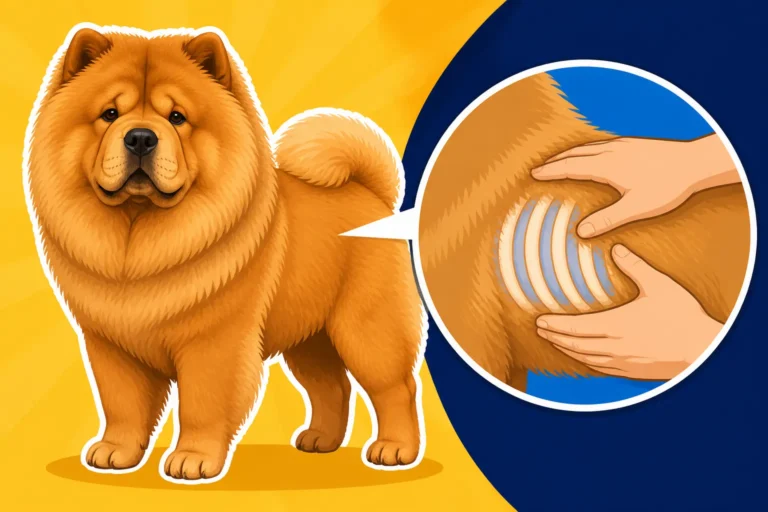
- Start at the Bottom Up: This is the most effective approach. Begin with a rear leg or a section of the chest, usually the easiest areas for a Chow Chow to tolerate. With one hand, part your Chow Chow's fur horizontally, exposing a narrow "line" of skin. Imagine you're creating a shelf of hair that you're going to brush down from.
- Brush the Exposed Skin and Fur: Take your slicker brush and, with gentle but firm strokes, brush down from the exposed skin line, through the fur, and out towards the ends. The goal is to feel the slicker brush pins lightly scratching the skin, ensuring you’re reaching all the way through the undercoat. Repeat these strokes several times until the section feels smooth and you can easily pull the metal comb through it.
- Drop Another Line: Once that section is thoroughly brushed, drop down a small amount more fur from the "shelf" you created, revealing another narrow line of skin just below the first brushed section. Now, brush this new line in the same manner, again brushing down from the exposed skin and blending it with the previously brushed section.
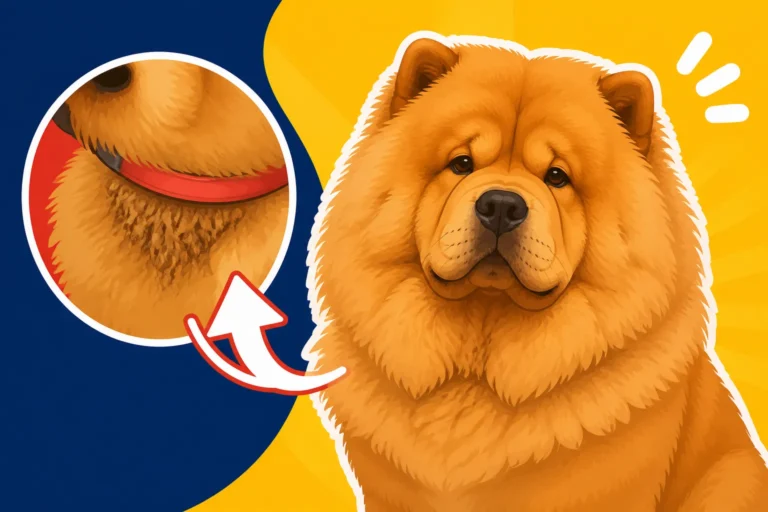
- Work Systematically: Continue this process, working your way up the leg, then move to the body, chest, sides, and eventually the more sensitive areas like the mane, britches, and tail. Always work in small sections. Patience is key. This meticulous method ensures you don't miss any areas, especially Where a Chow Chow Mats First – typically behind the ears, armpits, and britches.
- Use the Undercoat Rake: Once you've gone over a section with the slicker brush, follow up with the undercoat rake. Use it to gently pull through the coat, removing any remaining loose undercoat. You'll be amazed at how much fur this tool can extract, even after slicker brushing.
- The Metal Comb Test: After using both the slicker brush and undercoat rake on a section, take your metal comb. Run the fine-toothed side all the way through the section, from skin to tip. If the comb glides through without snagging, you’ve done a good job on that section. If it snags, go back with your slicker brush and rake, and repeat until the comb passes freely. This is your ultimate verification that no mats remain. This comb is vital to identify if Which Comb Finds a Chow Chow's Mats.
Post-Brushing Care and Inspection
Once you’ve line brushed your entire Chow Chow, take a few moments for final touches and inspection. Give them a full-body once-over with your hands, feeling for any missed spots or lingering tangles. Pay extra attention to common problem areas like the ruff, behind the ears, the armpits, and the "britches" on their rear legs.
A final, light brush with a pin brush can help smooth the top coat and distribute natural oils, leaving their fur looking lustrous. You can also give them a final spritz of detangling spray or a coat conditioner for added shine and softness. And of course, heap on the praise and treats! End every grooming session on a positive note so your Chow Chow looks forward to the next one. This consistent effort will mean that How Long Home Grooming a Chow Chow Takes Weekly becomes a manageable routine rather than an overwhelming chore.
Common Challenges and Troubleshooting
Line brushing a Chow Chow, while deeply rewarding, isn't always a walk in the park. These dogs can be notoriously particular about being handled, and their dense coats present their own set of challenges. It's important to anticipate these hurdles and have strategies ready to overcome them.
Dealing with a Reluctant Chow Chow
Many Chow Chows can be quite aloof, and some simply don't enjoy being fussed over, especially when it comes to extensive grooming. If you have a Chow Chow that resists brushing, patience and positive reinforcement are your best friends. Start by keeping sessions very short – literally a minute or two – and end on a positive note, even if you’ve only managed to brush a tiny section. Shower them with praise and high-value treats for any cooperation. If your Chow Chow pulls away or shows signs of discomfort, stop, reassure them, and try again when they are calmer.
Never force your Chow Chow, as this can create a negative association with grooming that is very hard to overcome. Muzzle training, introduced positively, can be a useful safety measure for both you and your dog, allowing you to groom without fear of a snap if they're particularly grumpy. For more insights on this, refer to Why a Chow Chow Resists the Brush and strategies to make grooming more tolerable. Consistency is crucial; establish a regular routine so they know what to expect.
Tackling Tough Mats and Tangles
Despite your best efforts, mats can and will happen. When you encounter a mat, your first instinct might be to pull it out, but resist this urge! Yanking on mats is painful and can damage the skin. Instead, start by isolating the mat. Use your fingers to gently try and pull apart the edges of the mat. Apply a liberal amount of detangling spray or even cornstarch, which can help absorb oils and make the hair less sticky.
Work from the outside of the mat, teasing out small strands with the tip of your metal comb or a dematting tool. Never try to pull the whole mat out at once. If the mat is very tight and close to the skin, you may need to carefully use blunt-nosed scissors to cut into the mat (never cut parallel to the skin, always point the tip out, away from the skin, and cut into the mat to break it up). Better yet, use a mat splitter tool designed for this purpose. If a mat is too severe or painful, it's always best to consult a professional groomer or veterinarian, as sometimes shaving is the only humane option. Remember, When a Mat Should Be Cut Out of a Chow Chow is a question of severity and safety.
Maintaining Consistency Between Full Sessions
Line brushing a Chow Chow is a significant time commitment; How Long Brushing a Rough Chow Chow Takes can easily stretch over an hour for a thorough job. You likely won't be able to do a full line brush every single day. The key is to maintain consistency with shorter, daily spot checks or mini-sessions between full line brushing sessions.
Dedicate 10-15 minutes each day to quickly brush through common matting areas: behind the ears, under the chin, the armpits, and the britches. Use your metal comb to check these spots for any budding tangles. This proactive approach prevents small knots from becoming enormous, painful mats that require hours of work to remove. By staying on top of these trouble spots, you'll make your full line brushing sessions less arduous and ensure your Chow Chow remains comfortable and mat-free. It truly is about prevention rather than cure, especially since Whether Mats Hurt a Chow Chow is a definite yes, and can even lead to issues like Whether a Matted Chow Chow Gets Hot Spots.
Disclaimer
This article is for general informational purposes only and does not constitute professional advice. Laws, prices and regulations vary by location and change over time. Consult a qualified professional for guidance on your specific situation.