Why a Chow Chow Resists the Brush
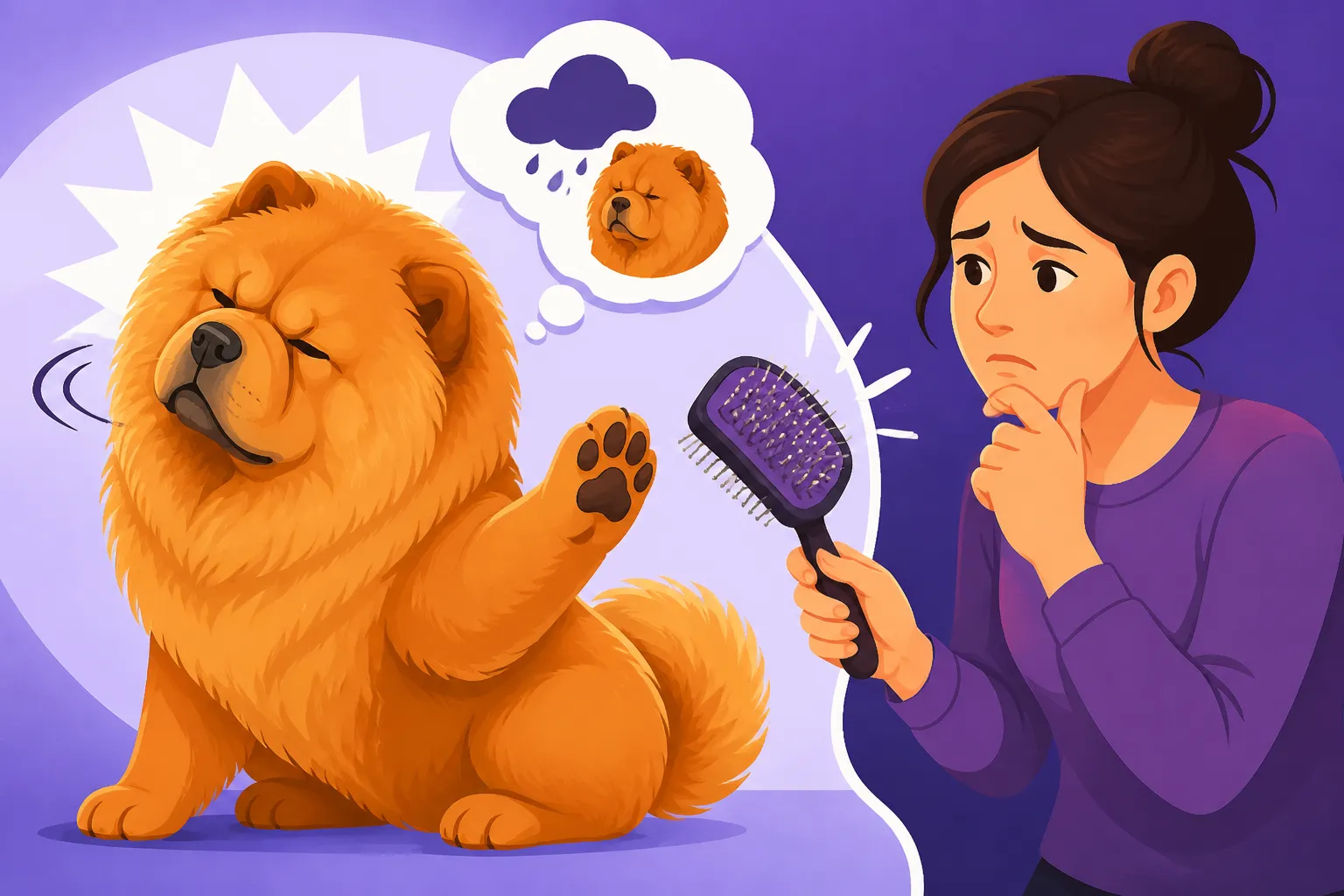
It’s a tale as old as time for many Chow Chow owners: you pull out the brush, and your majestic fluffball suddenly transforms into a brick wall of stubborn resistance, maybe even a growling, snapping cloud of disapproval. Trying to groom a Chow Chow that doesn't want to be groomed can feel like an impossible mission, leaving you frustrated and your dog uncomfortable. This guide is here to shed light on why your Chow Chow resists the brush and, more importantly, to give you actionable strategies to turn grooming time into a peaceful, even pleasant, experience.
Understanding the Chow Chow's Unique Temperament
Before we even touch a brush, it's vital to understand the Chow Chow's deeply ingrained personality. These aren't your typical eager-to-please golden retrievers. Chows are an ancient breed with a distinct temperament that influences almost every interaction, especially something as personal as grooming.
The Chow Chow's Independent Nature
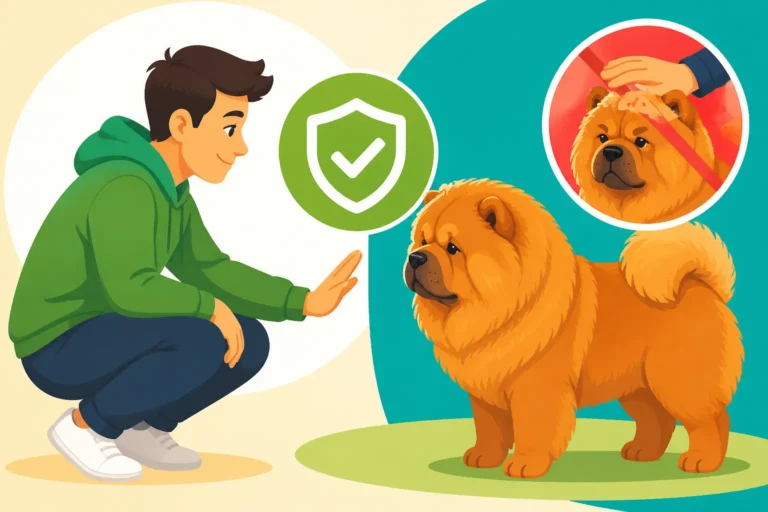
Chow Chows are often described as cat-like, and there’s a lot of truth to that. They value their personal space and independence fiercely. Unlike many breeds that thrive on constant physical affection and readily submit to handling, a Chow Chow typically doesn't appreciate being manhandled or forced into situations they don't choose. This isn't about disrespect; it's simply how they're wired. When you approach them with a brush, especially if it feels like an unexpected intrusion, their natural inclination is to resist.
Imagine someone constantly fussing with your hair when you'd rather be left alone. You might tolerate it from a loved one, but if it's done roughly or without your consent, you'd definitely push back. A Chow Chow reacts much the same way. They don't see grooming as an act of love or necessity; they often see it as an invasion.
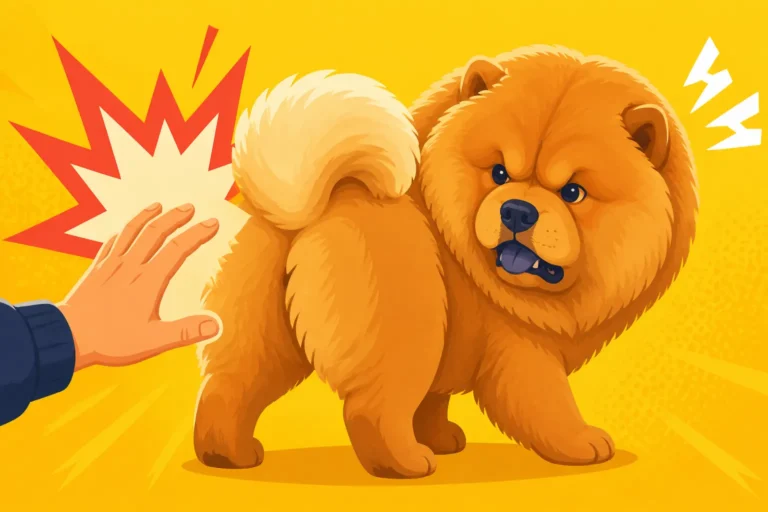
This deep-seated independence means that any attempt to physically overpower them during grooming is likely to backfire spectacularly. It can erode trust, make future sessions even more difficult, and potentially lead to defensive snapping. You're not just fighting a dog; you're fighting thousands of years of breed history that emphasizes self-reliance.
Distrust of Unfamiliar or Forced Interaction
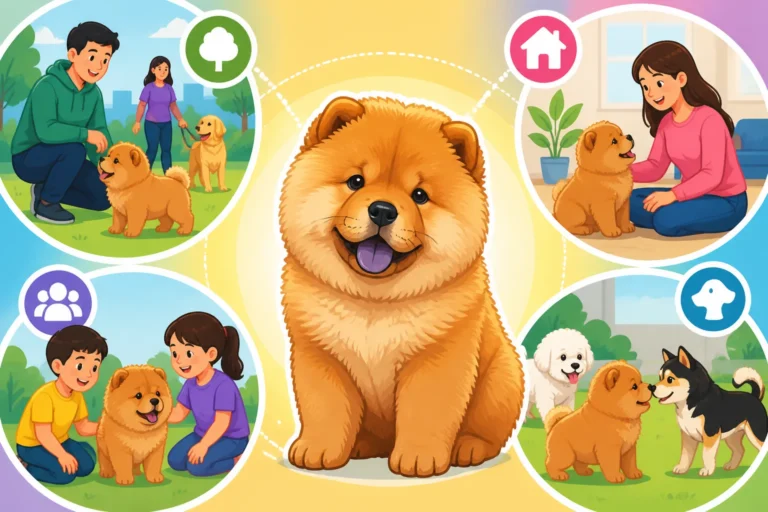
A Chow Chow's reserved nature extends to interactions with people they don't know well or situations they perceive as threatening. If your Chow Chow hasn't been properly socialized to grooming from a young age, or if previous grooming experiences have been negative, they will naturally be wary. Their default mode is often one of suspicion, especially towards strangers or unfamiliar tools. How to Introduce a Chow Chow to a Stranger provides some good insights into their typical social behavior.
Think about a vet visit: a Chow Chow often requires extra care because they generally dislike being handled by strangers, and a groomer can fall into that category if not introduced correctly. If a groomer or even you, the owner, start brushing without establishing a calm, trusting foundation, the Chow Chow's defensive instincts can kick in. They might growl, try to bite, or simply flee. This isn't aggression for the sake of it; it's a deep-seated protection of their personal boundaries.
Building trust is paramount. Every positive interaction, no matter how small, adds to a bank of good experiences. Conversely, every negative or forced interaction withdraws heavily from that bank, making it harder to convince them that the brush isn't an enemy. It's a slow process that requires patience and consistency.
Physical Sensitivities and Challenges of a Chow Chow's Coat
Beyond temperament, there are very real physical reasons why a Chow Chow might resist the brush. Their unique coat, skin, and even their facial structure can make grooming uncomfortable if not approached correctly.
The Dense Double Coat and Matting Pain
A Chow Chow's magnificent double coat is a marvel of nature, but it's also a common source of grooming frustration. They have a soft, dense undercoat and a coarser outer coat. This combination is designed to protect them from extreme temperatures, but it's also a magnet for mats and tangles. When a brush snags on a mat, it pulls on the skin, causing pain. Even a small mat can be incredibly uncomfortable, and a large one can be agonizing.
Many owners underestimate just how painful mats can be. They can pull at the skin, restrict movement, and even lead to skin infections if left unchecked. A dog that has experienced the sharp tug of a brush on a mat will naturally associate the brush with pain and will do everything in its power to avoid it. This is not stubbornness; it's a survival instinct. When a Mat Should Be Cut Out of a Chow Chow discusses the severity of mats.
Regular, thorough line brushing is essential to prevent mats from forming. This means brushing in small sections, from the skin outwards, rather than just skimming the top layer of fur. If you're not getting down to the skin, mats are forming underneath, creating a painful surprise during your next grooming session. How to Line Brush a Chow Chow offers detailed advice on this technique.
Skin Sensitivity and Hidden Issues
Chow Chows can have sensitive skin, which can be easily irritated by harsh brushing or underlying skin conditions. Their thick coat can also hide a multitude of problems, from hot spots and allergies to more serious issues like autoimmune diseases. If your Chow Chow is suddenly resisting the brush more than usual, it's always wise to rule out any medical reasons first.
A simple flea bite, a patch of dry skin, or a mild irritation can make the entire grooming experience incredibly unpleasant. Because their coat is so dense, these issues can go unnoticed until they become quite severe. Imagine trying to brush through an itchy rash or an open sore. Your Chow Chow is feeling that pain, and the brush simply exacerbates it.
Their heavy coat and skin folds, particularly around the face and neck, can also be prone to irritation. Moisture can get trapped, leading to infections that are sensitive to touch. If your Chow Chow is showing signs of discomfort or pain during grooming, a trip to the vet is a good idea to ensure there are no hidden skin conditions making the experience unbearable.
Deep-Set Eyes and Limited Vision
While not directly related to the feel of the brush, a Chow Chow's deep-set eyes and the surrounding facial structure can contribute to their resistance. Their unique head shape means they don't have the peripheral vision of many other breeds. An unexpected approach from the side or behind can startle them, making them react defensively. Why a Chow Chow Snaps at Someone It Did Not See explains this behavior in more detail.
When you're trying to brush around their head, ears, or neck, you might inadvertently come into their limited field of vision suddenly, or worse, approach from an angle where they can't see you at all. This can cause them to jump, turn their head sharply, or even snap out of surprise rather than malice. It's a natural, instinctual reaction to a perceived threat they couldn't anticipate.
To mitigate this, always approach your Chow Chow from the front, speak to them calmly, and let them see the brush before you start. Make sure they are aware of your presence and what you are doing. This small consideration can go a long way in preventing startling reactions and building a more trusting environment for grooming.
Building a Positive Grooming Experience from Puppyhood
The best way to address brush resistance is to prevent it from becoming an issue in the first place, starting when your Chow Chow is a puppy. However, if you have an adult dog, don't despair; it's never too late to start building positive associations.
Early Desensitization and Positive Reinforcement
From the moment you bring your Chow Chow puppy home, you should begin a process of gentle desensitization to handling. This means touching their paws, ears, tail, and all over their body daily, even if it's just for a few seconds. Pair these touches with high-value treats and praise. The goal is to make them associate handling with good things. For puppies, resources like BAXTER & Bella's online puppy training courses often have modules dedicated to preparing your dog for veterinary visits and grooming, teaching you how to introduce these experiences positively.
When you introduce the brush, start small. Let them sniff it, touch them briefly with it, then immediately give a treat and praise. Don't even try to brush at first. Gradually increase the duration and intensity, always stopping before they get uncomfortable. The key is to keep every session positive and short, ending on a good note. This builds a foundation of trust and helps them learn that the brush isn't something to fear.
Consistency is crucial. Aim for several short, positive sessions a day rather than one long, stressful one. This consistent, gentle exposure, always paired with rewards, will help reshape their perception of grooming from a potential threat to a pleasant routine. This applies to older dogs too; you just need to be extra patient and prepared for slower progress.
Choosing the Right Tools and Technique
Using the wrong grooming tools can turn a routine brush into a painful ordeal. A simple pin brush or slicker brush used incorrectly will only skim the surface of a Chow Chow's dense coat, leaving mats underneath and causing unnecessary pulling. You need tools that can effectively reach down to the skin without causing discomfort. An undercoat rake, for example, is indispensable for a Chow Chow's thick fur, helping to remove dead undercoat before it forms mats. You can find a wide variety of effective grooming tools, including undercoat rakes and high-velocity dryers, on platforms like Amazon.
Proper technique is equally important. Instead of dragging the brush through their coat, use a method called "line brushing." This involves parting the coat, holding the top section up, and brushing the bottom section from the skin outward, layer by layer. This ensures you're clearing all the dead undercoat and preventing mats without pulling live hair. This technique requires patience but is far more effective and comfortable for your dog.
A high-velocity dryer, while an investment, can also be a game-changer. It blasts away loose undercoat, reduces drying time after baths, and can often be tolerated better than a brush for initial coat work. Introducing new tools slowly and positively, with plenty of treats, is essential.
When to Seek Professional Help
Sometimes, despite your best efforts, grooming resistance can be too much to handle alone. This is when a professional groomer or even a certified force-free trainer can be an invaluable resource. A professional groomer who has experience with Chow Chows will understand their temperament and coat requirements. They often have specialized equipment and techniques to manage difficult dogs safely and humanely.
Look for groomers who emphasize positive reinforcement and "fear-free" techniques. They should be willing to do "happy visits" where your Chow Chow comes in just for treats and gentle handling, gradually building comfort with the salon environment and the groomer. It’s also important to find a groomer who charges by time, especially for a challenging Chow Chow, as their sessions can be longer. Why some groomers refuse a Chow Chow highlights some of the challenges they face.
For extreme cases of fear or aggression, working with a certified professional dog trainer can help address the underlying behavioral issues. They can guide you through desensitization and counter-conditioning protocols to help your Chow Chow overcome their fear of handling and grooming. This may involve teaching your dog to relax on a grooming table or accept a muzzle for safety while working through their fears.
Common Mistakes Owners Make and How to Avoid Them
Even with the best intentions, owners can inadvertently make grooming more difficult for their Chow Chow. Recognizing these common pitfalls is the first step toward a smoother, more stress-free grooming routine.
Forcing and Punishing Resistance
One of the biggest mistakes an owner can make is attempting to force a Chow Chow to tolerate grooming or punishing them for resistance. As we discussed, Chow Chows are independent and will shut down under pressure. Forcing them to endure something they find unpleasant or painful will only escalate their fear and resistance, potentially leading to defensive aggression. Why a Chow Chow Shuts Down Under Pressure elaborates on this behavioral trait.
Punishment, whether verbal or physical, is particularly detrimental. It teaches your Chow Chow that grooming time is scary and that you are unpredictable. This erodes trust and makes it highly likely they will become even more resistant, making future sessions a battleground. Instead of teaching them to accept the brush, you're teaching them to fear it – and you.
The solution is to back off immediately when your Chow Chow shows signs of discomfort or resistance. Take a break, reassess your approach, and try again with more positive reinforcement. If they growl, stop. If they pull away, let them. The goal is to always stay below their threshold of fear and discomfort, gradually increasing their tolerance. It’s a dance, not a wrestling match.
Inconsistent Grooming Schedules
Another common error is inconsistent grooming. A Chow Chow's coat, especially the rough variety, needs regular attention. Skipping brushing sessions, particularly during coat blow seasons, can quickly lead to mats that are painful to remove. When grooming is irregular, the dog doesn't get used to the routine, and mats have more time to form, making each subsequent session unpleasant. How Often a Rough Coated Chow Chow Needs Brushing provides guidance on ideal frequency.
Imagine if you only went to the dentist when you had a painful cavity. You'd associate the dentist with pain, right? If you went for regular cleanings, you'd likely have a much better experience. It’s the same for your Chow Chow. Regular, short grooming sessions prevent severe matting and help them get accustomed to the process.
Establish a consistent grooming schedule and stick to it. For a rough-coated Chow Chow, this might mean daily quick brushes or several thorough sessions each week. Even smooth-coated Chows benefit from regular brushing to remove dead hair and keep their skin healthy. Consistency creates predictability, which can be comforting for a Chow Chow who thrives on routine.
Using Ineffective Tools or Techniques
As mentioned, using the wrong tools or improper techniques can make grooming painful and ineffective. Many owners, perhaps out of unfamiliarity with the breed's unique coat, rely on brushes that simply don't penetrate the dense undercoat. This leaves dead hair and nascent mats undetected, leading to bigger problems down the line.
| Tool Type | Purpose | Why it's Important for Chows | Common Mistakes |
|---|---|---|---|
| Undercoat Rake | Reaches deep to remove loose undercoat | Prevents matting in thick double coat | Not used frequently enough, used too aggressively |
| Slicker Brush | Detangles and smooths topcoat | Good for finishing, surface tangles | Used as primary tool, doesn't reach undercoat |
| Pin Brush | Gentle detangling, overall coat maintenance | Good for longer outer coat, less aggressive | Not effective enough for dense undercoat |
| High Velocity Dryer | Blasts out loose hair, dries coat to the skin | Crucial for preventing damp coat issues & coat blow | Not introduced gradually, dog fears noise |
| Wide-Toothed Comb | Finds hidden mats after brushing | Ensures coat is truly mat-free | Skipping this step, pulling on tangles |
Investing in high-quality tools designed for double-coated breeds is essential. Platforms like Amazon offer a vast selection of professional-grade undercoat rakes, slicker brushes, and high-velocity dryers that can make a real difference. Learning the correct technique for each tool is just as important as having them. Don't be afraid to watch videos, attend workshops, or ask a professional groomer for a demonstration. Grooming a Chow Chow is an art, and mastering it will save both you and your dog a lot of heartache.
Ultimately, grooming a Chow Chow who resists the brush is a journey of understanding, patience, and positive reinforcement. It's about respecting their unique personality and physical needs, and building a foundation of trust that makes the process bearable, and even enjoyable, for both of you.
Disclaimer
This article is for general informational purposes only and does not constitute professional advice. Laws, prices and regulations vary by location and change over time. Consult a qualified professional for guidance on your specific situation.