Whether a Chow Chow Mats Behind the Elbows
Oh, the infamous Chow Chow double coat! It's one of their most magnificent features, a truly regal ruff that makes them look like a lion. But let's be honest, that glorious coat can also be a never-ending source of frustration, especially when it comes to those sneaky, stubborn mats. One area that consistently gives us Chow Chow parents grief is right behind their elbows – a spot many owners don't even realize is a prime target until it's too late. This guide is all about tackling that particular problem zone, helping you understand why it happens, how to prevent it, and what to do when those dreaded tangles inevitably appear.
The Chow Chow Coat: A Magnet for Mats
Anyone who lives with a Chow Chow knows their coat isn't just fur; it's a dense, intricate ecosystem designed to keep them warm in harsh climates. This beautiful, protective layer is also what makes them so susceptible to matting, and understanding its structure is the first step to winning the battle against tangles.
The Double-Coated Challenge: Why Mats Form
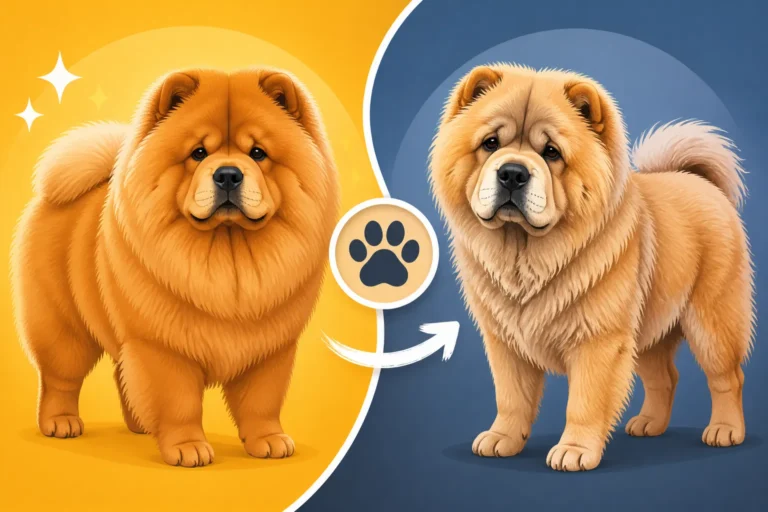
A Chow Chow's coat is what we call a "double coat," meaning it consists of two distinct layers. There's a soft, thick, woolly undercoat that provides insulation, and a coarser, longer outer coat (often called guard hairs) that protects against the elements. It’s this combination that creates the perfect storm for matting. The fine, downy undercoat is incredibly prone to tangling, especially when old, dead hair gets caught up in the new growth and isn't brushed out regularly. Think of it like a giant wool sweater that's been thrown in the wash and then left to air dry in a crumpled heap – it just wants to stick together.
These mats start small, often as little knots, but if left unattended, they can quickly grow into large, felted clumps that pull on the skin. It’s not just an aesthetic issue; these mats can cause serious discomfort, skin irritation, and even infections. Imagine having a tight knot constantly pulling at your hair, multiplied across your entire body. That's what a matted coat feels like to a Chow Chow. The density of their fur, particularly in areas where it's thicker and more prone to friction, makes this a constant challenge. Rough or Smooth: the Two Chow Chow Coats and What Each Needs goes into more detail about these coat types.
Rough vs. Smooth: Matting Differences
Chow Chows come in two distinct coat varieties: rough and smooth. While both are double-coated, their matting tendencies can differ slightly.
The rough-coated Chow Chow is the more common and well-known variety, characterized by its abundant, dense, and straight outer coat, creating that iconic lion's mane and feathered britches. This coat, while stunning, is an absolute mat magnet. The sheer volume and length of the fur, combined with the dense undercoat, mean that tangles can form almost anywhere, and they can progress rapidly if not addressed. Areas like behind the ears, the ruff, the britches, and yes, behind the elbows, are particularly vulnerable. It requires significant dedication to grooming to keep a rough coat mat-free.
The smooth-coated Chow Chow has a shorter, harder outer coat with a less dense undercoat. While often considered "easier" to maintain, don't let that fool you into thinking they're mat-proof. They still have that crucial undercoat, and friction-prone areas can still develop mats, albeit perhaps not as quickly or as severely as their rough-coated counterparts. The mats might be less visible due to the shorter outer coat, which can sometimes lead to them being overlooked until they're quite tight against the skin. Regular, thorough brushing is still paramount for both varieties, especially during seasonal coat blows.
Why Elbows Are a Prime Matting Zone
So, why do Chow Chows seem to get those particularly nasty mats right behind their elbows? It's not just random bad luck; it's a combination of anatomy, movement, and everyday habits that turn this spot into a notorious trouble zone.
Anatomy and Movement: The Root Cause
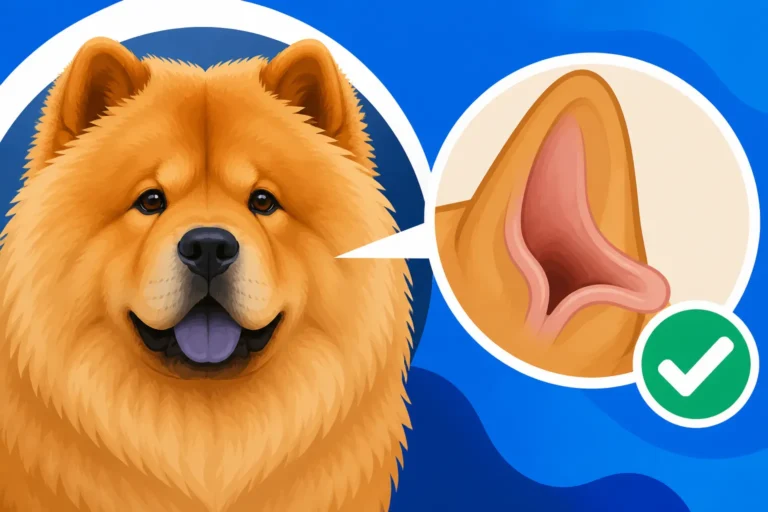
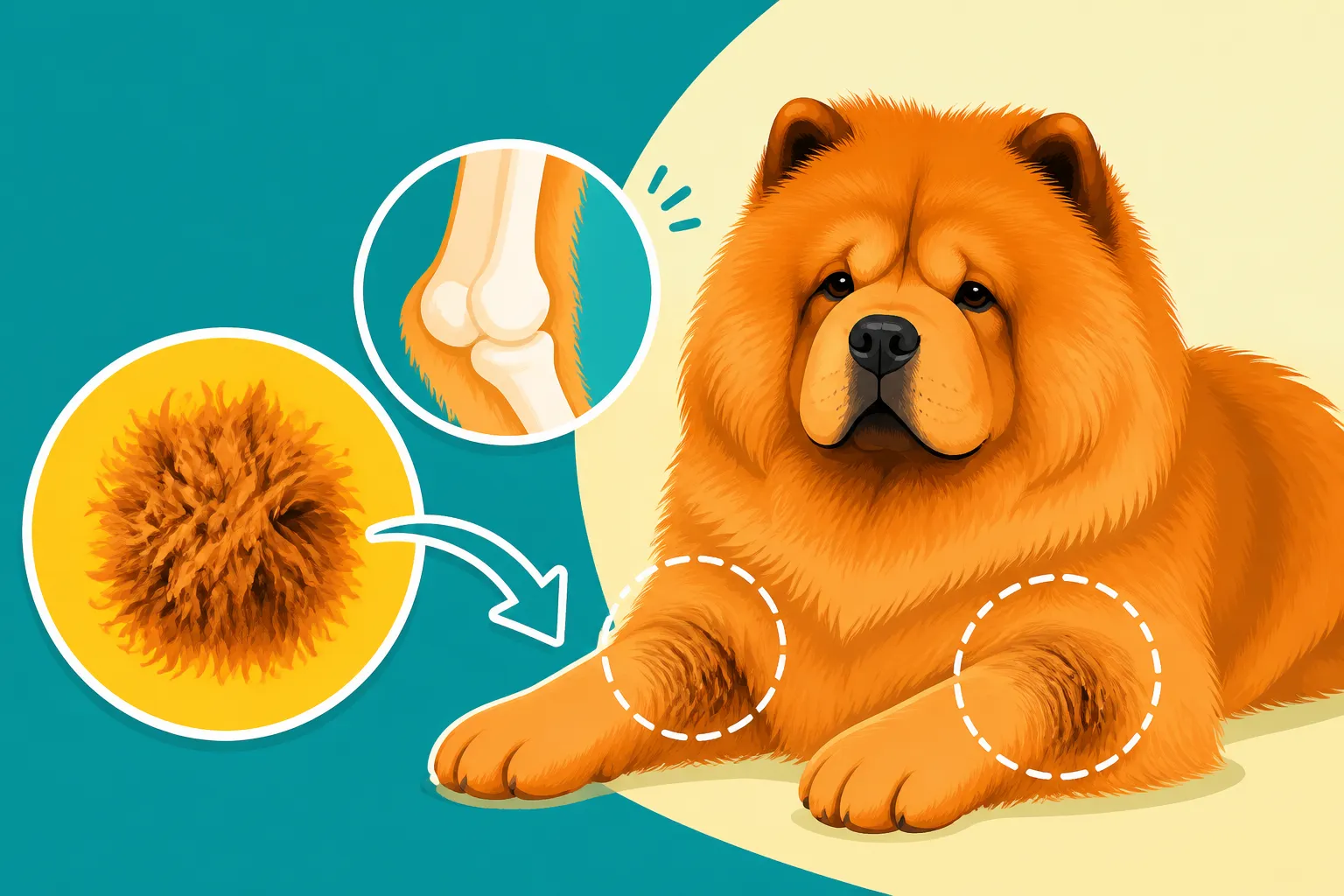
Think about how your Chow Chow moves throughout the day. Those elbows are constantly bending, extending, and rubbing against the body. When they walk, lie down, or even just shift their weight, there's friction, and friction is a mat's best friend. The skin around the elbow is also looser, and the fur in that area tends to be finer, softer, and often longer than the fur on the leg itself, particularly in rough-coated Chows with their glorious "feathering." This combination of fine hair and constant movement creates an ideal environment for tangles to form.
When your Chow Chow tucks their legs under them to lie down, the fur behind the elbows gets compressed and pushed together. As they get up and move around, this compressed fur can easily knot. It's a cyclical problem: movement causes matting, and matting restricts movement, potentially leading to even more tangles and discomfort. The specific way their thick fur naturally falls and brushes against itself contributes significantly. It’s not uncommon to find a perfectly groomed Chow Chow with a few hidden knots right in this spot because it's so hard to keep the fur from rubbing.
Everyday Habits That Contribute to Matting
Beyond natural movement, several daily habits and environmental factors can accelerate matting behind the elbows.
- Lying Down on Rough Surfaces: If your Chow Chow loves to sprawl out on rough carpets, concrete, or even their bed, the constant rubbing of their elbows against these surfaces can create friction that pushes the undercoat into tangles. A soft, smooth bed is always a better choice for reducing coat wear and tear.
- Collars and Harnesses: While not directly on the elbow, a poorly fitting harness can sometimes shift and rub against the chest and leg, indirectly affecting the hair distribution and friction points around the elbows.
- Wet Fur: A Chow Chow that gets wet and isn't dried thoroughly to the skin is a mat waiting to happen. Damp fur clumps together easily, and if left to air dry, especially in dense areas like the elbows, it can dry into tight, felted mats. Imagine getting caught in the rain, coming inside, and then just letting your thick hair dry without brushing – it would be a tangled mess! Bathing and Drying a Chow Chow's Dense Coat explains the importance of thorough drying.
- Lack of Regular Brushing: This is the biggest culprit. The undercoat needs to be brushed out regularly and deeply. If you're not getting down to the skin and removing dead undercoat from behind the elbows, it will inevitably clump and mat. This is especially critical during seasonal "coat blows" when they shed heavily. How Often a Rough Coated Chow Chow Needs Brushing is a must-read for any rough-coat owner.
Spotting and Tackling Elbow Mats
Finding mats behind the elbows can be tricky because of the dense fur, but early detection and the right approach are key to preventing pain and bigger problems for your Chow Chow.
Early Detection and Gentle Intervention
The best time to tackle a mat is when it's just starting – a small tangle rather than a large, matted pelt. Regularly, ideally daily or every other day, run your fingers through the fur behind your Chow Chow's elbows. Don't just skim the surface; really get your fingers down to the skin. You'll feel a small knot or clump before it becomes a problem.
If you find a small mat, the key is patience and gentleness. Never yank or pull. Start by isolating the mat with your fingers, holding the fur at the base of the mat firmly against the skin to minimize pulling on your dog's sensitive skin. Then, using a de-matting spray or a generous amount of dog-safe conditioner, work a tiny bit into the mat. Use a slicker brush or a wide-toothed comb, starting at the very tips of the tangled hair and gently working your way inward, strand by tiny strand. Think of it like untangling a delicate necklace. It takes time, but it's crucial to avoid hurting your dog or making them hate grooming.
It’s often helpful to have your Chow Chow lying on their side when you do this, making the elbow area more accessible and giving them a more comfortable position. A treat dispenser or a Kong filled with something delicious can also be a wonderful distraction to keep them calm and still during the process.
The Right Tools for the Job
Having the proper grooming tools makes all the difference, especially for dense-coated breeds like the Chow Chow. For those tricky elbow mats, a few specific items are indispensable.
- Slicker Brush: A good quality slicker brush with fine, bent wire bristles is excellent for gently teasing out smaller tangles and removing loose undercoat. It’s your workhorse for daily brushing. You can find excellent options on Amazon or Chewy.
- Undercoat Rake: This tool is designed to get deep into the undercoat and remove dead hair without damaging the topcoat. For the elbow area, a rake with rotating teeth can be gentler on the skin. Which Brush a Chow Chow Needs offers a comprehensive look at essential tools.
- Wide-toothed Metal Comb: After using a slicker brush or rake, a metal comb helps ensure you’ve gotten all the way down to the skin and removed any hidden tangles. For the elbow, a greyhound comb with both wide and narrow teeth is perfect – use the wider teeth first.
- De-matting Spray/Conditioner: These products help lubricate the hair, making it easier to separate knots. Always opt for dog-specific formulas.
- Blunt-nosed Scissors: Use with extreme caution and only as a last resort. If a mat is too tight and close to the skin to brush out, you may need to carefully cut it. Always point the scissors away from the skin and try to slide a comb between the mat and the skin first to create a buffer. Better yet, leave this to a professional.
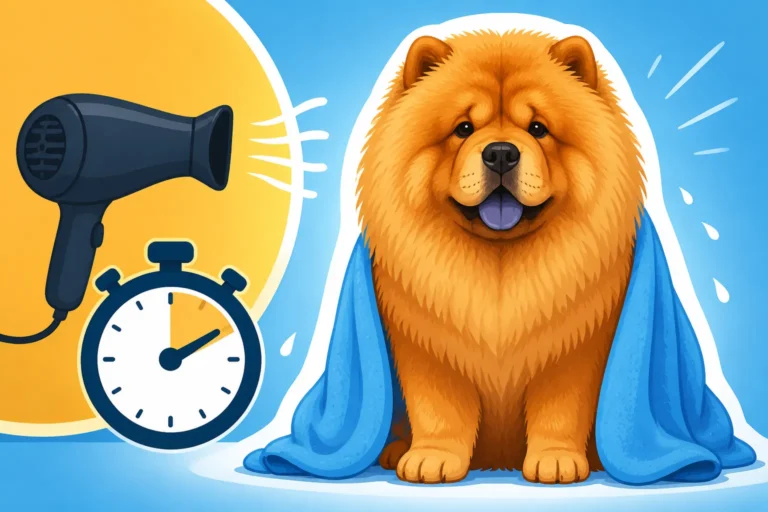
- High-Velocity Dryer: While not a tool for removing mats, a powerful dryer like those found on Amazon helps immensely in preventing them by thoroughly drying the coat after a bath, blowing out loose undercoat and preventing it from clumping.
Here's a quick comparison of essential tools for matting:
| Tool | Primary Use | Best For | Caution |
|---|---|---|---|
| Slicker Brush | Loosening small tangles, removing dead undercoat | Daily brushing, light matting | Can cause brush burn if used too aggressively |
| Undercoat Rake | Penetrating deep into dense undercoat | Removing large amounts of loose undercoat | Avoid scraping skin; use gentle, long strokes |
| Wide-toothed Comb | Checking for missed tangles, finishing coat | Confirming mat-free, fine detangling | Can pull painfully if caught on a large mat |
| De-matting Spray | Lubricating hair for easier detangling | Pre-treatment for brushing out mats | Ensure product is dog-safe and non-irritating |
| Blunt-nosed Scissors | Last resort cutting of felted mats | Severe, skin-tight mats | High risk of cutting skin; professional preferred |
When Professional Help is Essential
Sometimes, despite your best efforts, a mat behind the elbow can become too large, too tight, or too close to the skin for you to safely handle at home. This is where a professional groomer or your veterinarian comes in.
A groomer experienced with double-coated breeds like Chow Chows has specialized tools and techniques, often including powerful clippers, to safely remove severely matted fur. They can assess the situation and determine the least stressful way to remove the mats, which might involve a partial shave down of the matted area or, in severe cases, the entire dog. They understand Why a Groomer Charges More for a Matted Chow Chow because it's a labor-intensive and delicate process.
If the mat is causing skin irritation, redness, or appears to be infected, a trip to the vet is necessary. The mat may need to be removed under sedation, and the underlying skin treated for any secondary infections. Never hesitate to seek professional help for severe matting; your Chow Chow's comfort and health are paramount.
Preventing Future Elbow Entanglements
The old adage "an ounce of prevention is worth a pound of cure" couldn't be more true when it comes to Chow Chow coats. Establishing a consistent grooming routine is the most effective way to keep those pesky elbow mats at bay.
Establishing a Consistent Grooming Schedule
For a rough-coated Chow Chow, a solid grooming schedule means brushing at least 2-3 times a week, and ideally daily for a quick once-over in prone areas. Smooth-coated Chows can often get by with 1-2 times a week, but again, check those elbows! During seasonal coat blows, which usually happen twice a year, you'll need to increase your brushing frequency dramatically. This is when their undercoat comes out in massive clumps, and if not removed, it will create extensive matting everywhere.
Consistency is key. Short, regular grooming sessions are far more effective and less stressful for both you and your Chow Chow than infrequent, marathon sessions. Think of it as preventative maintenance, just like a regular oil change for your car. If you commit to How Long Home Grooming a Chow Chow Takes Weekly, you'll save yourself a lot of headache (and potential vet bills).
Strategic Brushing Techniques
Just brushing the surface of your Chow Chow's coat won't prevent mats, especially in hidden spots like the elbows. You need to employ strategic techniques to get deep into that dense undercoat.
- Line Brushing: This is the gold standard for double-coated breeds. Part the hair horizontally with one hand, exposing a strip of skin. Then, with your other hand, brush the fur in that exposed strip downwards, getting right to the skin, until it’s free of tangles. Work your way up the body, section by section. For the elbows, you'll need to lift the leg slightly and work carefully around the joint. How to Line Brush a Chow Chow provides a detailed guide.
- Back Brushing: For extra density, especially on the ruff and britches, gently brush against the grain of the fur initially to help separate the hairs, then brush with the grain to smooth and finish.
- Focus on Friction Points: Always dedicate extra time to areas prone to matting: behind the ears, the armpits, the groin, the britches, and, of course, behind the elbows. These areas accumulate dead undercoat and experience more rubbing.
- Desensitization: Start grooming your Chow Chow as a puppy to get them used to being handled, especially around their paws and legs. Positive reinforcement with treats and praise can make grooming a pleasant experience rather than a dreaded chore.
The Role of Bathing and Drying
Bathing a Chow Chow isn't just about making them smell good; it's an integral part of coat maintenance that, if done incorrectly, can actually cause matting.
- Pre-Bath Brushing: Always thoroughly brush your Chow Chow before a bath. Any existing tangles or mats will tighten like concrete when wet, becoming nearly impossible to remove. If you find a mat, try to work it out before getting them wet.
- Proper Shampoo and Conditioner: Use a high-quality dog shampoo designed for double coats, and always follow with a good conditioner. Conditioner helps to smooth the hair shaft, making it less prone to tangling. You can find excellent shampoos and conditioners on Chewy that are formulated for dense coats.
- Rinse Thoroughly: Rinse, rinse, rinse! Any shampoo residue left in the coat can irritate the skin and also make the fur feel sticky and prone to tangles.
- Thorough Drying is Non-Negotiable: This is perhaps the most critical step after bathing for a Chow Chow. You cannot let them air dry. A high-velocity dryer is your best friend here. It blows out the water and a surprising amount of loose undercoat, separating the hairs and preventing mats from forming as the coat dries. Work in sections, drying down to the skin. If you leave any dampness in that dense undercoat, you are inviting mats, and potentially skin issues like hot spots. This is a task that can take a long time, sometimes well over an hour for a rough-coated Chow Chow.
Taking the time to care for your Chow Chow's coat, especially those hidden, high-friction areas like behind the elbows, is a labor of love. But a healthy, mat-free coat means a more comfortable, happier Chow Chow, and that's worth every moment of effort.
Disclaimer
This article is for general informational purposes only and does not constitute professional advice. Laws, prices and regulations vary by location and change over time. Consult a qualified professional for guidance on your specific situation.