What an Aging Chow Chow’s Coat Looks Like
It’s a bittersweet moment when you start noticing the subtle shifts in your beloved Chow Chow, especially when it comes to their magnificent coat. That thick, luxurious fur that once seemed impenetrable might begin to tell tales of time and wisdom, perhaps feeling a little softer, looking a touch less vibrant, or even showing hints of silver. It’s completely normal to feel a pang of concern, wondering if these changes are just part of getting older or if they signal something more. This guide is here to walk you through what to expect from an aging Chow Chow's coat, differentiate normal changes from red flags, and help you keep them comfortable and handsome for years to come.
The Whispers of Time: Early Signs in an Aging Chow Chow's Coat
Just like us, our Chows experience the passage of time, and their coat is often one of the first places these changes become noticeable. It's not usually a dramatic overnight transformation, but rather a gradual evolution that, once you notice it, seems to have been happening for a while. Understanding these early signs can help you adjust your care routine and spot any potential issues.
Loss of Luster and Softening Texture
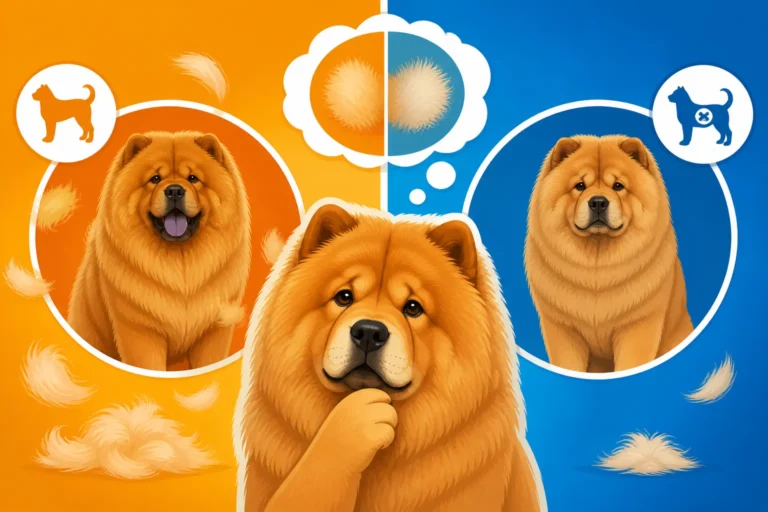
One of the most common observations as a Chow Chow ages is a change in the quality and texture of their fur. Remember that glorious, dense, somewhat coarse outer coat that felt so sturdy? For many senior Chows, this can start to soften. The guard hairs, which are the longer, coarser hairs that give the coat its protective quality and unique texture, might become less prominent or even break more easily.
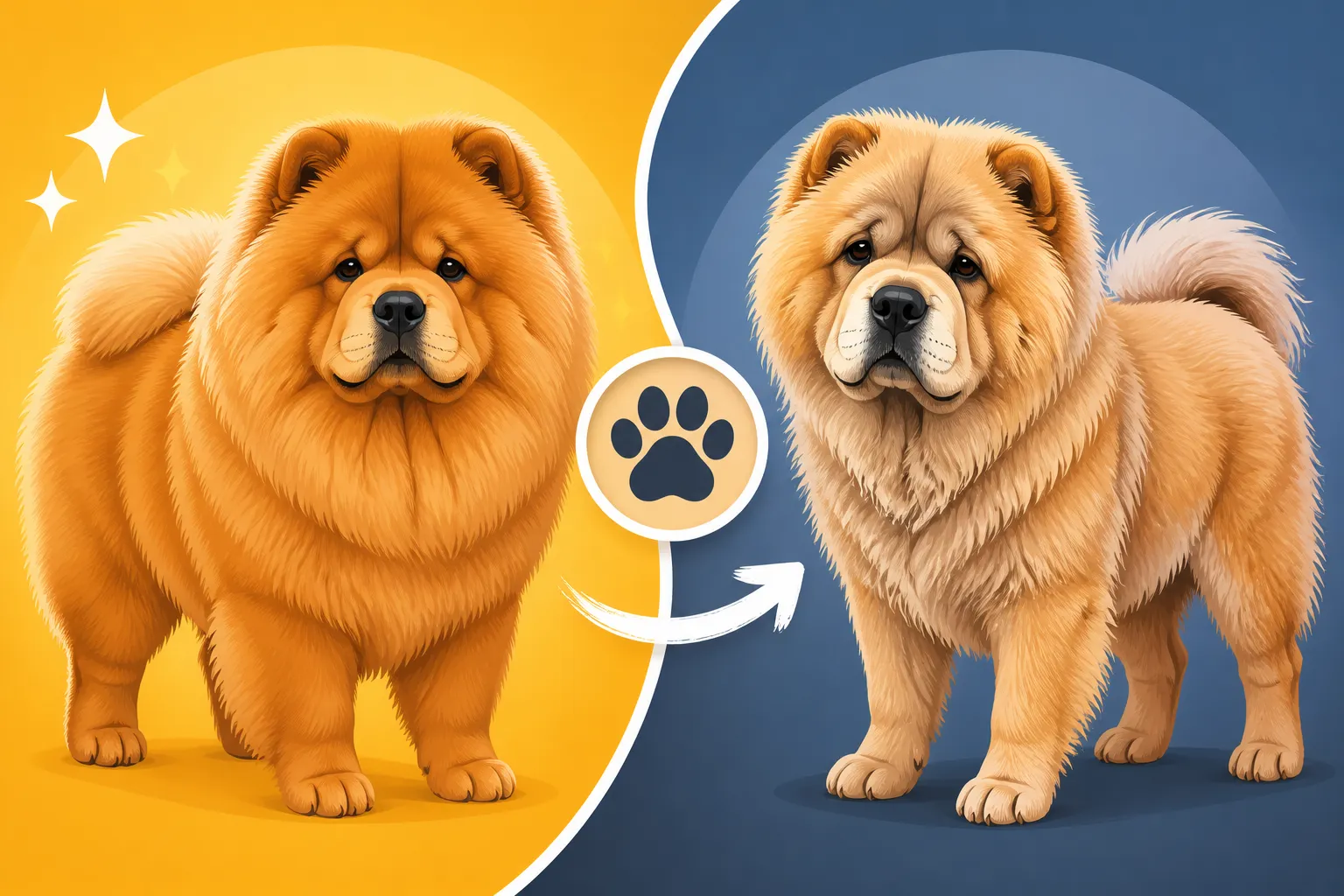
This softening can be quite lovely to pet, but it also means the coat might lose some of its natural sheen. Instead of that rich, vibrant color, you might notice it looks a bit duller, less lustrous. This isn't necessarily a bad thing; it’s often just a natural consequence of the hair follicles producing slightly weaker or less pigmented strands. Imagine the difference between the vibrant, thick hair of a teenager and the finer, softer hair of an older person – it's a similar process. For a rough-coated Chow, this might be particularly noticeable in the mane and britches, areas that once boasted impressive volume. The undercoat, too, might become less dense, contributing to an overall thinner feel.
Gradual Thinning and Patchiness
Beyond just a change in texture, you might also start to observe a general thinning of the coat. This isn't usually sudden or alarming, but rather a slow process where the hair just isn't as thick as it once was. You might find areas where the fur seems a bit sparser, allowing you to see the skin more easily.
Common spots for this gradual thinning include the legs, especially on the inner thighs and elbows, and sometimes around the belly or chest. The hair behind the ears, which can be prone to matting even in younger Chows, might also thin out a bit. It’s important to distinguish this from bald patches, which are usually a sign of an underlying problem. This is more akin to a receding hairline – a general decrease in density across certain areas. While a Chow Chow's double coat is iconic, even the undercoat can start to lessen with age, impacting the overall fullness. This gradual thinning is often due to hair follicles becoming less active, leading to fewer hairs growing, and those that do grow being finer and more prone to shedding.
The Appearance of Gray Hairs
Ah, the wisdom whiskers! Just like humans, many Chow Chows will start to develop gray hairs as they age. This is often one of the most heartwarming, if a little heartbreaking, signs of a beloved companion growing older. The gray typically begins around the muzzle, spreading gradually to the eyebrows and around the eyes.
Initially, it might just be a few stray silver strands, almost unnoticeable. But over time, the muzzle can become quite frosty white, creating a distinguished look. Some Chows will also show graying on their chest or paws. The extent and speed of graying can vary greatly from one Chow to another, even within the same family lines. It's a genetic lottery, to some extent. This graying is a natural loss of pigment in the hair follicles and shouldn't be confused with a blue Chow's coat fading, which is a different process related to dilute coloration. It’s just another badge of honor for your senior companion, showing all the years of love and loyalty you've shared.
Beyond Aesthetics: Underlying Health Factors Affecting an Older Chow's Coat
While some coat changes are a perfectly normal part of the aging process, it's crucial to remember that a Chow Chow's coat can also be a billboard for their internal health. When you start noticing shifts, it's always wise to consider what might be happening beneath the surface, especially as they enter their senior years. The Age a Chow Chow Is Considered Senior often brings with it a whole host of new considerations for their overall well-being.
Hormonal Changes and Their Impact
Hormones play a huge role in maintaining a healthy coat, and as Chows age, their hormonal balance can shift. One of the most common culprits for coat issues in older dogs is a sluggish thyroid. Hypothyroidism, where the thyroid gland doesn't produce enough hormones, can lead to a dry, brittle, thinning coat, often accompanied by excessive shedding, especially if the dog also experiences weight gain or lethargy. It's a frustrating situation to witness, and often pet parents don't realize that the coat is a primary indicator.
You might notice the hair becoming sparse along the flanks or tail, sometimes described as a "rat tail." Whether a Hypothyroid Chow Chow Loses Coat is a common question, and the answer is a resounding yes. If you suspect thyroid issues, your vet can run a simple blood test to check hormone levels. Hormonal changes due to spaying or neutering, even if done years ago, can sometimes lead to what's known as "post-clipping alopecia" or general coat thinning as the dog ages, which is another factor to consider. The thick undercoat, in particular, can be affected by these changes, leading to a noticeable reduction in volume and warmth. Whether a Chow Chow's Coat Thins After Spaying is a real concern for many owners.
Nutritional Needs and Absorption
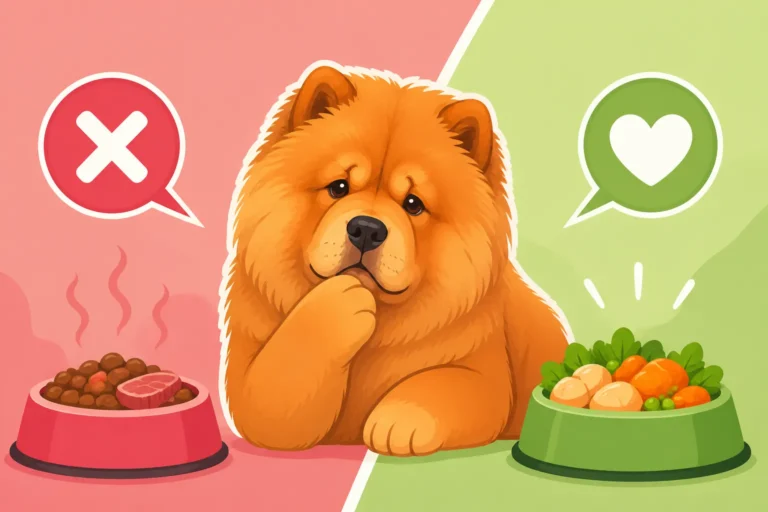
As Chows age, their bodies become less efficient at absorbing nutrients from their food. This means that even if they're eating the same high-quality diet they always have, they might not be getting all the essential vitamins, minerals, and fatty acids needed for skin and coat health. A lack of omega-3 and omega-6 fatty acids, for instance, can lead to a dull, dry coat and flaky skin.
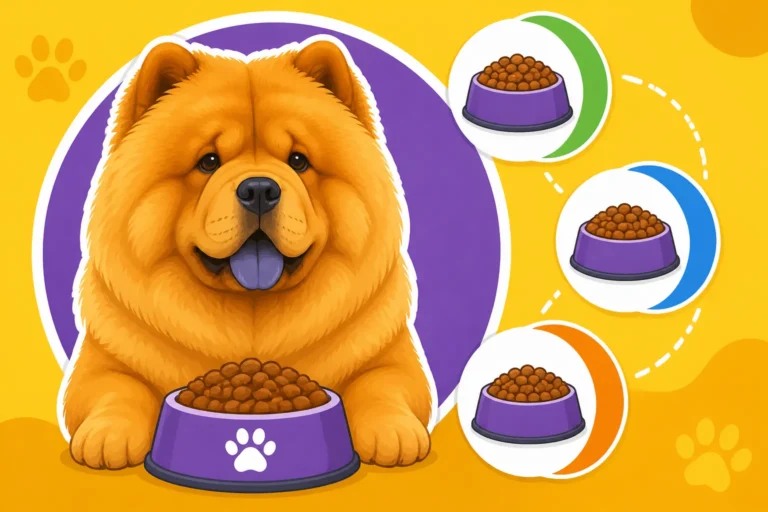
Many senior dog foods are formulated with these changing needs in mind, offering a different balance of protein, fat, and fiber, often with added supplements. Brands like Ollie (though you should always check their specific formulations for senior dogs and consult with your vet) or higher-quality senior specific foods available from retailers like Chewy might offer suitable options. It’s not just about getting enough calories, but getting the right kind of calories and nutrients that their older bodies can actually utilize. Sometimes, simply adding a good quality fish oil supplement, available on Amazon or from your vet, can make a noticeable difference in coat shine and skin health. It's truly amazing what a little dietary tweak can do for an aging Chow Chow.
Reduced Mobility and Grooming Challenges
Let's face it, getting older often means getting a little stiffer. Arthritis and other joint issues are very common in senior dogs, including Chow Chows. How an Aging Chow Chow Stiffens can make it difficult for them to reach certain parts of their body to groom themselves effectively. That iconic deep-set eye might also make them reluctant to allow you to clean around it if they’re sensitive.
A Chow Chow who can no longer comfortably bend, stretch, or balance to scratch an itch or lick a mat away might develop tangles, mats, or even skin irritations that go unnoticed. These overlooked areas can quickly lead to dull, unkempt fur, or even secondary skin infections. Think about how difficult it is for us to reach our lower backs as we age – it’s similar for them. Their naturally dense coat, while beautiful, can make it challenging to spot these issues, as Why a Chow Chow's Dense Coat Hides Skin Disease is a common frustration for owners. It means we, as their caregivers, need to step up our grooming game and be extra diligent.
Practical Care: Maintaining an Aging Chow Chow's Coat Health
As your Chow Chow enters their golden years, their grooming needs will naturally evolve. What worked for their youthful, robust coat might not be ideal for their softer, potentially thinner, or more sensitive senior fur. Adapting your routine is key to keeping them comfortable, healthy, and looking their best. This is a vital part of Caring for a Chow Chow Past Eight.
Adapting Your Brushing Routine
For an aging Chow, brushing isn't just about managing shedding or preventing mats; it becomes a gentle massage that stimulates circulation, distributes natural skin oils, and provides a wonderful bonding opportunity. You might find that your senior Chow has less patience for long, vigorous brushing sessions. Instead, opt for shorter, more frequent sessions, perhaps daily or every other day, focusing on areas prone to matting like behind the ears, armpits, and britches.
Use softer brushes than you might have used previously. A slicker brush with gentler pins, or even a bristle brush for the outer coat, can be more comfortable. Always remember to line brush, getting down to the skin to ensure you're removing all loose undercoat without pulling. Be extra gentle, as an older Chow's skin can be thinner and more sensitive. If your Chow has arthritis, they might find standing or being repositioned uncomfortable, so make sure they are on a non-slip surface and take frequent breaks. Consider investing in a grooming table if bending over is hard on you, or if your Chow needs extra stability – you can find many options on Amazon. Positive reinforcement with treats and praise is more important than ever. While a younger Chow might tolerate vigorous grooming, an older one will appreciate the gentle approach. It's not just about grooming, it's about making them feel loved and cherished.
Bathing and Drying Considerations
Bathing an aging Chow Chow requires a bit more thought and care. Their skin might be drier, and their immune system potentially less robust, making them more susceptible to skin issues if not dried properly. While Chows don't typically need frequent baths, a senior Chow might benefit from a gentle bath every few months, or more often if they get particularly dirty or if a skin condition requires it.
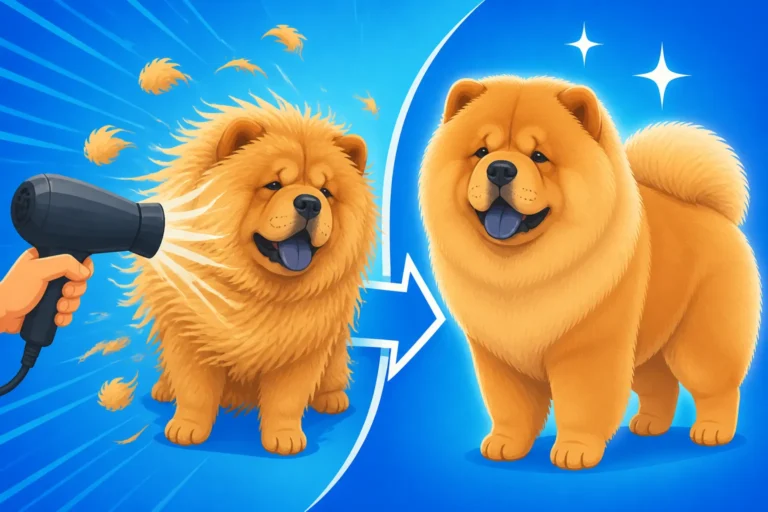
Use a mild, moisturizing dog shampoo, preferably one formulated for sensitive skin. Make sure the water is lukewarm and never too hot. The biggest challenge, as always with a Chow, is thorough drying. Their dense double coat means that dampness can linger close to the skin, creating a breeding ground for yeast or bacterial infections. A high-velocity dryer is still your best friend, even for an older Chow, but use it on a lower, cooler setting and hold it further away from their skin. Ensure every layer of their coat is completely dry, right down to the skin. If they are sensitive to the noise, you might try a Happy Hoodie or gradual desensitization. If you're opting for professional grooming, make sure your groomer is experienced with senior Chows and understands their specific needs and limitations.
Supporting Coat Health Through Diet and Supplements
We touched on nutrition before, but it bears repeating: what goes into your Chow Chow's body directly impacts what you see on the outside. As they age, their nutritional needs can shift, and supplementing their diet can often make a significant difference to coat quality and overall vitality.
Consider a senior-specific dog food, which is often formulated with lower calories (as older dogs tend to be less active) and higher levels of joint-supporting ingredients like glucosamine and chondroitin. Beyond the basics, adding omega-3 fatty acid supplements (like fish oil) can work wonders for skin hydration and coat shine. These supplements can also have anti-inflammatory benefits, which can subtly help with joint comfort. Whether a Chow Chow Needs Joint Supplements is a question many senior owners face, and for coat health, these oils are often a double win. Probiotic supplements can also aid in gut health, which is intrinsically linked to skin health. Always discuss any dietary changes or new supplements with your veterinarian to ensure they are appropriate for your individual Chow Chow's health status and any existing conditions. Many quality supplements can be found at pet retailers like Chewy or general online stores like Amazon.
When to Call the Vet: Red Flags in Your Aging Chow's Coat
While many changes to an aging Chow Chow's coat are normal, there are certain red flags that should prompt a call to your veterinarian. It’s important to trust your gut feeling – if something doesn’t look or feel right, it’s always better to get it checked out.
Excessive Hair Loss or Bald Spots
If you notice more than just general thinning, such as large clumps of hair falling out, or distinct bald patches, especially ones that appear suddenly, it's time to see the vet. This isn't typical aging. Causes could range from hormonal imbalances (like a worsening thyroid condition), severe allergies, skin infections (bacterial, fungal, or parasitic), or even more serious underlying systemic diseases.
Sometimes, hair loss can be accompanied by changes in skin color, texture, or an odor. Keep an eye on areas that are thinning disproportionately or if the hair loss is symmetrical on both sides of the body, as this can often point to an internal cause rather than just external irritation. Your vet will be able to perform diagnostic tests to get to the bottom of it.
Skin Irritation, Redness, or Odor
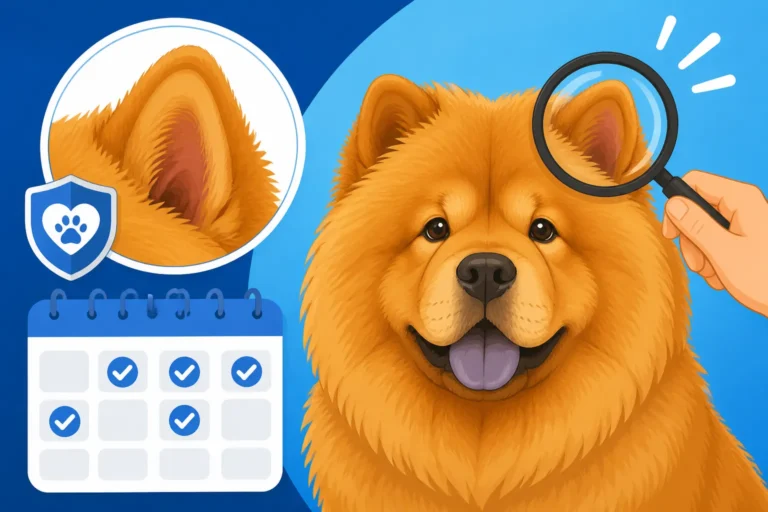
Beneath that beautiful, dense coat lies the skin, and an aging Chow Chow's skin can become more delicate and prone to issues. Any signs of redness, inflammation, crusting, scaling, or pimple-like lesions warrant veterinary attention. If you notice your Chow is excessively scratching, licking, or chewing at their skin, even if you can’t see an obvious irritation through their fur, investigate thoroughly.
An unusual or strong odor emanating from their coat or skin is also a major red flag. This can often signal a bacterial or yeast infection, which thrives in warm, moist environments, especially if their grooming has declined or if face folds aren’t kept clean. Don't ignore these signs; skin infections can be quite uncomfortable for your dog and, if left untreated, can spread or become chronic. Remember, Why a Chow Chow's Dense Coat Hides Skin Disease means you have to be extra vigilant and get deep into that fur during your checks.
Sudden or Drastic Coat Changes
While gradual changes are normal, any sudden or drastic shifts in your Chow Chow's coat should be evaluated by a vet. This could include:
- Rapid onset of dullness or extreme dryness: If their coat suddenly loses all its luster and becomes very brittle in a short period, this could point to an acute illness or nutritional deficiency.
- Rapid graying beyond the muzzle: While muzzle graying is normal, if the graying progresses very quickly over the entire body, it might indicate stress or an underlying health issue.
- Changes in texture beyond typical softening: If the coat becomes unusually coarse, wiry, or develops a greasy feel, it could be a sign of endocrine problems or sebaceous gland issues.
- Unusual shedding patterns: While senior Chows still shed, if they're suddenly dropping excessive amounts of hair in a way that's abnormal for them, it's worth checking out.
It’s always best to err on the side of caution. Your veterinarian is your best partner in navigating these changes, ensuring your beloved Chow Chow remains as healthy and comfortable as possible throughout their golden years. What Changes in a Chow Chow After Eight is a comprehensive topic, and coat health is definitely a key part of it.
Watching your Chow Chow gracefully age is a journey filled with love, and it’s natural to feel a mix of emotions as you observe changes in their iconic coat. Remember, many of these shifts – the softening texture, the subtle thinning, the distinguished gray – are simply badges of a life well-lived. However, your role as their devoted caregiver means staying attuned to their well-being, knowing when a change is normal, and when it warrants a call to the vet. By adapting your grooming routine, supporting them with proper nutrition, and remaining vigilant for any red flags, you can ensure your senior Chow Chow continues to be as comfortable, happy, and magnificent as ever.
| Coat Change Feature | Normal Aging | Potential Red Flag (Consult Vet) |
|---|---|---|
| Texture | Softer, finer hair; less coarse guard hairs | Greasy, unusually coarse, or brittle hair |
| Luster | Slightly duller, less vibrant | Rapid, complete loss of shine; very dry |
| Density | Gradual, general thinning in typical areas | Sudden, excessive hair loss; distinct bald spots |
| Color | Graying around muzzle, eyes; subtle lightening | Rapid, widespread graying; unusual color changes |
| Skin beneath coat | Healthy, clear skin; some dryness | Redness, irritation, flaking, scabs, strong odor |
| Shedding | Consistent with previous patterns, perhaps less intense coat blow | Sudden, drastic increase in shedding; bald patches appearing quickly |
| Chow's behavior | No change in comfort | Excessive scratching, licking, chewing; discomfort |
Disclaimer
This article is for general informational purposes only and does not constitute professional advice. Laws, prices and regulations vary by location and change over time. Consult a qualified professional for guidance on your specific situation.