Whether Mats Hurt a Chow Chow
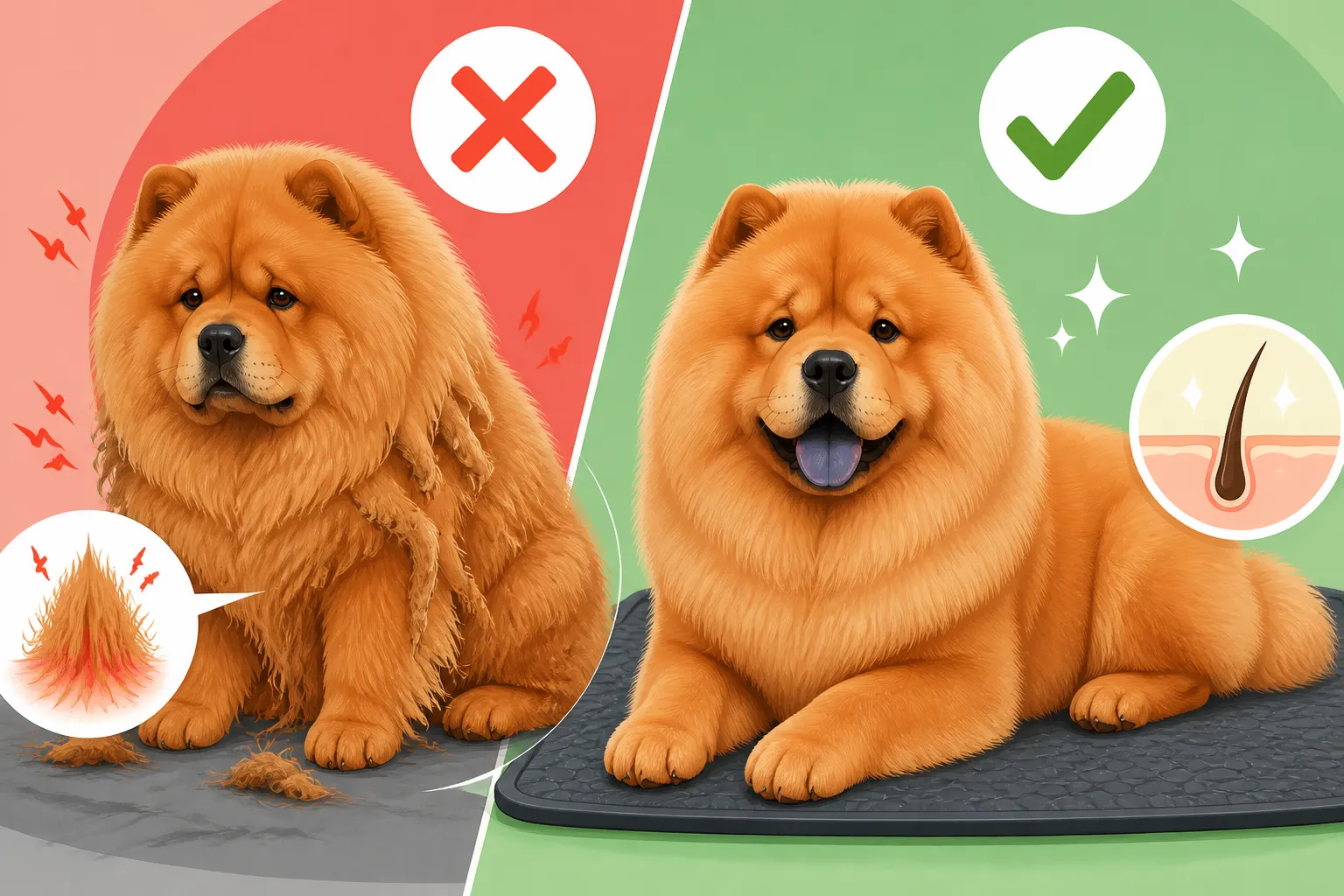
Oh, the infamous Chow Chow mat! If you're wondering whether those tangles and knots truly bother your fluffy companion, let me assure you, they absolutely do. It's not just a bad hair day for our stoic Chows; matting can lead to significant discomfort, pain, and even serious health complications that many owners don't realize until the problem is severe. This guide will walk you through exactly how mats impact your Chow Chow, from minor irritations to severe medical issues, and what you can do to prevent and address them.
The Painful Reality: How Mats Hurt Your Chow Chow
It’s easy to look at a Chow Chow's magnificent, dense coat and not immediately see the danger lurking beneath. But those beautiful locks, if not properly maintained, can quickly turn into a tangled nightmare that causes genuine suffering. Mats aren't just cosmetic; they're literal knots of fur that pull on the skin, pinch, and create constant, agonizing pressure.
The Constant Pull on Sensitive Skin
Imagine having your hair constantly tugged at, every single time you move. That's a fraction of what a Chow Chow with mats experiences. A mat is a dense clump of dead and live fur woven together, often tight against the skin. As your dog moves, walks, lies down, or even stretches, these mats pull at the surrounding skin. This isn't just uncomfortable; it can be acutely painful, especially in sensitive areas like behind the ears, in the armpits, or around the groin.
The skin under a mat becomes inflamed and tender from this constant pulling. It’s a bit like having a perpetually tight ponytail that never gets undone. Over time, the skin can even become bruised or develop tiny tears, paving the way for further complications. This is particularly true for Chows, whose thick undercoat and protective outer coat are designed to keep them warm, but also make them prone to matting if not meticulously groomed. You can learn more about their unique fur in Rough or Smooth: the Two Chow Chow Coats and What Each Needs.
Restricting Movement and Causing Discomfort
Mats don't just pull on the skin; they can physically restrict your Chow Chow's movement. Imagine a tightly woven blanket wrapped around your joints. That's what severe matting can feel like to a dog. Mats often form in areas of high friction, such as behind the elbows, under the legs, and around the tail and hindquarters. When these areas become matted, they can prevent your Chow from fully extending its limbs, lying down comfortably, or even walking normally.
This restricted movement leads to an unnatural gait, which can put undue stress on joints, muscles, and ligaments. A Chow Chow already has a somewhat unique, stilted gait due to its straight rear leg construction; adding mats only exacerbates any potential discomfort. Over time, this can worsen existing joint issues or contribute to new ones, particularly in breeds like the Chow Chow who can be prone to conditions like Elbow Dysplasia Ranks the Chow Chow Near the Top. It's a vicious cycle where pain leads to less movement, which can then lead to more matting in neglected areas.
Beyond the Discomfort: Serious Health Risks of Matting
While pain and restricted movement are significant concerns, mats can also hide and create a host of more serious health problems. These issues often go unnoticed until the mat is removed, making prevention and early detection absolutely crucial for your Chow's well-being.
Skin Infections and Sores Beneath the Surface
One of the most insidious dangers of matting is what happens underneath those dense clumps of fur. Mats create a perfect microclimate for bacteria and yeast: warm, moist, and protected from air circulation. This lack of airflow, combined with any minor skin irritations from pulling, can quickly lead to painful skin infections, hot spots, and open sores. These infections can range from mild irritations to severe pyoderma, requiring veterinary intervention with antibiotics and special topical treatments.
It's particularly challenging with Chows because their incredibly dense coats can completely conceal these issues until they are advanced. You might not see a problem until your Chow starts excessively licking a particular area, or you notice a foul odor emanating from their coat. By then, the infection could be quite extensive. Removing the mat is often the first step in treating these conditions, allowing the skin to breathe and medication to reach the affected area. This is why it's so important to prevent severe matting, as highlighted in "What a Matted Chow Chow Gets Hot Spots."
Trapping Moisture and Parasites
Chow Chows have a double coat that's excellent for insulation, but terrible for trapping moisture if not dried properly after a bath or a romp in the rain or snow. When mats are present, they become sponges, holding onto water and creating a damp environment against the skin. This prolonged dampness is a breeding ground for bacterial and fungal infections. It can also lead to a condition called "moisture dermatitis" or simply, painful, raw skin.
Beyond moisture, mats are fantastic hiding places for parasites. Fleas, ticks, and other skin mites can burrow deep within the matted fur, finding a cozy, protected home where they can feed on your Chow Chow's skin undisturbed. This can lead to intense itching, further skin irritation, and potentially transmit diseases. Even if you're vigilant about flea and tick prevention, mats provide an extra layer of protection for these unwelcome guests, making their eradication much more difficult. Regular, thorough brushing, as discussed in Brushing a Chow Chow's Mane Down to the Skin, helps you discover these hidden intruders before they become a big problem.
Hindering Circulation and Muscle Function
Severe, widespread matting can actually impede normal blood circulation to the skin and underlying tissues. When mats are extremely tight and cover large areas, they can act like a tourniquet, especially if they wrap around limbs or digits. This constriction can reduce blood flow, leading to numbness, discomfort, and in extreme, rare cases, even tissue death in areas starved of oxygen.
Furthermore, the constant tension and restricted movement from mats can affect muscle function. Muscles need to move freely to stay healthy and strong. If mats are preventing the natural extension and contraction of muscles, it can lead to muscle atrophy or weakness over time. For a breed like the Chow Chow, which often has a somewhat particular gait, maintaining good muscle health and freedom of movement is paramount to their long-term joint health and overall comfort.
Tackling Mats: Prevention and Professional Intervention
The good news is that severe matting is largely preventable with consistent effort. Even if your Chow Chow has developed some mats, there are safe and effective ways to address them. The key is to be proactive and, when necessary, not hesitate to seek professional help.
The Essential Grooming Toolkit
To effectively prevent mats in your Chow Chow, you'll need the right tools. Simply brushing the top layer of their magnificent coat won't cut it; you need tools that can reach deep into the dense undercoat. Here’s what you should have on hand:
- Slicker Brush: A good quality slicker brush with fine, wire bristles is essential for separating the topcoat and working through the undercoat.
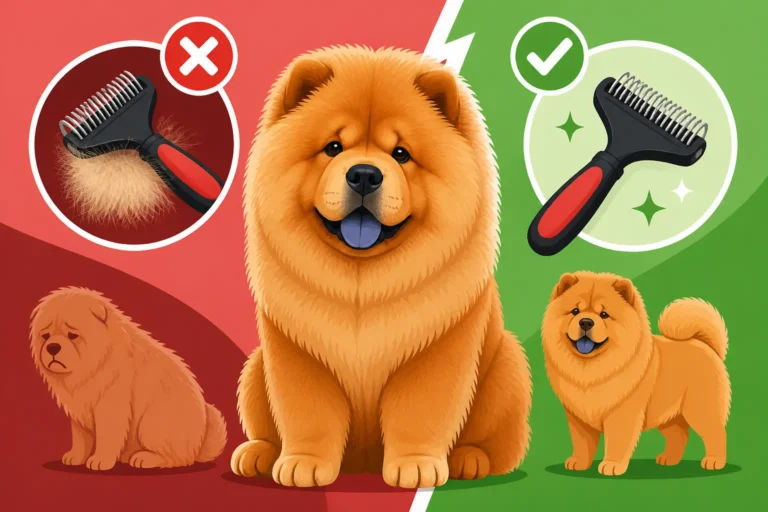
- Undercoat Rake: This tool is a lifesaver for Chow Chows! It has long, hooked teeth designed to pull out loose undercoat without damaging the topcoat. It's crucial during their bi-annual "coat blow" periods.
- Metal Comb: A sturdy metal comb with both wide and narrow teeth is perfect for finishing touches, checking for any missed tangles, and working through smaller mats carefully.
- Detangling Spray: A good detangling spray can make brushing much easier, especially when you encounter a stubborn knot. It helps to lubricate the hair, making it less likely to break or pull.
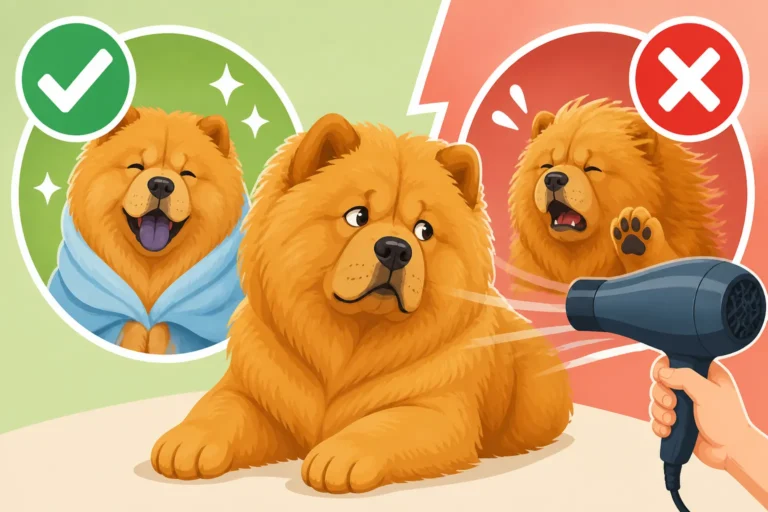
- High-Velocity Dryer: While not strictly a brush, a high-velocity dryer is incredibly useful, especially after baths. It blasts out loose hair and helps ensure the undercoat is completely dry, preventing moisture-related matting.
You can find all these essential grooming tools at reputable pet supply stores, or conveniently order them online from places like Chewy or Amazon. Having these on hand will make your regular grooming sessions far more effective and less frustrating for both you and your Chow.
| Grooming Tool | Primary Use | How it Helps Prevent Mats |
|---|---|---|
| Slicker Brush | Removing loose topcoat and surface tangles | Detangles outer coat, prepares for undercoat rake |
| Undercoat Rake | Removing shedding undercoat | Prevents undercoat from compacting and forming mats |
| Metal Comb | Finishing, checking for tangles, small mats | Ensures no small mats are missed, smooths coat |
| Detangling Spray | Lubricating hair, easing knot removal | Reduces friction, makes brushing through tangles easier |
| High-Velocity Dryer | Drying coat to the skin, removing loose hair | Prevents moisture-induced mats, blasts out shedding undercoat |
The Power of Regular, Thorough Brushing
The best defense against mats is a consistent grooming routine. For a rough-coated Chow Chow, this typically means brushing 2-3 times a week, with daily sessions during their heavy shedding "coat blow" periods, which happen roughly twice a year. Smooth-coated Chows might need slightly less frequent brushing, but still benefit immensely from regular attention. Dive deeper into the specific needs of their fur in How Often a Rough Coated Chow Chow Needs Brushing or How Often a Smooth Coated Chow Chow Needs Brushing.
The technique is also vital: you need to "line brush." This involves parting the coat and brushing in small sections, from the skin outwards, ensuring you reach all the way down to the skin. Simply brushing over the top of the coat will only smooth out the outer layer, leaving the undercoat to mat against the skin, completely unnoticed until it's too late. Teach your Chow to accept being brushed from a young age, making it a positive experience with treats and praise. This will make your life, and theirs, much easier. Also, remember that proper bathing and drying are crucial; learn how in Bathing and Drying a Chow Chow's Dense Coat, ensuring you dry to the skin to avoid hidden dampness and mats.
When to Seek Professional Help
Sometimes, despite our best efforts, mats happen. Life gets busy, or a particularly dense coat blow can overwhelm even the most diligent owner. If your Chow Chow develops severe matting, especially large, tight mats that are close to the skin, please resist the urge to cut them out yourself with scissors. This is incredibly risky, as it's very easy to accidentally cut the dog's skin, which is often pulled up tightly into the mat. Even experienced groomers sometimes make mistakes, and they have specialized tools and training.
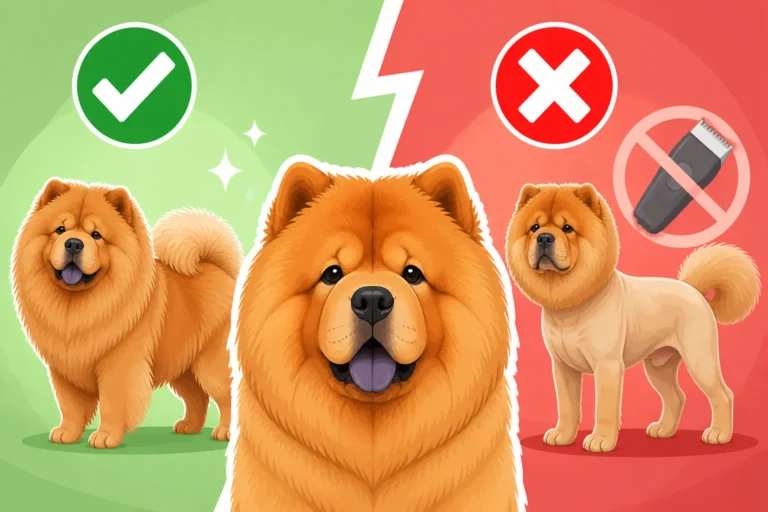
A professional groomer has the expertise and tools (like professional clippers with various blades) to safely remove mats. They can often do so without causing undue stress or injury to your dog. For very severe cases, a veterinarian might even need to sedate your Chow Chow to safely remove the mats, as the process can be painful and stressful for the dog, especially if the skin is already irritated or infected. While it might feel disheartening to have your Chow Chow shaved down to address severe matting, remember that it's often the kindest and most humane option for their health and comfort. Groomers can advise you on costs, especially if your Chow Chow resists handling, as "Why a Groomer Charges More for a Matted Chow Chow" explains.
Prevention truly is the best medicine when it comes to Chow Chow mats. A little consistent effort in grooming can save your beloved companion a lot of pain and potential health complications, ensuring their beautiful coat remains a source of pride, not discomfort.
Disclaimer
This article is for general informational purposes only and does not constitute professional advice. Laws, prices and regulations vary by location and change over time. Consult a qualified professional for guidance on your specific situation.