Whether an Indoor Chow Chow Sheds Year Round
If you're living with a gorgeous, fluffy Chow Chow, you've probably wondered if the shedding ever truly stops. Many people assume shedding is purely seasonal, but for those of us with Chows living indoors, the reality can feel like a never-ending battle against a sea of fur. This guide will dive deep into why your indoor Chow Chow seems to shed year-round, what influences this constant turnover, and most importantly, how you can manage it effectively to keep both your home and your Chow happy.
Understanding the Chow Chow's Double Coat
The majestic appearance of a Chow Chow, with its lion-like mane and dense fur, is entirely thanks to its unique double coat. This isn't just one layer of hair; it's a complex system designed by nature for insulation and protection in harsh climates. Understanding how this coat works is the first step to understanding why shedding is such a constant companion for Chow Chow owners. It's not just hair falling out; it's a highly functional part of their physiology.
The Outer Coat vs. the Undercoat
Think of your Chow's coat as two distinct layers, each with a specific job. The outer coat, often called the guard coat, consists of longer, coarser, and somewhat stiff hairs. These hairs are there to protect the dog from elements like rain, snow, and thorny brush, acting as a weatherproof shield. They don't typically shed as profusely as the undercoat, but they do contribute to the overall fur accumulation in your home. These are the hairs that give the Chow its distinctive silhouette and often its glorious color.
Beneath this protective outer layer lies the true engine of warmth: the undercoat. This layer is made up of incredibly dense, soft, and woolly hair, packed tightly against the skin. Its primary function is insulation, keeping your Chow warm in winter and surprisingly, helping to keep them cool in summer by trapping a layer of air. This undercoat is the main culprit when it comes to shedding volume. When we talk about a Chow Chow's double coat, it's this dual system that makes them so unique and also so prone to producing mountains of fur.
The Role of Environment in Coat Health
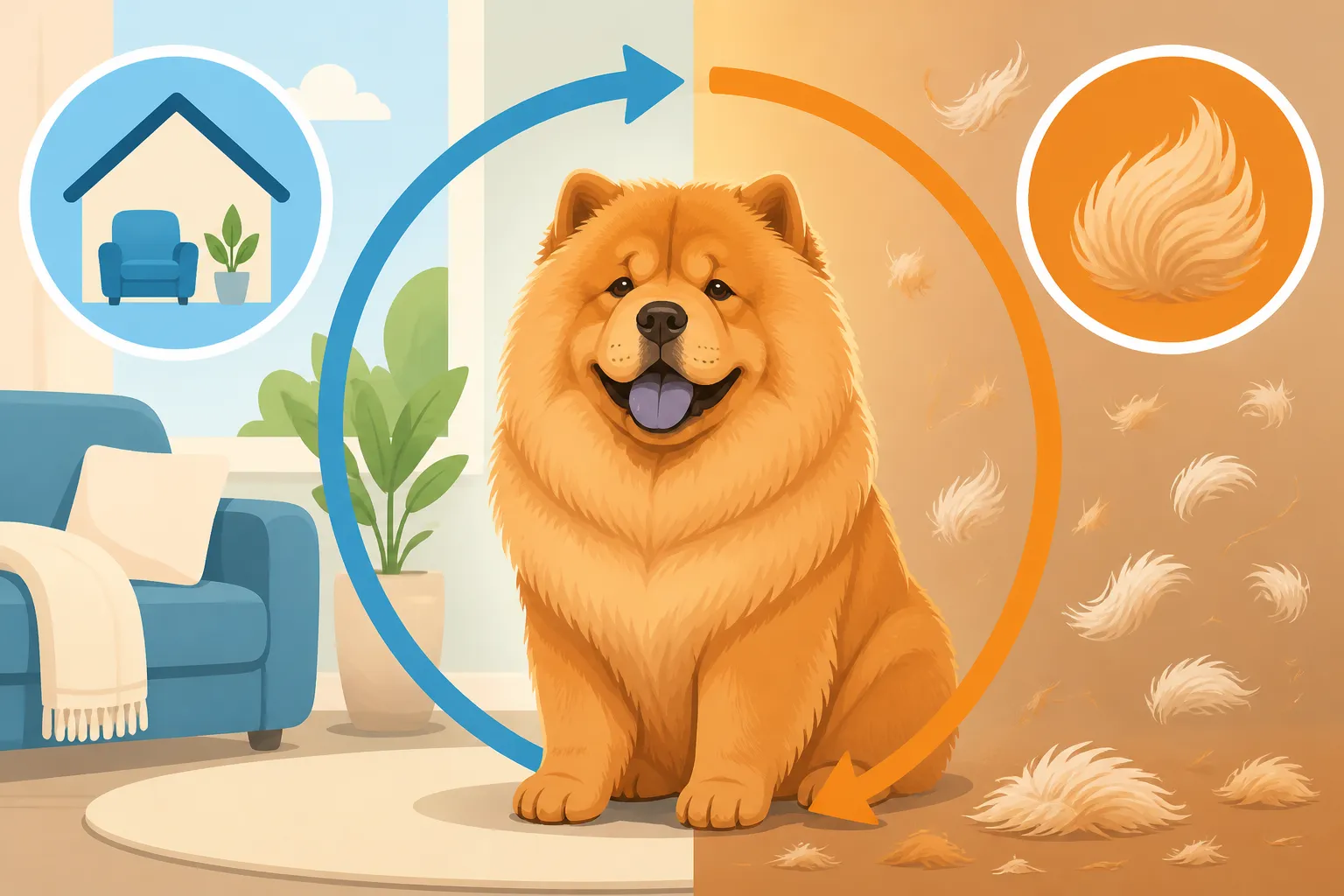
Historically, Chow Chows lived in environments with distinct seasonal changes, which dictated their shedding patterns. A thick winter coat would be grown for cold months, and then "blown" or shed rapidly in spring to make way for a lighter summer coat. However, our modern indoor living conditions have significantly altered this natural rhythm. Constant artificial heating and cooling mean your Chow Chow is rarely exposed to the dramatic temperature shifts that trigger a clear seasonal shedding cycle.
Instead, their bodies try to adapt to a relatively stable, year-round moderate temperature. This means the undercoat is constantly producing and releasing hairs in a less distinct pattern, rather than in two big seasonal events. The lack of extreme environmental cues can essentially trick their system into a continuous, lower-grade shed throughout the entire year. It’s like their internal thermostat is always a little confused, leading to that persistent presence of fur on your furniture and clothes.
The Reality of Year-Round Shedding for Indoor Chows
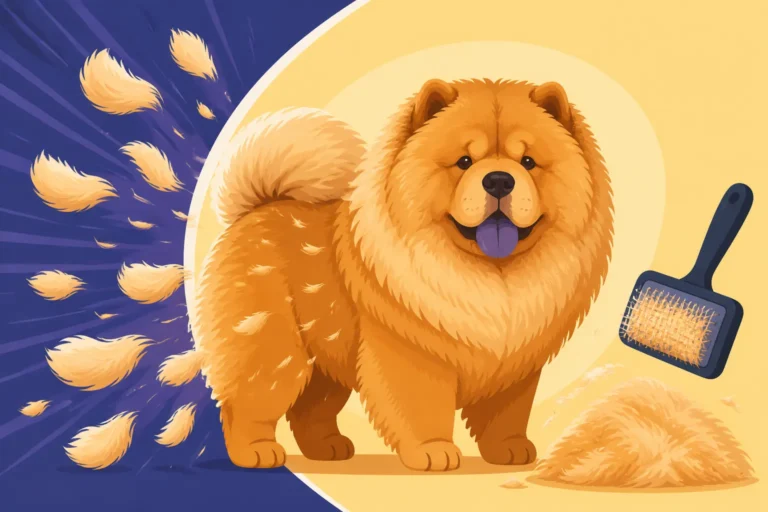
So, to answer the burning question: yes, an indoor Chow Chow absolutely sheds year-round. It's not a myth, it's a fact of life for anyone sharing their home with these beautiful dogs. While you might experience heavier "coat blows" a couple of times a year, the baseline level of shedding never truly disappears. Those little tufts of fur floating across the floor aren't just remnants from a past seasonal shed; they're an ongoing reality. This constant fur production is largely a consequence of domestic living and the natural function of their incredible coat.
Dispelling the "Seasonal Blow" Myth for Indoor Dogs
Many people, even experienced dog owners, associate shedding primarily with spring and fall "coat blows." And it's true, Chow Chows do have these intensified shedding periods. You'll definitely notice it when your dog seems to be losing enough fur to create a whole new Chow! However, for an indoor dog, the dramatic distinction between these "blows" and everyday shedding often blurs. The consistent temperatures and light cycles inside your home prevent the sharp, natural triggers that outdoor dogs experience.
Think about it: if your home is a consistent 70 degrees Fahrenheit year-round, your Chow's body isn't getting the clear signal that winter is over and it's time to dump all the undercoat at once. Instead, there's a more gradual, constant release of dead hair. This means that while you might still see an increase in fur during traditional shedding seasons, the background level of shedding remains present throughout the other months too. It’s less of a distinct on/off switch and more like a dimmer that’s always slightly illuminated. If you've ever found yourself asking how much a Chow Chow sheds, the answer is almost always "more than you'd expect, and all the time."
Factors Contributing to Constant Shedding
Beyond the indoor environment, several other factors contribute to the perpetual shedding you'll experience with your Chow Chow. These can influence both the amount of fur and the health of the remaining coat. Being aware of these elements can help you better manage your Chow's coat care.
- Diet and Nutrition: A dog's diet plays a massive role in the health of its coat. Poor nutrition, lacking essential fatty acids (like Omega-3 and Omega-6), vitamins, and high-quality protein, can lead to dry, brittle hair that sheds more easily and frequently. If your Chow isn't getting the right nutrients, their coat will suffer, resulting in increased shedding and a dull appearance. Quality ingredients are key. Brands like Ollie, known for their fresh, human-grade ingredients, often emphasize the importance of good nutrition for skin and coat health.
- Hydration: Just like humans, dogs need adequate hydration for healthy skin and hair. A dehydrated dog can have dry skin, which contributes to excessive shedding. Always ensure your Chow Chow has access to fresh, clean water.
- Stress and Anxiety: Believe it or not, stress can also cause increased shedding in dogs. A Chow Chow experiencing anxiety, perhaps due to changes in routine, separation anxiety, or unfamiliar environments, might shed more than usual. This is a common physiological response to stress.
- Hormonal Changes: Spaying or neutering can sometimes lead to changes in coat texture and shedding patterns. Similarly, hormonal imbalances, such as those caused by What Autoimmune Thyroiditis Does to a Chow Chow or Signs a Chow Chow's Thyroid Is Low, can significantly impact coat health, leading to thinning hair or excessive shedding.
- Overall Health: Underlying health issues, even minor ones, can manifest as changes in coat quality and shedding. Parasites, skin allergies, or other systemic diseases can all contribute to more frequent or heavier shedding. This is why paying attention to sudden or drastic changes in shedding is important, as it might be a subtle sign your Chow needs a vet visit.
Managing Year-Round Shedding in Your Chow Chow
Since year-round shedding is an undeniable part of owning a Chow Chow, the best approach is proactive management. You can't stop it entirely, but you can certainly reduce the amount of fur floating around your home and keep your Chow's coat healthy and beautiful. It's all about consistent effort and using the right tools and techniques.
The Importance of Consistent Grooming
This is the cornerstone of managing Chow Chow shedding. Regular, thorough grooming is not just about aesthetics; it's vital for their skin health, coat condition, and your sanity.
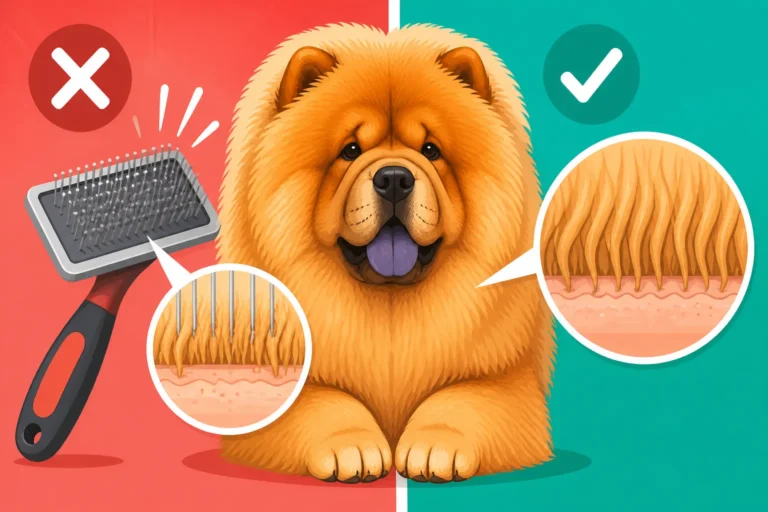
- Brushing, Brushing, Brushing: A Chow Chow, especially a rough-coated one, needs to be brushed frequently—ideally several times a week, if not daily. During a "coat blow," daily brushing becomes non-negotiable. The goal is to remove dead undercoat before it has a chance to fall out all over your house. You'll want to line brush a Chow Chow to ensure you're reaching down to the skin, not just skimming the topcoat. For those curious about the commitment, how long brushing a rough Chow Chow takes can be a significant chunk of your time!
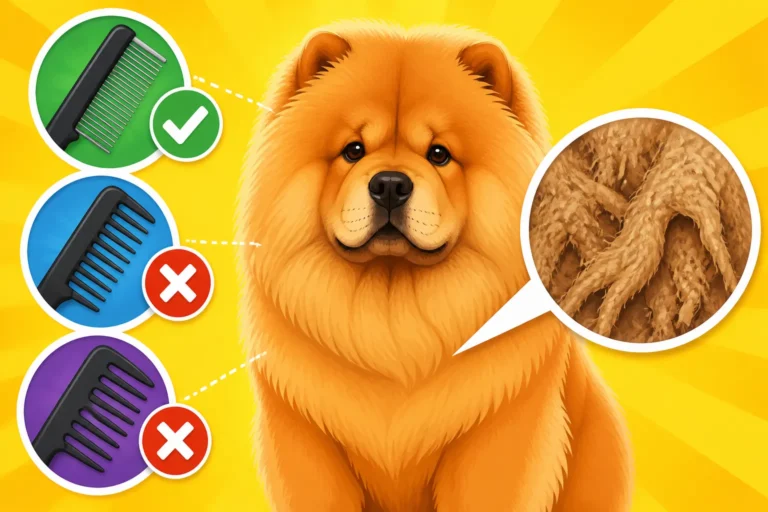
- The Right Tools: You can't just use any brush on a Chow Chow's dense coat. You'll need specific tools designed to penetrate the outer coat and get to the undercoat.
- Slicker Brush: Great for detangling the outer coat and removing loose hair from the surface.
- Pin Brush: Helps separate the longer guard hairs and works well for general brushing.
- Undercoat Rake: This is your secret weapon. An undercoat rake has long, sturdy teeth designed to reach deep into the undercoat and pull out loose, dead fur without damaging the healthy outer coat. Which brush a Chow Chow needs will almost always include one of these. You can find excellent options on Amazon or Chewy.
- High-Velocity Dryer: While not a brush, this tool is invaluable, especially during coat blows. A high-velocity dryer literally blasts away loose undercoat, speeding up the shedding process and significantly reducing the amount of fur that ends up in your home. Whether a high velocity dryer helps a Chow Chow shed is a resounding yes! It's an investment that pays dividends in reduced shedding and healthier skin.
| Grooming Tool | Primary Use | Benefits for Chow Chows |
|---|---|---|
| Slicker Brush | Surface brushing, detangling | Removes loose topcoat hair, smooths coat |
| Pin Brush | General brushing, separating guard hairs | Good for daily maintenance, gentle on skin |
| Undercoat Rake | Reaching deep into the undercoat | Crucial for removing dead undercoat, prevents matting |
| Dematting Tool/Comb | Breaking up small mats, tangles | Essential for preventing larger mats in dense fur |
| High-Velocity Dryer | Drying coat, blasting out loose undercoat | Speeds up drying, massively reduces shedding, improves skin health |
| Wide-Toothed Comb | Checking for mats, finishing touches | Helps ensure thorough brushing, detangles larger sections |
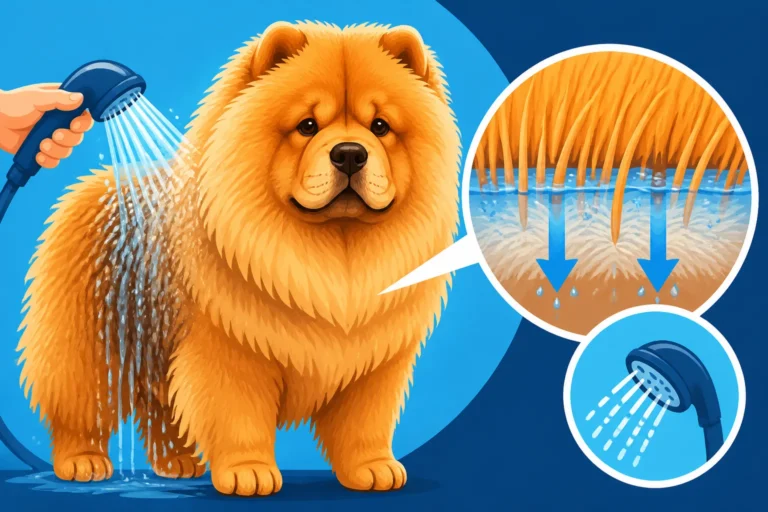
- Bathing: Regular bathing helps loosen dead hair, making it easier to brush out. However, thoroughly drying a Chow Chow is paramount to prevent skin issues. Make sure to dry them down to the skin to avoid dampness, which can lead to hot spots. How long a Chow Chow takes to dry can be quite a while, so patience and a high-velocity dryer are your friends!
Nutritional Support for a Healthy Coat
A gleaming, healthy coat that sheds less is often a reflection of a good diet. What you feed your Chow Chow directly impacts their skin and hair follicles.
- High-Quality Protein: Hair is primarily made of protein, so a diet rich in easily digestible, high-quality animal protein is essential. Look for dog foods where meat is the first ingredient, not fillers or by-products.
- Omega Fatty Acids: These are critical for skin and coat health. Omega-3s (from sources like fish oil) and Omega-6s (from chicken fat or certain plant oils) help maintain skin moisture, reduce inflammation, and promote a strong, shiny coat that is less prone to excessive shedding. Many premium dog foods incorporate these, or you can add supplements.
- Vitamins and Minerals: Ensure their diet includes a full spectrum of vitamins and minerals, especially Vitamin E and zinc, which are vital for skin health.
- Consider a Fresh Food Diet: Some owners report a noticeable reduction in shedding and improved coat quality when switching to fresh food diets. Brands like Ollie offer pre-portioned, human-grade meals that are formulated for optimal nutrition. While fresh food might mean a higher what a Chow Chow's monthly food bill runs, the benefits to coat health and overall well-being can be significant. If a fresh food diet isn't feasible, ensure you're choosing the best quality kibble you can afford from reputable brands.
Environmental Control and Lifestyle Adjustments
While you can't perfectly replicate nature indoors, you can make some adjustments to help manage shedding.
- Climate Control: Maintaining a consistent, comfortable temperature in your home can help stabilize your Chow's shedding, preventing drastic fluctuations that might occur with sudden temperature changes. However, it won't stop the year-round baseline shedding.
- Regular Exercise: A healthy, active Chow Chow generally has a healthier coat. Regular walks, especially during cooler parts of the day, contribute to overall well-being which in turn supports coat health. Remember that how much exercise a Chow Chow actually needs isn't as much as some breeds, but it's important for their health.
- Vacuuming and Cleaning: Let's be real, no amount of grooming will eliminate all the fur. Invest in a good quality vacuum cleaner designed for pet hair. Regular vacuuming, dusting, and washing of pet beds and blankets will help keep fur under control in your home. Some owners even invest in robotic vacuums to keep up with the daily fur tumbleweeds.
When Shedding Might Signal a Problem
While year-round shedding is normal for an indoor Chow Chow, there's a difference between regular maintenance shedding and excessive or unusual hair loss that might indicate an underlying problem. Learning to distinguish between the two is crucial for your Chow's health. You know your dog best, and any significant deviation from their usual shedding pattern warrants attention.
Recognizing Abnormal Shedding Patterns
It's helpful to establish a baseline for your individual Chow Chow's normal shedding. Once you know what's typical, you can more easily spot abnormalities. Here are some signs that your Chow's shedding might be more than just routine:
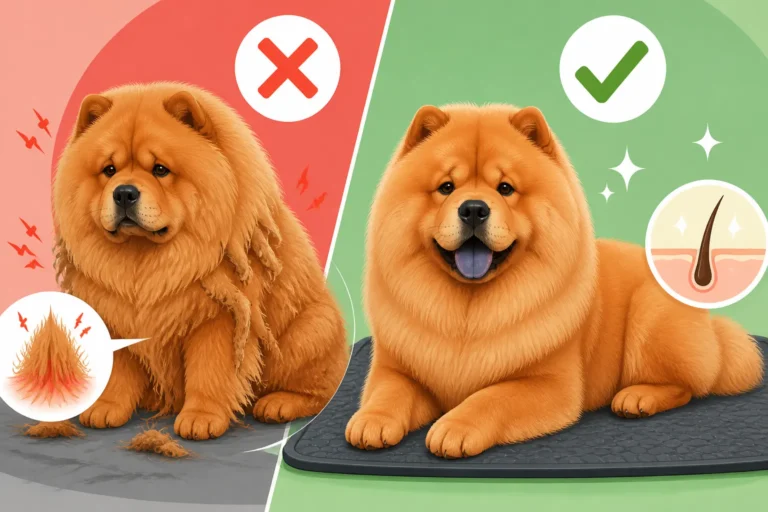
- Patchy or Uneven Hair Loss: If your Chow is losing hair in specific patches, creating bald spots or very thin areas, this is a red flag. Normal shedding usually results in an even distribution of hair loss across the body, though some areas like the "britches" (on the hind legs) or the ruff might shed more heavily. Localized hair loss often points to a skin issue, parasites, or an infection.
- Excessive Itching or Skin Irritation: If the shedding is accompanied by constant scratching, licking, or chewing, especially to the point of redness, sores, or scabs, something is definitely amiss. This could indicate allergies, fleas, mites, or a bacterial or fungal infection. You might also notice a strange odor coming from their skin.
- Changes in Coat Texture or Quality: If your Chow's coat suddenly becomes very dry, brittle, greasy, or dull, even with good nutrition and grooming, this can be a sign of an internal problem. Normal shedding should still leave behind a healthy, shiny coat.
- Lethargy or Behavioral Changes: If excessive shedding is coupled with other symptoms like decreased energy, changes in appetite or thirst, weight loss or gain, or unusual behavior, it's definitely time for a vet visit. These combined signs suggest a systemic issue.
- Absence of Undercoat Growth: In some cases, severe underlying issues can prevent the undercoat from growing back properly after a shed, leaving the coat sparse and thin. This is particularly concerning as the undercoat is vital for temperature regulation.
If you observe any of these abnormal patterns, don't hesitate to contact your veterinarian. Early detection and treatment of underlying health issues can make a significant difference in your Chow Chow's recovery and overall well-being.
Common Health Issues Affecting Coat Quality
Several health conditions can directly impact a Chow Chow's coat and lead to abnormal shedding. Being aware of these can help you understand what your vet might be looking for.
- Allergies (Environmental or Food): Chow Chows can be prone to allergies, which often manifest as skin problems, including itching, redness, and excessive shedding. Environmental allergens (pollen, dust mites) or food allergens (certain proteins) can trigger these reactions. Whether a Chow Chow Gets Skin Allergies is a common concern among owners.
- Parasites (Fleas, Mites): These tiny invaders can cause intense itching and irritation, leading your Chow to scratch and chew at their coat, resulting in hair loss. Regular flea and tick prevention is essential.
- Hypothyroidism: This is a common hormonal condition in Chow Chows where the thyroid gland doesn't produce enough hormones. One of the classic symptoms is a dull, dry coat, excessive shedding, and often symmetrical hair loss, particularly on the flanks. Other signs include weight gain, lethargy, and intolerance to cold. Whether a hypothyroid Chow Chow loses coat is a definite concern, and it's a condition that's manageable with medication once diagnosed.
- Skin Infections: Bacterial, fungal (like ringworm), or yeast infections can cause localized hair loss, redness, and itching. These often require specific medicated shampoos or oral medications.
- Autoimmune Diseases: While less common, autoimmune conditions like What Pemphigus Foliaceus Does to a Chow Chow can cause severe skin lesions and hair loss. These are serious conditions that require specialized veterinary care.
- Nutritional Deficiencies: As mentioned earlier, a lack of essential nutrients, particularly fatty acids and certain vitamins, can lead to a poor quality coat that sheds more than it should. Ensuring a balanced, high-quality diet is fundamental.
Your veterinarian might recommend blood tests (like a thyroid panel), skin scrapings, allergy testing, or a diet trial to pinpoint the cause of abnormal shedding. Regular check-ups are always a good idea to catch potential issues early.
Disclaimer
This article is for general informational purposes only and does not constitute professional advice. Laws, prices and regulations vary by location and change over time. Consult a qualified professional for guidance on your specific situation.