Whether a Chow Chow’s Sanitary Area Can Be Trimmed
For any Chow Chow owner, dealing with the dense, glorious coat is a labor of love, but let's be honest, some areas are just plain tricky. Keeping your furry friend's backside clean and tangle-free is a real challenge, and if left unattended, it can lead to discomfort, hygiene issues, and even health problems. This guide is here to walk you through everything you need to know about trimming your Chow Chow's sanitary area, whether you're tackling it yourself or seeking professional help, ensuring your companion stays clean and comfortable.
Why a Sanitary Trim Is Crucial for Your Chow Chow's Health
We all adore the majestic lion-like appearance of our Chows, but that incredible coat, particularly around the rear, comes with its own set of responsibilities. Neglecting the sanitary area can quickly turn into a messy and uncomfortable situation for your dog, and for you! It's not just about aesthetics; it's fundamentally about their well-being.
Preventing Mats and Fecal Accumulation
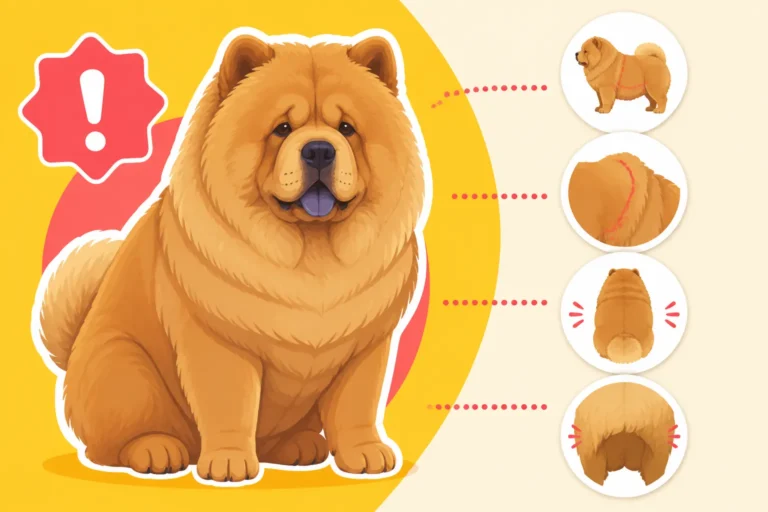
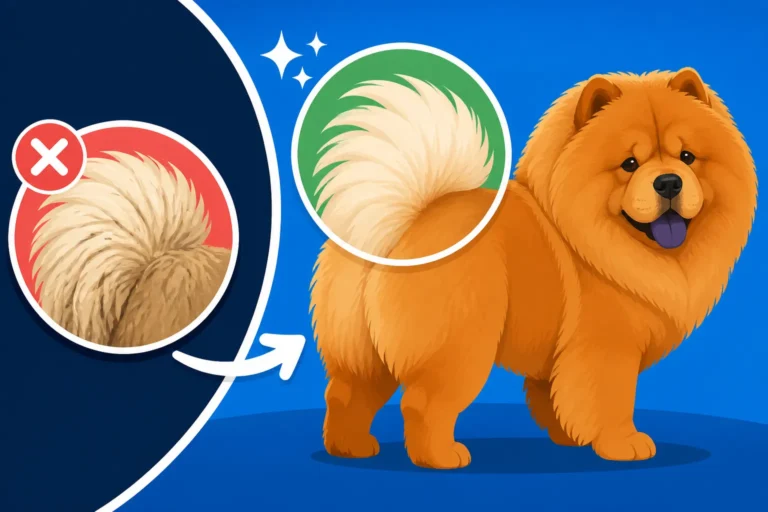
The primary reason for a sanitary trim is to prevent the notorious "poop mats." Imagine trying to do your business with a tangled mess clinging to your fur – it's unpleasant, unhygienic, and can be painful. A Chow Chow's thick double coat, especially the longer rough coat, is a magnet for all sorts of debris. Feces can easily get caught in the long hair around the anus and vulva/penis, leading to severe matting.
These mats don't just look awful; they create a breeding ground for bacteria, leading to skin infections, irritation, and a lingering unpleasant odor. When these mats tighten, they pull on the skin, causing pain and discomfort, especially when your Chow tries to sit or walk. Severe matting can even obstruct bowel movements, which is a serious concern. Regular brushing helps, but for this specific area, a careful trim is often the only way to truly keep it clean. You can learn more about general coat care in Brushing a Chow Chow's Mane Down to the Skin.
Reducing the Risk of Skin Irritations and Infections
Beyond just fecal matter, the combination of urine, moisture, and trapped debris can create a perfect storm for skin problems in the sanitary region. Moisture can get trapped against the skin, leading to dampness and an ideal environment for yeast and bacterial infections. This is particularly true for Chows who might have slight incontinence as they age or those with softer stools.
Trimming this area allows for better air circulation, keeping the skin drier and significantly reducing the likelihood of hot spots, dermatitis, and other painful skin conditions. It also makes it easier for you to spot any potential issues early on, such as redness, swelling, or unusual discharge, before they escalate into something more serious. Think of it as preventative healthcare for a sensitive zone.
Improving Overall Hygiene and Comfort
Ultimately, a well-maintained sanitary area contributes significantly to your Chow Chow's overall hygiene and comfort. A clean dog is a happy dog, and one that doesn't smell or suffer from itchy, irritated skin is even happier. This trim isn't just for their rear; it makes everything from walks to cuddles more pleasant for everyone involved.
For dogs that tend to be a bit sensitive or aloof, having a clean backside can prevent them from reacting defensively if someone accidentally touches a matted area. It's about respecting their space and ensuring their physical comfort. It also makes your job as an owner much easier when it comes to routine cleaning and checking their health.
Tools and Techniques for a Safe Sanitary Trim
Trimming your Chow Chow's sanitary area might sound daunting, but with the right tools and a calm approach, it's absolutely manageable. The key is safety, precision, and ensuring a positive experience for your dog. Remember, a quick, efficient trim is always better than a prolonged struggle.
Essential Grooming Tools
You'll need a few specific items to make this process as smooth as possible. Opt for good quality tools; they make a world of difference.
- Small, Quiet Clippers: This is your best friend for a sanitary trim. Look for cordless, quiet clippers designed for delicate areas or small breeds. The smaller blade size gives you more control and is less intimidating for your Chow. Brands like Wahl or Andis offer good options, often found on platforms like Amazon or Chewy. Avoid using regular human hair clippers as they can get hot quickly and might not be designed for dog fur density.
- Blunt-Nosed Scissors: For any intricate areas or if you're not comfortable with clippers, blunt-nosed scissors are a safer alternative. The rounded tips help prevent accidental pokes or cuts. These are good for tidying up edges after the main clip.
- Grooming Comb: A fine-toothed comb is essential for parting the hair and ensuring there are no hidden tangles before you start trimming. This helps you get a clean, even cut and prevents the clippers from snagging on mats.
- A Second Person (Optional but Recommended): Having an extra pair of hands to gently hold and reassure your Chow can make the process significantly easier and safer, especially if your dog is new to grooming.
- Treats and Praise: Never underestimate the power of positive reinforcement! High-value treats and calm, reassuring praise will make your Chow more cooperative and associate grooming with good things.
Step-by-Step Sanitary Trimming Guide
Before you begin, ensure your Chow Chow is calm and comfortable. A short walk or playtime beforehand can help burn off some energy.
- Prepare the Area: Find a well-lit space where your Chow can stand comfortably. You might use a non-slip mat on a table if your dog is accustomed to it, or simply work on the floor. Gently comb out any loose hair or surface tangles around the anal and genital area. If there are any solid mats, try to gently tease them apart with your fingers or the comb. If they're too tight, you'll need to carefully cut into them with the blunt-nosed scissors before attempting to clip.
- Lift the Tail: The most crucial step is to get a clear view of the area. Gently lift your Chow Chow's tail straight up and hold it out of the way. This exposes the anus and surrounding fur. You may need your helper to do this.
- Use Clippers Carefully:
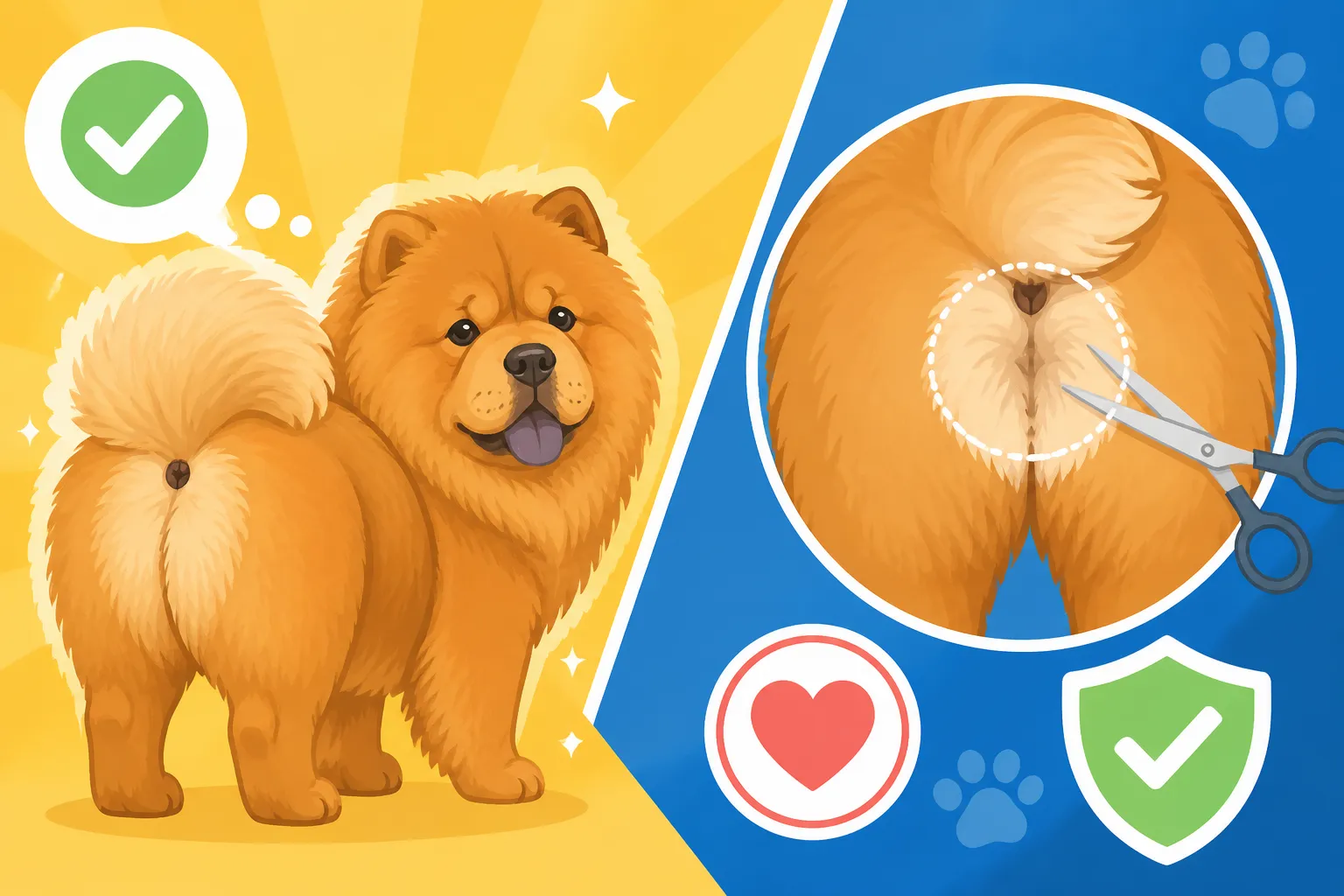
- For the anal area: With the tail up, very carefully use your small clippers with the blade flat against the skin. Trim the hair in a small circle directly around the anus. You only need to remove enough hair to prevent stool from catching – typically an area about the size of a quarter or slightly larger, depending on your dog's size. Always move the clippers in the direction of hair growth or against it, depending on the desired closeness, but be extra cautious not to nick the delicate skin.
- For the vulva/penis area: Gently move to the genital area. For females, carefully trim the hair directly around the vulva. For males, trim the hair around the prepuce (sheath). Again, you're aiming for enough clearance to prevent urine or discharge from soaking into the fur and causing irritation. Keep the clippers shallow and precise.
- Tidy Up with Scissors (Optional): Once you've used the clippers, you can use the blunt-nosed scissors to carefully trim any longer stray hairs that might have been missed or to create a cleaner line. Always point the scissor tips away from the skin.
- Praise and Reward: As soon as you're done, offer lots of praise and a favorite treat. Make it a positive experience! This helps build trust for future grooming sessions. For more on positive grooming experiences, check out Teaching a Chow Chow to Be Brushed.
| Area to Trim | Recommended Tool | Technique | Key Precaution |
|---|---|---|---|
| Anal Area | Small, quiet clippers | Trim small circle around anus, blade flat to skin, tail up. | Avoid nicking delicate skin; go slow. |
| Genital Area | Small, quiet clippers | Trim hair around vulva/prepuce for clearance. | Be shallow, precise; prevent urine saturation. |
| Edges/Strays | Blunt-nosed scissors (optional) | Carefully snip longer hairs for clean finish, tips away from skin. | Always use blunt-nosed for safety. |
What to Do if Your Chow Chow Resists
Chow Chows can be famously independent, and some might not be thrilled about having their rear end handled. Patience is paramount.
- Start Small: Don't try to do everything at once if your Chow is resistant. Start with just touching the area, then gradually introduce the sound of the clippers, rewarding them each step of the way.
- Short Sessions: Keep grooming sessions very brief if your dog is stressed. A minute or two of successful trimming is better than a prolonged struggle that creates a negative association.
- Muzzle Training: For particularly reactive Chows, muzzle training can be a lifesaver, not as punishment, but as a safety tool for both of you. Many Chows do better with this early on. Whether a Chow Chow Should Be Muzzle Trained Early discusses this.
- Professional Help: If despite your best efforts, your Chow Chow remains too agitated or aggressive, it's time to call in a professional groomer or veterinarian. Don't risk injury to yourself or your dog.
When to Seek Professional Grooming Help
While tackling the sanitary trim at home can save you time and money, there are definitely times when enlisting the help of a professional groomer or even your veterinarian is the wisest choice. Recognizing these situations ensures your Chow Chow receives the best care without unnecessary stress or potential injury.
When You're Not Comfortable or Lack Confidence
Let's be real, not everyone is a natural dog groomer, and that's perfectly okay! The sanitary area is sensitive, and if you feel anxious, unsure, or worried about accidentally hurting your Chow, it's better to delegate. Your Chow Chow will pick up on your unease, which can make them more stressed and less cooperative. It's not worth the risk of a botched trim, a nicked skin, or creating a negative association with grooming for your dog.
Professional groomers have specialized training, tools, and experience with all sorts of temperaments and coats, including the unique challenges of a Chow Chow. They can perform the trim efficiently and safely, minimizing discomfort for your dog. Finding a groomer who truly understands and is patient with Chow Chows can be a godsend. Finding a Groomer Who Will Take a Chow Chow can help you navigate this.
Dealing with Extreme Matting or Skin Issues
If your Chow Chow's sanitary area is already severely matted, especially with fecal matter, trying to remove it yourself can be incredibly painful for your dog and potentially dangerous. Tight mats pull on the skin, and it's very easy to accidentally cut the skin when trying to get clippers or scissors underneath them. Similarly, if you notice any redness, swelling, discharge, or open sores in the area, a professional groomer or your vet should be your first call.
A groomer can safely and gently shave out extreme matting, often using a very short blade to get under the tightest knots. If there are underlying skin issues, your veterinarian can diagnose and treat the problem. Attempting to groom over inflamed skin can cause further irritation and pain. Sometimes, a Chow Chow needs light sedation at the vet for thorough mat removal, especially if they are in pain or very resistant.
Behavioral Challenges and Resistance
Chow Chows are known for their strong personalities. Some are tolerant of handling, while others are incredibly particular, especially about sensitive areas. If your Chow growls, snaps, tries to bite, or becomes excessively agitated during attempts to groom their sanitary area, it's a clear sign you need professional intervention. Pushing a dog beyond their comfort level can erode trust and potentially lead to a bite incident.
A professional groomer or vet clinic often has techniques and facilities to handle dogs with behavioral challenges. They might use specialized handling methods, or in some cases, your veterinarian might recommend mild sedation to ensure a stress-free and safe grooming experience. Remember, their safety and your own are paramount.
Maintaining Hygiene Between Trims and Beyond
A sanitary trim is a fantastic starting point for keeping your Chow Chow clean and comfortable, but it's not a set-it-and-forget-it solution. Ongoing daily care and attention to diet play a huge role in preventing issues from recurring and ensuring your beloved companion stays hygienic and happy between professional visits or home trims.
Daily Spot Cleaning and Wiping
Even with a nicely trimmed sanitary area, daily spot checks and cleaning are essential. Chow Chows have those magnificent fluffy tails, and sometimes things can still find their way onto the surrounding fur. After every potty break, especially if your Chow has had a softer stool, take a moment to glance at their rear.
Keep a stash of pet-safe grooming wipes or a damp cloth readily available. Gently wipe away any residual debris from around the anus and genitals. This simple routine prevents minor issues from escalating into matted, sticky messes. If your Chow Chow is prone to yeast or bacterial infections in their skin folds, your vet might recommend specific medicated wipes. Remember, prevention is key, and a few seconds of wiping can save you a lot of trouble later.
Addressing Underlying Dietary or Health Issues
Sometimes, a messy sanitary area isn't just about the fur; it's a symptom of something else. If your Chow Chow consistently has loose stools or diarrhea, it's going to make keeping their rear clean an uphill battle, no matter how short the trim. This warrants a conversation with your veterinarian.
Dietary sensitivities, sudden changes in food, parasites, or underlying digestive issues can all lead to inconsistent stool quality. Your vet might recommend a change in diet, perhaps a bland diet, or a limited ingredient food to rule out allergies. Brands like Ollie offer fresh food options that some owners find beneficial for digestive health, but always discuss any significant dietary changes with your vet first. Regular check-ups, including What a Chow Chow's Yearly Bloodwork Should Cover, can also help rule out health issues impacting digestion. By addressing the root cause of messy stools, you can dramatically improve your Chow's hygiene and comfort.
Regular Brushing and Bathing
While the sanitary trim focuses on a small, specific area, general coat maintenance for your Chow Chow can't be overlooked. Regular, thorough brushing of their entire coat, including their hindquarters, helps to remove loose undercoat and prevent mats from forming and migrating towards the sanitary zone. How Long Brushing a Rough Chow Chow Takes offers guidance on this often time-consuming task.
And let's not forget bathing! While not an everyday event for a Chow, a proper bath with a good shampoo and conditioner will keep their coat and skin healthy. Ensure you rinse thoroughly and dry them completely, especially in all those dense areas, to prevent skin problems. Bathing and Drying a Chow Chow's Dense Coat provides a detailed guide to this often lengthy process. A clean general coat means fewer chances for dirt and debris to build up and cause problems near the sensitive sanitary region.
| Routine Task | Frequency | Purpose | Key Benefit |
|---|---|---|---|
| Sanitary Trim | Every 4-8 weeks (as needed) | Prevents fecal/urine accumulation, matting. | Improves hygiene, reduces infection risk. |
| Daily Spot Cleaning | After each potty break | Wipes away residue, prevents minor buildup. | Maintains immediate cleanliness, reduces odor. |
| Regular Brushing | 2-3 times/week | Removes loose hair, prevents general matting. | Supports coat health, reduces overall shedding. |
| Bathing (with full drying) | Every 6-12 weeks | Deep cleans coat, prevents skin issues due to trapped moisture. | Refreshes coat, minimizes skin irritation. |
| Vet Check-ups | Annually or as needed | Identifies underlying health/dietary issues. | Addresses root causes of hygiene problems. |
Taking the time to properly care for your Chow Chow's sanitary area, whether through careful trimming or diligent spot cleaning, is an act of love. It ensures they live a life free from discomfort, irritation, and unnecessary mess, allowing their true, magnificent personality to shine through.
Disclaimer
This article is for general informational purposes only and does not constitute professional advice. Laws, prices and regulations vary by location and change over time. Consult a qualified professional for guidance on your specific situation.