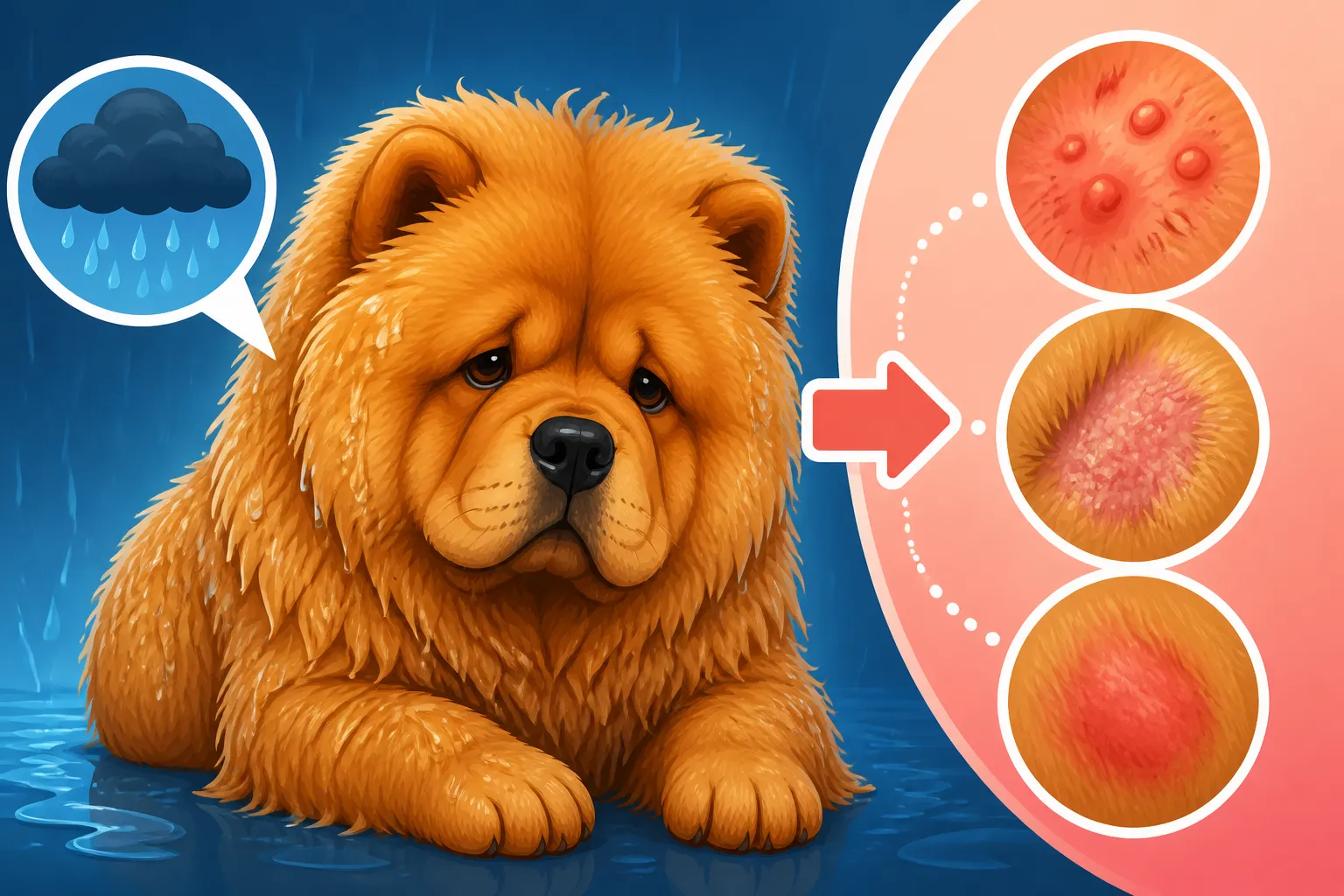
Why a Damp Chow Chow Gets Skin Trouble
One of the most frustrating challenges of owning a gorgeous, fluffy Chow Chow is keeping that magnificent coat in pristine condition, especially when it comes to moisture. Many new Chow Chow owners, and even some seasoned ones, discover far too late that a damp coat isn't just an inconvenience; it's a direct invitation for painful, persistent skin problems. This guide will walk you through exactly why dampness is such a foe to your Chow Chow's skin health and what you can do to protect your furry companion.
The Chow Chow's Double Coat: A Trap for Moisture and Trouble
That luxurious mane and dense undercoat are what make the Chow Chow so distinctive and, let's be honest, so endlessly huggable. But these very features, which evolved to protect them from harsh, cold climates, can become a significant liability in environments where dampness is common or after a simple bath if not properly managed. It's not just about getting wet; it's about staying wet, deep down where you can't easily see.
The Anatomy of a Chow Chow's Coat
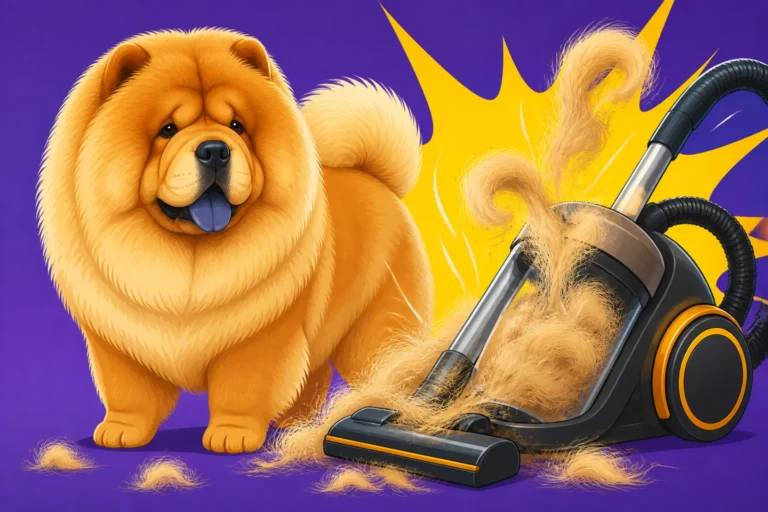
A Chow Chow possesses a double coat, a marvel of natural engineering. This consists of two distinct layers: a coarse, straight outer coat (guard hairs) and a soft, dense, woolly undercoat. The guard hairs are designed to repel water and protect against external elements, while the undercoat acts as an insulating layer, trapping air to keep the dog warm in winter and cool in summer. Think of it like a down-filled winter coat – incredibly effective for insulation.
However, this density also means that once water penetrates the outer layer and saturates the undercoat, it becomes incredibly difficult to dry out completely. The undercoat acts like a sponge, holding onto moisture close to the skin. Unlike single-coated breeds where air can easily circulate to the skin, the Chow Chow's thick layers create a perfect, humid microclimate directly against their body. This is crucial to understanding What a Chow Chow's Double Coat Is Made Of and why it's so problematic with dampness.
Why Lingering Dampness is a Problem
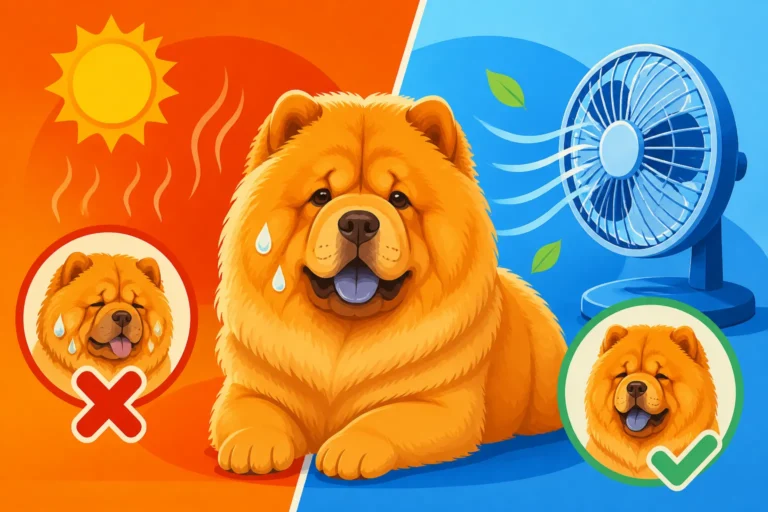
When your Chow Chow gets wet—whether it's from a bath, a romp in the rain, a swim, or even just heavy dew on the grass—that moisture can get trapped deep within their undercoat. If not thoroughly dried, this trapped dampness becomes a breeding ground for all sorts of unwelcome guests. The combination of warmth from the dog's body, the lack of air circulation through the dense fur, and the persistent moisture creates an ideal environment for bacteria, yeast, and fungi to flourish.
This isn't just an unpleasant thought; it's a recipe for severe skin irritation and infection. The skin, deprived of proper airflow and constantly moist, starts to break down, becoming itchy, inflamed, and vulnerable. Owners often don't realize the extent of the dampness because the outer coat can feel dry, while the undercoat deep down remains stubbornly wet. This is particularly true for How Long a Chow Chow Takes to Dry if not done meticulously.
The Hidden Dangers of Lingering Dampness
The most significant danger of a damp Chow Chow coat is the rapid onset of various skin conditions. What might start as a mild itch can quickly escalate into a full-blown infection. The thick fur not only traps moisture but also makes it incredibly hard to spot these problems in their early stages. Why a Chow Chow's Dense Coat Hides Skin Disease is a constant challenge for owners, making diligent care even more critical. By the time you notice a strong odor, excessive scratching, or matted fur, the underlying skin issue could already be quite advanced and painful for your dog. It's a silent threat lurking beneath that beautiful coat.
Common Skin Conditions Fueled by Dampness
The constant battle against dampness is real for Chow Chow owners because their unique coat structure makes them particularly susceptible to a few notorious skin conditions. These issues are not just uncomfortable for your dog; they can be incredibly painful and require dedicated veterinary attention.
Hot Spots Acute Moist Dermatitis
Perhaps the most common and distressing dampness-related ailment for Chow Chows are "hot spots," medically known as acute moist dermatitis. These are rapidly appearing, red, moist, often painful skin lesions that can develop seemingly overnight. A hot spot typically starts when something irritates the skin—a bug bite, an allergic reaction, or, crucially, persistent moisture. The dog then licks or chews the spot relentlessly, which further traumatizes the skin, introduces bacteria from their mouth, and maintains the damp environment.
The Chow Chow's dense coat acts as both the incubator and the camouflage for these nasty spots. Moisture gets trapped, irritation begins, the dog grooms excessively, and poof—you have a weeping, infected lesion. Because the fur is so thick, the hot spot can spread rapidly and extensively beneath the surface before it's ever visible. How Often a Chow Chow Gets Hot Spots is directly tied to how well their coat is managed, especially regarding dampness. They are notoriously difficult to clear up if the underlying moisture and irritation aren't addressed.
Fungal Infections Yeast and Ringworm
Damp, warm, and dark conditions are a fungi's dream home, and a perpetually damp Chow Chow coat provides just that. Two common fungal culprits are yeast infections (often caused by Malassezia pachydermatis) and ringworm (a fungal infection, despite its misleading name).
Yeast infections often present as greasy skin, a distinctive "yeasty" smell (think stale bread or corn chips), intense itching, and reddish-brown discoloration of the skin or fur. They thrive in folds of skin (like facial wrinkles, armpits, or groin) and any area where moisture is trapped. Ringworm, while less common, also flourishes in damp conditions and can cause circular patches of hair loss, scaly skin, and sometimes redness and itching. Both require specific antifungal treatments, often involving medicated shampoos and oral medications, and are a direct consequence of prolonged moisture against the skin. Why a Chow Chow's Skin Fold Gets Infected is a perfect example of how these warm, damp pockets become problematic.
Bacterial Skin Infections Pyoderma
The moist environment created by a damp Chow Chow coat is also an open invitation for bacteria. When the skin's natural barrier is compromised by persistent moisture and irritation, bacteria (often Staphylococcus species, which are normally present on the skin) can invade and multiply, leading to pyoderma.
Pyoderma can manifest in various ways, including pustules (small pus-filled bumps), crusts, redness, hair loss, and sometimes a foul odor. It's essentially a bacterial skin infection. Because a Chow Chow's coat is so dense, a superficial pyoderma can often be hidden, making diagnosis and treatment more challenging. Whether a Matted Chow Chow Gets Hot Spots is relevant here because mats also trap moisture and create the perfect anaerobic environment for bacterial growth, often leading to deep pyoderma or abscesses beneath the mat. These infections are painful and require veterinary intervention, typically with antibiotics and medicated baths.
| Condition | Primary Cause | Symptoms | Role of Dampness |
|---|---|---|---|
| Hot Spots | Irritation + Self-trauma | Red, weeping, raw, painful sores; rapid onset; intense licking/chewing | Traps moisture, prevents healing, encourages bacterial growth |
| Yeast Infections | Fungal overgrowth | Greasy skin, "yeasty" odor, dark discoloration, itching, scaling | Creates warm, moist environment for fungal proliferation |
| Bacterial Pyoderma | Bacterial overgrowth | Pustules, crusts, redness, hair loss, odor, itching, sometimes fever | Weakens skin barrier, allows bacteria to invade and multiply |
| Ringworm | Fungal infection | Circular patches of hair loss, scaly skin, redness, itching (less common) | Moist environment facilitates fungal growth and spread |
Practical Steps to Prevent Dampness-Related Skin Issues
The good news is that preventing these frustrating and painful skin conditions is largely within your control. It all comes down to vigilance and establishing a consistent, thorough grooming routine. Your Chow Chow depends on you to keep that glorious coat healthy and dry.
The Importance of Thorough Drying
This is the golden rule for Chow Chow owners: a damp Chow Chow is a troubled Chow Chow. Whether it's after a bath, a dip in a pond, or a rainy walk, your dog must be dried completely, down to the skin. Towel drying alone is simply not enough for their dense undercoat.
You'll need specialized tools for the job. A high-velocity dryer (also known as a forced air dryer or dog blaster) is an absolute game-changer. These dryers blow water out of the coat rather than just heating it, significantly reducing drying time and ensuring that deep undercoat is completely dry. Brands like B-Air and Flying Pig Grooming offer excellent options available on Amazon or Chewy. Use it systematically, section by section, parting the fur down to the skin, until no moisture remains. If your Chow Chow is nervous about the dryer, introduce it slowly with treats and positive reinforcement. Bathing and Drying a Chow Chow's Dense Coat takes time and patience, but it's non-negotiable for their skin health.
Regular Grooming and Maintenance
Beyond post-bath drying, consistent routine grooming is paramount. Mats and tangles in a Chow Chow's coat act like tiny sponges, trapping moisture and debris even more effectively than loose fur. They also prevent air circulation, creating stagnant, damp pockets right against the skin. Regular line brushing, reaching all the way down to the skin, is essential to remove loose undercoat and prevent matting.
You should aim to brush your rough-coated Chow Chow several times a week, if not daily, especially during coat-blowing seasons. A slicker brush followed by a good undercoat rake and a metal comb are your best friends. The comb is crucial for finding any missed tangles or damp spots. For a smooth-coated Chow Chow, brushing can be less frequent, but still needs to be thorough to maintain skin health. Investing in quality grooming tools from Chewy or Amazon can make this task much easier. Regular brushing not only helps dry the coat faster but also allows you to inspect the skin for any early signs of irritation or dampness. Learn How to Line Brush a Chow Chow correctly to ensure you're getting through all that dense fur.
Post-Bath and Wet Weather Care
Baths should always be followed by thorough drying using a high-velocity dryer. If you don't have one, or if your Chow Chow absolutely won't tolerate it, professional groomers are an excellent resource. They have the right equipment and expertise to get your Chow Chow truly dry. How Often a Chow Chow Should Be Bathed depends on their lifestyle, but each bath means a commitment to complete drying. Consider using a good quality shampoo, perhaps one formulated for sensitive skin or to help with shedding, which can improve coat health and reduce potential irritants. Which Shampoo Suits a Chow Chow's Coat can make a difference.
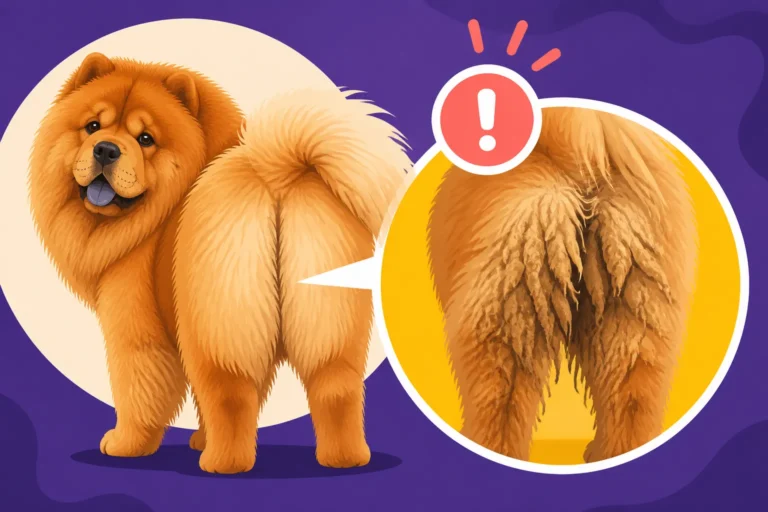
After walks in wet weather, don't just let your Chow Chow air dry indoors. Even if it's just their feet and legs that are damp, pat them thoroughly dry with a towel, and then use your high-velocity dryer on a low, cool setting to ensure every bit of moisture is gone. Pay special attention to their "britches" (the fur on their hind legs) and their ruff, as these areas are particularly dense and prone to trapping moisture. Some owners even use specialized drying coats or warm blankets to aid in the process, but the high-velocity dryer remains the most effective tool. Remember, prevention is always easier and less costly than treating a full-blown skin infection. A well-maintained coat, kept thoroughly dry, is your best defense.
When to Call the Vet: Recognizing and Treating Skin Trouble
Even with the most diligent care, sometimes skin issues can arise. Knowing when to simply monitor and when to seek professional help is crucial for your Chow Chow's well-being. Their stoic nature means they can be incredibly good at hiding discomfort, so you need to be observant.
Signs to Watch For
Regularly parting your Chow Chow's coat to inspect their skin is a must. Don't rely solely on surface-level observations. Look for these signs, especially after they've been damp:
- Excessive scratching, licking, or chewing: This is usually the first indicator something is wrong. Pay attention to specific areas they keep bothering.
- Redness or inflammation: Lift the fur and look for pink or red skin, which can indicate irritation.
- Odor: A strong, yeasty, or foul smell emanating from the coat or specific skin areas is a red flag for bacterial or fungal overgrowth.
- Hair loss: Patches of missing fur, especially if the skin underneath is red or scaly.
- Pustules, scabs, or crusts: Bumps that look like pimples, dried discharge, or flaky skin can all signal infection.
- Warmth to the touch: Inflamed areas may feel warmer than the surrounding skin.
- Pain or tenderness: Your Chow Chow may flinch or snap if you touch an affected area. Remember How a Chow Chow Hides Pain, so even subtle reactions should be noted.
- Dull or greasy coat: A healthy coat is vibrant; a dull or oily appearance can indicate underlying issues.
Initial Home Care vs. Professional Help
For very minor, non-spreading areas of redness or irritation, you might consider some gentle home care. Cleaning the area gently with a mild antiseptic solution (like diluted chlorhexidine or povidone-iodine, diluted to a tea color) and ensuring it's kept absolutely dry might help. However, for a Chow Chow, with their propensity for rapid skin deterioration and hidden problems, it's often safer to err on the side of caution.
If you notice any of the more serious symptoms—like hot spots, pus, extensive redness, a strong odor, or if the area is spreading rapidly or your dog is clearly in pain—it's time to call your veterinarian immediately. Attempting to self-treat can delay appropriate care, allow the infection to worsen, and ultimately lead to more aggressive and costly treatments down the line. Never apply human medications or harsh chemicals to your dog's skin without veterinary guidance.
Diagnostic and Treatment Approaches
When you take your Chow Chow to the vet for skin issues, be prepared for a thorough examination. The vet will likely want a detailed history of when the problem started, what you've observed, and your grooming routine. They may part the fur to get a good look at the skin and possibly shave a small area to better assess the lesion.
Common diagnostic tests might include:
- Skin scrape: To check for mites or other parasites.
- Cytology: Examining a sample of skin cells under a microscope to identify bacteria, yeast, or inflammatory cells.
- Fungal culture: To definitively diagnose ringworm.
- Bacterial culture and sensitivity: If the infection is severe, to identify the specific bacteria and determine which antibiotics will be most effective.
Treatment will depend on the diagnosis. It could involve:
- Medicated shampoos and topical treatments: Often containing antimicrobials, antifungals, or anti-inflammatory ingredients.
- Oral antibiotics or antifungals: For more widespread or severe infections.
- Anti-inflammatory medications: To reduce pain and swelling.
- E-collar (cone of shame): Crucial to prevent your Chow Chow from licking and chewing, which perpetuates hot spots and other irritations.
Addressing underlying causes, such as allergies or poor grooming practices, is also part of long-term management. Taking your Chow Chow to a vet who understands the breed's unique challenges, including their dense coat, can make a significant difference in effective treatment and prevention.
Disclaimer
This article is for general informational purposes only and does not constitute professional advice. Laws, prices and regulations vary by location and change over time. Consult a qualified professional for guidance on your specific situation.