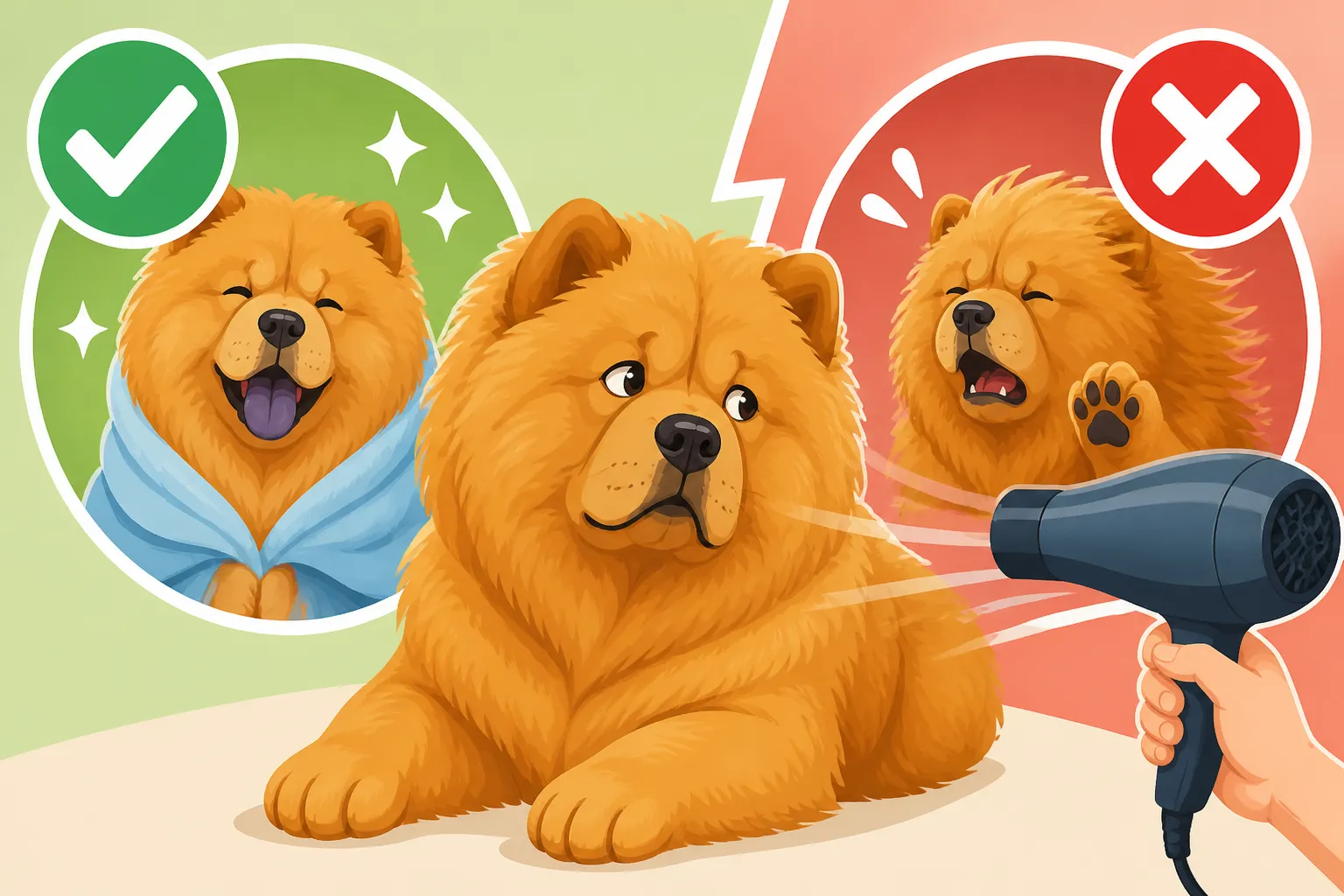
Whether a Chow Chow Tolerates a Dryer
Anyone who shares their life with a magnificent Chow Chow knows the sheer effort involved in keeping that glorious double coat looking its best. Bath time is one thing, but getting your Chow Chow completely dry afterward can feel like an Olympic sport, leaving many of us wondering: will my fluffy companion ever truly tolerate a dryer? This guide dives deep into the realities of drying a Chow Chow, exploring why it's such a challenge, what tools are safe and effective, and how you can help your dog learn to accept this crucial grooming step.
The Immense Challenge of Drying a Chow Chow's Coat
Let's be honest, few dogs come with a coat quite as formidable as a Chow Chow's. It's a hallmark of the breed, a regal mane that evokes images of lions and ancient nobility, but it's also a serious commitment when it comes to grooming. Trying to dry this type of coat can quickly turn into a wrestling match, a soggy nightmare, or both.
Why Their Double Coat is a Drying Nightmare
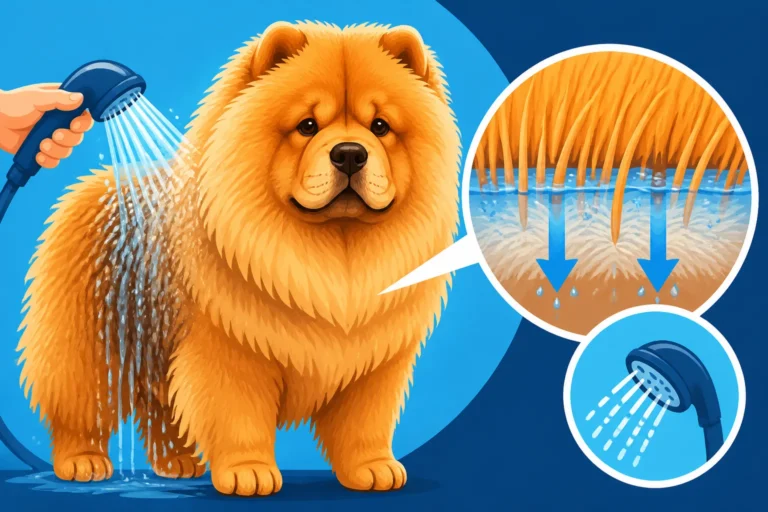
The Chow Chow's coat isn't just thick; it's a marvel of natural insulation, designed for the harsh climates of its ancestral home. This "double coat" consists of two distinct layers. The outer coat, often called the guard coat, is made of coarse, straight hairs that are somewhat water-resistant and protect against dirt and tangles. Beneath this lies an incredibly dense, soft, and woolly undercoat. This undercoat is what truly makes drying a challenge. It's designed to trap air, providing warmth, but it also excels at trapping water. When wet, it becomes a thick, matted sponge that holds moisture stubbornly close to the skin. Simply rubbing with a towel barely penetrates this inner layer, leaving vast sections of the undercoat damp for hours, sometimes even days, if not properly addressed. You can learn more about What a Chow Chow's Double Coat Is Made Of to truly appreciate its complexity.
Imagine trying to dry a thick wool blanket that's been thoroughly soaked – that's a bit like what you're up against with a Chow Chow's undercoat. The sheer volume of hair means there's an enormous surface area to dry, and the way the two layers intertwine creates a barrier that resists airflow. This is why a simple air dry, especially indoors, is rarely sufficient for a Chow Chow and can lead to a host of problems we'll discuss next.
The Hidden Health Risks of Incomplete Drying
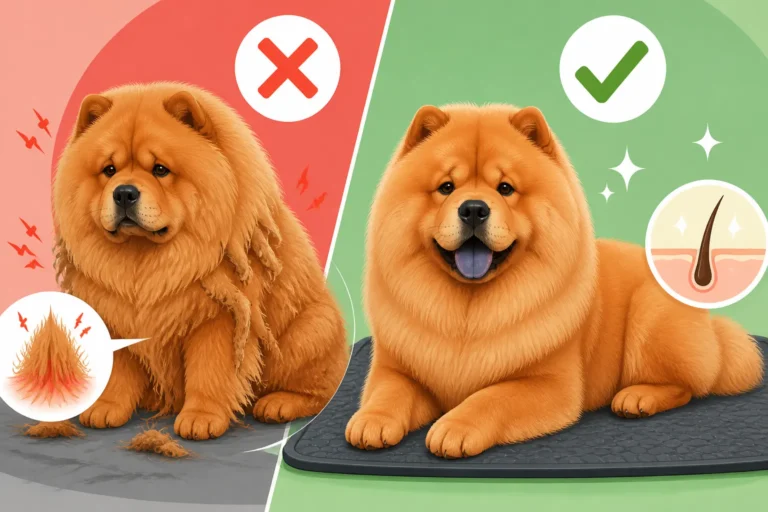
Beyond the obvious discomfort of a perpetually damp dog, incomplete drying poses significant health risks for your Chow Chow. That warm, moist environment trapped close to the skin is an absolute breeding ground for bacteria and fungi. The most common and painful result is a "hot spot" – an acute moist dermatitis that can appear almost overnight. These are intensely itchy, red, weeping lesions that your Chow Chow will likely lick, chew, and scratch, exacerbating the problem and potentially leading to secondary infections.
Matting is another serious concern. Damp hair mats more easily, and if the undercoat isn't completely dried and brushed out, it can quickly form dense, painful mats right against the skin. These mats pull on the skin, causing discomfort and pain, and can also hide skin infections or parasites. In severe cases, extensive matting may even restrict movement. The reality is, Why a Chow Chow Must Be Dried to the Skin isn't just about aesthetics; it's about their fundamental health and well-being. A thorough drying process, whether with a dryer or meticulous manual methods, is not optional; it's essential for preventing these painful and costly skin conditions.
Different Dryers: What Works and What Harms
When faced with a soaking wet Chow Chow, it's natural to reach for any drying tool at hand. However, not all dryers are created equal, and some can actually cause more harm than good for a breed like the Chow Chow. Understanding the differences is crucial for your dog's safety and comfort.
Why Your Human Hair Dryer is a No-Go
It might seem convenient to grab your own hair dryer, but please, resist the urge. Human hair dryers are designed to produce heat to dry hair quickly. While this works for us, it's incredibly dangerous for a dog, especially one with a dense double coat like a Chow Chow. Their skin can overheat rapidly, leading to burns that might not be immediately visible through their thick fur. Dogs don't dissipate heat as efficiently as humans, and heatstroke is a genuine risk. Why a Chow Chow Overheats So Easily is a constant concern, and a human hair dryer will only compound this.
Furthermore, human dryers typically lack the power to penetrate the Chow Chow's dense undercoat. They might dry the outer layer, but the inner layers will remain damp, creating that perfect breeding ground for skin issues. You'd be expending a lot of effort for very little benefit, all while risking your dog's health. The motors in human dryers also aren't built for the prolonged use required for a Chow Chow, often leading to burnout.
The High-Velocity Dryer: Your Chow's Potential Best Friend
If there's one tool that truly revolutionizes drying a Chow Chow, it's the high-velocity dryer, also often called a forced air dryer or a pet dryer. Unlike human hair dryers, these machines are designed to push a large volume of air at high speed, with little to no heat. Their primary function is to literally "blast" the water out of the coat. This powerful airflow separates the hair, lifts the undercoat, and forces moisture away from the skin.
The benefits for a Chow Chow are immense:
- Penetration: The force of the air can reach the deepest layers of the undercoat, ensuring thorough drying.
- Efficiency: It dramatically reduces drying time, often cutting it down from hours to minutes. How Long a Chow Chow Takes to Dry can be a major factor in whether you manage to dry them fully.
- Safety: Because they use minimal or no heat, the risk of burning your dog's skin is greatly reduced.
- Demating: The powerful airflow can also help to de-shed and loosen minor tangles and mats, making brushing easier. How to Get a Chow Chow Through a Coat Blow Faster
High-velocity dryers come with various nozzles and adjustable speed settings. You'll want one with variable speed so you can start gently and increase the force as your Chow Chow becomes more comfortable. You'll find a wide selection of these dryers on platforms like Amazon, often with different power levels and nozzle attachments. Choosing one specifically designed for large, double-coated breeds is a smart investment.
Cage Dryers: Handle With Extreme Caution
Cage dryers are large, box-like enclosures where a fan circulates warm air to dry animals. They are typically found in professional grooming salons or veterinary offices. While they can be effective for some breeds, they must be used with extreme caution for Chow Chows. The danger lies in the potential for overheating and stress.
A Chow Chow's dense coat makes it particularly susceptible to heatstroke. In a cage dryer, if the temperature isn't perfectly controlled and monitored, or if the dog becomes agitated and restless, their body temperature can rise dangerously. Sadly, there have been tragic incidents of dogs overheating in cage dryers when left unsupervised or when the settings were incorrect. For this reason, many responsible groomers avoid using cage dryers for Chows or use them only for very short periods with constant, direct supervision. If your groomer uses one, ask about their safety protocols, temperature monitoring, and how long your Chow Chow will be in it. As an owner, it's generally best to avoid these for home use altogether due to the significant risks involved.
Here's a quick comparison of common drying methods:
| Method | Pros | Cons | Chow Chow Suitability |
|---|---|---|---|
| Air Drying | Free, no special equipment | Very slow, often incomplete; high risk of matting, hot spots, and skin infections | Poor – rarely effective |
| Towel Drying | Readily available, low cost, non-intimidating | Insufficient for undercoat; can take hours; mostly for initial moisture absorption | Good (initial step only) |
| Human Hair Dryer | Readily available | Too hot, risk of burns/heatstroke; insufficient power for undercoat; noisy | Dangerous – avoid! |
| High-Velocity Dryer | Powerful, fast, safe (low/no heat); penetrates undercoat; helps de-shed | Initial cost; requires desensitization training; can be noisy (though less than human dryers) | Excellent (with training) |
| Cage Dryer | Hands-free for groomer (professional setting) | High risk of overheating/heatstroke; can be stressful; requires constant supervision and monitoring | Poor/Dangerous (for Chows) |
Training Your Chow Chow for Dryer Acceptance
The idea of pointing a loud, powerful machine at your Chow Chow might seem daunting, and for many Chows, it's certainly not love at first blast. But with patience, positive reinforcement, and a structured approach, most Chow Chows can learn to tolerate, if not enjoy, the high-velocity dryer. This is a skill that will save you immense hassle and protect your dog's health in the long run.
Starting Early and Building Positive Associations
The key to success with any grooming procedure for a Chow Chow is to start early. If you bring home a puppy, begin introducing them to the sounds and sensations of grooming tools long before they even need them. Even before their full vaccinations, you can start the desensitization process. Whether a Chow Chow Puppy Should Visit the Groomer Early is a valid question, and the answer is usually yes, for positive exposure sessions.
Begin by simply having the dryer in the same room, unplugged. Let your puppy investigate it. Then, plug it in and turn it on away from your Chow Chow, at its lowest setting, for just a few seconds. Immediately pair this with high-value treats and praise. The goal is to create a positive association: dryer noise equals delicious reward. Keep these sessions very short, perhaps only a minute or two, ending before your puppy shows any signs of stress. Slowly, over days or even weeks, you can gradually increase the duration and proximity of the dryer while continuing to shower them with treats and calm reassurance. To make the experience positive, have a stash of high-value treats ready, perhaps some tasty soft chews from Chewy or your dog's favorite dehydrated goodies.
Mastering Desensitization Techniques
Once your Chow Chow tolerates the dryer running in the room, it's time to introduce the sensation of the air. Again, go slow and prioritize positive experiences.
- Low and Far Away: Start with the dryer on its lowest speed setting, holding it far away from your dog's body. Direct the air at a less sensitive area, like their rear or hind legs, avoiding the face and ears initially.
- Treats, Treats, Treats: As you direct the air, continuously offer small, irresistible treats. If your Chow Chow remains calm, praise them softly. If they show any signs of discomfort (lip licking, yawning, trying to move away), stop, take a break, and try again later or in a shorter burst.
- Gradual Approach: Slowly, over many sessions, you can gradually move the dryer closer to their body and increase the speed as their comfort level allows. Never force it. If they react negatively, you've gone too fast; dial it back in the next session.
- Target Sensitive Areas Last: The face, ears, and paws are often the most sensitive. Introduce these areas last, using the lowest setting and the most gentle approach. Some Chows may never fully love their face being blown, and that's okay. Teaching a Chow Chow to Accept a Dryer is a marathon, not a sprint.
- Grooming Table: Using a sturdy grooming table provides stability for your Chow Chow and positions them at a comfortable height for you, making the process safer and more controlled. Why a Chow Chow Should Be Groomed on a Table can prevent them from trying to escape or becoming overly squirmy.
Remember, every Chow Chow is an individual. Some might take to it quickly, while others might need months of consistent, gentle training. The key is never to make it a punishment or a frightening experience.
Essential Safety Gear and Grooming Tips
While training your Chow Chow to tolerate the dryer, it's vital to prioritize their safety and your efficiency.
- Ear Protection: The noise of a high-velocity dryer can be intense for a dog's sensitive ears. Consider using a "happy hoodie" or cotton balls gently placed in their ears (just inside the canal, not shoved deep) to dampen the sound.
- Eye Protection: The forced air can irritate their eyes. Some dogs tolerate small goggles, but at a minimum, direct the air away from their face whenever possible.
- Grooming Arm and Loop: If using a grooming table, a grooming arm with a no-sit haunch holder can keep your Chow Chow safely positioned and prevent them from sitting down or jumping off the table.
- Brush While You Dry: As you dry, use a slicker brush and then a pin brush to simultaneously brush the coat. This helps separate the hairs, allows the air to penetrate more effectively, and prevents mats from forming as the hair dries. How to Line Brush a Chow Chow is a technique that will be invaluable here, ensuring you get right down to the skin.
- Temperature Checks: Even with low-heat dryers, always keep an eye on your Chow Chow for signs of overheating and frequently touch their skin beneath the coat to ensure it's not getting too warm.
- Break Time: If it's a long drying session, take short breaks. Let your Chow Chow stretch, get a drink, and have a moment of quiet before resuming.
By using the right tools and techniques, and by approaching the process with patience and positive reinforcement, you can transform drying time from a dreaded chore into a manageable routine for both you and your Chow Chow. You can find quality grooming tools, from brushes to nozzles, on sites like Amazon, often with reviews from other Chow Chow owners to guide your choices.
When the Dryer Just Isn't Cutting It
Despite your best efforts, some Chow Chows simply never warm up to the high-velocity dryer, or perhaps your lifestyle doesn't allow for the consistent training required. It's important to recognize when to pivot and explore other options to ensure your dog's coat and skin remain healthy.
Reading Your Chow Chow's Cues: When to Stop
Your Chow Chow will tell you if they're uncomfortable with the dryer, but you need to know how to listen. Subtle signs of stress can escalate quickly if ignored. Look for:
- Lip licking or yawning: These can be appeasement gestures, indicating mild stress.
- Turning head away or avoiding eye contact: They're trying to disengage from the situation.
- Tail tucked low or between legs: A clear sign of fear or anxiety.
- Whining or growling: More overt signs of distress.
- Panting heavily when not hot: Can indicate stress or overheating.
- Trying to escape or hide: They want out of the situation.
If you observe these signs, it's crucial to stop immediately. Pushing a frightened Chow Chow will only worsen their fear and make future attempts even harder. It's better to end the session on a positive note, even if it's just for a few seconds of calm, and re-evaluate your approach. Sometimes, a break is all that's needed, or perhaps a different strategy altogether.
The Professional Groomer Advantage
For many Chow Chow owners, a professional groomer is a lifesaver, especially if home drying proves too challenging or time-consuming. Experienced groomers are well-versed in handling difficult coats and can often achieve a complete, skin-deep dry much more efficiently. They have specialized equipment, including professional-grade high-velocity dryers, and a wealth of experience in desensitizing dogs to the grooming process.
When seeking a groomer for your Chow Chow, look for one who has specific experience with double-coated breeds and a gentle, patient approach. Ask about their drying methods and whether they use force-free techniques. A good groomer understands the Chow Chow's unique temperament and coat needs. Many groomers now offer "Fear Free" options, focusing on making the experience as positive and low-stress as possible. Don't be shy about asking questions; your Chow Chow's comfort and safety are paramount. Knowing Finding a Groomer Who Will Take a Chow Chow can be a challenge, so finding the right one is key. Be prepared for the cost; What a Groomer Charges for a Rough Coated Chow Chow can be higher due to the time and effort involved.
Relying on Manual Drying Methods (With Caveats!)
If professional grooming isn't an option and your Chow Chow absolutely refuses the dryer, you're left with manual drying. This is the least ideal method for a Chow Chow due to their dense undercoat, but if done meticulously, it can prevent the worst health issues.
The core principle here is maximum absorption and air circulation. Start by towel drying immediately after the bath, using highly absorbent microfiber towels. Blot and squeeze the coat rather than rubbing vigorously, which can create tangles and mats. You'll likely need several towels.
After initial towel drying, your main goal is to promote airflow. This means consistent, thorough line brushing as they air dry. A Chow Chow needs to be brushed to the skin repeatedly to separate the undercoat hairs, allowing air to reach the roots. This process can take hours, even in a warm, dry environment. A room with good air circulation and perhaps a fan (not blowing directly on them with excessive force, just to move air) can help, but avoid cold drafts. You must keep brushing until the coat feels completely dry right down to the skin. Any residual dampness, especially near the skin, is an invitation for problems. This is where Whether a Chow Chow Should Air Dry becomes problematic – it's incredibly difficult to achieve a full, healthy air dry without constant intervention. Without diligent brushing throughout the process, mats will form, and hot spots become a real threat.
In summary, while challenging, getting your Chow Chow used to a high-velocity dryer is the safest and most efficient way to maintain their coat and skin health. It requires time, patience, and a positive approach, but the long-term benefits for both you and your majestic companion are truly immeasurable.
Disclaimer
This article is for general informational purposes only and does not constitute professional advice. Laws, prices and regulations vary by location and change over time. Consult a qualified professional for guidance on your specific situation.