Whether a Chow Chow Should Be Bathed Before Brushing
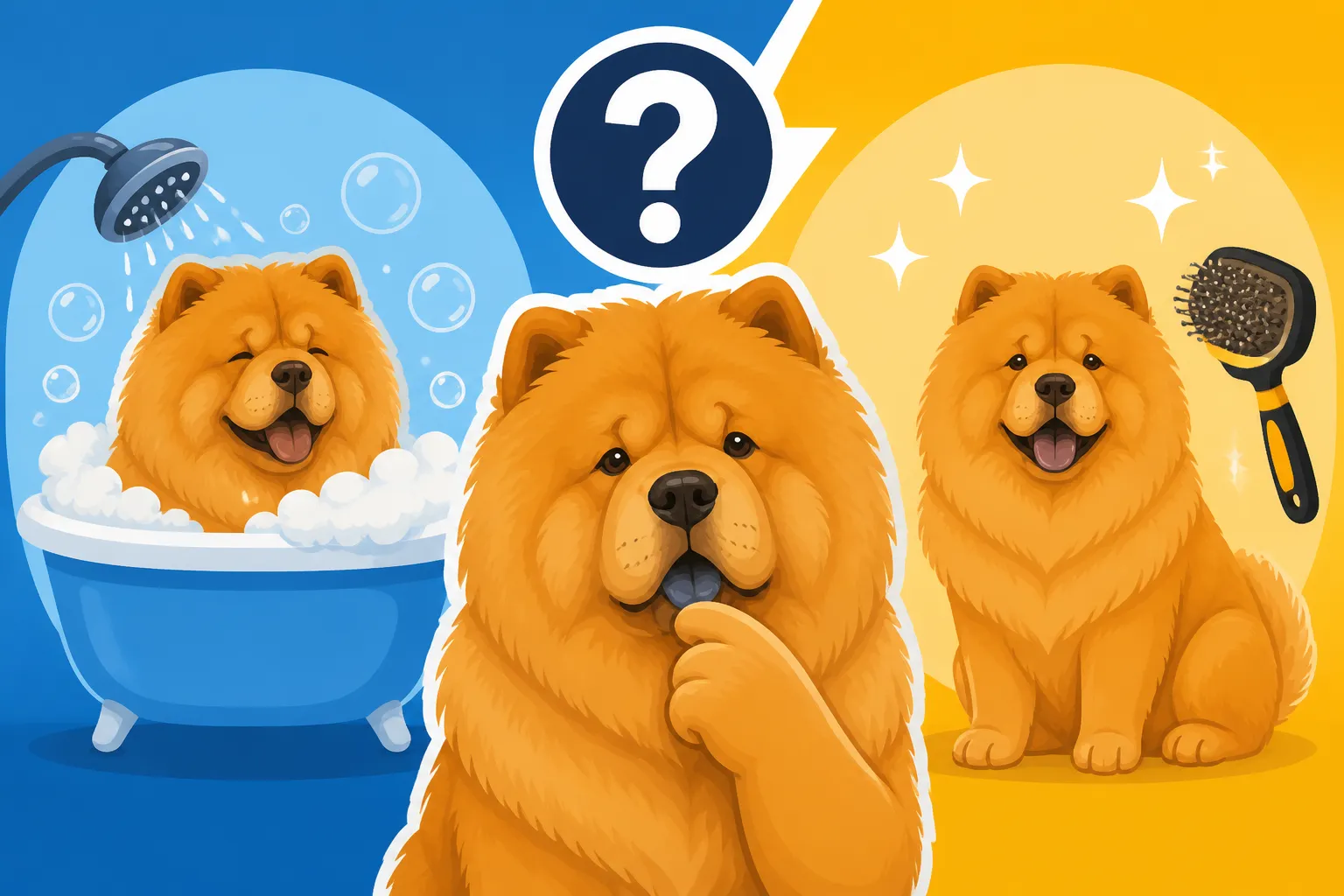
It's a common dilemma when you have a magnificent Chow Chow: do you brush them thoroughly before their bath, or just plunge them into the tub to get all that dense fur wet? Many new Chow Chow owners, and even some experienced ones, fall into the trap of thinking a good soak will loosen up any tangles. But let me tell you, when it comes to the Chow Chow's unique coat, bathing before brushing is a recipe for disaster. This guide will walk you through exactly why de-matting your Chow Chow before introducing any water is not just a preference, but an absolute necessity for their comfort and health.
The Unique Challenges of the Chow Chow Coat
Living with a Chow Chow means appreciating their incredible, lion-like mane, but it also means understanding the immense amount of care it requires. This isn't just a regular dog coat; it's a marvel of canine engineering, designed for extreme conditions.
Understanding the Double Coat's Structure
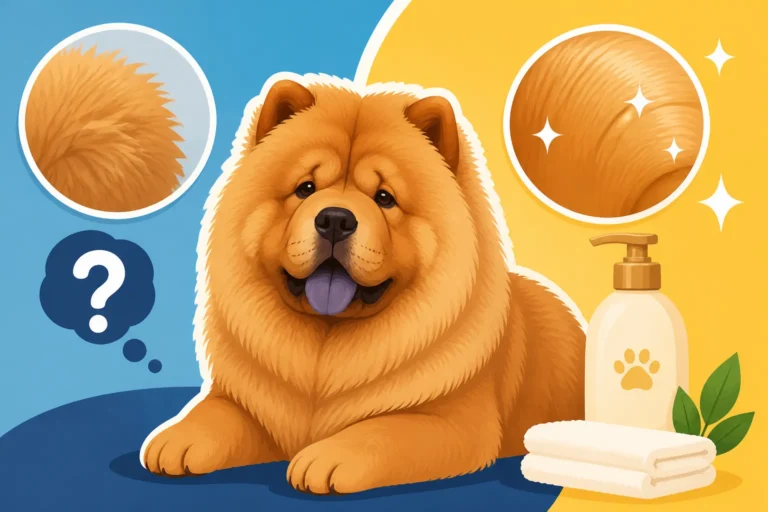
A Chow Chow's coat is what we call a "double coat," and it's quite distinct. You have the outer layer, known as the guard hairs, which are long, coarse, and give your Chow their distinctive plush or smooth appearance. These hairs are designed to protect them from the elements, repelling water and dirt. They stand off the body, creating that beautiful silhouette.
Beneath this impressive outer layer lies the true workhorse: the undercoat. This is where things get really dense. The undercoat consists of soft, woolly, short hairs that grow incredibly close together. Its primary job is insulation, keeping your Chow warm in winter and cool in summer by trapping air. This undercoat is astonishingly thick, particularly around the neck (the "ruff") and hindquarters (the "britches"). Think of it like wearing a thick wool sweater under a waterproof jacket – both layers serve distinct but crucial functions. It's this dense undercoat that often causes the most grooming headaches for owners. What a Chow Chow's Double Coat Is Made Of
Why Mats Form So Easily
Given the Chow Chow's double coat, mats aren't just an inconvenience; they're an almost inevitable part of life if not managed meticulously. Mats are essentially clumps of dead undercoat and shed guard hairs that have become tangled and tightly woven together. They can start small, perhaps a little knot behind an ear or under a leg, but they can grow quickly and aggressively, pulling on the skin and causing significant discomfort.
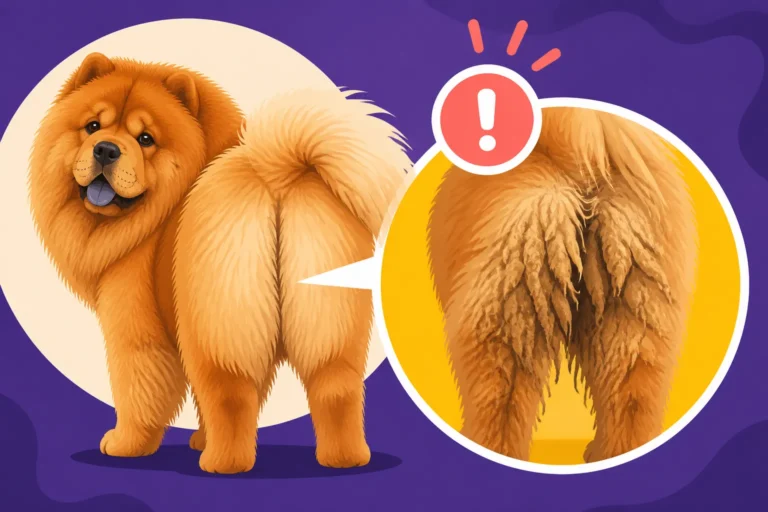
Several factors contribute to matting. Friction is a big one: where the coat rubs against itself or against harnesses, collars, or furniture, mats can start. Behind the ears, under the armpits, inside the legs, and around the tail are notorious hotspots. Dirt and debris caught in the coat can also kickstart matting. But perhaps the biggest contributor is simply dead hair that hasn't been removed. Chows shed continually, but they also go through two major "coat blows" a year, usually in spring and fall, where they shed a tremendous amount of undercoat. The Twice a Year a Chow Chow Blows Its Coat If this dead hair isn't brushed out regularly and thoroughly, it forms a felt-like layer close to the skin, which then quickly intertwines with live hair, creating painful, solid mats. Even a seemingly minor tangle can become a dense mat within days, especially if neglected.
The Perils of Bathing a Matted Chow Chow First
Many people, new to double-coated breeds, assume that water will help loosen mats, much like human hair conditioner can detangle. With a Chow Chow, this couldn't be further from the truth. Bathing a matted Chow Chow is one of the biggest mistakes an owner can make, leading to excruciating discomfort for the dog and a nightmare for the groomer.
Tightening Mats and Trapping Moisture
Imagine taking a piece of felt and getting it soaking wet. What happens? It shrinks and tightens. The same principle applies to a matted Chow Chow's coat. When water hits those pre-existing tangles, the individual hairs within the mat swell and then, as they dry, contract and intertwine even more tightly. What might have been a brushable tangle before the bath can become an impenetrable, rock-hard sheet of felt after getting wet.
This not only makes the mats impossible to brush out without causing severe pain and skin damage, but it also creates a major health risk. These dense, wet mats trap moisture against your Chow Chow's skin. The Chow Chow's coat is already difficult to dry thoroughly due to its density. When there are mats, the airflow is completely cut off from the skin in those areas. This warm, damp environment is a breeding ground for bacteria and yeast, quickly leading to skin infections, hot spots, and painful irritations. The dog can develop a foul odor, and the skin beneath the mats can become inflamed, red, and even ulcerated. Why a Damp Chow Chow Gets Skin Trouble This is not just uncomfortable; it can be incredibly painful and necessitate veterinary intervention.
The Unintended Consequences of Wet Matting
Beyond the immediate tightening and skin issues, bathing a matted Chow Chow creates a cascade of other problems. First and foremost, it causes immense stress and discomfort for your dog. Trying to brush out wet, tightened mats is agonizing for them. They will likely resist, make grooming sessions a battle, and potentially develop a strong aversion to being handled or groomed. This can sour their entire relationship with grooming, making future necessary care even harder.
For professional groomers, a matted and wet Chow Chow is a significant challenge. Many groomers will refuse to demat a wet dog because it's too painful and often futile. Their only option will be to shave the dog down, often very closely to the skin, to get underneath the mats. This process is time-consuming, requires extreme caution to avoid nicking the skin (which can be thin and delicate under mats), and is often more expensive due to the extra time and specialized techniques required. Shaving down a Chow Chow is generally not recommended as it can damage their unique double coat, causing it to grow back improperly, sometimes referred to as "coat change" or "post-clipping alopecia." Whether a Shaved Chow Chow's Coat Grows Back The beautiful insulation and protective qualities of the coat can be compromised, leaving the dog vulnerable to sunburn and temperature changes.
Furthermore, the drying process for a matted, wet Chow Chow is almost impossible to do correctly. Without proper airflow through the coat, it can take hours and still leave damp patches, perpetuating the cycle of skin problems. The entire experience becomes a negative one for everyone involved, often ending with a stressed dog, a frustrated owner, and a hefty grooming bill for a shave-down that could have been avoided.
The Correct Order: Brush, Then Bathe
Now that we understand the pitfalls, let's talk about the correct and humane way to prepare your Chow Chow for a bath: thorough brushing before the water even touches them. This crucial step ensures a comfortable, effective, and healthy grooming experience.
The Importance of Thorough Pre-Bath Brushing
The golden rule of Chow Chow grooming is: if a comb can't get through it dry, it shouldn't get wet. This means every single mat, tangle, and knot must be carefully brushed or gently de-matted out of the coat before the bath. This step is non-negotiable and forms the foundation of good coat care for your Chow.
Start by gathering the right tools. You'll need a sturdy slicker brush, an undercoat rake, and a metal greyhound comb. Brands like Hertzko, Furminator (for the undercoat rake, but use gently), and Andis offer good quality grooming tools that you can often find on Chewy or Amazon. Begin with the undercoat rake, working section by section, starting from the skin and gently pulling out dead undercoat. Follow up with the slicker brush to smooth the outer coat and catch any remaining loose hairs.
The most effective method for truly de-matting a Chow Chow is "line brushing." This technique ensures you reach all the way down to the skin, which is where mats typically form. To line brush, part the hair horizontally near the bottom of a leg or flank. Hold the top layer of hair up with one hand. With your other hand, brush a small section of the exposed hair, working from the skin outwards, gradually letting down more hair as you go. Repeat this process across the entire body, working in small sections. Pay extra attention to common matting areas like behind the ears, armpits, britches, and tail. How to Line Brush a Chow Chow
As you brush, if you encounter a stubborn mat that can't be brushed out, it's safer to carefully cut it out with blunt-tipped scissors or use a de-matting tool. Always slide a comb between the mat and the skin before cutting to protect the skin. The goal is to ensure the comb glides smoothly through the entire coat, from skin to tip, everywhere on the dog, before they enter the tub. This meticulous pre-bath brushing removes all the dead hair and tangles that would otherwise tighten and cause problems when wet, making the bathing and drying process much more efficient and comfortable for your Chow.
Why a De-matted Coat Dries Better and Faster
Once your Chow Chow's coat is completely free of mats and dead undercoat, the bathing and drying process transforms from a struggle into a manageable task. A de-matted coat allows water, shampoo, and conditioner to penetrate all the way to the skin. This means the products can do their job effectively, thoroughly cleaning the skin and coat. More importantly, it allows for a truly thorough rinse, preventing any residue from being left behind, which can irritate the skin and lead to dullness or build-up.
But the biggest benefit of a de-matted coat during bathing is how it facilitates drying. With all the dead, felted undercoat removed, air can circulate freely through the coat. This is absolutely critical for a Chow Chow. After a bath, you'll want to use a high-velocity dryer (also known as a forced air dryer). These powerful dryers push air through the coat, separating the hairs and effectively blasting water out. You can find excellent options on Amazon or at specialty pet supply stores. When the coat is de-matted, the high-velocity dryer can reach the skin quickly, ensuring every layer of that dense double coat is dried completely. Why a Chow Chow Must Be Dried to the Skin
This efficient drying isn't just about saving time; it's about preventing all those moisture-related skin issues we discussed earlier. A properly dried Chow Chow is a healthy Chow Chow. It prevents hot spots, fungal infections, and that characteristic "damp dog" smell that can linger if moisture is trapped. The guard hairs will stand off beautifully, and the undercoat will be fluffy and clean, restoring your Chow's natural insulation properties. Without mats to trap water, the entire process becomes faster, less stressful for your dog, and results in a much cleaner, healthier, and happier companion.
Best Practices for Chow Chow Bathing
Once you've meticulously brushed your Chow Chow, you're ready for the bath! But even with a de-matted coat, there are specific techniques and products that will make the experience successful and keep their coat in top condition.
Choosing the Right Products
Selecting the right shampoo and conditioner for a Chow Chow's unique coat is essential. Avoid harsh shampoos that strip natural oils, as this can lead to dry skin and a dull coat. Look for shampoos formulated for double coats or those designed for deep cleaning and conditioning. Hypoallergenic or sensitive skin formulas might also be a good choice if your Chow Chow has any skin sensitivities. Brands like Earthbath, TropiClean, or even some of the more specialized grooming lines available on Chewy, offer suitable options. You might also consider a deshedding shampoo and conditioner during a coat blow to help release more dead hair.
Conditioner is just as important as shampoo for a Chow Chow. It helps to moisturize the skin and coat, making future brushing easier and reducing static. Opt for a rich, hydrating conditioner that can penetrate that thick undercoat. If you're looking for supplements to support coat health, some owners swear by fish oil supplements, which can be mixed into food, and many high-quality dog food brands like Ollie include beneficial fatty acids for skin and coat health.
The Bathing Process Itself
Bathing a Chow Chow is a commitment, so set aside ample time. Start by thoroughly wetting the entire coat, all the way down to the skin. This can take several minutes due to the density of their fur. A detachable shower head or a dedicated bathing sprayer works wonders here. Ensure the water is lukewarm, not hot.
Apply a generous amount of shampoo, working it into a lather, again, making sure it reaches the skin. Don't just scrub the top coat; really massage it in. For particularly soiled areas, you might need to do a second shampoo. Then comes the most critical part: rinsing. You must rinse, rinse, and rinse again until absolutely no shampoo residue remains. Any soap left behind can irritate the skin, lead to dandruff, or make the coat feel sticky. How to Get Water Through a Chow Chow's Undercoat
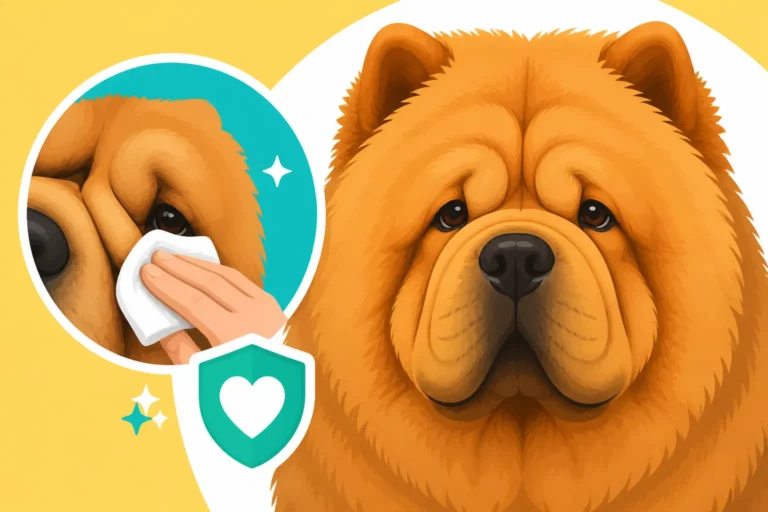
Follow with conditioner, applying it generously and letting it sit for the recommended time to really penetrate. Again, rinse thoroughly. Many owners find a washcloth helpful for gently cleaning around the face, especially in their deep-set eye area and the folds around their muzzle. How to Clean Around a Chow Chow's Eyes
Drying is Crucial
This is arguably the most important step after the pre-bath brushing. A Chow Chow must be dried completely, down to the skin, to prevent skin problems and ensure their coat remains healthy. Forget air drying; it simply won't work for a Chow Chow's dense coat. It will take an uncomfortably long time, and moisture will almost certainly be trapped, leading to skin issues.
A high-velocity dryer is your best friend here. If you don't have one, consider investing in a good quality pet dryer, available on platforms like Amazon. These are powerful enough to push water out of the coat, significantly reducing drying time. Towel dry your Chow Chow as much as possible first to remove excess water. Then, use the high-velocity dryer, working systematically section by section, starting from the rear and moving forward. Use your free hand to lift and separate the coat, ensuring the air reaches the skin. Keep the dryer moving to avoid overheating any single spot.
Drying a Chow Chow can take anywhere from one to two hours, sometimes even longer for a very dense or rough-coated individual. How Long a Chow Chow Takes to Dry It's a workout, but it's essential. Continue until the coat feels completely dry to the touch, all the way to the skin. You'll know it's dry when the coat is fluffy, stands off the body, and feels light. This thorough drying process, combined with pre-bath brushing, is the key to maintaining your Chow Chow's magnificent coat and ensuring their comfort and health.
Bathing Before Brushing vs. Brushing Before Bathing: A Comparison
To summarize the critical difference and reinforce the importance of proper grooming order for your Chow Chow, here's a helpful comparison:
| Feature | Bathing Before Brushing | Brushing Before Bathing |
|---|---|---|
| Mats/Tangles | Mats tighten, shrink, and become rock-hard and impossible to brush out. | Mats and tangles are removed before water, ensuring a smooth process. |
| Skin Health | Trapped moisture leads to hot spots, skin infections, and discomfort. | Air can reach the skin for thorough cleaning and drying, preventing skin issues. |
| Drying Time | Extremely long, often resulting in partially damp coat and persistent skin issues. | Significantly reduced, as water is easily blasted out of the de-matted coat. |
| Coat Health | Potential for coat damage, breakage, and "coat change" if shaving is required. | Preserves coat integrity, promoting healthy growth and natural insulation. |
| Dog's Comfort | Stressful, painful, and creates a negative association with grooming. | Comfortable, positive experience, fostering cooperation in future grooming. |
| Groomer's Task | Very difficult, often necessitating a full shave-down; likely incurs higher costs. | Straightforward, allowing for effective bathing and drying; usually standard pricing. |
| Owner's Effort | Frustrating, potentially leading to expensive vet bills for skin issues. | Requires dedicated time for pre-bath prep, but leads to a healthier, happier Chow Chow. |
| Outcome | Uncomfortable, potentially unhealthy dog with a compromised coat; negative grooming cycle. | Clean, healthy, fluffy dog with a well-maintained coat; positive grooming cycle. |
As you can see, the choice is clear. Prioritizing brushing and de-matting before a bath is the only responsible way to groom a Chow Chow, ensuring their comfort, health, and the longevity of their beautiful, unique coat. Whether a Chow Chow Is a Healthy Breed
Disclaimer
This article is for general informational purposes only and does not constitute professional advice. Laws, prices and regulations vary by location and change over time. Consult a qualified professional for guidance on your specific situation.