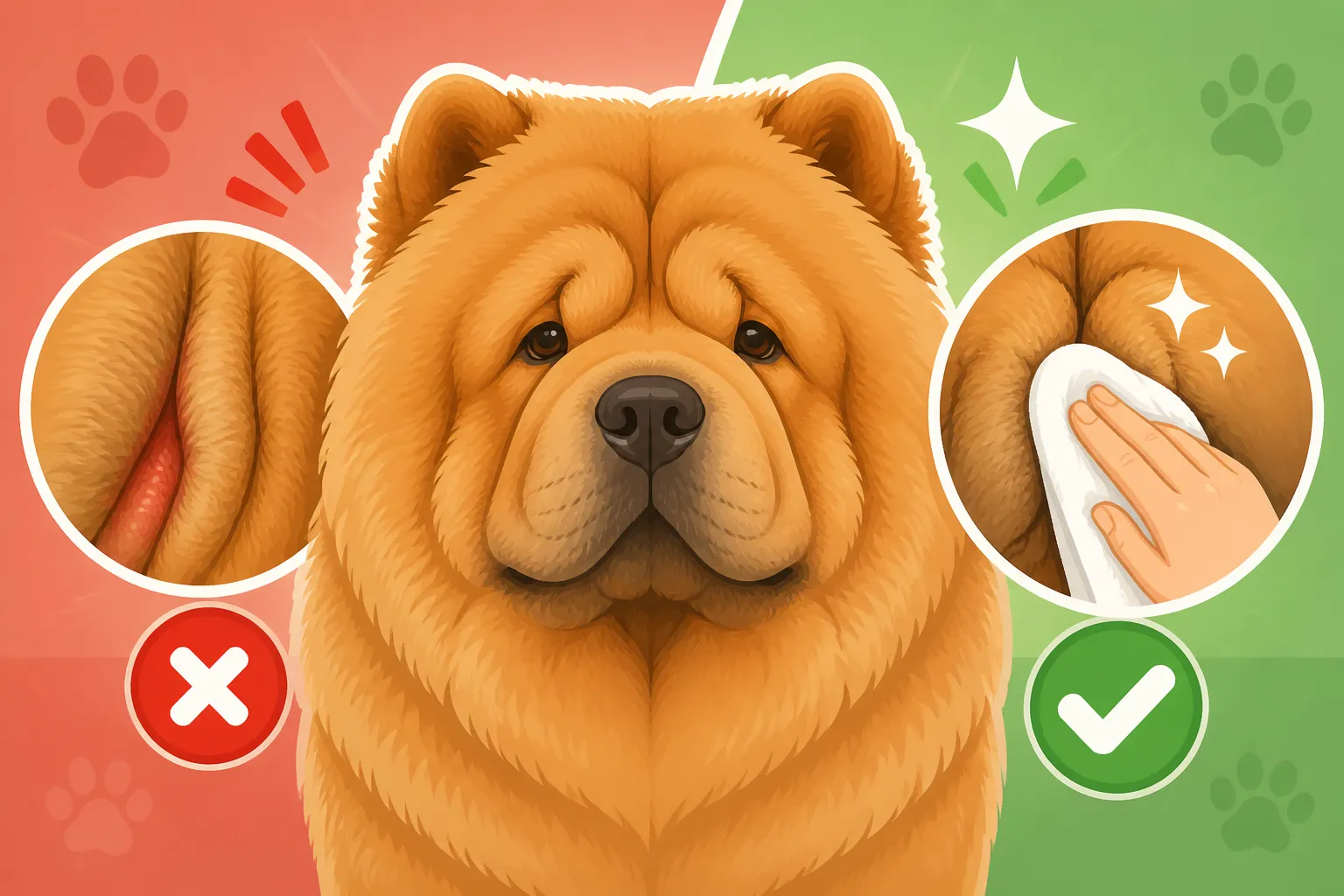
Whether a Chow Chow’s Wrinkles Need Drying
The distinctive, majestic appearance of a Chow Chow, with its dense ruff and profound expression, often comes with a secret little maintenance task that many new owners overlook: those adorable wrinkles. It's easy to get caught up in brushing that magnificent coat, but if you're not paying attention to the creases and folds around their face, you could be setting your beloved companion up for some uncomfortable skin issues. This guide is dedicated to helping you understand why your Chow Chow's wrinkles need regular drying and how to make this crucial part of their care a breeze for both of you.
The Unique Anatomy of a Chow Chow's Facial Folds
Chow Chows are known for their lion-like mane and often, a somewhat serious, scowling expression. This "scowl" is often attributed to their deep-set eyes and the distinctive facial structure that creates prominent wrinkles and folds around their muzzle, eyes, and sometimes even over their forehead. It's part of what makes them so undeniably charming, but it's also a feature that demands our close attention.
Why Chow Chows Have Wrinkles
These wrinkles aren't just for show; they're a natural characteristic of the breed's conformation. Their broad skull, short muzzle, and substantial padding around the face contribute to these folds. Think of it like a beautiful tapestry with intricate drapes – those drapes need to be kept clean and dry to prevent problems. Historically, the Chow Chow's physical attributes, including that impressive ruff and often protective facial structure, would have served them well in colder climates or as working dogs. Today, while most Chows are cherished companions, their anatomy retains these ancient features, and with them, specific care requirements.
These facial folds are a hallmark of the breed, giving them that truly unique, almost perpetually thoughtful look. However, this unique architecture creates crevices where moisture can easily become trapped. It’s not just water from a bath; it can be anything from drool after a particularly good meal, water drips after a drink, or even tear staining accumulating around the eyes. Without proper attention, these seemingly harmless pockets of moisture can quickly become breeding grounds for bacteria and yeast, leading to irritation and infection.
The Risks of Undried Wrinkles
Leaving your Chow Chow's wrinkles damp is like leaving a wet towel balled up in a dark corner – eventually, it’s going to get funky. For your Chow, this "funk" manifests as something called skin fold dermatitis, or pyoderma. This is an uncomfortable and often painful condition where the skin within the folds becomes inflamed, red, itchy, and sometimes develops a foul odor.
Imagine the constant rubbing of two damp skin surfaces together. It's irritating, right? For a Chow Chow, this can lead to chafing, which breaks down the skin's natural barrier. Once that barrier is compromised, bacteria and yeast, which are always present on the skin, can multiply rapidly in the warm, moist environment of the fold. This can result in a full-blown infection. You might notice your Chow Chow scratching at their face, rubbing it on furniture, or showing signs of discomfort. In severe cases, there might be oozing, crusting, and even hair loss in the affected areas. It's a miserable experience for them, and it's entirely preventable with consistent care. Remember, their incredibly dense double coat can often hide these issues until they become quite advanced. Why a Chow Chow's Dense Coat Hides Skin Disease is a real concern, making proactive wrinkle care even more critical.
The Importance of Thorough Drying
The emphasis on "thorough" drying cannot be overstated. It’s not enough to just pat the outside of their face; you need to get into those folds. This might sound daunting, especially with a breed that can be a bit particular about handling, but with patience and the right approach, it becomes a routine part of their well-being.
Preventing Skin Infections and Irritations
The primary goal of drying your Chow Chow's wrinkles is to eliminate the moist, dark environment that fosters bacterial and yeast growth. When skin folds remain damp, it sets the stage for skin fold dermatitis. This condition often begins with mild redness and itching, but can quickly escalate. You might start noticing a slightly sour or yeasty smell emanating from their face, even if the rest of them is clean. This odor is a strong indicator that a microbial party is happening in those folds.
Symptoms of skin fold dermatitis can include:
- Redness and inflammation: The skin inside and around the folds becomes visibly irritated.
- Itching and discomfort: Your Chow might rub their face more, paw at it, or even whimper when touched in the area.
- Moist discharge: A gooey, often brownish or yellowish discharge can accumulate in the folds.
- Foul odor: This is one of the most common and noticeable signs of infection.
- Hair loss or thinning: Chronic irritation can lead to hair falling out in the affected area.
Catching these signs early is key. A simple daily check and dry can prevent a trip to the vet for antibiotics or medicated wipes, which can be costly and stressful for your dog. For more general information about why their facial structure poses challenges, you might want to read Why a Chow Chow's Deep Set Eye Causes Trouble.
Beyond the Bath: Everyday Moisture Sources
It's a common misconception that wrinkle drying is only necessary after a full bath. While a post-bath drying session is absolutely critical, your Chow Chow's wrinkles are exposed to moisture countless times throughout the day. Think about it:
- Drinking water: That deep muzzle can mean a lot of splashing and dripping, leaving the folds around their mouth wet.
- Drooling: Some Chows drool more than others, especially after eating or when they're excited.
- Eating: Kibble crumbs and wet food residue can get lodged in folds, attracting moisture and bacteria.
- Tears: Tears can accumulate in the folds around their eyes, leading to tear staining and persistent dampness. Why a Chow Chow's Face Folds Need Wiping speaks directly to this concern.
- Humidity and sweat: In warmer, more humid climates, even natural perspiration can make the folds damp.
Because of these everyday occurrences, a quick spot-check and dry should be part of your daily routine. It's not about being obsessive, but about being consistent. A few minutes each day can prevent hours of discomfort and expensive vet visits down the line. It's especially challenging because their thick fur can often mask the dampness, making visual inspection alone insufficient.
Step-by-Step Guide to Drying Chow Chow Wrinkles
Making wrinkle drying a positive experience for your Chow Chow involves gentle handling, the right tools, and a consistent routine. It's about building trust, just like when you're working on Teaching a Chow Chow to Be Brushed.
Essential Tools for Wrinkle Care
Having the right equipment makes this task much easier and more effective. You don't need a whole arsenal, just a few key items:
- Soft, absorbent cloths: Microfiber cloths are excellent as they are highly absorbent and gentle on the skin. You'll want several clean ones on hand.
- Cotton pads or balls: These are perfect for getting into smaller crevices, especially around the eyes.
- Pet-specific antiseptic wipes: Brands like Vetnique Labs Dermabliss or Dechra MalAcetic Wipes (available through retailers like Chewy or Amazon) are formulated to be gentle on pet skin while providing an antimicrobial barrier. These are great for a quick clean and dry, especially if you suspect some irritation is starting. Avoid human baby wipes, as they can contain ingredients harmful to dogs.
- Cornstarch powder (optional and with caution): A tiny sprinkle of plain cornstarch (not talcum powder!) can help absorb residual moisture and keep folds dry, but use it sparingly and ensure it doesn't cake. Always check with your vet before using any powders, especially if your dog has sensitive skin or existing irritation.
Here's a quick comparison of essential tools:
| Tool | Purpose | When to Use | Notes |
|---|---|---|---|
| Soft, Absorbent Cloth | General drying, larger folds | After baths, after meals/drinks, daily checks | Use dedicated cloths, wash frequently |
| Cotton Pads/Balls | Detailed drying, around eyes/nose | Daily spot checks, tear stain areas | Great for delicate areas, single-use |
| Antiseptic Wipes | Cleaning, mild infection prevention | If folds look damp/dirty, early irritation | Pet-specific only, check ingredients, available on Chewy or Amazon |
| Cornstarch Powder | Moisture absorption (use sparingly) | After drying, if folds tend to stay damp | Consult vet first, ensure no caking |
The Drying Routine
Consistency and a calm demeanor are your best friends here. Start slow, make it positive, and build up to a thorough routine.
- Gather your supplies: Have everything within reach before you start.
- Find a calm space: Choose a quiet area where your Chow Chow feels comfortable. A grooming table can be helpful to keep them still and at a comfortable height for you, but the floor or a familiar bed works too.
- Gentle approach: Speak in a soothing voice. Offer a high-value treat as you begin. You want them to associate this routine with positive experiences.
- Lift and expose each fold: This is the critical step. Gently use your fingers to lift and separate each wrinkle and fold. Start with the most accessible ones, like those around the muzzle.
- Wipe thoroughly: With your soft cloth or cotton pad, gently wipe inside the fold. Don't rub aggressively, just blot and wipe away any visible moisture, debris, or discharge. If using a pet-specific antiseptic wipe, follow its instructions. For tear stains and areas around the eyes, use a separate, fresh cotton pad. How to Wipe a Chow Chow's Eye Folds covers this in more detail.
- Ensure dryness: This is where the "thorough" comes in. Use a dry part of your cloth or a fresh cotton pad to ensure the skin is completely dry within the fold. You can gently blow air onto the area (if your dog tolerates it) or use a cool setting on a pet-specific dryer from a distance, just to air it out.
- Repeat for all folds: Systematically work your way around their face, checking every crease, particularly around the mouth, nose, and beneath the eyes. How Often a Chow Chow's Face Folds Need Cleaning really depends on your dog's individual needs, but daily is a good benchmark.
- Praise and reward: End each session with lots of praise, affection, and another treat. This reinforces that it was a good experience.
Remember, patience is key. If your Chow Chow is resistant at first, do short sessions and gradually increase the time as they become more comfortable. This is a prime example of building positive associations with handling, just like when you're teaching them Teaching a Chow Chow to Accept Being Groomed.
When to Seek Professional Help
While diligent at-home care can prevent most wrinkle-related issues, there are times when you'll need the expertise of a veterinarian or a professional groomer. It's important to know when to escalate your concerns.
Recognizing Signs of Trouble
Be vigilant for any persistent or worsening signs of irritation or infection. These include:
- Continuous redness or inflammation: If the skin stays red and angry-looking despite your best drying efforts.
- Strong, persistent foul odor: This is a major red flag for a bacterial or yeast infection.
- Excessive discharge: If you're consistently wiping away gooey, colored discharge that doesn't clear up.
- Pain or sensitivity: If your Chow Chow flinches, cries, or acts aggressively when you try to touch their face or wrinkles.
- Open sores or crusting: These indicate a more advanced skin issue that requires medical attention.
- Lethargy or loss of appetite: While less common for localized skin issues, these could be signs of a more widespread infection.
If you observe any of these symptoms, don't delay in contacting your veterinarian. Early intervention can prevent a minor irritation from becoming a severe, painful infection.
Veterinary and Groomer Assistance
When to visit the vet:
Your veterinarian can accurately diagnose skin fold dermatitis and prescribe appropriate treatment. This might include:
- Topical medications: Medicated creams, ointments, or sprays to apply directly to the affected area.
- Oral antibiotics or antifungals: For more severe infections that have spread or are not responding to topical treatment.
- Medicated shampoos or wipes: Specifically formulated to treat and manage skin infections.
- Pain relief: If your dog is in significant discomfort.
They might also recommend further diagnostics to rule out underlying issues, such as allergies, which can sometimes exacerbate skin fold problems. It's worth noting that Chows can be quite stoic and might hide pain, so a thorough vet exam is important. You might find that Why a Chow Chow Is Hard to Examine at the Vet rings true, and your vet might need to take extra care.
When a professional groomer can help:
A professional groomer, especially one experienced with Chow Chows, can be a valuable partner in your dog's wrinkle care. They can:
- Provide thorough cleaning and drying: During a full groom, they can ensure all folds are meticulously cleaned and dried, particularly if your dog is difficult to handle at home for these specific tasks.
- Offer advice on products: They often have extensive knowledge of pet-safe wipes, shampoos, and conditioners that can help manage skin health.
- Identify early signs of trouble: A good groomer spends a lot of time examining a dog's skin and coat and might spot potential issues before they become severe.
However, ensure you choose a groomer who understands the unique temperament and needs of a Chow Chow. Not all groomers are comfortable with the breed, so asking upfront is crucial. Finding a Groomer Who Will Take a Chow Chow can be a challenge, so seek out recommendations from other Chow Chow owners or your veterinarian.
Consistent, gentle care of your Chow Chow's wrinkles is a small but mighty act of love. It safeguards their comfort and prevents common, uncomfortable skin conditions, ensuring that their magnificent face remains as healthy as it is beautiful.
Disclaimer
This article is for general informational purposes only and does not constitute professional advice. Laws, prices and regulations vary by location and change over time. Consult a qualified professional for guidance on your specific situation.