Why a Chow Chow Eats Less Than Its Size Suggests
It’s a common scenario: you bring home your majestic Chow Chow, ready to shower them with love, attention, and of course, a hearty bowl of food, only to find them picking at it, leaving half behind, or simply not showing the ravenous appetite you might expect from a dog of their size. This can be genuinely unsettling, making you wonder if something is wrong with your beloved companion. Rest assured, this guide will delve into the perfectly normal reasons why your Chow Chow often eats less than you might anticipate and help you understand when their eating habits are healthy versus when it's time to seek professional advice.
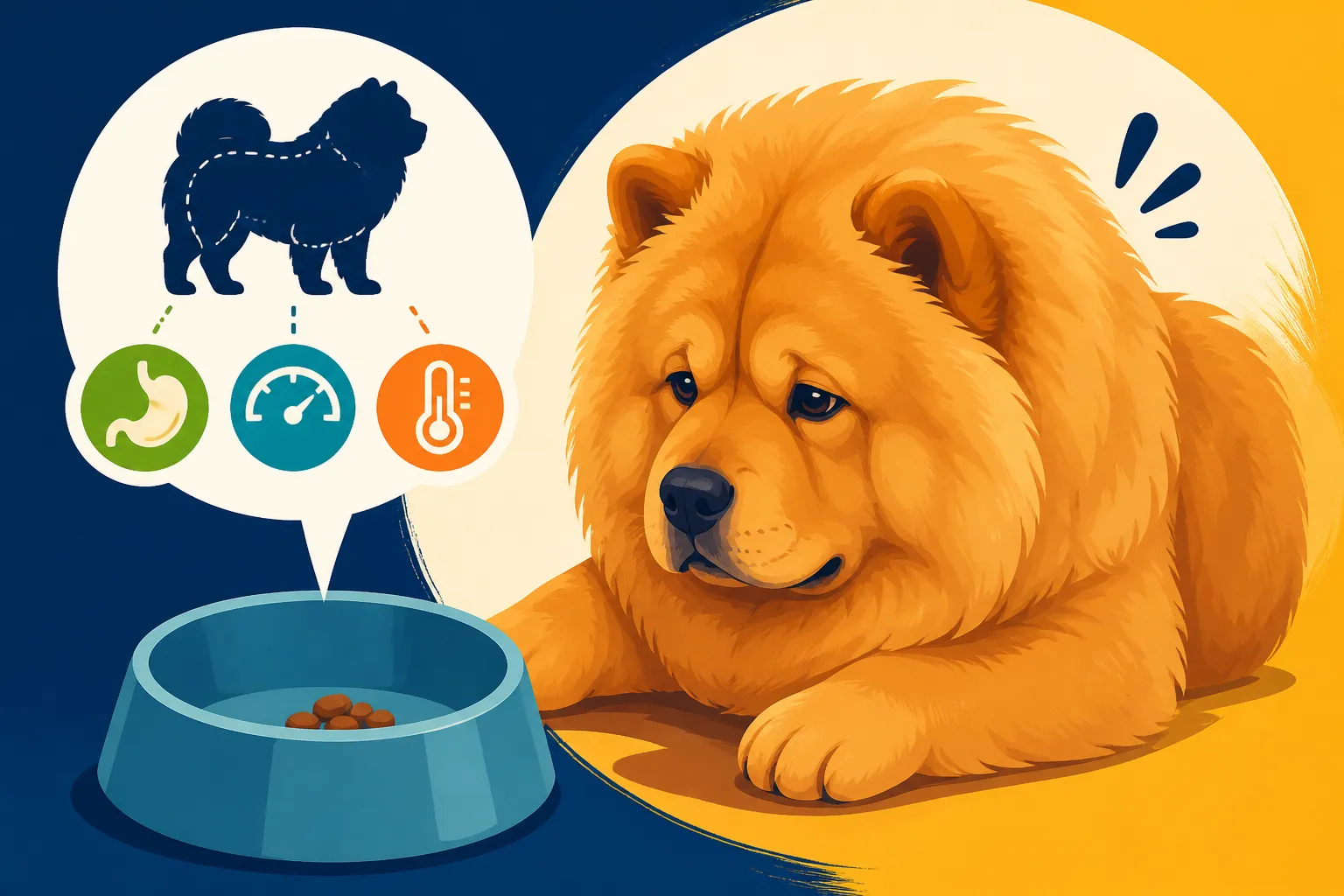
The Chow Chow's Unique Metabolism and Lower Energy Demands
One of the biggest reasons your Chow Chow might not be emptying their food bowl with gusto is simply their inherent physiology and lifestyle. Chows are a distinct breed, and their dietary needs reflect their historical role and genetic makeup. They aren't the high-octane, constantly active breeds that burn through calories at an alarming rate.
A Naturally Lower Energy Requirement
Unlike many working breeds or high-energy companions, Chow Chows are known for their calm, reserved, and often somewhat sedentary nature. They are not typically dogs that require miles of running or hours of intense play to be content. Their idea of a good time often involves a leisurely stroll, observing their surroundings, and then settling down in a comfortable spot to nap or keep watch. This lower activity level translates directly into lower caloric needs. If you've been feeding your Chow Chow based on general guidelines for a dog of its apparent size, you might be overestimating how much fuel their body actually requires.
Think of it like this: a marathon runner needs significantly more calories than someone who enjoys a brisk walk around the block. Your Chow Chow is much more akin to the brisk walker. Their metabolism is designed to be efficient, making the most of the nutrients they consume without needing a constant influx of energy to sustain a high-energy lifestyle. This efficiency means they simply don't need as much food to maintain a healthy weight and energy level, even if they look substantial due to their dense coat.
Breed-Specific Build and What it Means for Food
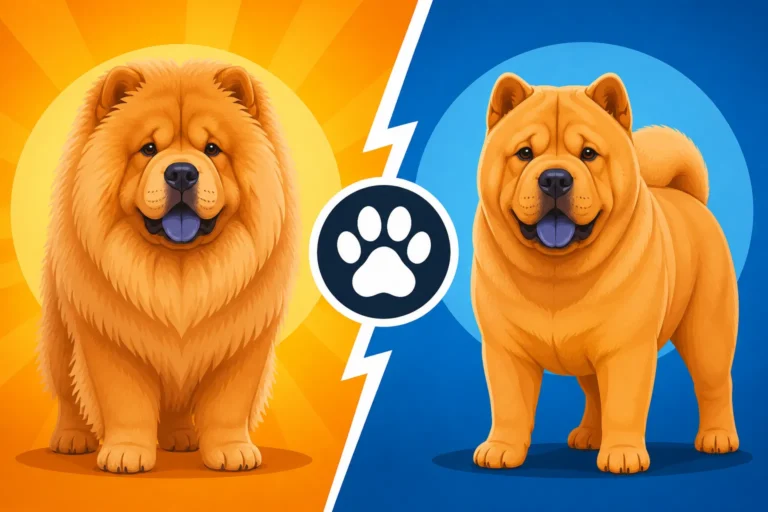
Chow Chows possess a sturdy, compact build, and their magnificent double coat, whether rough or smooth, adds significantly to their visual bulk. This can sometimes be deceiving, leading owners to believe they are larger and thus require more food than their underlying musculature and skeletal structure actually dictate. Beneath that impressive mane, a Chow Chow is typically a medium to large-sized dog, not a giant breed.
Furthermore, their unique structure, including their relatively straight rear legs, contributes to a distinct, somewhat stilted gait, which isn't conducive to prolonged, high-impact activities. This isn't a breed built for agility courses or long-distance retrieves. Their energy is conserved, and their bodies are designed for strength and endurance in a more measured way, rather than explosive bursts. Owners often struggle to properly assess their Chow Chow's body condition because of that thick fur. It's crucial to feel your dog's ribs, spine, and hip bones regularly to ensure they aren't becoming overweight or underweight, rather than relying solely on visual cues. You might be surprised at how lean they are under all that fluff. For more on this, check out How to Feel a Chow Chow's Ribs Under the Coat.
Factors Beyond Breed That Influence Appetite
While their breed characteristics play a significant role, many other factors can influence how much your Chow Chow is willing to eat. These can range from their stage of life to the environment they live in, and even the type of food you're offering.
Age and Life Stage
A Chow Chow puppy, for instance, will generally have a much heartier appetite and require more frequent meals due to their rapid growth and higher metabolic rate. They're little bundles of energy, exploring the world and building muscle and bone at an incredible pace. However, once they mature, typically around 12-18 months, their growth slows significantly, and so does their caloric requirement. It’s a common mistake to continue feeding an adult Chow the same quantity of food they consumed as a growing puppy, which can quickly lead to weight gain.
As your Chow Chow enters their senior years, typically around the age of eight, their activity levels may decrease even further, and their metabolism can slow down. This means their caloric needs will likely reduce again. An older Chow might find it less comfortable to eat large meals or may simply not need as much sustenance. Observing these shifts in appetite as your dog ages is a vital part of responsible pet ownership. For details on how to care for them as they get older, refer to The Age a Chow Chow Is Considered Senior.
Environmental Impact and Seasonality
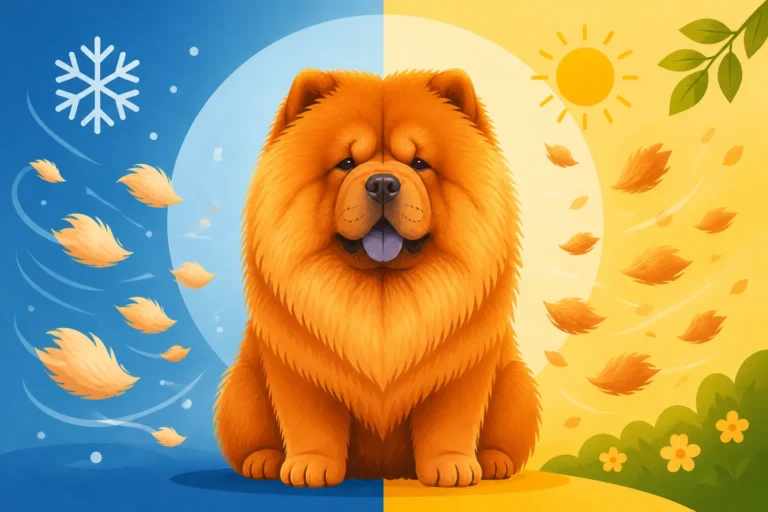
Chow Chows originated in the cold climates of China, and their dense double coat is a testament to that heritage. This incredible insulation is fantastic for keeping them warm, but it makes them particularly susceptible to overheating in warmer temperatures. When a Chow Chow gets too hot, their appetite is often one of the first things to diminish. They might become lethargic and lose interest in food as their body focuses on cooling down.
If you live in a warmer climate or during the hot summer months, you'll likely notice your Chow Chow eating less. Providing plenty of fresh water, ensuring they have access to cool, shaded areas, and planning walks during cooler parts of the day can help. What Temperature Is Too Hot for a Chow Chow highlights just how quickly they can become uncomfortable. A cooling mat or air conditioning can also make a significant difference in their comfort, which in turn can positively impact their willingness to eat. Sometimes, a temporarily reduced appetite in summer is completely normal and not a cause for alarm, as long as they are otherwise healthy and hydrated. Why a Chow Chow Overheats So Easily provides more context on this breed-specific challenge.
Food Quality, Type, and Presentation
Not all dog foods are created equal, and the quality and type of food you offer can significantly impact how much your Chow Chow needs to eat to feel satisfied and meet their nutritional requirements. High-quality dog foods, often found on platforms like Chewy or Amazon, are formulated with nutrient-dense ingredients, meaning your dog gets more essential vitamins, minerals, and protein from a smaller serving. If you're feeding a diet that is less nutrient-dense, your Chow might need to eat more volume to get the same nutrition, but a high-quality food can lead to them being satisfied with less.
Some Chows can also be a bit finicky or have sensitive stomachs. Whether a Chow Chow Has a Sensitive Stomach is a good read on this. They might turn their nose up at a particular kibble, especially if they've been on the same food for a long time or if the food has gone stale. Fresh food options, like those from services like Ollie, can sometimes entice a picky eater due to their palatability and freshness. The texture, smell, and even the temperature of the food can play a role. Warming wet food slightly, adding a tiny bit of broth, or incorporating a tasty topper can sometimes make a difference. The actual bowl itself can sometimes be a factor too – some dogs prefer elevated bowls, while others are particular about ceramic versus stainless steel.
Stress, Change, and Underlying Health Issues
Dogs, like people, can have their appetites affected by stress, changes in their environment, or underlying health concerns. A move to a new home, the introduction of a new pet, or even a change in your daily routine can temporarily reduce a Chow Chow's desire to eat. Their reserved and sometimes wary nature means they can be more sensitive to shifts in their world.
It's also important to rule out medical issues. While a slightly reduced appetite can be normal for a Chow, a sudden, drastic, or prolonged loss of appetite accompanied by other symptoms like lethargy, vomiting, diarrhea, or weight loss is always a red flag. Dental pain, gastrointestinal upset, organ issues, or even infections can manifest as a refusal to eat. This is where regular veterinary check-ups are crucial. If you're concerned, a trip to the vet is always the best course of action. They can help identify any hidden health problems. What a Chow Chow's Yearly Exam Costs covers why these check-ups are so important.
Recognizing a Healthy Appetite vs. a Problem
Understanding what constitutes a "normal" appetite for your individual Chow Chow is key. It's easy to project human eating habits onto our dogs, but their needs and signals are often different.
Signs of a Healthy Chow Chow (Even if They Eat Less)
A healthy Chow Chow, even if they eat less than you'd expect, will exhibit several key indicators of well-being. They might not devour their food in seconds, but they will eventually eat a sufficient amount to maintain good body condition. This means you should be able to feel their ribs with a slight layer of fat over them – not visibly protruding, but easily palpable without pressing hard. Their spine and hip bones should also be easily felt, but not sharply visible.
Beyond body condition, a healthy Chow will have bright, clear eyes, a lustrous coat (even if it's shedding during a coat blow), and appropriate energy levels for the breed. This means they are usually alert and engaged with their family, enjoy their walks, and settle contentedly. They should be eliminating regularly, with firm, well-formed stools. Their general demeanor should be consistent with their personality – calm and dignified. Don't mistake a Chow's inherent aloofness for sickness; it's just who they are.
When to Consult a Vet About Your Chow Chow's Eating Habits
While a naturally modest appetite is common for Chow Chows, there are definite signs that warrant a veterinary visit. Pay close attention if you observe any of the following:
- Sudden or Drastic Change in Appetite: If your Chow Chow suddenly stops eating altogether for more than 24 hours, or drastically reduces their intake over a few days, it's time for a vet visit.
- Weight Loss: Unexplained weight loss, especially if rapid, is a serious concern. Remember to regularly feel your Chow's body condition beneath their thick coat.
- Accompanying Symptoms: A reduced appetite coupled with vomiting, diarrhea, lethargy, fever, increased thirst, painful urination, coughing, limping, or any other noticeable change in behavior or physical state requires immediate veterinary attention. These could be signs of serious underlying health issues, from dental problems to internal diseases.
- Refusal of Favorite Treats: If your Chow Chow, who normally loves a particular treat, suddenly refuses it, this can be a strong indicator that something is amiss.
- Prolonged Pickiness: While some Chows are naturally picky, if this pickiness results in them consistently not getting enough food to maintain a healthy weight and energy, it needs to be addressed.
- Pain or Discomfort: If your Chow Chow acts as if eating is painful, perhaps dropping food or crying out, this could indicate dental issues, mouth injuries, or problems in their throat or esophagus.
Remember, Chow Chows can be stoic and may try to hide pain or discomfort, which makes owners' diligent observation even more critical. Why a Chow Chow Is Hard to Examine at the Vet explains how their guarded nature can sometimes make diagnoses challenging, emphasizing the need for a good relationship with your vet.
Optimizing Your Chow Chow's Diet and Eating Habits
Once you've confirmed that your Chow Chow's lower appetite is within healthy parameters or addressed any underlying issues with your vet, you can focus on optimizing their diet and eating routine to ensure they get the best possible nutrition.
Choosing the Right Food for Your Chow Chow
Selecting a high-quality dog food is paramount. Look for brands that list real meat as the first ingredient, followed by wholesome vegetables, fruits, and grains (if not grain-free). Avoid foods with excessive fillers, artificial colors, flavors, or preservatives. Given their lower caloric needs, every calorie they consume should be packed with nutrients. Whether you opt for kibble, wet food, or a fresh-prepared diet (like those offered by Ollie), ensure it's appropriate for their life stage and activity level. Many owners find success with limited ingredient diets if their Chow Chow shows signs of sensitivities.
You might need to experiment a bit to find what your Chow Chow truly enjoys. Some prefer a specific protein source, while others might prefer a particular texture. Platforms like Chewy and Amazon offer a vast selection, making it easier to try different reputable brands and formulas. Don't be afraid to read reviews and consult with your veterinarian or a canine nutritionist for personalized recommendations.
Establishing Consistent Feeding Schedules and Portions
Consistency is key for a Chow Chow. They thrive on routine, and a predictable feeding schedule can help regulate their appetite. Most adult Chows do well with two meals a day, morning and evening. Avoid free-feeding, where food is left out all day, as this can make it difficult to monitor their actual intake and contribute to pickiness.
Measure their food accurately using a standard measuring cup, rather than just "eyeballing" it. The feeding guidelines on the dog food packaging are a good starting point, but remember these are general recommendations. You'll need to adjust based on your individual Chow Chow's body condition, activity level, and appetite. If they are maintaining a healthy weight and showing good energy on less than the recommended amount, that's perfectly fine. If they are looking a little too lean, you can gradually increase it, and vice-versa for overweight Chows. For more on this, refer to How Many Cups a Day an Adult Chow Chow Eats.
Enhancing Palatability and Mealtime Enrichment
If your Chow Chow is a bit of a picky eater, you can try several strategies to make mealtime more appealing:
- Warm it Up: Slightly warming wet food or adding a bit of warm water to kibble can release aromas, making it more enticing.
- Add Toppers: A spoonful of plain yogurt, cooked lean meat, low-sodium broth, or a veterinarian-approved food topper can make a meal more appealing. Just be sure not to add too many extra calories, especially for a Chow with lower needs.
- Puzzle Feeders: For Chows who eat too quickly or need mental stimulation, puzzle feeders or slow-feeder bowls can make mealtime more engaging. This turns eating into a fun activity, which can sometimes spark interest. You can find many options on Amazon.
- Quiet Environment: Chow Chows are sensitive. Ensure they have a quiet, undisturbed place to eat, away from household commotion or other pets, especially if they are prone to guarding their food. Whether a Chow Chow Guards Its Food discusses this behavior further.
- Exercise Before Meals: A short, leisurely walk before mealtime can sometimes stimulate their appetite. Just ensure it's not too vigorous, especially in warmer weather, which could have the opposite effect.
Ultimately, understanding your Chow Chow's unique needs and respecting their natural tendencies will lead to a healthier and happier companion. Their appetite might be smaller than you expect, but with careful observation and the right approach, you can ensure they receive all the nutrition they need.
| Factor | Impact on Chow Chow Appetite | What to Observe | When to Act |
|---|---|---|---|
| Breed Metabolism | Naturally lower caloric needs due to calm demeanor and efficient energy use. | Consistent eating habits, maintaining a healthy weight despite eating less than other breeds. | Ensure high-quality, nutrient-dense food. Don't overfeed based on size. |
| Age | Puppies need more, adults stabilize, seniors may eat less due to reduced activity. | Puppy growth rate, adult weight stability, senior lethargy/stiffness. | Adjust portion sizes with life stages. Consult vet for significant changes in seniors. |
| Environment (Heat) | Heat can significantly suppress appetite as the Chow Chow focuses on cooling down. | Reduced intake in summer, increased thirst, seeking shade. | Provide cool environment, fresh water, walk in cooler hours. Monitor for signs of overheating. |
| Food Quality/Type | High-quality food means less volume needed; certain types (e.g., fresh) may be more palatable. | Willingness to eat, healthy coat, good stool quality, sustained energy. Pickiness towards certain textures or flavors. | Experiment with quality brands (Chewy, Ollie, Amazon). Consider toppers or different formulations for picky eaters. |
| Stress/Changes | New environments, routine changes, or presence of strangers can reduce appetite temporarily. | Temporary reduction in food intake, withdrawn behavior, restlessness, or increased panting. | Provide a consistent, calm environment. Allow time to adjust. Ensure quiet eating space. |
| Underlying Health | Dental pain, GI issues, organ disease, infections can cause sudden or prolonged inappetence. | Sudden refusal to eat, drooling, vomiting, diarrhea, lethargy, weight loss, changes in thirst/urination. | Immediate vet consultation for sudden, drastic changes or accompanying symptoms. Regular wellness exams are crucial. |
Disclaimer
This article is for general informational purposes only and does not constitute professional advice. Laws, prices and regulations vary by location and change over time. Consult a qualified professional for guidance on your specific situation.