The Straight Rear Leg No Other Breed Has
If you've ever watched a Chow Chow move, you might have noticed something a little… different. They don't prance or spring with the same fluid motion as many other breeds. Instead, there's a unique, almost stilted quality to their walk, a characteristic that often sparks questions and sometimes even concern. This distinctive gait is directly linked to one of the Chow Chow's most defining physical traits: its remarkably straight rear leg. It’s a feature that sets them apart, influencing everything from how they move through the world to the specific care their joints might need over a lifetime. This guide is here to unravel the mystery of this straight rear leg, exploring its origins, impact, and how best to care for a Chow Chow with this truly singular characteristic.
Understanding the Chow Chow's Unique Rear Angulation
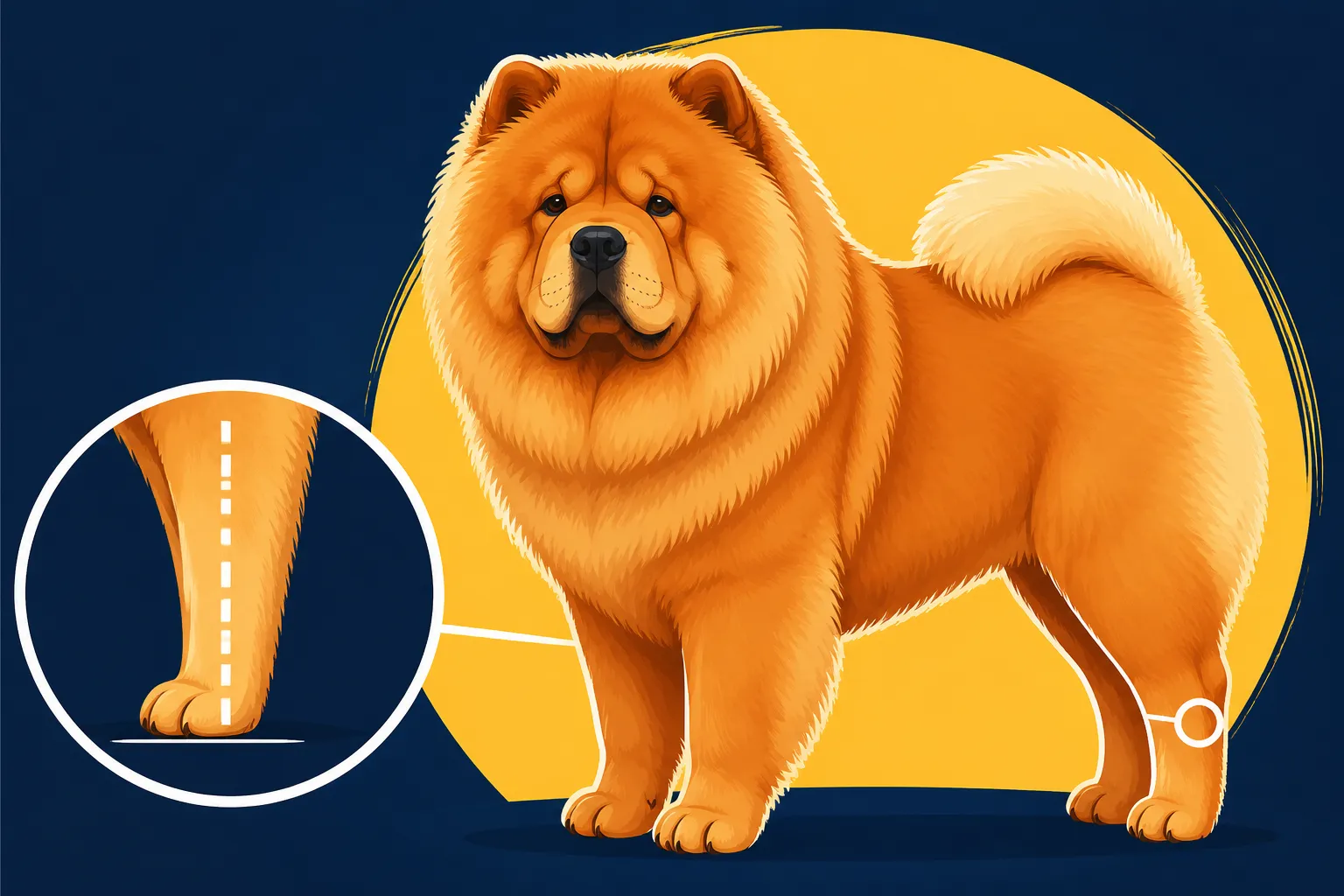
The Chow Chow’s hindquarters are often described as having "straight hocks" or "straight rear angulation." For those unfamiliar with canine anatomy, this might sound a bit technical, but it simply means that the angles formed by the bones in their back legs are much less acute than in most other dog breeds. Where a typical dog has noticeable bends at the knee (stifle) and ankle (hock), giving them a springy, athletic stance, the Chow Chow's corresponding joints are far straighter.
The Anatomy of a Straight Rear Leg
Imagine the bones of a dog's hind leg: the femur (thigh bone), tibia and fibula (shin bones), and the hock joint, which is essentially their ankle. In most breeds, the femur angles down and back, meeting the tibia and fibula at a distinct angle at the stifle. The tibia/fibula then angles forward and down to the hock, which then has a further angle to the foot. This creates a series of shock-absorbing springs. For the Chow Chow, however, these angles are significantly reduced. The femur might be more upright, and the tibia/fibula assembly nearly perpendicular to the ground, leading to a much straighter overall appearance from hip to hock. This lack of angulation is not a defect; it's a breed standard, a deliberate characteristic bred into these magnificent dogs over centuries.
It's important to differentiate this natural conformation from conditions like a "straight stifle," which can be a conformational fault in breeds where more angulation is desired. For a Chow Chow, this straightness is normal and expected. The muscles and ligaments are developed to support this particular structure, though it does carry its own set of considerations for their long-term health and mobility. Understanding this basic anatomical difference is the first step to appreciating why a Chow Chow moves the way it does and what special care it might require throughout its life.
Visualizing the Difference in Angulation
To truly grasp the Chow Chow's unique rear leg, it helps to compare it visually to other breeds. Think of a German Shepherd or a Labrador Retriever – breeds known for their powerful, athletic movement. Their hind legs have pronounced angles, allowing for powerful propulsion, agility, and shock absorption. The hock joint is clearly visible and flexible, driving their gait. Now, picture a Chow Chow. You'll notice that their hindquarters appear almost columnar. The hock joint is less defined, and the overall impression is one of sturdy, upright support rather than spring-loaded power.
This visual difference isn't just aesthetic; it fundamentally changes how their entire hindquarters function. The straighter lines mean less leverage for explosive pushes, but they contribute to the breed's distinct, dignified, and somewhat deliberate movement. If you ever attend a dog show, pay close attention to the Chow Chows in the ring – you'll see judges specifically looking for this characteristic straightness, as it's a hallmark of the breed. It’s a feature that breeders carefully select for, ensuring that the distinctive silhouette of the Chow Chow is maintained.
Historical Purpose and the Straight Rear Leg
Understanding the Chow Chow's history is crucial to comprehending why this unique straight rear leg developed in the first place. These dogs aren't just pretty faces; they were bred for specific, demanding roles in ancient China, and their physical structure, including their hindquarters, evolved to suit those tasks. This isn't just some random genetic quirk; it's a functional adaptation.
Life as a Working Dog in Ancient China
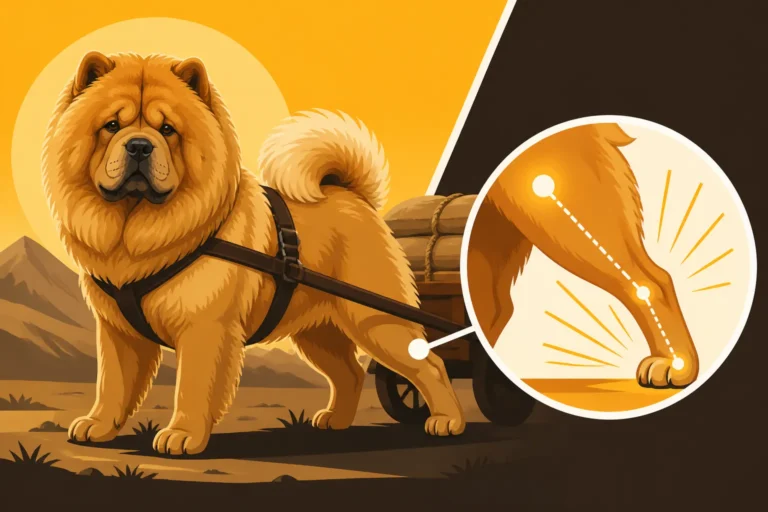
The Chow Chow is one of the oldest dog breeds in the world, with a history stretching back thousands of years in China. They were not pampered pets but versatile working dogs, serving a variety of roles across different regions and social strata. They were guard dogs, protecting temples, homes, and livestock with their formidable presence and aloof nature. They were hunters, tracking game in challenging terrain. And, perhaps most significantly in terms of their physical build, they were draft dogs, used for pulling sleds and carts.
Imagine the demands of pulling a load, day in and day out, often in harsh conditions like the steppes of Mongolia or the mountainous regions of China. Such work requires immense strength and stamina, but not necessarily explosive speed or agility. A straighter rear leg provides a more direct transfer of power from the back and hips to the ground, giving them greater pushing force. It's like comparing a sprint runner's powerful, angled stride to a heavy draft horse's deliberate, powerful push. The Chow Chow’s build was optimized for endurance and steady, powerful work over long periods, rather than lightning-fast bursts. This historical context really shines a light on why The Chow Chow Is One of the Oldest Breeds in the World.
Advantages for Guarding and Pulling
For guarding, the straight rear leg contributes to the Chow Chow's imposing stance. They stand tall and square, an immovable object. This powerful, upright posture, combined with their dense coat and scowling expression, was enough to deter most intruders. They weren't meant to chase down and tackle a threat; they were meant to stand their ground and intimidate. The straight rear also gives them a strong, stable base, allowing them to remain steadfast and unyielding when protecting their territory or family.
When it came to pulling, this leg structure was an invaluable asset. A straighter leg reduces the mechanical advantage for jumping or fast bursts of speed, but it excels at sustained, powerful pushing. Think of it like a sturdy pillar pushing against the ground. This configuration allowed them to efficiently harness their considerable strength to pull carts laden with goods or sleds over snow and ice. The design of their hindquarters minimized wasted energy from excessive flexion, converting more of their raw power into forward momentum when hitched to a load. It enabled them to be persistent and strong, making them reliable partners for the demanding tasks of transportation in ancient societies.
The Chow Chow's Distinctive Stilted Gait
The straight rear leg isn't just a static anatomical feature; it profoundly dictates how a Chow Chow moves. Their gait is so unique that it's actually part of their breed standard, a hallmark that sets them apart from nearly every other canine. It's often described as a "stilted" gait, and once you see it, you'll understand why.
What Does a Stilted Gait Look Like?
When a Chow Chow walks, their hind legs move with a notably upright, almost rigid motion. Instead of the typical bouncy, elastic steps you see in many dogs, their legs swing forward from the hip with minimal bending at the stifle and hock. This creates a somewhat choppy, pendulum-like movement, rather than the smooth, flowing extension and drive seen in breeds with more angulation. They often appear to lift their feet rather than propel themselves forward with a strong push from the rear. It's a very deliberate, almost mechanical motion that exudes a sense of quiet dignity and self-possession.
This gait can sometimes be misinterpreted by those unfamiliar with the breed as stiffness or pain, leading to unnecessary worry. However, for a healthy Chow Chow, this stilted gait is completely normal. It’s simply how their unique anatomy dictates their movement. While it might not be the most efficient for sustained high-speed running, it's perfectly suited for their historical roles of guarding and steady pulling, allowing for a purposeful and unhurried progression. Recognizing this is key to understanding and appreciating the Chow Chow for exactly who they are.
Why a Stilted Gait, and What are the Consequences?
The stilted gait is a direct result of the straight rear angulation. With less bend in the joints, there's less "spring" in their step. Each stride is shorter, and the leg acts more like a lever than a spring. This means they rely more on hip and back muscles for movement, rather than the powerful flexion and extension of the knee and hock. While it gives them that regal, bear-like shuffle, it also has some practical implications.
Firstly, Chow Chows are generally not built for speed or high-impact activities. They won't be your ideal running or agility partner. Their gait isn't designed for quick turns, sudden stops, or explosive sprints. Trying to force them into such activities can put undue stress on their joints, especially the hips and stifles, potentially leading to discomfort or injury. Secondly, their unique movement means they can sometimes have a limited field of vision to the sides and rear, as their head carriage and body movement don't allow for the same peripheral scanning as a dog with more fluid motion. This is part of Why a Chow Chow Snaps at Someone It Did Not See. Owners need to be mindful of approaching them from angles they might not easily perceive.
This gait, while characteristic, means owners must be proactive in managing their exercise and lifestyle to prevent orthopedic issues down the line. It's not a flaw, but a characteristic that requires thoughtful consideration in their daily care.
Comparing Chow Chow Gait to Other Breeds
To fully appreciate the Chow Chow's stilted gait, let's look at how it contrasts with the movement of other well-known breeds. Consider a sighthound like a Greyhound or a Saluki. Their extreme angulation and flexible spine allow for incredible speed, with long, ground-covering strides and powerful rear drive. Their bodies are built for chasing prey at high velocities.
On the other end of the spectrum, you have the working breeds like the German Shepherd or Belgian Malinois, whose moderate to strong rear angulation provides a balance of power, agility, and endurance, allowing them to excel in herding, protection work, and general athleticism. Their gait is typically fluid and efficient, with strong propulsion from the hindquarters.
Now, place the Chow Chow within this context. Their stilted gait, as described, is neither built for speed nor extreme agility. It's a strong, steady, deliberate walk that emphasizes endurance and stability over quick bursts. It’s a purposeful, almost heavy-footed movement. This fundamental difference is crucial for understanding why a Chow Chow's exercise needs and capabilities are so distinct. They are built for resilience and dignified presence, not for competitive athletics that require extreme joint flexion and extension. This unique form of locomotion means How a Chow Chow's Gait Wears Its Joints is different from other breeds.
| Feature | Typical Angulated Breed (e.g., German Shepherd) | Chow Chow (Straight Rear Leg) |
|---|---|---|
| Stifle Angle | Pronounced, 100-120 degrees | Straighter, often 140-160 degrees or more |
| Hock Joint | Well-defined, flexible, provides spring | Straighter, less flexible, more columnar |
| Gait Description | Smooth, elastic, powerful drive from rear | Stilted, upright, deliberate, less drive |
| Speed/Agility | High potential for speed and quick turns | Limited speed, less agile, steady mover |
| Power Source | Strong push off from flexible rear joints | More reliance on back/hip muscles, pushing force |
| Purpose | Herding, protection, agility, general athleticism | Guarding, pulling, steady endurance |
Potential Health Implications of the Straight Rear Leg
While the straight rear leg is a defining and desired characteristic of the Chow Chow, it's also important for owners to be aware of the potential health implications associated with this unique conformation. Understanding these can help you provide the best preventative care and maintain your Chow Chow's quality of life.
Increased Stress on Joints
The reduced angulation in the Chow Chow's hindquarters means that the joints, particularly the stifle (knee) and hock, experience different forces compared to more angulated breeds. With less natural spring and shock absorption, the impact from walking, running (even short bursts), or jumping is transmitted more directly through the bones and cartilage. This can lead to increased wear and tear over time.
This means that conditions like arthritis, particularly in the hips and knees, might manifest earlier or with greater severity in some Chow Chows. Owners might notice their dog stiffening up after rest, especially as they get older, or showing reluctance to jump onto furniture or climb stairs. While it's a natural part of aging for any dog, the Chow Chow's conformation can exacerbate these issues. Providing a high-quality diet, managing weight, and considering joint supplements early in life can be beneficial in supporting joint health. Products from reputable brands like Chewy often include joint health supplements that could be valuable.
Predisposition to Orthopedic Issues
Beyond general wear and tear, the Chow Chow's straight rear leg can also predispose them to certain orthopedic conditions. While not all Chows will develop these problems, the breed's conformation can make them more susceptible. For instance, patellar luxation, where the kneecap slips out of place, can sometimes be linked to the alignment of the leg. Though perhaps less common than in some smaller breeds, the altered mechanics of the straight leg can contribute to instability in the stifle joint.
Additionally, while Chow Chows are often known for issues like elbow dysplasia, their hindquarter structure needs attention too. Hip Dysplasia in a Chow Chow is another condition that can be exacerbated by the stresses placed on the hip joint due to their specific angulation and movement. Responsible breeders will screen for these conditions, but even with careful breeding, the inherent mechanics of the straight leg mean owners should be vigilant for signs of discomfort or lameness throughout their dog's life. Regular veterinary check-ups, especially as they age, become even more vital to catch any emerging orthopedic issues early.
Signs of Discomfort or Pain
Because Chow Chows are known for their stoic and somewhat aloof nature, they can be masters at hiding pain or discomfort. This means owners need to be extra observant for subtle signs that something might be amiss, especially concerning their unique hind leg structure. A slight change in gait, a reluctance to use stairs or jump, or even a shift in how they sit or lie down can be indicators of pain.
Look for behaviors like:
- Limping or favoring a leg: Even intermittent lameness should be investigated.
- Stiffness after rest: Difficulty getting up after a nap or slow movement when first rising.
- Reluctance to play or engage: A decrease in their usual activity levels.
- Changes in posture: Sitting with one leg out, or standing with a hunched back.
- Licking or chewing at joints: An obsessive focus on a particular area.
- Increased irritability or sensitivity to touch: Especially around the hips or rear.
If you notice any of these signs, it's crucial to consult your veterinarian promptly. Early diagnosis and intervention can make a significant difference in managing any orthopedic issues and maintaining your Chow Chow's comfort. Remember, just because their gait is naturally "stilted" doesn't mean new stiffness or limping is normal; it could be a sign of a developing problem that needs attention.
Exercise and Lifestyle Considerations
Given the Chow Chow's unique straight rear leg and stilted gait, their exercise requirements and overall lifestyle need to be carefully tailored. They are not high-energy, go-all-day dogs, and attempting to turn them into one can lead to injury and discomfort.
Appropriate Exercise Regimen
When it comes to exercise, think "moderate and consistent" rather than "intense and sporadic." Chow Chows benefit most from regular, gentle walks. A couple of 20-30 minute walks a day, at a comfortable pace for your dog, is usually ideal. These walks provide mental stimulation, allow for potty breaks, and help maintain muscle tone without over-stressing their joints. Avoid forced running, long hikes on uneven terrain, or repetitive jumping activities like those found in competitive dog sports.
Free play in a secure, flat yard is also great, but monitor them to ensure they don't overdo it with sudden sprints or hard stops. Remember, their stilted gait isn't built for rapid acceleration or deceleration. Short bursts of play are fine, but prolonged, high-impact activities should be avoided. The key is to keep them moving and active enough to prevent obesity and maintain muscle mass, which further supports their joints, without causing undue strain. Consider How Much Exercise a Chow Chow Actually Needs – it's often less than people assume.
Managing Weight to Protect Joints
Perhaps one of the most critical aspects of caring for a Chow Chow with a straight rear leg is strict weight management. Every extra pound your Chow Chow carries adds significant stress to their joints, which are already prone to wear and tear due to their unique conformation. An overweight Chow Chow is at a much higher risk for developing or worsening conditions like arthritis, hip dysplasia, and patellar luxation.
It can be tricky to tell if a Chow Chow is overweight because of their dense double coat. You should be able to feel their ribs easily under a thin layer of fat, and they should have a discernible waist when viewed from above. If you're unsure, consult your vet or an experienced Chow Chow owner. Feeding a high-quality diet appropriate for their life stage and activity level, and carefully monitoring portion sizes, is paramount. Many excellent dog food options are available through retailers like Chewy, offering formulations specifically designed for weight management or large breeds. Skip the extra treats, or opt for low-calorie alternatives. Keeping your Chow Chow lean is one of the kindest things you can do for their long-term joint health.
Safe Play and Handling
Because of their unique movement and potential joint sensitivities, safe play and handling are paramount for Chow Chows. When playing, opt for activities that are low-impact. Gentle tug-of-war (with proper technique to avoid neck strain), hide-and-seek with treats in the house, or short sessions with a flirt pole that encourages chasing rather than jumping can be good options. Avoid throwing balls for long distances or playing fetch on hard surfaces that can jolt their joints.
When handling your Chow Chow, be mindful of their rear end. Their straight legs mean they might be less stable when trying to maneuver in tight spaces or when being lifted. If you need to lift them, always support their chest and hindquarters evenly to avoid putting strain on their back or hips. Teach children to interact gently and respectfully, avoiding rough play that could accidentally stress their joints. Building a trusting relationship also means they'll be more cooperative during routine care, like grooming or veterinary exams, where handling their hindquarters might be necessary.
Training and Handling Considerations
The Chow Chow's straight rear leg and stilted gait don't just affect their physical capabilities; they also play a role in how they interact with the world and, consequently, how they should be trained and handled. Their unique structure influences their spatial awareness and how they perceive approaches, which needs to be factored into their social interactions and training protocols.
Awareness of Peripheral Vision
One often-overlooked consequence of the Chow Chow's deep-set eyes and distinctive facial structure, combined with their sometimes rigid head carriage and gait, is a potentially limited field of peripheral vision. While their straight rear legs don't directly cause this, the combination means they don't turn their head and body as fluidly as other breeds. They tend to move their entire body to look at something, which can make them less aware of things happening directly behind or to their immediate sides. This can be a significant factor in Why a Chow Chow Snaps at Someone It Did Not See.
This reduced peripheral awareness means it's crucial to approach a Chow Chow from the front, allowing them to see you clearly before you interact. Startling a Chow Chow from behind can elicit a defensive reaction because they genuinely didn't perceive your approach. This is particularly important for children to understand. Teaching people how to safely approach your Chow Chow, and making sure your dog is always aware of their surroundings, can prevent misunderstandings and potentially reactive behaviors. This isn't aggression; it's often a startle response.
Impact on Socialization and Interactions
The combination of their characteristic independent nature, coupled with their unique gait and potentially limited peripheral vision, means that early and ongoing socialization is exceptionally critical for Chow Chows. Their "stilted" movement might make them appear less approachable or less playful to other dogs, and they might not always pick up on subtle canine body language cues if they aren't fully facing another dog.
When socializing a Chow Chow, focus on controlled, positive experiences. Allow them to observe and interact on their own terms, giving them space if they seem overwhelmed. Avoid crowded dog parks where they might be easily startled by dogs approaching from behind or from angles they don't easily perceive. Instead, opt for one-on-one playdates with calm, well-mannered dogs in a secure, open area. Teach them to tolerate gentle handling from various people, always ensuring they see the person approaching first. Remember, The Chow Chow Bonds to One Person and Tolerates the Rest, so thoughtful and consistent socialization from a young age is key to helping them navigate interactions confidently and safely, despite their physical limitations.
Practicalities for Grooming and Veterinary Care
The Chow Chow's straight rear leg can also present practical challenges during routine grooming and veterinary care. Their often stoic nature, combined with the discomfort some might feel when their hindquarters are manipulated, means owners and professionals need a patient and understanding approach. Tasks like nail trims, brushing their "britches" (the dense fur on their rear thighs), or veterinary examinations requiring hip and knee manipulation, can become difficult if the dog isn't properly conditioned.
Starting early with positive reinforcement training to accept handling is essential. Practice gently touching their legs, feet, and tail, pairing it with high-value treats. For grooming, using a sturdy grooming table can make it easier to position them and reduce strain on both the dog and the groomer. When at the vet, clearly communicate your dog's sensitivities regarding their rear end. Sometimes, a "fear-free" certified veterinary practice can make a world of difference. For dogs who are particularly resistant or in pain, light sedation might be necessary for thorough examination or grooming tasks, but this should always be a last resort after extensive positive conditioning. Items from Chewy like grooming tables and specific brushes can greatly assist in making these essential tasks more manageable at home.
Living with a Chow Chow: Long-Term Care
Adopting a Chow Chow with its distinct straight rear leg means committing to a specific long-term care plan. This isn't a burden, but rather an informed approach to ensuring a happy, healthy life for your unique companion. It’s all about understanding their needs and adapting to them.
Preventative Measures for Joint Health
Proactive care is the cornerstone of managing a Chow Chow’s joint health. Beyond appropriate exercise and weight management, consider these preventative measures:
- Joint Supplements: Many veterinarians recommend starting joint supplements like glucosamine, chondroitin, and MSM early in a Chow Chow's life, even before signs of arthritis appear. Omega-3 fatty acids, often found in fish oil, can also help reduce inflammation. Consult your vet for the best brands and dosages for your dog.
- Supportive Bedding: Provide orthopedic dog beds that cushion joints and offer good support, especially for older Chows. This reduces pressure points and provides a comfortable resting place.
- Non-Slip Surfaces: If you have slick floors (hardwood, tile), consider runners or rugs to give your Chow Chow better traction, reducing the risk of slips and falls that can injure their joints.
- Ramps or Steps: For dogs that enjoy couch or bed privileges, provide ramps or pet steps to eliminate jumping, which puts significant strain on their knees and hips.
- Warmth in Cold Weather: While their dense coat protects them from cold, older Chow Chows with arthritis might benefit from a warm, dry environment, especially during colder months, as cold can exacerbate joint pain.
Regular Veterinary Check-ups and Monitoring
Consistent veterinary care is absolutely non-negotiable for a Chow Chow. Regular check-ups allow your vet to monitor their joint health, assess their gait, and catch any emerging issues early. Don't wait until your Chow Chow is clearly in pain; proactive visits are key.
During these appointments, be prepared to discuss:
- Any changes in gait or activity level: Even subtle shifts can be important.
- Weight status: Your vet can help you assess if your Chow is at a healthy weight.
- Diet and supplements: Review what you're feeding and if any adjustments are needed.
- Pain management options: If arthritis or other joint issues are developing, your vet can discuss treatments ranging from anti-inflammatory medications to physical therapy referrals.
It's also worth asking your vet about annual blood work, especially as your Chow Chow approaches senior years. This can help monitor overall health and identify other potential issues that might affect their mobility or general well-being. Caring for a Chow Chow Past Eight becomes an even more focused endeavor on comfort and mobility.
Adapting the Home Environment
Making small adjustments to your home environment can significantly improve your Chow Chow's comfort and safety, especially as they age or if they develop joint issues.
- Stair Management: If you have stairs, consider restricting access with gates or assisting your dog up and down, especially if they show reluctance. Repeated stair climbing can be hard on their straight hind legs.
- Raised Food and Water Bowls: For some dogs, raised bowls can help reduce strain on their neck and back while eating, though this is debated for bloat prevention in all breeds. Discuss with your vet.
- Accessible Outdoor Space: Ensure their outdoor potty area is easily accessible and on a relatively flat surface to minimize tricky maneuvers or steep inclines.
- Cooling Options: Given their thick coats and potential for overheating, especially if mobility is limited, ensure you have good cooling options indoors. This might mean air conditioning, cooling mats (available from retailers like Chewy), or strategically placed fans during warmer months. Remember Why a Chow Chow Overheats So Easily.
By being mindful of their unique physical characteristics and adapting your care and environment accordingly, you can help your Chow Chow live a full, comfortable, and dignified life, celebrating everything that makes them such a special breed.
Disclaimer
This article is for general informational purposes only and does not constitute professional advice. Laws, prices and regulations vary by location and change over time. Consult a qualified professional for guidance on your specific situation.