How the Chow Chow Reached England
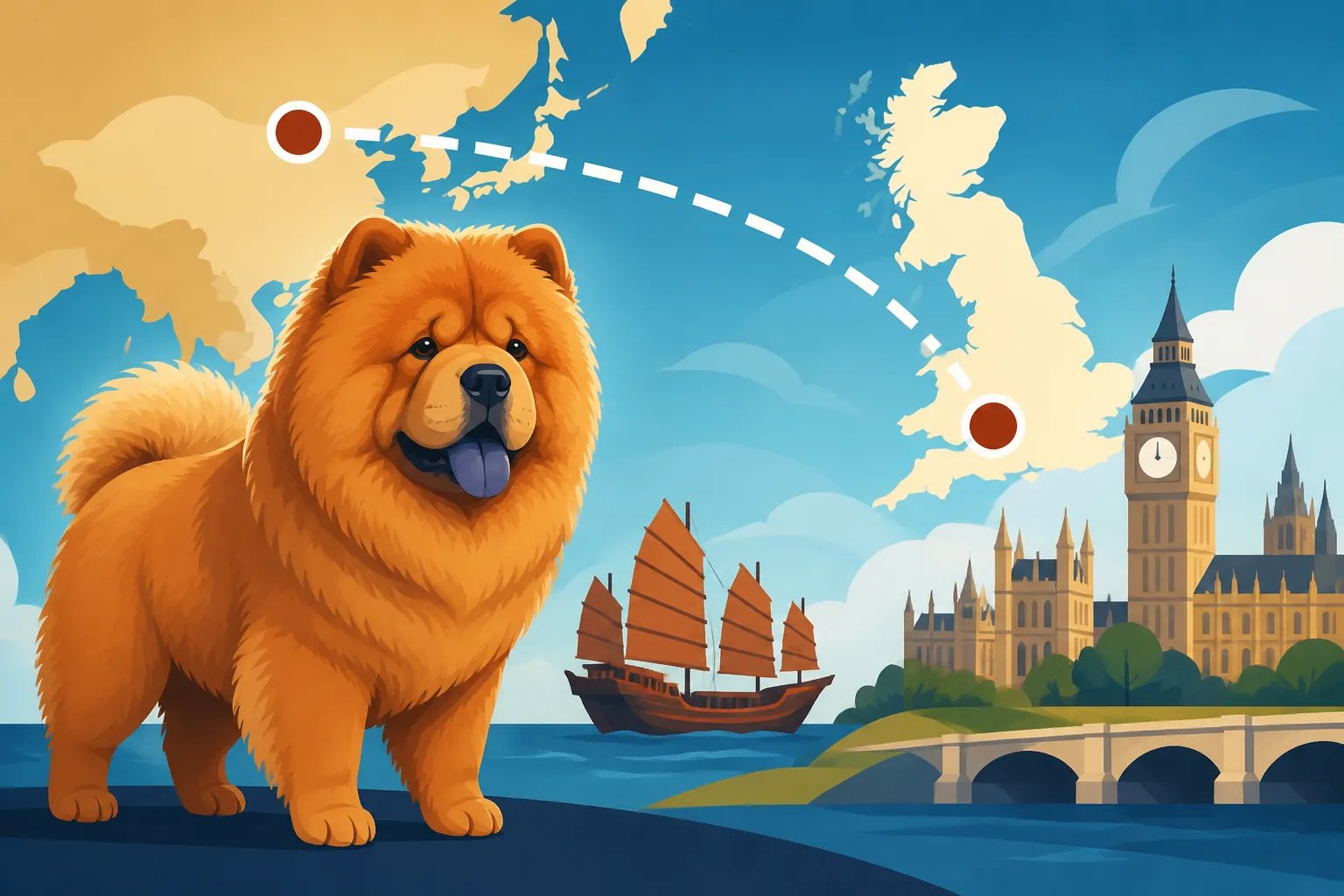
It's easy to look at a majestic Chow Chow today and imagine they've always been a familiar part of the English landscape, but their journey across continents was long, mysterious, and fascinating. For centuries, these magnificent "lion dogs" were largely unknown outside of their native China. Understanding how these unique canines transitioned from the imperial courts and working farms of East Asia to become beloved, albeit sometimes misunderstood, members of British society reveals a captivating tale of trade, exploration, and cultural exchange. This guide will walk you through the historical pathways and cultural shifts that led to the Chow Chow's arrival and eventual establishment in England, exploring the challenges and curiosities along the way.
The Enigmatic Origins of the Chow Chow in China
Before the Chow Chow ever set paw on English soil, it lived a rich and varied existence in its homeland, China. This wasn't just any dog; it was a breed with roots stretching back thousands of years, deeply woven into the fabric of Chinese society and culture. Their history is not just long; it's practically ancient, making their eventual journey to the West all the more remarkable.
A Breed Steeped in Ancient History
The Chow Chow's origins are shrouded in the mists of antiquity, making them one of the most venerable breeds on the planet. Archaeological evidence, historical records, and even ancient artwork depict dogs strikingly similar to the Chow Chow we know today. Experts widely agree that The Chow Chow Is One of the Oldest Breeds in the World, a lineage that can be traced back through various dynasties. It’s truly humbling to think that a dog curled up on your sofa might have ancestors who guarded temples or hunted alongside emperors millennia ago. Their unique physical characteristics, like their blue-black tongue and dense coat, are ancient traits that have survived generations.
Indeed, glimpses of these magnificent canines can be seen in artifacts dating back to the Han Dynasty. Imagine artisans meticulously crafting pottery, and there, among the horses and other animals, are dogs with a familiar ruff and dignified stance. Han Dynasty Pottery Shows a Dog That Looks Like a Chow Chow, offering tangible proof of their long presence and importance in Chinese society. These early representations aren't just decorative; they speak volumes about the Chow Chow's established place in the culture, indicating they were more than mere pets – they were significant figures in daily life, perhaps even symbols of status or spiritual guardians.
Beyond a Companion: The Working Life in China
In their native land, Chow Chows weren't primarily bred for cuddles and companionship, although they certainly formed deep bonds with their families. Instead, their robust build, keen senses, and independent nature made them invaluable working dogs. They were true multi-purpose canines, fulfilling a diverse range of roles that were essential for survival and prosperity in ancient China. Their ability to adapt to various tasks speaks volumes about their intelligence and resilience, characteristics that still define the breed today.
One of their most significant roles was that of guardians. With their imposing presence and natural wariness of strangers, Whether Chow Chows Guarded Temples and homes was a key function. They were alert watchdogs, their deep-set eyes missing little, and their formidable bark a deterrent to intruders. Beyond guarding, they were also skilled hunters, capable of tracking and bringing down game. Historical accounts suggest they accompanied hunters, using their strength and endurance to assist in securing food. This dual role of guardian and hunter cemented their importance within Chinese communities for centuries, far removed from the more ornamental role some people initially associated with them in the West. It truly paints a picture of a dog that earned its keep.
Early European Encounters and the Silk Road Influence
For centuries, the Chow Chow remained largely a secret to the Western world, hidden behind the formidable geographical and cultural barriers that separated East from West. However, as trade routes expanded and explorers ventured further, whispers and occasional glimpses of these unique "bear-dogs" began to filter back to Europe, sparking curiosity and paving the way for their eventual journey.
Traders, Explorers, and First Glimpses
The earliest mentions of dogs resembling Chow Chows in European texts often come from the accounts of intrepid travelers who ventured along the legendary Silk Road. Marco Polo, the famed Venetian merchant and explorer, is often credited with one of the first Western descriptions of dogs from China in the 13th century. While he didn't use the specific term "Chow Chow," his writings detailed powerful, lion-like dogs that were used for hunting and guarding in Tartary (a region of Central Asia and Siberia). These dogs, strong and hardy, were likely ancestors or close relatives of the Chow Chow, having adapted to harsh climates and demanding tasks, much like the Chows themselves.
These early encounters were sporadic and often lacked detailed information, leading to much speculation and fascination. Imagine a European merchant, having only heard vague descriptions of "bear-dogs" from the Far East, trying to reconcile these tales with the canines they were familiar with. The dogs were seen as exotic curiosities, rare glimpses into a distant, mysterious land. These scattered reports served to pique interest and fuel the imagination of those back home, slowly building a legend around these powerful, dignified animals. Even today, there's an aura of mystery surrounding Where the Chow Chow Comes From.
Misconceptions and Early Descriptions
It's probably no surprise that with such limited first-hand information, early European descriptions of the Chow Chow, or what they thought was a Chow Chow, were often laced with misconceptions and exaggerations. The breed's unique appearance—its dense coat, lion-like mane, and distinctive scowl—contributed to their exotic and sometimes intimidating image. Without a comprehensive understanding of their temperament or purpose in China, these dogs were easily cast as fierce, untamable, or even wild.
Many early accounts struggled to categorize them, often likening them to bears due to their sturdy build and thick fur. Some even mistook them for a type of wild dog or wolf, a natural inclination when encountering an animal so different from anything known in Europe. These misinterpretations were a significant hurdle in the initial understanding and acceptance of the breed, a challenge that, in some ways, continues even today for new owners trying to understand their Chow's complex personality. Over time, as more dogs made their way west, these myths slowly began to be dispelled, replaced by a more accurate, though still evolving, appreciation of the breed.
From Exotic Curio to Ship's Cargo: The Journey West
The transition of the Chow Chow from a mysterious "bear-dog" of the East to a living, breathing cargo on ships bound for England is perhaps the most pivotal part of their story. This wasn't a planned migration, but rather a consequence of burgeoning global trade and the insatiable European appetite for novelties from distant lands.
The East India Company's Role
The 18th century saw a significant increase in trade between Europe and China, spearheaded by powerful mercantile organizations like the East India Company. These companies operated vast fleets of ships, transporting valuable goods such as tea, silk, porcelain, and spices from the Far East to eager markets in the West. Amidst these coveted commodities, some exotic animals also found their way onto the cargo manifests. It was through these trade routes that a small number of Chow Chows first reached Great Britain. They weren't shipped en masse; rather, they were often brought back as gifts for nobility or as unusual specimens for menageries and zoological collections.
Imagine the sheer logistical challenge of transporting live animals across thousands of miles of ocean, facing unpredictable weather, limited space, and primitive understanding of animal welfare. The journey was arduous, and only the hardiest of dogs would have survived. These early arrivals were truly pioneers, enduring weeks or even months at sea. Modern pet owners planning a trip with their Chow Chow, even a short one, now meticulously pack supplies, often stocking up on essentials from a reputable retailer like Chewy. Back then, sailors simply did their best with what they had on hand, often sharing their own food and water with their unusual canine passengers, a testament to the resilience of both the dogs and their human caretakers.
The Curious Case of the "Chow Chow" Name
One of the most enduring mysteries surrounding the breed in the West is the origin of its name: "Chow Chow." In China, the dogs had various names, such as "Songshi Quan" (松狮犬), meaning "puffy-lion dog," or "Tang Quan" (唐犬), meaning "dog of the Tang Dynasty." So, how did they come to be known by a name that sounds so distinctly un-Chinese? The most widely accepted theory attributes the name to the pidgin English used by traders in the 18th and 19th centuries.
On the cargo manifests of East India Company ships, a general term, "chow-chow," was often used to denote miscellaneous items or curiosities that didn't fit into established categories. These might include small trinkets, pottery, or, indeed, exotic animals. When the peculiar dogs arrived in England, their specific Chinese names were unknown or difficult for Europeans to pronounce. Thus, they became simply identified by the general "chow-chow" label on the manifest. What Chow Chow Meant on a Ship's Manifest was therefore more about "miscellaneous goods" than a specific dog breed, a rather unglamorous label for such a dignified animal! Today, you can find almost anything for your pet, specialized or not, from vendors like Chewy, but in those days, things were labeled much more broadly.
| Year/Period | Event | Significance |
|---|---|---|
| 13th Century | Marco Polo's Accounts | First European descriptions of lion-like dogs in China. |
| 17th-18th Century | East India Company Trade Routes | Chow Chows begin to arrive in England as exotic cargo. |
| Late 18th Century | First Documented Chow Chows in England | Arrive as curiosities for gentry and menageries. |
| 1830s | London Zoo Exhibits Chow Chows | Increased public awareness and fascination. |
| 1865 | Queen Victoria Acquires a Chow Chow | Royal patronage significantly boosts breed's popularity. |
| 1880s | First Chow Chow Breed Clubs Formed | Formal breeding and showing begin in earnest. |
| 1890s | Official Breed Standard Established | Defines ideal traits for the Chow Chow in England. |
Establishing a Foothold in Victorian England
Once these intriguing dogs arrived in England, their unique appearance and reserved demeanor quickly captured the attention of a society fascinated by exotic imports. The Victorian era, with its penchant for collecting and displaying foreign treasures, provided the perfect environment for the Chow Chow to gain prominence, moving beyond mere cargo to become a cherished, albeit exclusive, breed.
Royal Patronage and Growing Fascination
The true turning point for the Chow Chow's popularity in England came with royal endorsement. In 1865, the most prominent figure of the era, Queen Victoria, acquired a Chow Chow. When Queen Victoria Got a Chow Chow, it instantly elevated the breed's status from a mere curiosity to a fashionable canine companion among the aristocracy and wealthy elite. The Queen's approval meant that owning a Chow Chow became a symbol of prestige and sophistication, a tangible link to the exotic East that captivated Victorian sensibilities. This royal seal of approval spurred demand and encouraged more individuals to seek out these distinctive dogs.
The fascination wasn't just limited to the upper crust. The Chow Chow's distinct look, with its lion-like mane, scowling expression, and unique blue tongue, made it a subject of considerable interest at public exhibitions and early dog shows. People were drawn to their dignified bearing and aloof nature, even if their understanding of the breed's temperament was still developing. This public exposure helped solidify their place in British society, moving them out of private collections and into the public eye, even as many struggled to understand the breed's sometimes challenging personality.
Early Breed Development and Kennel Clubs
With growing interest came the inevitable desire for formal recognition and structured breeding. As more Chow Chows arrived and were bred in England, enthusiasts began to organize. The late 19th century saw the formation of the first dedicated Chow Chow breed clubs, such as the Chow Chow Club in England, established around 1895. These clubs were crucial for defining the breed's characteristics, promoting responsible breeding, and establishing a consistent vision for the Chow Chow's future in the West. When the First British Chow Chow Club Formed, it marked a significant step in moving from a collection of "exotic dogs" to a recognized and managed breed.
These clubs played a vital role in drafting and adopting the first breed standard, a detailed description of the ideal physical and temperament traits of a Chow Chow. This standard guided breeders in their efforts to preserve the breed's unique qualities while adapting it to its new environment. It was through these concerted efforts that the Chow Chow developed into the consistent and recognizable breed we cherish today. This period laid the groundwork for the breed's expansion not only within England but eventually across the Atlantic to North America, where their distinct traits and fascinating history continue to captivate dog lovers.
The Chow Chow's Enduring Legacy in the West
From ancient China to the bustling streets of Victorian London, the Chow Chow's journey was remarkable. While their initial arrival was steeped in exoticism and curiosity, they eventually carved out a unique and lasting place for themselves in the hearts and homes of Western dog enthusiasts. Their legacy is one of resilience, distinctiveness, and a constant reminder of the bridge between cultures.
From Aristocracy to Wider Appeal
Initially a breed associated with royalty and the wealthy, the Chow Chow’s appeal gradually broadened throughout the 20th century. While still not as common as some other breeds, they attracted a dedicated following among those who appreciated their independent spirit, dignified demeanor, and unmistakable appearance. Celebrities and prominent figures continued to own Chow Chows, further cementing their status and keeping them in the public consciousness. This wider exposure meant that more people learned about the breed, not just as a historical artifact but as a companion animal, albeit one that requires a specific type of owner.
However, this increased popularity also brought challenges. As demand grew, so did the potential for less scrupulous breeding practices, leading to some temperament issues or exacerbated health concerns, particularly those linked to their unique physical traits like Why a Chow Chow's Deep Set Eye Causes Trouble. Thankfully, dedicated breed clubs and responsible breeders continued to work tirelessly to maintain the integrity of the breed, focusing on health, temperament, and adherence to the established standard. These individuals understood that true appreciation for the Chow Chow meant respecting its history and ensuring its future well-being.
Preserving the Breed's Unique Qualities
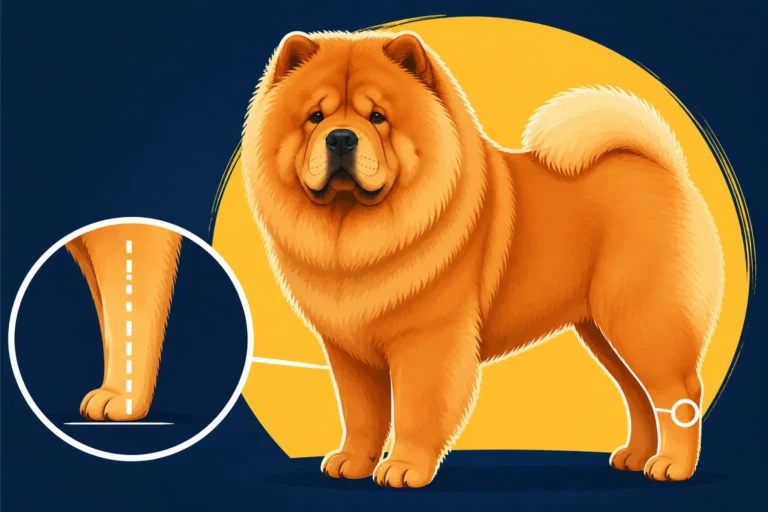
Even centuries after their arrival in England, the Chow Chow continues to be a breed unlike any other. Their distinctive features, such as the famous blue-black tongue, the dense double coat, the lion-like ruff, and their characteristic "stilted" gait, are all traits carefully preserved through generations of selective breeding. Owners today are deeply committed to understanding and catering to these unique qualities, from meticulous grooming to managing their aloof yet devoted personalities. This commitment ensures that the Chow Chow remains true to its ancient heritage.
For example, maintaining that glorious double coat, whether rough or smooth, requires specific tools and dedicated effort to prevent matting and keep the dog comfortable, especially during seasonal coat blows. Many owners turn to specialized online retailers, like Chewy, to find the right undercoat rakes, slicker brushes, and high-velocity dryers necessary to properly care for such a dense coat. Similarly, understanding their moderate exercise needs and their tendency to overheat means providing appropriate cooling solutions, which can also be sourced from comprehensive pet supply sites. The ongoing care for a Chow Chow is a testament to the breed's enduring allure and the dedication of owners who strive to meet the specific needs of these truly magnificent dogs, honoring the long journey they made to reach us.
Disclaimer
This article is for general informational purposes only and does not constitute professional advice. Laws, prices and regulations vary by location and change over time. Consult a qualified professional for guidance on your specific situation.