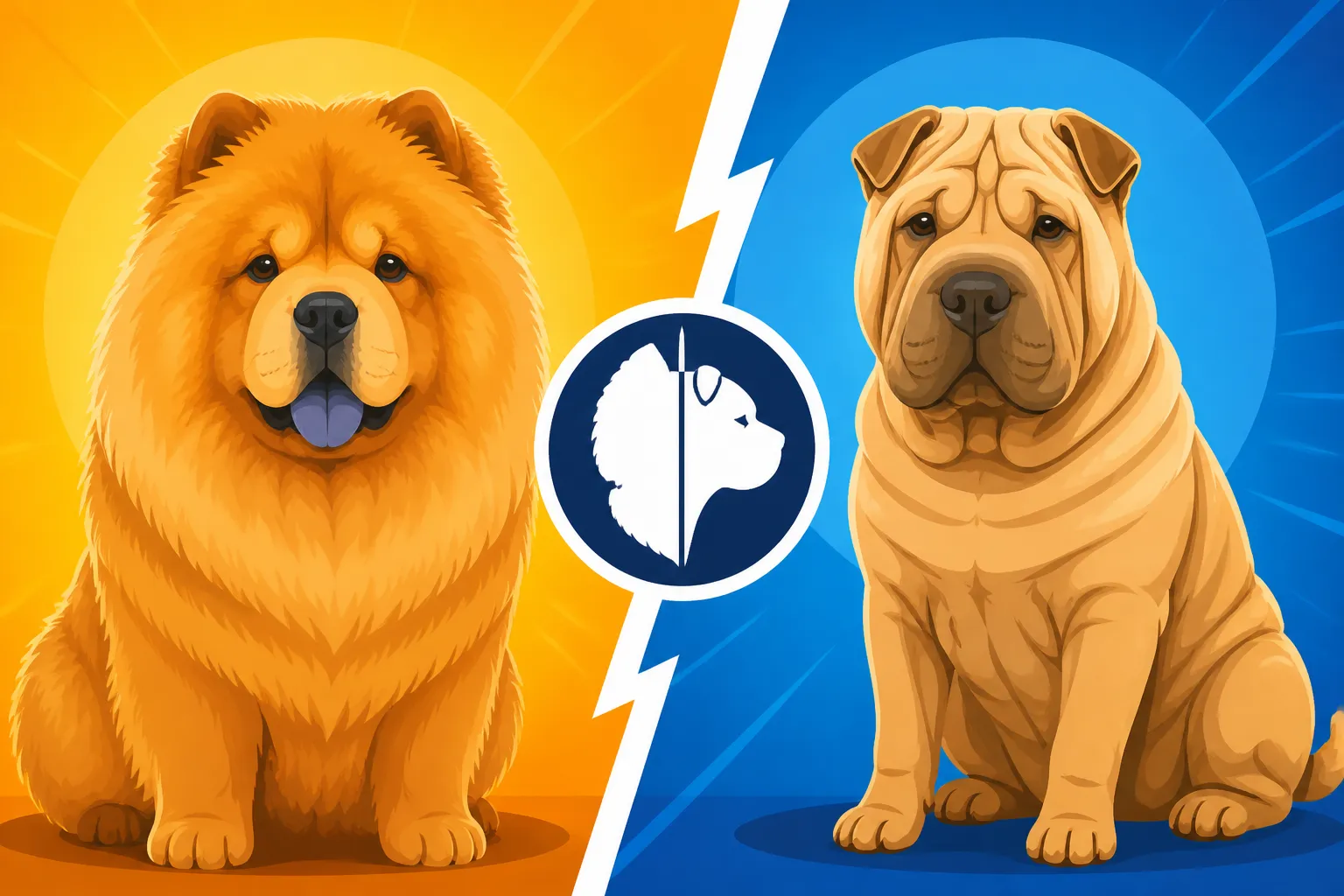
How a Chow Chow Differs From a Shar Pei
Many folks looking for a unique, lion-like companion often find themselves weighing two ancient breeds from China: the Chow Chow and the Shar Pei. While both capture attention with their distinctive looks and strong personalities, they are incredibly different animals, and understanding these distinctions is crucial for anyone hoping to bring one of these wonderful dogs into their home. This guide will meticulously break down the unique characteristics, temperaments, and care needs of each breed, helping you understand which might be the right fit for your family and lifestyle.
Unpacking the Shared History and Ancient Roots
It’s easy to group the Chow Chow and the Chinese Shar Pei together in our minds. Both hail from ancient China, both have fascinating histories, and both carry an air of mystique that sets them apart from many modern breeds. However, their paths, while both long and storied, diverged significantly, shaping the distinct dogs we know today.
Tracing Their Origins: China's Ancient Breeds
The Chow Chow is truly a relic, a breed whose origins stretch back thousands of years. We see depictions that resemble them in ancient Chinese artifacts, hinting at their long presence and varied roles. They were dogs of utility, serving as guards for homes and temples, hunters of pheasant and other game, and even pulling small carts. Their history is steeped in the practical needs of ancient Chinese society, giving them a self-sufficient and often serious demeanor. The Chow Chow Is One of the Oldest Breeds in the World is not just a catchy phrase; it's a testament to their enduring lineage. They are thought to have originated in the northern regions of China, often associated with nomadic tribes and harsh, cold climates, which accounts for their dense double coat and hardy constitution.
The Chinese Shar Pei, while also ancient, developed in a different part of China—the southern provinces, particularly around the city of Dialak. Their name, "Shar Pei," actually translates to "sand skin," referring to their rough, prickly coat. Unlike the Chow Chow, who had many roles, the Shar Pei was primarily bred for fighting and guarding. This history profoundly impacted their physical form, with loose skin that was hard for opponents to grasp, small, protected ears, and a formidable bite. They weren't pulling sleds or hunting alongside royalty; they were often the protectors of farmers and peasants, prized for their courage and tenacity in defending property and families from intruders, both human and animal.
What DNA Tells Us About Their Relationship
While their ancient Chinese origins might lead some to believe they are closely related branches of the same family tree, modern genetic studies actually reveal a fascinating divergence. Both are considered basal breeds, meaning their DNA shows they branched off very early from the ancestral wolf line, predating most modern dog breeds. What DNA Says About the Chow Chow's Age places them squarely among the oldest canine lineages. However, despite this shared "ancient" status, their genetic profiles indicate they developed independently for a very long time.
They are not as closely related to each other as, say, a Labrador Retriever is to a Golden Retriever. Instead, they represent separate, unique evolutionary paths within the vast tapestry of ancient dog breeds. This genetic distance underscores why, despite superficial similarities like their "exotic" looks or blue-black tongues (which we’ll get to!), their fundamental temperaments, physical builds, and even their health predispositions often differ quite a bit. It’s a testament to the diverse canine development that occurred across different regions of China, adapting dogs to distinct environments and purposes.
Distinctive Physical Traits: More Than Just Wrinkles
At first glance, some people might confuse a Chow Chow with a Shar Pei, especially a very wrinkly Chow Chow puppy or a less wrinkled adult Shar Pei. However, once you know what to look for, their physical differences are quite striking and tell a great deal about their breed standards and historical functions.
The Iconic Chow Chow Mane vs. Shar Pei Wrinkles
The Chow Chow's most defining physical characteristic, particularly in the "rough coat" variety, is its magnificent lion-like mane. This dense, profuse ruff around its head and shoulders creates a regal, formidable silhouette. Their double coat is incredibly thick and insulating, a clear adaptation to the colder climates of their northern Chinese origins. What a Chow Chow's Double Coat Is Made Of explains this dual layer of protection. This coat requires significant grooming to prevent matting and maintain its health. Even the "smooth coat" Chow Chow, while lacking the dramatic ruff, still possesses a dense, plush double coat.
In stark contrast, the Chinese Shar Pei is famous for its loose, wrinkled skin, especially pronounced in puppies. This skin served a vital purpose in its fighting history, allowing the dog to twist and turn within an opponent's grasp, minimizing damage to vital organs. As a Shar Pei matures, some of these wrinkles may "stretch out" across their body, though they typically retain them on their face, neck, and shoulders. Their coat is short, harsh, and coarse—the "sand paper" texture—and they come in a much wider array of colors than the Chow Chow. Their skin also presents unique care challenges, particularly in keeping the deep folds clean and dry to prevent skin infections.
Tongue Color: A Shared but Misleading Trait
One of the most widely known, and often misunderstood, shared traits between these two breeds is the blue-black tongue. Both breeds are unique in the canine world for typically having tongues that are solid blue-black or lavender, rather than the pink associated with most other dogs. Why the Chow Chow's Tongue Is Blue Black is a fascinating genetic quirk that adds to their exotic appeal. This distinctive pigmentation extends to their gums and the roof of their mouths as well.
However, the presence of a blue-black tongue in a mixed-breed dog doesn't automatically mean it has Chow Chow and Shar Pei in its lineage, or even that they are more closely related than other breeds. It merely indicates a genetic predisposition for this specific type of pigmentation. While interesting, it’s a superficial similarity that doesn’t speak to deeper genetic connections or shared temperament. It's more of a fun fact than a reliable indicator of close kinship, and it's something that often surprises new owners or fascinates admirers.
Head Shape, Eyes, and Tail Carriage Differences
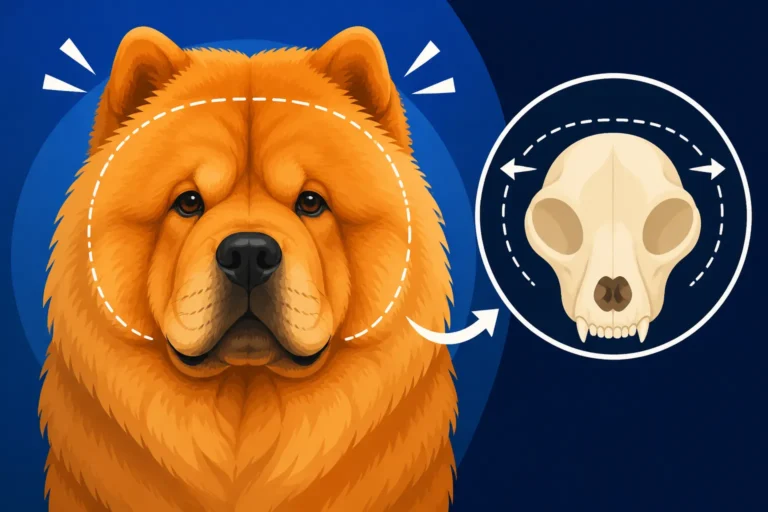
Beyond the coat and tongue, their facial structures and overall silhouettes offer clear distinctions. A Chow Chow has a broad, massive head, often described as "lion-like," with small, thick, rounded ears set well forward over the eyes. Their eyes are deep-set, adding to their characteristic "scowl" and limiting their peripheral vision, which impacts their behavior. Why a Chow Chow's Deep Set Eye Limits What It Sees is a crucial piece of information for understanding how they perceive the world around them. Their tail is high-set and carried tightly curled over their back, often nearly touching their spine. Their gait is also distinctive, often described as stilted due to their relatively straight rear legs.
A Shar Pei, conversely, has a proportionally larger head in relation to its body, with tiny, thick, triangular ears that lay flat against its skull, giving it a unique "hippopotamus" appearance. Their eyes are small and often set deep within folds of skin, which can also lead to eye issues. Their muzzle is broad and often described as having a "brick-like" or "hippopotamus" shape. The Shar Pei's tail, while also high-set, typically curls tightly over the back or to one side, but it doesn't have the same high arch or constant contact with the back that a Chow Chow's does. Their gait is usually more agile and less stiff than a Chow Chow's, reflecting their past as fighting and agile farm dogs.
Coat Texture and Maintenance Needs
The coat of a Chow Chow, whether rough or smooth, is incredibly dense and requires consistent, thorough grooming. A rough-coated Chow Chow needs daily or every-other-day brushing, especially during its biannual "coat blow" when it sheds its entire undercoat. Skipping this can lead to painful matting, skin issues, and even overheating. Brushing a Chow Chow's Mane Down to the Skin isn't just about aesthetics; it's about health and comfort. Owners often invest in high-quality slicker brushes, undercoat rakes, and strong dryers. Even with diligent home grooming, many Chow Chow owners find professional grooming essential to manage the volume of fur and ensure proper skin health, especially around the face and ears. Finding the right tools, perhaps from a reputable pet supply store like Chewy, is key to managing their magnificent coat.
The Shar Pei's coat, on the other hand, is short and bristly, requiring much less brushing. However, their skin demands a different kind of attention. The deep wrinkles, particularly on the face and neck, can trap moisture, dirt, and debris, making them prone to skin fold dermatitis and yeast infections. These areas need to be regularly cleaned and thoroughly dried to prevent irritation. Some Shar Peis might have tighter muzzle wrinkles that require daily wiping. While they don't have the vast shedding volume of a Chow Chow, their short, stiff hairs can be notoriously difficult to remove from upholstery and carpets. Both breeds, despite their differences, require commitment to their specific grooming needs, which are often far more extensive than many first-time owners anticipate.
Temperament and Personality: A World Apart
While both Chow Chows and Shar Peis are renowned for their independent, somewhat aloof natures, the nuances of their personalities are quite distinct. These differences stem from their historical roles and breed development, making it vital for prospective owners to understand what each brings to the family dynamic.
Guarding Instincts and Family Loyalty
The Chow Chow is a dignified and serious guardian. They are typically devoted to their immediate family, often forming an intense bond with one primary person, while tolerating others in the household. Their loyalty is unwavering, but it's not expressed in an overly effusive or clingy manner. They are naturally watchful and suspicious of strangers, a trait deeply ingrained from their centuries of guarding homes and property. This territorial instinct means they are excellent watchdogs, but it also necessitates careful management to prevent over-guarding or potential reactivity towards unfamiliar people or situations. They tend to be reserved, observing before acting, and rarely engage in boisterous displays of affection.
The Shar Pei shares the Chow Chow's guarding instincts but often expresses them with more intensity and less subtlety. Bred specifically as guardians and fighters, they possess a strong protective drive and can be fiercely loyal to their family. However, this loyalty can extend into strong possessiveness of their space, people, and resources. They can be wary of strangers and other animals, and their protective nature can sometimes manifest as aggression if not properly channeled through early socialization and consistent training. While they can be affectionate with their chosen family, their historical purpose means they often carry a "tough dog" attitude, requiring an owner who understands and respects their need for clear boundaries and consistent leadership.
Socialization: A Critical Difference
For both breeds, early and extensive socialization is not just recommended, it's absolutely non-negotiable. However, the type and intensity of socialization required differs. A Chow Chow needs consistent, positive exposure to a wide variety of people, places, sounds, and other calm, well-behaved dogs during their critical puppyhood window. The goal is not to make them overtly friendly with everyone, but to teach them to be calmly accepting and comfortable in different situations, reducing their natural wariness to a manageable level. How Much Socialization a Chow Chow Puppy Needs truly cannot be overemphasized. Without it, their natural aloofness can easily tip into fear-based reactivity or aggression. They need to learn that not every stranger is a threat, and not every new experience is cause for alarm.
The Shar Pei's socialization needs are arguably even more demanding due to their strong protective instincts and potential for dog-on-dog aggression. They require meticulous and constant positive exposure from a young age to ensure they grow into well-adjusted adults. This means introducing them to many different people, environments, and especially other dogs in controlled, positive settings. Puppy classes can be beneficial, but careful supervision is key. Their tendency towards same-sex dog aggression, particularly in males, is well-documented, making careful pairing and management crucial if they are to live in a multi-dog household. Their inherent suspicion combined with a fighting background means that a lack of proper socialization can quickly lead to dangerous behavioral issues.
Training Approaches and Stubborn Streaks
Both Chow Chows and Shar Peis are intelligent breeds, but neither is known for being overtly eager to please in the way a Golden Retriever might be. They are often described as having an independent and sometimes stubborn streak, which can make training a unique challenge. Consistency, patience, and positive reinforcement are absolutely essential. Harsh corrections or force will almost certainly backfire, leading to resentment, shutdown, or even aggression. Why Harsh Correction Backfires on a Chow Chow is a lesson many owners learn the hard way. These breeds respond best to owners who can make training feel like a partnership, where the dog is choosing to cooperate rather than being forced. Short, engaging training sessions with high-value rewards work best.
Chow Chows tend to operate on an "agreement" system. They'll do what you ask if they see the point or if it benefits them. They often pick up cues quickly but may choose to ignore them if they're not in the mood or if a higher priority (like guarding the door) arises. Maintaining their respect and trust is paramount. Shar Peis, with their history, can be equally headstrong. They need an owner who can establish clear leadership without resorting to harshness. Their intelligence means they can learn quickly, but their strong will means they'll test boundaries. Early obedience training and continued mental stimulation are vital to keeping them engaged and preventing boredom, which can lead to destructive behaviors. Neither breed is for the faint of heart or for someone seeking an "easy" dog to train.
Health Considerations: Similarities and Divergences
While both the Chow Chow and the Chinese Shar Pei are generally robust dogs when well-bred, they each carry certain genetic predispositions and unique health concerns that prospective owners must be aware of. Responsible breeders will screen for these issues, but understanding them is key to preventative care and early intervention.
Shared Predispositions: Eye and Joint Issues
One of the most unfortunate commonalities between these two breeds lies in their susceptibility to certain eye conditions. Both breeds are prone to entropion, a painful condition where the eyelid rolls inward, causing eyelashes to rub against the cornea. Entropion Is the Chow Chow's Signature Problem, but it's also highly prevalent in Shar Peis due to their distinctive facial structure and skin folds. If left untreated, entropion can lead to corneal ulcers, scarring, and even blindness. Surgical correction is often necessary and can be quite costly. Another shared eye concern is glaucoma, a condition where pressure builds up within the eye, leading to pain and potential blindness if not treated rapidly.
Joint problems, particularly hip dysplasia and elbow dysplasia, are also concerns for both breeds. These conditions involve abnormal development of the hip or elbow joints, leading to arthritis, pain, and lameness. Hip Dysplasia in a Chow Chow is a significant concern for the breed, and careful breeding practices involving OFA (Orthopedic Foundation for Animals) certifications are crucial to minimize its incidence. Shar Peis also face these issues, and reputable breeders for both breeds will have their breeding stock screened and certified free of these conditions. Maintaining a healthy weight and providing appropriate exercise throughout their lives can help manage these conditions if they arise.
Unique Breed Health Concerns
Beyond shared issues, each breed has its own set of particular health challenges. For the Chow Chow, thyroid problems, specifically autoimmune thyroiditis, are relatively common. Signs can include weight gain, hair loss, lethargy, and skin issues. They can also be prone to certain cancers and bloat, a life-threatening condition where the stomach twists. Whether a Chow Chow Bloats is a real concern, and owners need to be aware of the symptoms and emergency protocols. Their dense coat and body structure also make them particularly susceptible to overheating. Why a Chow Chow's Double Coat Traps Heat can be a serious danger in warm climates or during strenuous activity, necessitating careful management of their environment and exercise.
The Shar Pei, due to its unique physiology, has several breed-specific health problems. The most well-known is Shar Pei Fever (SPF), also known as Familial Shar Pei Fever. This is an inherited inflammatory disease that causes recurrent fevers, swelling of the hocks (ankles), and can sometimes lead to amyloidosis, a fatal kidney disease. There's also a high incidence of a unique condition called "Shar Pei skin mucinosis," which causes excessive wrinkling and can lead to skin issues. Their deep skin folds, as mentioned, are magnets for skin infections. They can also suffer from various immune-mediated diseases and ear problems due to their small, tight ear canals. Regular veterinary check-ups and a vet familiar with the breed's specific quirks are essential for a Shar Pei owner, potentially stocking up on specialty cleaning products or medications from a place like Chewy.
Living with Each Breed: Lifestyle Compatibility
Deciding between a Chow Chow and a Shar Pei isn't just about looks or historical tidbits; it's about finding a canine companion whose needs and personality truly align with your lifestyle. Both breeds are challenging in their own ways, requiring significant commitment from their owners.
Exercise Needs and Activity Levels
When it comes to exercise, neither the Chow Chow nor the Shar Pei are typically high-energy dogs, but they do have distinct requirements. The Chow Chow is often described as a "couch potato" after its puppy stage, content with moderate, regular exercise. Two moderate walks a day, perhaps 20-30 minutes each, are usually sufficient to keep them physically and mentally stimulated. How Much Exercise a Chow Chow Actually Needs is less than many people assume for a dog of its size. They are not built for endurance running or demanding agility courses. Their dense coat and brachycephalic (short-nosed) tendencies mean they overheat easily, so exercise must be carefully timed in warmer weather, often limited to early mornings or late evenings.
The Shar Pei is also not an extreme athlete, but they often have a bit more energy than a Chow Chow, especially in their younger years. They appreciate a good daily walk, perhaps 30-45 minutes, and playtime in a securely fenced yard. Their past as farm dogs suggests a dog capable of bursts of activity and vigilance. While they don't have the same fur-related overheating issues as Chow Chows, they still need to be protected from extreme heat due to their brachycephalic tendencies. They can enjoy puzzle toys or short training sessions to keep their minds engaged, as a bored Shar Pei can become mischievous or destructive. Both breeds are generally unsuitable for off-leash adventures in unfenced areas due to their independent nature and strong prey drives.
Grooming Commitment: Beyond the Brush
We've touched on grooming, but it's worth reiterating the sheer commitment involved. For the Chow Chow, grooming isn't just about aesthetics; it's crucial for their health and comfort. Regular, thorough brushing, often for an hour or more a few times a week, is essential to prevent matting and remove dead undercoat. During their seasonal coat blows, this commitment can double. Professional grooming every 6-8 weeks is a lifesaver for many owners. Bathing and drying a Chow Chow at home is a multi-hour project that involves special shampoos, conditioners, and a high-velocity dryer to ensure the undercoat is completely dry to prevent skin issues.
For the Shar Pei, while the coat itself is low-maintenance, the skin care is paramount. Regular inspection of all wrinkles, especially on the face, neck, and tail base, is necessary. These folds need to be cleaned with a damp cloth or medicated wipe and thoroughly dried to prevent bacterial or yeast infections. Some owners find medicated shampoos or topical treatments necessary, which you might find at Chewy, for managing skin issues. Their ears also require regular cleaning due to their small, tight canals, which can be prone to infection. Both breeds will require consistent nail trims, dental care, and ear checks, but the specific areas of focus for daily maintenance are quite different, reflecting their unique physical structures.
Suitability for Different Households
Neither the Chow Chow nor the Shar Pei is typically recommended for first-time dog owners. Both require experienced owners who understand their independent temperaments, strong guarding instincts, and unique health and grooming needs. They thrive in calm, consistent households where boundaries are clear and respected. Due to their territorial nature and deep bonds, they are often best as the only dog in the home, or perhaps with a carefully chosen, opposite-sex companion. Their interactions with children also need careful management; both can be tolerant of well-behaved, older children who understand how to respect a dog's space, but neither is typically suited for homes with very young, boisterous kids.
The Chow Chow generally prefers a quieter environment and a predictable routine. They are often less demanding of constant attention and can be content to simply be in the same room as their person. They appreciate a securely fenced yard where they can observe their territory. The Shar Pei, while also independent, can sometimes have a more intense personality and may require more active management of its environment and interactions. Their strong protection instincts mean that diligent socialization and training are even more critical to ensure they are safe and well-adjusted members of the community. Ultimately, choosing between these two magnificent, ancient breeds comes down to a deep understanding of their unique demands and an honest assessment of what you can realistically provide.
| Feature | Chow Chow | Chinese Shar Pei |
|---|---|---|
| Origin | Northern China, ancient utility dog | Southern China, ancient fighting/guarding dog |
| Coat Type | Dense double coat (Rough or Smooth) | Short, harsh, bristly "sand skin" |
| Distinctive Body | Lion-like mane/ruff, deep-set eyes, straight rear legs, curled tail | Profound skin wrinkles (especially pups), "hippopotamus" muzzle, tiny ears, curled tail |
| Tongue Color | Blue-black/lavender | Blue-black/lavender |
| Grooming | High maintenance (brushing, drying for coat) | Moderate maintenance (skin fold cleaning, ear care) |
| Temperament | Dignified, aloof, loyal to one, watchful | Reserved, protective, can be territorial, strong-willed |
| Socialization | Crucial, consistent exposure to sights/sounds/people | Extremely crucial, intense exposure to dogs/people |
| Exercise | Moderate, short bursts, prone to overheating | Moderate, playful, good walks, can overheat |
| Common Health | Entropion, glaucoma, thyroid, joint issues, heat stroke, bloat | Entropion, glaucoma, Shar Pei Fever, skin folds, joint issues |
| Ideal Owner | Experienced, calm, consistent, appreciates independence | Experienced, firm but fair, consistent, understands strong guarding instinct |
Disclaimer
This article is for general informational purposes only and does not constitute professional advice. Laws, prices and regulations vary by location and change over time. Consult a qualified professional for guidance on your specific situation.