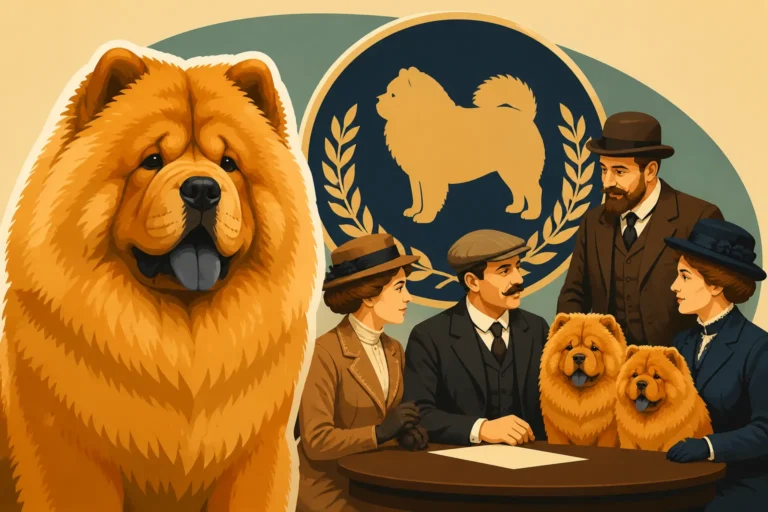
Whether the Chow Chow Was Shown at the London Zoo
For many of us who adore Chow Chows, there's a certain mystique about their origins and how they first captivated Western hearts. It’s easy to imagine these magnificent, lion-like dogs arriving in grand style, but the reality of their introduction to places like the London Zoo is a fascinating, often overlooked piece of history that shaped public perception for generations. This guide will delve into the journey of the Chow Chow from ancient China to Victorian England, exploring its time as an exotic exhibit and how that experience influenced its path to becoming the cherished companion we know today.
The Chow Chow's Journey to Victorian England
Before the Chow Chow became a household name or a popular show dog, it was a creature of myth and legend from the Far East. Its arrival in Britain wasn't a grand, orchestrated event for dog fanciers, but rather a slow trickle of exotic cargo that gradually piqued the interest of a curious nation. The journey itself was arduous, and the dogs were often seen more as curiosities than potential pets.
Early Shipments and the "Curio" Label
The very name "Chow Chow" itself is steeped in this early history, a term that didn't originally refer specifically to the dog. Imagine trading ships returning from China in the 18th and 19th centuries, their manifests filled with various goods from the Orient. Alongside teas, silks, and porcelains, there would be miscellaneous items – things that didn't fit into neat categories. These were often lumped together under the rather generic label "chow chow," a pidgin English term that basically meant "knick-knacks" or "odds and ends."
It was among these "chow chow" items that the first dogs of this distinct breed began to appear in England. They weren't shipped as "Chow Chows" but as unusual specimens from a distant land, part of the varied cargo. When these rare dogs arrived, often looking quite different from the European breeds known at the time, they were naturally grouped with the other exotic sundries. They were unique, fascinating, and certainly not yet understood as a breed with a long, noble history. Owners looking for specialized items for their newly acquired exotic pets back then would have had a tough time, unlike today where a quick search on a site like Chewy can bring almost anything to your doorstep.
The Exotic Appeal to Victorian Society
Victorian England was a society obsessed with exploration, discovery, and the acquisition of the exotic. Anything from distant lands held a powerful allure, and live animals were no exception. Zoos and private menageries were becoming popular attractions, showcasing the wonders of the natural world from across the globe. Against this backdrop, the Chow Chow, with its distinctive lion-like mane, deep-set eyes, and unique blue-black tongue, was a creature of immense fascination.
These early Chow Chows, sometimes referred to as "Tartar dogs" or "Chinese edible dogs" (a rather grim but historically accurate reflection of some of their roles in China), were often perceived as semi-wild or even dangerous. Their aloof nature, a hallmark of the breed, only added to their mystique, making them seem even more untamed and foreign. They weren't initially valued for their companionship or trainability in the same way a retriever or a spaniel might be; their appeal lay precisely in their exoticism and rarity. You can learn more about How the Chow Chow Reached England in our detailed piece.
The London Zoo's Role in Introducing Exotic Animals
The Zoological Society of London, founded in 1826, quickly established the London Zoo as a premier institution for the display and study of animals from around the world. In the Victorian era, zoos were more than just entertainment; they were vital centers for scientific research, public education, and symbols of imperial reach.
Displaying Rare Breeds to the Public
The London Zoo, from its inception, aimed to be a comprehensive collection of living specimens, not just wild beasts, but also unusual domestic animals that defied easy classification. When these "Chinese wild dogs" started arriving in England, the Zoological Gardens were a natural destination for them. For the general public, it was often their very first encounter with such a peculiar canine. They couldn't just browse for pet supplies on Chewy for these exotic animals; everything was new and unknown.
These exhibits offered Victorians a rare glimpse into cultures and wildlife they might never experience firsthand. The Chow Chow, distinct in appearance and temperament from any European dog, fit perfectly into this educational and entertainment mandate. Displaying them at the zoo helped to cement their image as something extraordinary, a living piece of a far-off land brought to London. This public exposure, while initially framing them as wild curiosities, was also the beginning of their journey toward domestication and appreciation in the West.
The Menagerie as a Status Symbol
Owning or displaying exotic animals in Victorian times was a significant status symbol. Wealthy individuals often maintained private menageries, and even royalty partook in this fascination. Queen Victoria herself, a known dog lover, eventually acquired several Chow Chows, significantly boosting their aristocratic appeal. When Queen Victoria Got a Chow Chow is a fascinating read on this topic. The zoo, in a way, democratized this experience, allowing a broader public to witness these rare animals, even if they couldn't own them.
The presence of a Chow Chow in the London Zoo’s collection signaled its perceived importance as a rare and significant creature. It was a tangible link to the mysteries of the East, a living trophy of exploration and trade. This perception, while not ideal for the dogs themselves, undoubtedly contributed to the breed’s eventual prominence and its transition from a "chow chow" cargo item to a distinct and recognized breed.
Specific Accounts of Chow Chows at the London Zoo
Historical records and contemporary accounts provide compelling evidence that Chow Chows were indeed exhibited at the London Zoo, playing a crucial role in shaping early public and scientific understanding of the breed.
Evidence and Eyewitness Reports
While specific dates and names can be elusive from centuries past, several historical documents and popular publications of the era confirm the presence of Chow Chows at the London Zoo. Descriptions often highlighted their unique characteristics: the dense coat, the black tongue, and the somewhat stern, bear-like expression. Visitors would flock to see these "wild dogs of China," a label that stuck for quite some time.
One of the most frequently cited pieces of evidence comes from William Youatt's "The Dog," published in 1845, which mentions "the China dog" or "Chow Chow" as being exhibited at the London Zoological Gardens. These were not just fleeting appearances; the dogs were part of the regular collection, often housed with other Asian animals. These eyewitness accounts, published in a time before widespread photography, served as critical documentation and contributed to the public’s initial understanding – or misunderstanding – of the breed. You can imagine the murmurs and exclamations as people saw the famous blue tongue for the first time!
The "Wild Dog of China" Perception
The Chow Chow's natural aloofness and reserved demeanor, coupled with its imposing appearance, often led to it being categorized as a "wild dog" rather than a domesticated breed. This perception was reinforced by its habitat in the zoo, where it was displayed alongside other exotic, undomesticated animals. It was a far cry from the modern understanding of dogs as companions who might enjoy a good tug toy or a treat from Chewy.
This label created a challenge for early fanciers who sought to establish the Chow Chow as a legitimate and desirable pet. They had to contend with the public's initial impression of a fierce, untamed animal. While the breed's guarding instincts are certainly a part of its character, the "wild dog" moniker overstated its true nature and often overshadowed its potential for loyalty and companionship. It took dedicated breeders and owners to slowly shift this narrative, demonstrating that beneath the imposing exterior lay a unique and devoted canine partner.
Impact on the Breed's Popularity and Understanding
The Chow Chow’s time in the London Zoo, while painting it with a brush of wildness, also paradoxically laid the groundwork for its widespread recognition and eventual popularity in the Western world. It brought the breed to the attention of a wide audience and sparked interest among early dog enthusiasts.
Shifting from Curiosity to Canine Companion
The transition from a zoo exhibit to a cherished family member wasn't instantaneous. Initially, the dogs remained curiosities, admired for their exotic looks rather than their temperament. However, as more specimens arrived and individuals began to own them, their true nature started to emerge. People discovered that beneath the seemingly fierce exterior was a dog capable of profound loyalty, albeit one that was selective with its affections. The Chow Chow Bonds to One Person and Tolerates the Rest is a perfect example of this deep loyalty.
Early owners found that these dogs, despite their independent streak, were intelligent and could be trained, albeit with a different approach than more eager-to-please breeds. This gradual understanding helped to dismantle the "wild dog" stereotype. The sheer novelty of the breed also meant that those who owned them were often members of the upper classes, which further elevated the Chow Chow's status from a mere zoo exhibit to a fashionable canine companion.
Early Breeding Efforts in England
The exhibition of Chow Chows at the London Zoo undoubtedly played a significant role in stimulating interest among early dog breeders and fanciers. Seeing these dogs firsthand inspired some individuals to acquire them and begin serious breeding programs. This marked a crucial turning point, moving the Chow Chow from an accidental import to a deliberately cultivated breed in England.
These pioneering breeders faced numerous challenges, not least of which was the limited gene pool and the varied quality of the initial imports. They worked to standardize the breed's appearance and temperament, setting the foundation for the Chow Chow we recognize today. Without the public platform of the zoo bringing the breed to attention, it's possible that this focused breeding effort might have been delayed or even never occurred on such a scale. This era was also when the name "Chow Chow" officially coalesced around the breed itself, shedding its earlier, more generic meaning. Understanding What the Chow Chow Did for a Chinese Emperor provides great context for their original high regard.
The Lasting Legacy of the Zoo Displays
Even as the Chow Chow found its footing as a domestic breed in homes and show rings, the early impression forged by its time in the London Zoo left a lasting mark on public perception. This initial exposure created both enduring fascination and some persistent misunderstandings that breeders and owners still navigate today.
Public Fascination and Misconceptions
The initial awe and wonder that London Zoo visitors felt when encountering the Chow Chow continue to echo in the breed's appeal. Even now, their unique appearance draws attention and questions. However, the old "wild dog" perception, while largely dispelled, sometimes contributes to lingering misconceptions about their temperament, often leading people to incorrectly assume they are aggressive or unapproachable.
In reality, Chow Chows are typically reserved and dignified, not inherently aggressive, but they do demand respect and understanding. Their unique physiology, like their deep-set eyes, which Why a Chow Chow's Deep Set Eye Causes Trouble explores, also contributes to how they interact with their environment, sometimes leading to misunderstandings about their reactions. The zoo exhibit initially emphasized their exotic nature, and while positive in drawing attention, it didn't always convey the full picture of their complex, loyal personalities.
Education vs. Entertainment
The role of zoos, and the way animals are presented, has evolved significantly since the Victorian era. While the London Zoo’s display of Chow Chows was a form of education for the public, it was also undeniably entertainment, designed to marvel and intrigue. This blend often meant that scientific accuracy about the animals’ true nature or historical background was sometimes secondary to their exotic appeal.
Today, we understand that proper socialization and early training are paramount for a Chow Chow to thrive as a companion. Why Early Socialization Decides What a Chow Chow Becomes highlights this importance. This contrasts sharply with the "display and observe" mentality of the past. The legacy of the zoo era reminds us of how far our understanding of animal welfare, behavior, and breed-specific needs has come, aided by modern resources and information that simply weren't available when these magnificent dogs first arrived on Western shores.
| Feature | Victorian Zoo Perception (Circa 1800s) | Modern Understanding (21st Century) |
|---|---|---|
| Primary Identity | Exotic "Chinese wild dog," curiosity, cargo | Ancient breed, loyal companion, guardian |
| Temperament | Fierce, untamed, potentially dangerous | Reserved, dignified, independent, devoted |
| Purpose | Display, scientific study, status symbol | Companion, family member, guardian |
| Origin | Mysterious, unknown, far-off lands | The Chow Chow Is One of the Oldest Breeds in the World with rich history |
| Care Needs | Largely misunderstood, basic | Specific grooming, exercise, and training |
| Acquisition | Rare import, gift, zoo acquisition | Reputable breeders, rescues (e.g., via platforms like Chewy for supplies) |
This table illustrates the journey of perception. While the Chow Chow’s initial presentation in places like the London Zoo was a product of its time, it undeniably carved out a path for this unique breed to eventually capture hearts across the world, evolving from a curious exhibit to a cherished, albeit distinctive, member of countless families.
Disclaimer
This article is for general informational purposes only and does not constitute professional advice. Laws, prices and regulations vary by location and change over time. Consult a qualified professional for guidance on your specific situation.