Why a Chow Chow Walks Stiffly
It's quite common for new Chow Chow owners, and even experienced ones, to notice something a little… different about their dog's walk. Unlike the fluid, effortless trot of many other breeds, your Chow Chow might move with a distinctive, almost stiff, and sometimes clumsy gait. This isn't just a quirk; it's deeply rooted in their unique anatomy and is often the source of worry and questions. This guide will help you understand precisely why your beloved Chow Chow moves with this characteristic stilted gait, what it means for their health, and how you can support their mobility throughout their life.
The Unique Anatomy Behind the Chow Chow's Stiff Gait
The Chow Chow’s distinctive, somewhat stilted gait isn't a result of discomfort or a lack of coordination in a healthy dog, but rather a direct consequence of their unique skeletal structure, particularly in their hindquarters. It's one of those breed characteristics that makes a Chow Chow a Chow Chow, much like their blue-black tongue or dense double coat. Understanding this structure is key to appreciating their movement.
The "Straight Rear" Angulation: What It Means
When we talk about a dog's "angulation," we're referring to the angles formed by the bones in their legs, especially at the joints like the shoulder, stifle (knee), and hock (ankle). Most dog breeds are bred for moderate angulation, which provides a springy, efficient stride. Think of a German Shepherd or a Labrador; their hind legs have a clear bend at the stifle and hock, allowing for powerful propulsion and shock absorption.
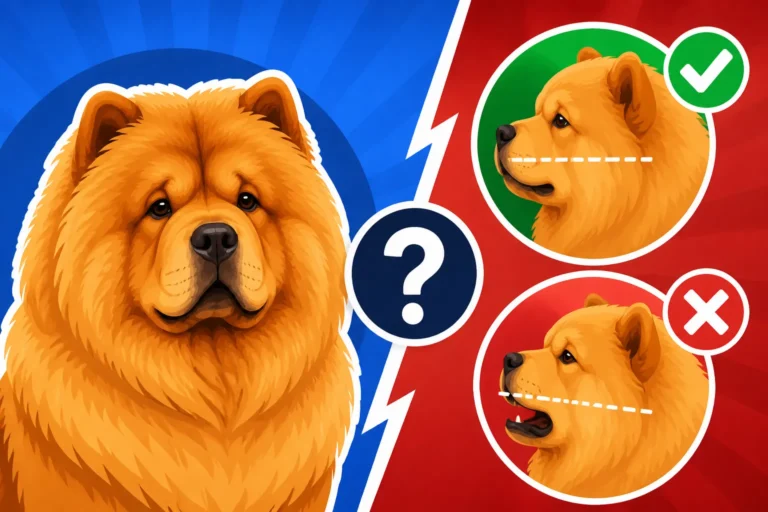
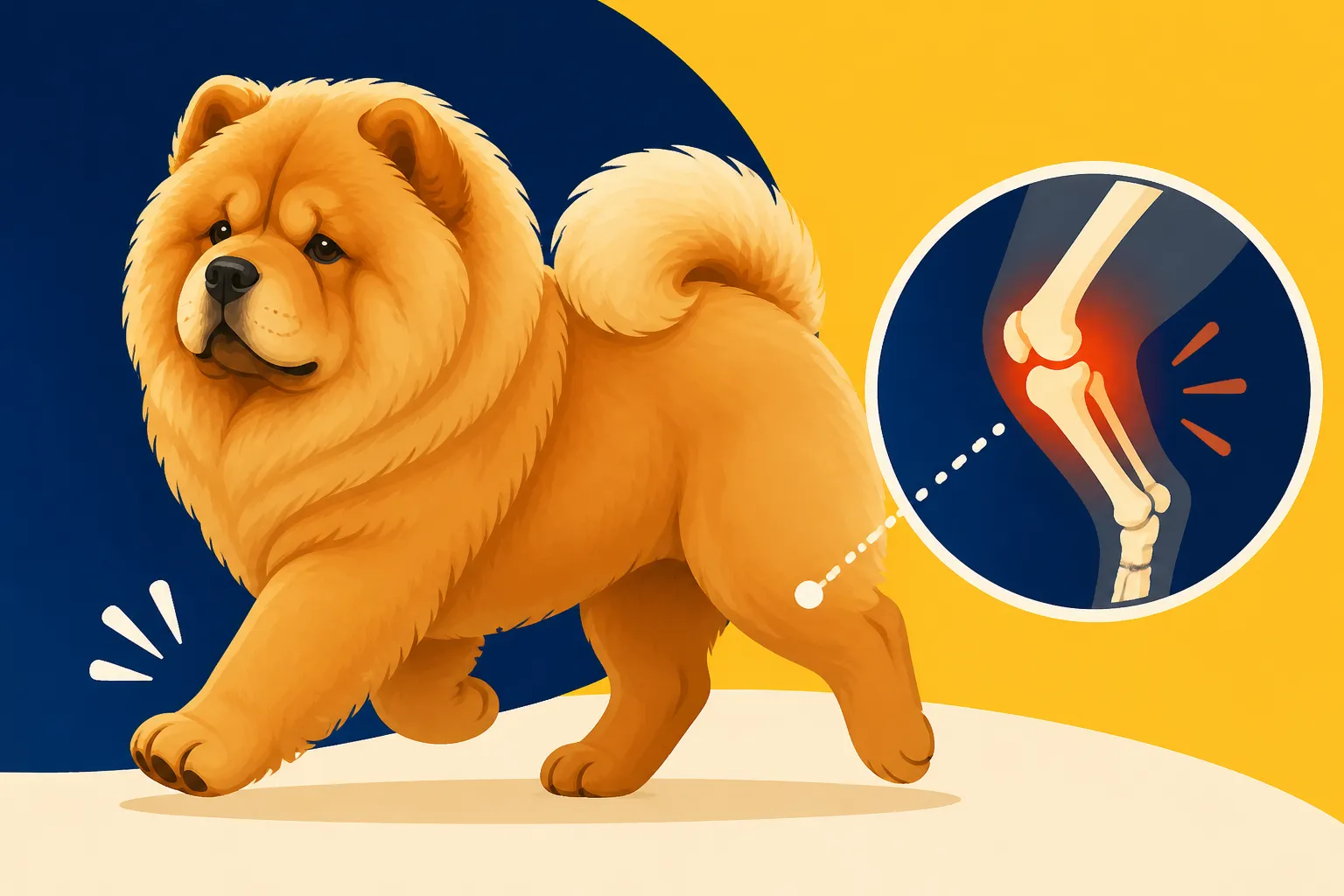
The Chow Chow, however, is a breed known for its "straight rear." This means the bones of the hind leg – the femur, tibia, and fibula – form much straighter angles at the stifle and hock joints than in most other breeds. There's less bend, making the leg appear almost columnar from the side. This anatomical feature is actually a hallmark of the breed standard, intentionally bred for. It's often described as having a "post-like" appearance. If you've ever seen a puppy standing, and their legs seem unusually straight, it might be a hint of this inherent structure developing. This straightness reduces the natural spring and elasticity found in a more angled rear. The Straight Rear Leg No Other Breed Has delves into this in more detail.
Impact on Natural Movement and Stride
Because the Chow Chow's hind legs have less angulation, they don't have the same flexibility or "reach" as dogs with more typical leg structures. When a Chow Chow moves, their hind legs swing forward more like pendulums rather than bending and extending significantly. This results in a shorter, more upright stride. The powerful thrust that comes from deeply bent stifles and hocks simply isn't there to the same degree.
This is what gives them their characteristic "stilted" or "choppy" gait. It can look almost like they're walking on stilts or moving with a slightly bouncy, rigid action, especially when they trot. They don't have the long, sweeping strides you might see in a running dog. This isn't necessarily a sign of pain or injury in a healthy Chow Chow; it's just how they're built to move. It's why they aren't typically seen excelling in agility competitions that require extreme flexibility and speed. It's a functional adaptation to their historical role, perhaps for endurance over long distances, or simply a unique aesthetic preserved over centuries.
How the Stilted Gait Affects Daily Life
While the Chow Chow's stiff gait is a natural and characteristic part of their breed, it undeniably impacts their daily life and capabilities compared to other breeds. It's not just about how they look when they walk; it influences everything from how they play to how much exercise they truly need and how they interact with their environment.
Limited Flexibility and Range of Motion
The straight angulation in a Chow Chow's hindquarters inherently limits the flexibility and range of motion in their joints. Think of it like a hinge that doesn't open as wide. This means certain movements that are effortless for other dogs can be more challenging or even awkward for a Chow Chow. Jumping up onto a couch, navigating stairs, or quickly turning while running might require more effort and appear less graceful. You might notice your Chow Chow taking more deliberate steps when going up or down curbs, or needing a slight boost to get into a car.
This isn't to say they can't do these things, but they might approach them differently. They won't bound with the same exuberance as a Golden Retriever, for instance. Owners often describe their Chow Chows as being more "sedate" or "dignified" in their movements, which is often a direct reflection of this physical limitation rather than just a personality trait. This limited flexibility also means they might not stretch out as much as other dogs, and their play can be less "bouncy" and more grounded.
Exercise Considerations and Limitations
Given their unique gait, it's crucial for Chow Chow owners to understand the appropriate type and amount of exercise their dog needs. While they might not be built for marathons or intense fetch sessions, they absolutely still require regular activity to maintain muscle tone, joint health, and overall well-being. How Much Exercise a Chow Chow Actually Needs is a great resource here.
Short, consistent walks are often ideal. Instead of long, strenuous hikes that could put undue stress on their joints, several shorter outings throughout the day can be more beneficial. Activities that involve too much jumping, sudden stops, or sharp turns should be approached with caution or avoided altogether, as these can exacerbate any underlying joint weaknesses. Swimming can be an excellent low-impact exercise for Chow Chows, allowing them to use their muscles without the concussive forces on their joints, but remember their heavy coats make them less natural swimmers and they require supervision.
It’s also important to be mindful of surfaces. Hard surfaces like concrete can be tougher on their joints than softer ground like grass or dirt trails. When walking on pavement, remember that their stiff gait doesn't absorb shock as well, potentially leading to more wear and tear over time. Always observe your Chow Chow during and after exercise for any signs of discomfort or increased stiffness, which could indicate they've overdone it.
Potential Health Implications of the Stiff Gait
While the "stilted" gait is a breed characteristic, it's vital for Chow Chow owners to recognize that this unique anatomy can also predispose them to certain health concerns, particularly involving their joints. It’s a fine line between a typical Chow Chow movement and a movement caused by pain or disease.
Increased Risk of Joint Issues
The very structure that gives the Chow Chow its signature gait – the straight rear angulation – also means their joints may experience different stresses compared to dogs with more angled limbs. The shock absorption that typically comes from bending joints is lessened, placing more direct impact on cartilage and bone. This can unfortunately contribute to a higher incidence of certain orthopedic conditions.
Hip Dysplasia: This is a common concern in many large breeds, and Chow Chows are no exception. Hip dysplasia occurs when the hip joint develops abnormally, leading to a loose fit between the ball and socket. Over time, this causes wear and tear, pain, and arthritis. The straight rear might not directly cause hip dysplasia, but it can alter the biomechanics of movement in a way that exacerbates the effects of an already dysplastic hip. Owners might notice their Chow Chow favoring a leg, having difficulty rising, or showing reluctance to jump. Hip Dysplasia in a Chow Chow offers more context on this particular issue.
Elbow Dysplasia: Similarly, elbow dysplasia is another prevalent orthopedic issue. This condition encompasses several developmental abnormalities of the elbow joint, resulting in pain and lameness. The way a Chow Chow carries and uses its legs, influenced by its overall structure, can put different pressures on the elbow joints, potentially contributing to or worsening existing elbow abnormalities. What Elbow Dysplasia Does to a Chow Chow provides crucial information on this topic. It's not uncommon for a Chow Chow with elbow issues to show a more pronounced stiff-legged gait in the front as well, or a reluctance to extend their legs fully.
Arthritis: Due to the chronic stress or improper joint mechanics that can arise from their unique structure, Chow Chows can be prone to developing arthritis at a younger age than some other breeds. Arthritis is the inflammation of a joint, typically due to the breakdown of cartilage. In a Chow Chow, this can manifest as increased stiffness, especially after rest, a reduced desire to play, or difficulty performing activities they once enjoyed. The Age a Chow Chow Gets Arthritis is a helpful resource for understanding this condition. Early detection and management are critical to maintaining their quality of life.
Distinguishing Normal Stiffness from Pain
This is perhaps the trickiest part for Chow Chow owners. Because a certain level of "stiffness" is inherent to their breed, how do you know if what you're seeing is normal, or a sign of pain and discomfort? It requires close observation and knowing your dog's baseline.
Signs of Normal Stilted Gait:
- Consistent throughout their life (unless they're a puppy still developing).
- No lameness or favoring of a specific leg.
- Happy to engage in appropriate activities, even if they're not overtly athletic.
- No vocalization (whimpering, growling) during movement or handling.
- No swelling or heat around joints.
Signs of Pain or Discomfort (beyond normal stiffness):
- Change in Gait: A sudden increase in stiffness, or a noticeable limp in one or more legs. If your Chow Chow suddenly seems more stilted than usual, or is bunny-hopping on their hind legs, pay attention. How a Chow Chow Hides Pain is a relevant read here, as they are masters of stoicism.
- Reluctance to Move: Hesitation to jump, climb stairs, or even stand up after resting.
- Difficulty Rising: Taking a long time to get up, perhaps with visible effort.
- Vocalization: Whining, yelping, or growling when touched in certain areas, or during specific movements.
- Behavioral Changes: Increased irritability, less interest in play, or a general withdrawn demeanor.
- Licking or Chewing: Persistent licking or chewing at a particular joint or limb.
- Swelling or Heat: Visible swelling or warmth around a joint.
- Muscle Atrophy: A noticeable decrease in muscle mass on one side compared to the other.
If you observe any of these signs, it's crucial to consult your veterinarian promptly. Early diagnosis and intervention can make a significant difference in managing joint pain and improving your Chow Chow's quality of life. Don't dismiss these changes as just "being a Chow Chow"; they could be indicating a deeper issue that needs attention. Remember, Signs a Chow Chow Puppy's Elbows Hurt can offer guidance if you're concerned about a younger dog.
| Characteristic | Normal Chow Chow Gait | Signs of Pain/Discomfort |
|---|---|---|
| Stride Length | Shorter, upright, deliberate | Shorter, very hesitant, uneven |
| Fluidity | Stiff, stilted, somewhat bouncy | Rigid, restricted, jerky, favoring a limb |
| Activity Level | Happy to walk/play appropriate amounts | Reluctance to move, play, jump, or use stairs |
| After Rest | May be slightly stiff initially, quickly loosens up | Significant difficulty rising, prolonged stiffness |
| Vocalization | None related to movement | Whining, yelping, growling, panting heavily |
| Touch/Handling | Tolerates normal handling | Guards painful areas, flinches, growls |
| Muscle Mass | Evenly developed | Atrophy in affected limb, favoring |
| Overall Demeanor | Engaged, typical Chow Chow aloofness | Withdrawn, irritable, less interested in interaction |
Managing and Supporting a Chow Chow's Mobility
Owning a Chow Chow means embracing their unique characteristics, including their distinctive gait. While their straight rear angulation and stilted walk are part of their charm, proactive management and supportive care are essential to ensure they live a comfortable, mobile life, especially as they age.
Nutrition and Weight Management for Joint Health
One of the most impactful things you can do for your Chow Chow's joint health is to maintain them at a healthy weight. Extra pounds put immense stress on all joints, but especially on those already predisposed to issues due to their structure, like a Chow Chow's. Imagine carrying a backpack filled with bricks all day – that's what even a few extra pounds can feel like to your dog's joints.
Talk to your veterinarian about the ideal weight range for your individual Chow Chow, considering their age, activity level, and body condition. It's often difficult to gauge a Chow Chow's weight under all that fluff! You should be able to feel their ribs easily with slight pressure, and they should have a discernible waist when viewed from above. If you’re struggling to feel those ribs, it’s time to assess their diet. What an Adult Chow Chow Should Weigh provides a good starting point for expectations.
Choose a high-quality dog food formulated for their life stage. For puppies, a large-breed puppy food might be recommended to ensure slow and steady growth, which is crucial for proper joint development. Why a Chow Chow Puppy Should Grow Slowly explains why this is so important. For adults and seniors, a diet rich in omega-3 fatty acids and fortified with joint-supporting ingredients like glucosamine and chondroitin can be beneficial. Many reputable brands, including popular options found on Chewy, offer formulations specifically designed for joint health or senior dogs that might include these supplements. Always check the ingredient list and discuss any dietary changes or supplements with your vet to ensure they are appropriate for your dog.
Gentle Exercise and Enrichment Strategies
As discussed earlier, Chow Chows need exercise, but it needs to be the right kind of exercise. The goal is to build and maintain muscle mass to support their joints without overstressing them.
- Consistent, Moderate Walks: Aim for multiple shorter walks throughout the day rather than one long, grueling trek. Twenty to thirty minutes, two or three times a day, on softer surfaces like grass or dirt trails, can be far more beneficial than an hour on pavement. Pay close attention to the weather; Chow Chows overheat easily, especially with their dense coats.
- Swimming: If your Chow Chow enjoys water, swimming is an excellent non-weight-bearing exercise. It allows them to strengthen muscles without impact. Always ensure they are supervised and wear a doggie life vest, as their heavy coats can make them less buoyant.
- Mental Enrichment: Physical limitations don't mean a lack of need for mental stimulation. Puzzle toys, training sessions that focus on low-impact commands (like "sit" or "stay"), and scent games are wonderful ways to keep their minds sharp and prevent boredom without stressing their joints.
- Stretching and Massage: Gentle, passive range-of-motion exercises or light massage can help maintain flexibility and blood flow, especially for older Chows. Consult with a veterinary physical therapist or your vet for proper techniques.
- Avoid High-Impact Activities: Steer clear of activities involving excessive jumping, competitive agility, or intense, sustained running, particularly on hard surfaces. These can put undue strain on their unique joint structure.
Remember that How a Chow Chow's Gait Wears Its Joints is a crucial piece of information to consider when planning their exercise routine. Adjust activity levels as your Chow Chow ages; Caring for an Old Chow Chow provides excellent guidance on adapting care for senior dogs.
Veterinary Care and Early Intervention
Regular veterinary check-ups are paramount for a Chow Chow, especially considering their predisposition to joint issues. Your vet can monitor their mobility, assess for early signs of arthritis or other orthopedic conditions, and recommend preventive measures.
- Annual Exams: During annual wellness exams, your vet will perform a thorough orthopedic examination, checking joint range of motion and palpating for signs of pain or instability.
- Early Symptom Reporting: Don't hesitate to mention any changes you've observed in your Chow Chow's movement, even subtle ones. A slight limp, a hesitation, or increased stiffness after rest could be an early indicator of a problem.
- Diagnostic Tools: If a joint issue is suspected, your vet may recommend X-rays to assess the hips, elbows, or other joints. These can help confirm diagnoses like hip or elbow dysplasia. What a Chow Chow Breeder Should Have Tested highlights the importance of genetic screening for these conditions in breeding lines, but even with clear parents, issues can arise.
- Treatment Options: Should your Chow Chow develop arthritis or other joint conditions, there's a range of treatment options available. These can include:
- Anti-inflammatory Medications: NSAIDs (Non-Steroidal Anti-Inflammatory Drugs) can help manage pain and inflammation.
- Joint Supplements: Prescription-strength glucosamine, chondroitin, MSM, and omega-3 fatty acids can support cartilage health. Your vet might recommend specific brands or formulations, often available through veterinary clinics or online retailers like Chewy.
- Physical Therapy: Techniques like hydrotherapy, therapeutic exercises, and laser therapy can significantly improve mobility and reduce pain.
- Weight Management: This cannot be stressed enough – it is often the most effective "treatment."
- Surgery: In severe cases of dysplasia or injury, surgical intervention might be an option to improve joint function or alleviate pain.
Proactive veterinary care allows for early intervention, which can slow the progression of joint disease and significantly improve your Chow Chow's comfort and quality of life for many years.
Disclaimer
This article is for general informational purposes only and does not constitute professional advice. Laws, prices and regulations vary by location and change over time. Consult a qualified professional for guidance on your specific situation.