How Many Chow Chows a Tang Emperor Hunted With
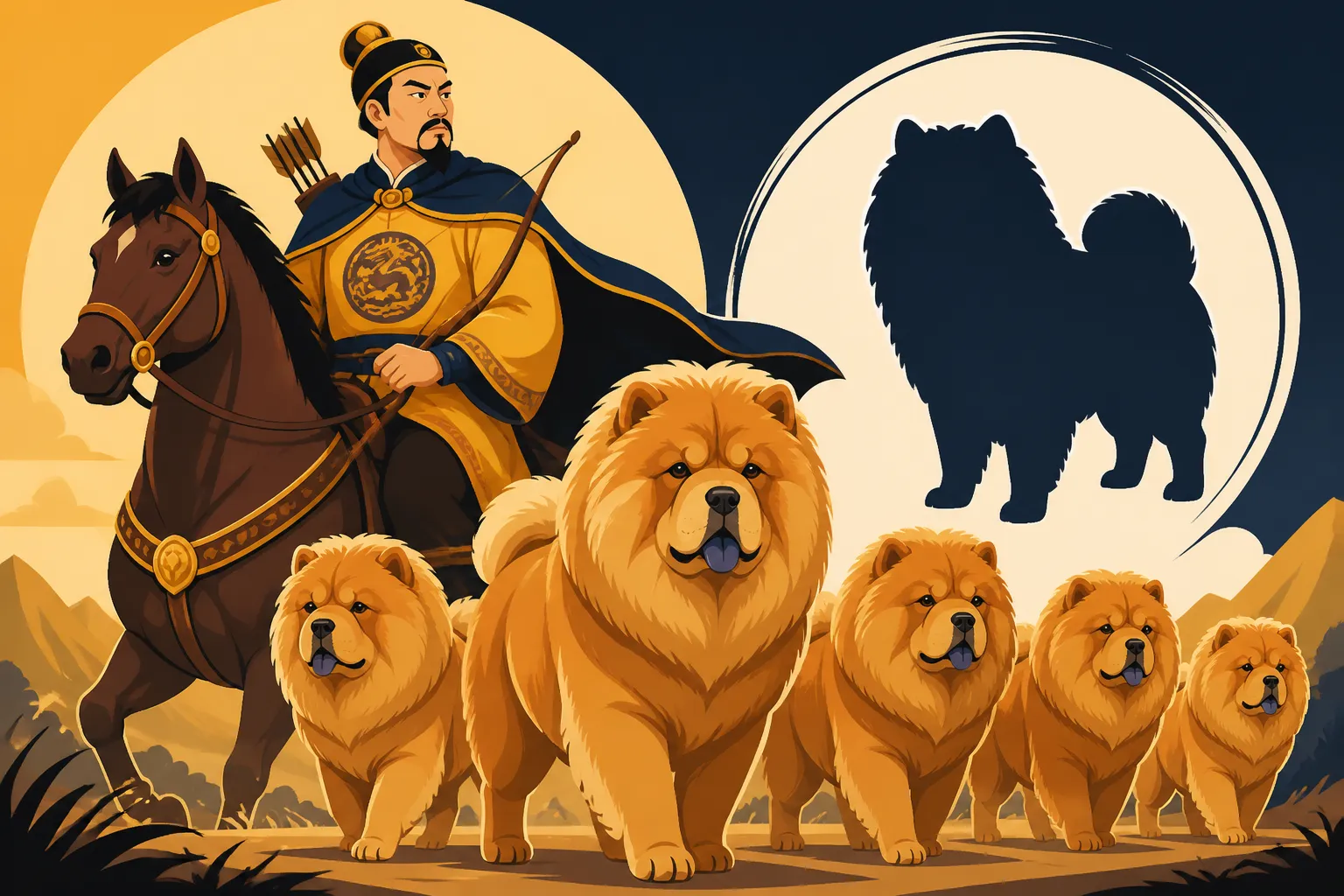
It’s easy to imagine ancient emperors surrounded by a few majestic, lion-like Chow Chows, but the reality of imperial kennels, especially during a powerful era like the Tang Dynasty, was far grander and more complex. If you've ever wondered about the sheer scale of dog ownership among Chinese royalty, you’re hitting on a fascinating historical point that goes beyond simple numbers. This guide will delve into the probable scope of a Tang Emperor's hunting retinue, exploring the diverse roles these incredible dogs played in ancient China and the logistics of maintaining such a vast and valuable canine force.
The Regal Scale of Imperial Kennels in Ancient China
When we talk about an emperor's possessions, we're not talking about a modest collection. We're talking about an entire system designed to project power, wealth, and influence. This extended to their animals, and especially to dogs used for hunting, guarding, and companionship. The idea that an emperor would have just a handful of dogs for hunting, regardless of their prowess, simply doesn't fit the picture of imperial extravagance and logistical capability.
Emperors and Their Vast Animal Collections
Imagine the sheer amount of resources an emperor commanded: vast lands, countless servants, and an endless supply of goods. This wealth wasn't just for palaces and armies; it extended to their hobbies and passions, which often included elaborate hunts. Ancient Chinese emperors were known for their grand animal collections, not just for practical purposes but also as symbols of their dominion and personal prestige. They would maintain extensive aviaries, menageries of exotic beasts, and, of course, kennels filled with highly prized dogs. The larger the collection, the more powerful the emperor was perceived to be. Think of it less as a personal pet owner today and more like a national conservation program combined with a strategic military unit.
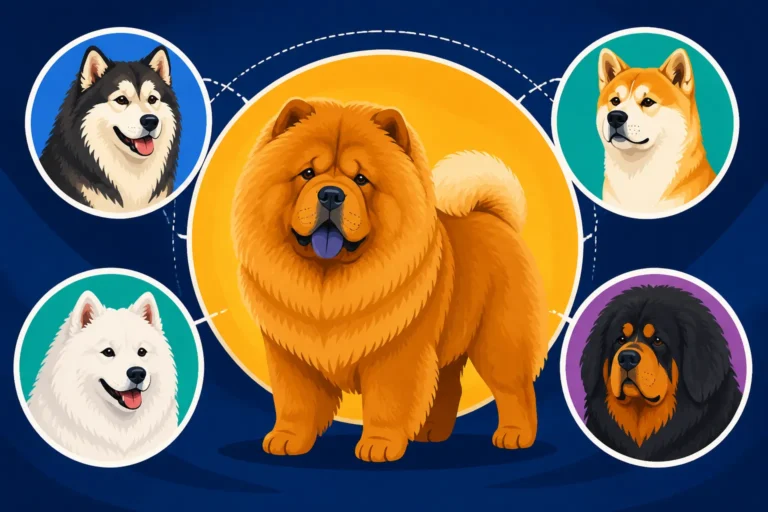
These kennels weren't just a casual backyard setup. They were professionally managed operations with dedicated staff—trainers, handlers, feeders, and even vets (or their ancient equivalents). Each dog had a specific purpose, from guarding the palace grounds to accompanying the emperor on his grand expeditions. While specific records detailing the exact number of Chow Chows in a Tang Emperor's hunting retinue are scarce, the historical context strongly suggests numbers far beyond what a modern individual could conceive. To understand the lineage of such impressive dogs, you might explore The Chow Chow Is One of the Oldest Breeds in the World.
The Unquantifiable Nature of Ancient Imperial Records
One of the biggest frustrations when looking back at ancient history is the lack of precise data that we crave today. We want exact figures, but ancient records often focused on grand narratives, political events, or philosophical texts rather than meticulous animal inventories. While chronicles mention grand hunts and the presence of various dogs, they rarely tally them with the precision we might find in a modern zoo ledger. This means we can't definitively say "Emperor X had exactly 73 Chow Chows for hunting."
Instead, we must infer from the general scale of imperial life and the known historical uses of dogs. What we can confidently assert is that any emperor, especially a powerful Tang ruler, would have had access to, and indeed likely maintained, a substantial number of dogs for various purposes. To keep these animals in prime condition, ancient imperial stewards would have faced challenges similar to those modern pet parents address with online retailers like Chewy – ensuring consistent, quality provisions, just on an incredibly grand scale. The practicalities of managing such a huge undertaking meant vast quantities of food, bedding, and equipment were always in demand.
The Chow Chow's Role in Imperial Hunts and Beyond
The Chow Chow wasn't just a pretty face, even in imperial circles. This ancient breed boasts a long and storied history as a versatile working dog, and its powerful build and keen senses made it a valuable asset in various imperial endeavors, including the hunt.
What Game a Chow Chow Was Used On
Historically, Chow Chows were known to be robust, courageous dogs, capable of handling tough terrain and formidable prey. They were often referred to as "bear dogs" (Songshi Quan, meaning "puffy-lion dog") or "wolf dogs" (Lang Gou), which gives you a hint about the kind of quarry they were expected to face. Imperial hunts were not typically for small game like rabbits; they were elaborate affairs often targeting larger, more dangerous animals that reflected the emperor's bravery and skill.
Think wild boar, deer, and even predators like wolves or bears. A solitary Chow Chow might be formidable, but a pack working together would be truly effective in cornering or bringing down such animals. This would require not just individual prowess but coordination, implying significant training and numbers. Imagine a coordinated group of these powerful, lion-maned dogs, their deep-set eyes scanning the dense forests as they tracked game. For more on their historical hunting activities, check out What a Chow Chow Hunted in China. The strength and endurance required for such tasks mean that only healthy, well-fed dogs could participate, much like today’s working dogs thrive on a balanced diet you might easily find through Chewy.
Guarding and Status: The Multifaceted Imperial Dog
While hunting was a significant role, it wasn't the only role for Chow Chows in the imperial court. These dogs were also formidable guardians. Their naturally aloof and watchful temperament made them excellent protectors of palaces, temples, and even individual noblemen. An emperor's safety was paramount, and a retinue of watchful, intimidating dogs would have been a natural addition to his security detail.
Furthermore, Chow Chows were symbols of status and wealth. Their unique appearance – the dense double coat, the lion-like mane, and the distinctive blue-black tongue – made them stand out. Owning many of these exotic and powerful dogs was a clear display of imperial power and luxury. What the Chow Chow Did for a Chinese Emperor delves deeper into these varied roles, highlighting that an emperor's investment in Chow Chows extended far beyond the hunting grounds. They were truly integrated into the imperial lifestyle, serving multiple critical functions.
Imagining the Numbers: How Many Might Have Been Present
Given the constraints of historical records, pinpointing an exact number of Chow Chows for a Tang Emperor's hunting party is an exercise in informed estimation rather than factual recall. However, we can build a strong picture based on analogous historical accounts and the known scale of imperial endeavors.
Comparing with Other Historical Accounts of Royal Kennels
While Tang Dynasty records might not give us a precise count, looking at other historical contexts can offer clues. European monarchs, for instance, often maintained kennels housing hundreds, sometimes even thousands, of hounds and hunting dogs. These weren't just for a single hunting trip; they were part of a standing force, ready for various excursions throughout the year. It's not unreasonable to assume a similar, if not grander, scale for a powerful Chinese emperor. The logistical infrastructure to support such numbers—food, housing, staff—would have been immense. For an emperor, these animals were living tools and symbols of immense value.
Consider the preparation for a major imperial hunt, which could involve hundreds of participants, from nobility to beaters and guards. Such an event would require not just human resources but a substantial number of hunting dogs to be effective across vast landscapes. It's less about a single "hunting party" in the modern sense and more about a dedicated force deployed for a massive undertaking. The question Whether a Chinese Emperor Kept Thousands of Chow Chows suggests that such numbers weren't out of the realm of historical possibility for imperial households.
The Dynamics of a Multi-Breed Hunting Retinue
It's also important to remember that a Tang Emperor's hunting retinue likely wasn't exclusively Chow Chows. While Chow Chows were prized, emperors would likely employ a variety of breeds, each suited for different tasks. There might be swift sighthounds for chasing antelope, scent hounds for tracking, and larger, more powerful dogs like the Chow Chow for confronting dangerous prey. A diverse pack would offer maximum versatility and effectiveness. So, while Chow Chows would certainly be present in significant numbers due to their power and versatility, they would be part of a larger, carefully selected, multi-breed canine force.
Think of it like a specialized military unit where different types of soldiers perform different functions. The Chow Chow might be the heavy infantry, while others were scouts or skirmishers. This level of specialization suggests that the total number of hunting dogs would be very high, and Chow Chows would constitute a respectable portion of that, likely dozens, if not more, for a single grand hunt, and certainly hundreds maintained within the broader imperial kennels. The daily feeding of such a diverse and large population of dogs would be a monumental task, requiring strategic procurement, similar to how modern shelters might rely on bulk pet food suppliers or frequent deliveries from platforms like Chewy to keep their residents healthy and nourished.
The Practicalities of Maintaining an Imperial Dog Force
Beyond the numbers and roles, it's fascinating to consider the sheer practical effort involved in keeping so many powerful dogs in an ancient setting. This wasn't just about throwing food down; it was a complex operation.
Feeding and Housing a Large Kennel
Imagine the daily food requirements for dozens, or even hundreds, of large, active dogs. In ancient China, this would mean a constant supply of meat, grains, and other nutrients, all sourced, prepared, and distributed by hand. There would be dedicated kitchens and staff whose sole purpose was to feed the imperial dogs. How Far Back the Chow Chow Is Recorded in China shows us that this breed has been part of human civilization for a very long time, meaning their care practices evolved over millennia.
Housing would also be extensive, requiring large, well-maintained kennels with adequate shelter, space for exercise, and protection from the elements. These facilities would need constant cleaning and upkeep, a massive undertaking for a working kennel. The expense and labor involved speak volumes about the value placed on these animals. Even today, feeding a single Chow Chow requires careful consideration of their diet and often relies on reputable sources for quality food, such as those found on Chewy.
Training and Veterinary Care in Ancient Times
Training an individual Chow Chow can be a unique experience; they are intelligent but known for their independent streak. Now imagine training dozens or hundreds for coordinated hunting and guarding duties. This would necessitate a large, skilled team of trainers, utilizing methods relevant to the time – likely based on consistent routine, reward, and firm leadership. A Chow Chow Trains by Agreement, Not Obedience offers insight into their specific temperament, which even ancient trainers would have had to understand.
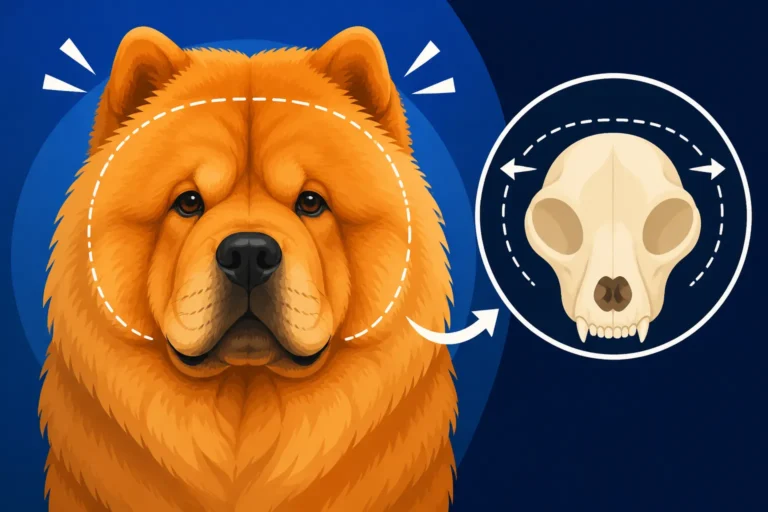
Veterinary care, while not as advanced as today, was still practiced. Imperial kennels would have had individuals with knowledge of animal health, herbal remedies, and basic surgical procedures to keep their valuable dogs in fighting condition. Preventing the spread of disease within such a large population would have been a constant challenge, making sanitation and individual care paramount. Understanding a Chow Chow's unique physical traits, such as What a Chow Chow Weighs and How Tall It Stands, would be crucial for ancient care providers in assessing their health and stamina for the demanding life they led. The deep-set eyes, which can limit vision as discussed in Why a Chow Chow's Deep Set Eyes Limit What It Sees, might have even been a factor for ancient caregivers.
In essence, while we may never know the exact number of Chow Chows a Tang Emperor hunted with, it's clear that it was a significant figure, supported by an immense logistical infrastructure and a deep appreciation for the breed's capabilities and symbolic power. Their presence was a testament to the emperor's grandeur, and their effective deployment in hunting and guarding was a reflection of well-organized imperial resources.
Disclaimer
This article is for general informational purposes only and does not constitute professional advice. Laws, prices and regulations vary by location and change over time. Consult a qualified professional for guidance on your specific situation.