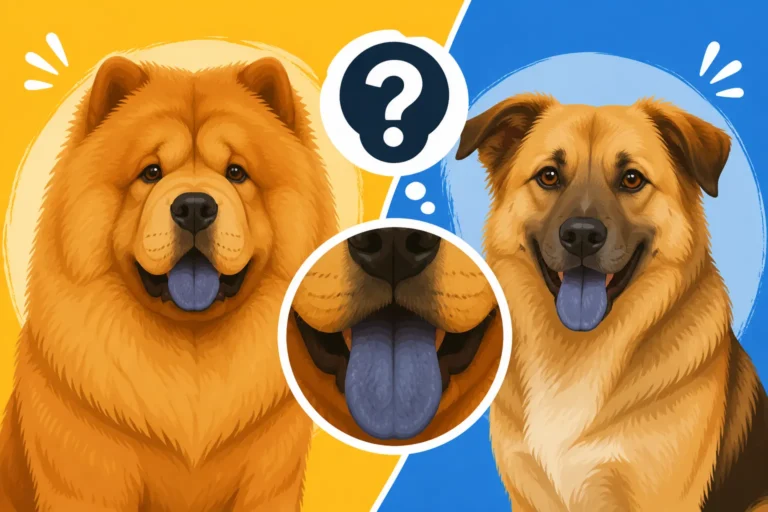
Whether a Chow Chow’s Bite Should Be Level
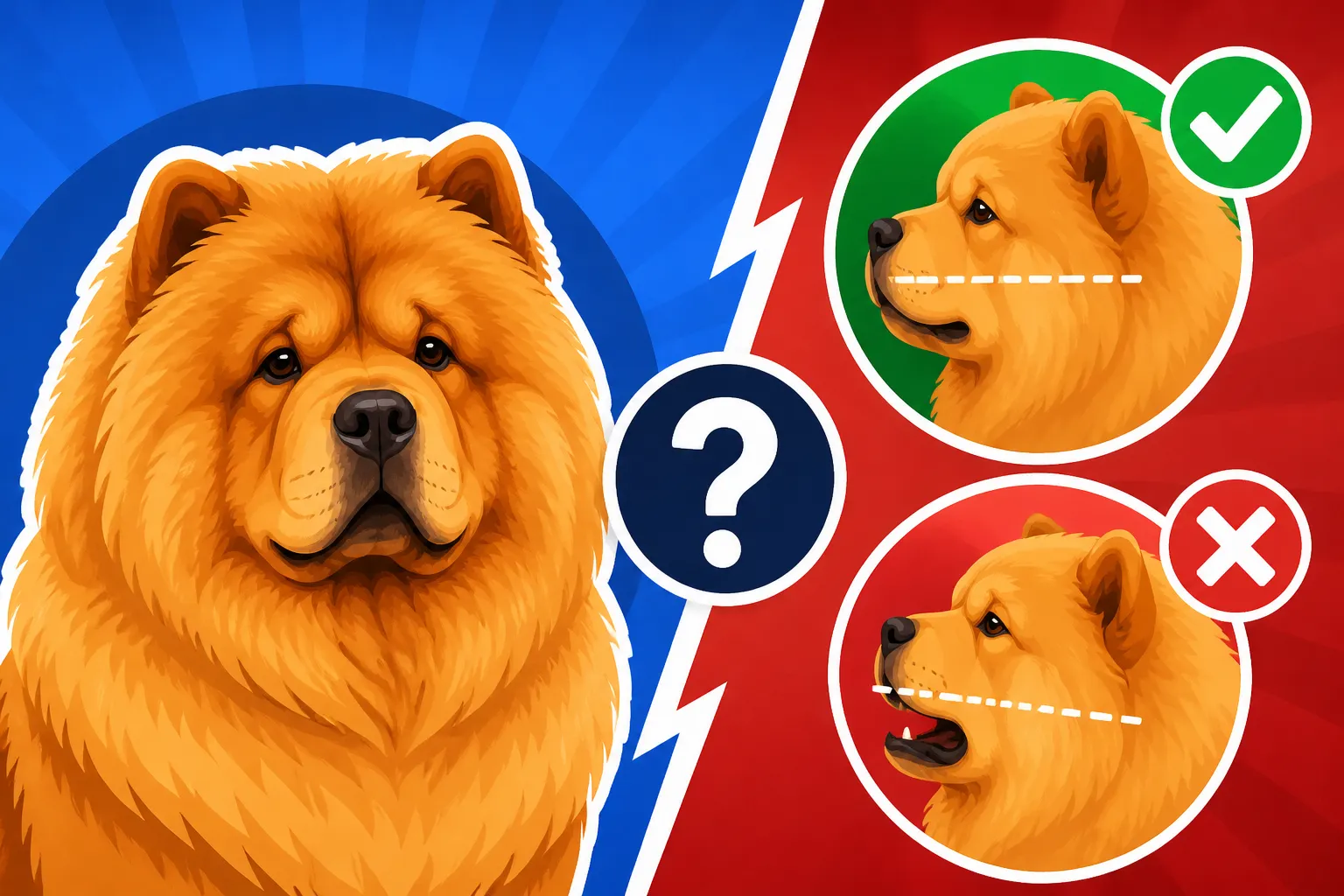
A Chow Chow’s bite is not ideally level in the edge-to-edge sense. The breed’s standard calls for a scissors bite, where the upper incisors overlap the lower incisors closely. That distinction can be confusing when you’re looking at a puppy’s teeth or hearing different terms from a breeder, groomer, or veterinarian. Here’s how to tell the difference and when a bite needs professional attention.
What bite is correct for a Chow Chow
A Chow Chow should have a scissors bite
In a scissors bite, the upper front teeth sit just in front of and overlap the lower front teeth when the mouth is closed. The teeth should meet neatly rather than collide awkwardly or leave a noticeable gap. This is the bite called for in the American breed standard for Chow Chows.
A level bite is different: the upper and lower incisors meet edge to edge, with neither row clearly overlapping the other. So if someone says a Chow Chow’s bite should be “level,” they may be using the term casually to mean that the teeth look even or aligned. In formal bite terminology, however, a level bite is not the same as the Chow Chow’s specified scissors bite.
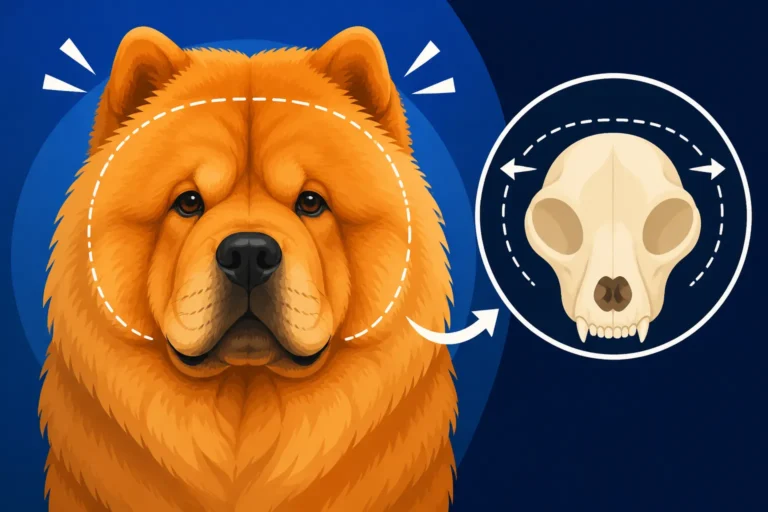
The breed’s head shape can make it harder to judge the bite at a glance. A broad skull and heavy-looking muzzle may draw your attention away from the front teeth, especially when the dog is moving or keeping its mouth closed. Looking at the teeth gently, in good light, is more useful than judging from the outline of the face. For more on the breed’s head shape, see What Gives a Chow Chow Its Broad Skull.
What the bite terms mean
These terms describe how the front teeth meet when the jaws close. They are not a complete assessment of dental health, and they don’t tell you by themselves whether a dog can chew comfortably.
| Bite type | How the front teeth meet | What it means for a Chow Chow |
|---|---|---|
| Scissors bite | Upper incisors overlap the lower incisors closely | The bite specified by the American breed standard |
| Level bite | Upper and lower incisors meet edge to edge | Different from a scissors bite |
| Overbite | Upper incisors extend noticeably farther over the lower incisors | May need veterinary assessment, especially if teeth contact soft tissue |
| Underbite | Lower incisors extend in front of the upper incisors | Not the specified scissors bite; significance depends on the dog’s mouth and comfort |
People sometimes use “overbite” loosely to describe any overlap, including the normal, close overlap of a scissors bite. The label alone can therefore be misleading. What matters is the actual position of the teeth, whether they contact the gums or roof of the mouth, and whether the dog eats and behaves comfortably.
A show standard is not the same as a medical diagnosis
Breed standards describe the desired appearance and structure of a breed for conformation judging. They do not replace a veterinary dental examination. A dog can have a bite that differs from the show standard without having pain or a medical problem, while a dog with an apparently ordinary bite can still have a painful tooth, gum disease, or another issue that needs attention.
If you’re considering a puppy for showing or breeding, ask the breeder how the puppy’s bite was assessed and whether it has changed as the adult teeth came in. If you’re choosing a companion, comfort, function, and health matter more than trying to assess a puppy’s show prospects yourself. A veterinary professional can explain whether the teeth are meeting safely and whether follow-up is needed.
How a Chow Chow’s bite develops
Puppy teeth and adult teeth don’t arrive all at once
Puppies start with deciduous, or baby, teeth. As they grow, those teeth are replaced by permanent teeth, and the bite can look different during the transition. A puppy’s mouth is small, the jaws are still developing, and the teeth may not appear perfectly settled at every stage.
That can make a single early observation unreliable. For example, an owner may notice that the front teeth seem edge to edge one week, then see a different relationship as more adult teeth erupt. Rather than repeatedly opening the puppy’s mouth to check, mention what you have noticed at a routine veterinary visit. Your vet can assess the bite in the context of the puppy’s age and dental development.
The total number and arrangement of teeth are also part of a broader dental picture. If you’re curious about normal dentition, How Many Teeth a Chow Chow Should Have and Whether a Chow Chow Should Have Forty Four Teeth cover related questions. A tooth count alone, though, won’t tell you whether the bite is comfortable or correctly aligned.
Why the bite can look different from one dog to another
A dog’s jaw shape, tooth position, and stage of development all affect how the bite appears. Some differences are subtle and have no practical impact on eating. Other differences can cause a tooth to press into the gum, palate, or lip, which may lead to soreness or tissue injury.
A Chow Chow’s face can make visual judgment especially tricky. The breed’s expression and facial structure are distinctive, but the scowl-like appearance is not a reliable way to assess the teeth. If you’re trying to understand how the breed’s facial features fit together, What Gives a Chow Chow Its Scowl offers context on that characteristic expression.
Also, don’t assume that a dog’s size tells you what its bite should look like. A larger or smaller Chow Chow still needs an individual dental assessment. What a Chow Chow Weighs and How Tall It Stands explains the breed’s general proportions, but weight and height do not determine whether a particular dog’s teeth meet properly.
When to bring up a puppy’s bite
Bring up a bite concern at a regular veterinary check, or sooner if the puppy seems uncomfortable. It helps to describe exactly what you see: for example, “the lower front teeth seem to touch the roof of the mouth,” rather than relying only on a label such as “overbite.” If you can safely take a clear photo without forcing the mouth open, that may help you explain what caught your attention.
A breeder may be able to share observations about the puppy’s parents or littermates, but that does not substitute for an examination. Ask what they mean if they describe a bite as “level,” “correct,” or “still developing.” Clear wording matters because two people may use the same term differently.
Do not try to push teeth into position, use a homemade appliance, or repeatedly manipulate the jaws. Teeth and gums are delicate, and an attempt to correct the bite without veterinary direction could cause pain or injury. The appropriate next step depends on the dog’s age, the specific tooth positions, and whether there is harmful contact.
Signs a bite may need veterinary attention
Watch for signs of pain or trouble eating
A dog with a dental problem may show small changes rather than an obvious refusal to eat. Pay attention if your Chow Chow chews on one side, drops food, takes longer than usual to finish a meal, avoids firm treats, or backs away when its muzzle is touched. Some dogs continue eating despite discomfort, so a normal appetite does not rule out a problem.
Other clues can include pawing at the mouth, unusual drooling, bad breath, bleeding from the gums, or reluctance to have the face handled. A tooth that appears to rub the gum or roof of the mouth deserves attention, even if the dog is still eating. Don’t wait for a visible wound to become severe before asking your vet.
These signs do not prove the bite is the cause. A cracked tooth, inflammation, an object caught in the mouth, or another dental issue can look similar from the outside. A veterinary examination is the way to identify what is actually happening.
Contact a veterinarian promptly for injury or sudden change
If you see bleeding, swelling, a damaged tooth, a wound in the mouth, or a sudden change in how your dog closes its jaw, contact your veterinarian for advice. A sudden problem is different from a mild, longstanding variation in tooth alignment. If the dog cannot eat or drink normally, seems significantly painful, or has facial swelling, seek veterinary care promptly.
When you call, explain when the problem started and what has changed. Mention whether the dog can eat and drink, whether there is blood or swelling, and whether the bite has always looked this way. These details help the clinic decide how quickly the dog should be seen.
Avoid giving human pain medication unless a veterinarian specifically directs you to. Some common human medicines can be dangerous for dogs, and treating pain at home may delay diagnosis of an injury or infection.
How a veterinarian assesses the mouth
A veterinarian will look at the teeth, gums, and soft tissues and consider how the jaws come together. Depending on what they find, they may recommend monitoring, treatment, or a more detailed dental assessment. If a tooth is injuring tissue or making eating painful, the plan will focus on your dog’s comfort and oral health—not just on whether the bite matches a show description.
It can be useful to ask three direct questions: Are the teeth contacting the gums or palate? Is the bite affecting eating or causing pain? Should it be checked again as the dog grows? Those questions keep the conversation centered on function and welfare, even if the original concern came from a breeder or show standard.
If you need supplies for routine home dental care, ask your veterinarian which approach suits your dog. Chewy is one place owners may look for dog-formulated toothpaste and toothbrushes, but shopping for dental products is not a substitute for having a painful or abnormal bite examined. For a young dog that is wary of mouth handling, introduce brushing gradually and stop if the dog shows distress.
Caring for your Chow Chow’s teeth at home
Make mouth checks brief and low-pressure
Start by letting your dog get comfortable with your hand near the muzzle before trying to lift a lip. Keep the first attempts short, calm, and paired with something your dog enjoys. You don’t need to pry the mouth open or inspect every tooth in detail during a home check.
For example, you might touch the side of the muzzle briefly, reward the dog, and end the interaction. On another day, lift one lip for a moment, reward, and stop. If your Chow Chow pulls away, stiffens, growls, or turns its head, give it space rather than holding it still. Repeated, forceful checks can make future handling harder and may put both you and the dog at risk.
Routine brushing can help with dental hygiene, but it should be introduced as a separate, gradual skill. Use toothpaste made for dogs, never ordinary human toothpaste. Chewy may be useful for finding basic brushing supplies; choose products that are appropriate for dogs and ask your veterinary team if you’re unsure what to use. Chewy can also be a convenient source for replacing a worn dog toothbrush, though the brushing routine should stay gentle and positive.
Don’t use chew items to “fix” the bite
Chews and toys do not move teeth into the correct position in a safe, predictable way. Avoid trying to reshape the bite with hard objects, improvised devices, or pressure. Very hard chews can also damage teeth, so ask your vet what types are suitable for your dog’s age and chewing style.
If your Chow Chow has a bite that differs from the breed standard but eats comfortably and has no tissue injury, your veterinarian may simply advise routine monitoring. If there is pain or harmful tooth contact, the vet can discuss appropriate options. The right answer is specific to the dog; there is no reliable home method for correcting jaw or tooth alignment.
Keep the main distinction in mind: a Chow Chow’s specified bite is scissors, not level. But a label by itself does not tell you whether a dog is healthy. Look at comfort and function, and have your veterinarian assess any concern about pain, injury, or difficulty eating.
Disclaimer
This article is for general informational purposes only and does not constitute professional advice. Laws, prices and regulations vary by location and change over time. Consult a qualified professional for guidance on your specific situation.