What a Cinnamon Chow Chow Looks Like
A cinnamon Chow Chow can look pale cream in one light and deep reddish-brown in another, which makes the color surprisingly hard to identify from photos alone. This guide explains what cinnamon means, how its shades and coat types vary, what a puppy’s coat may do as it matures, and how to tell color variation from a possible skin or coat problem.
What a Cinnamon Chow Chow Looks Like
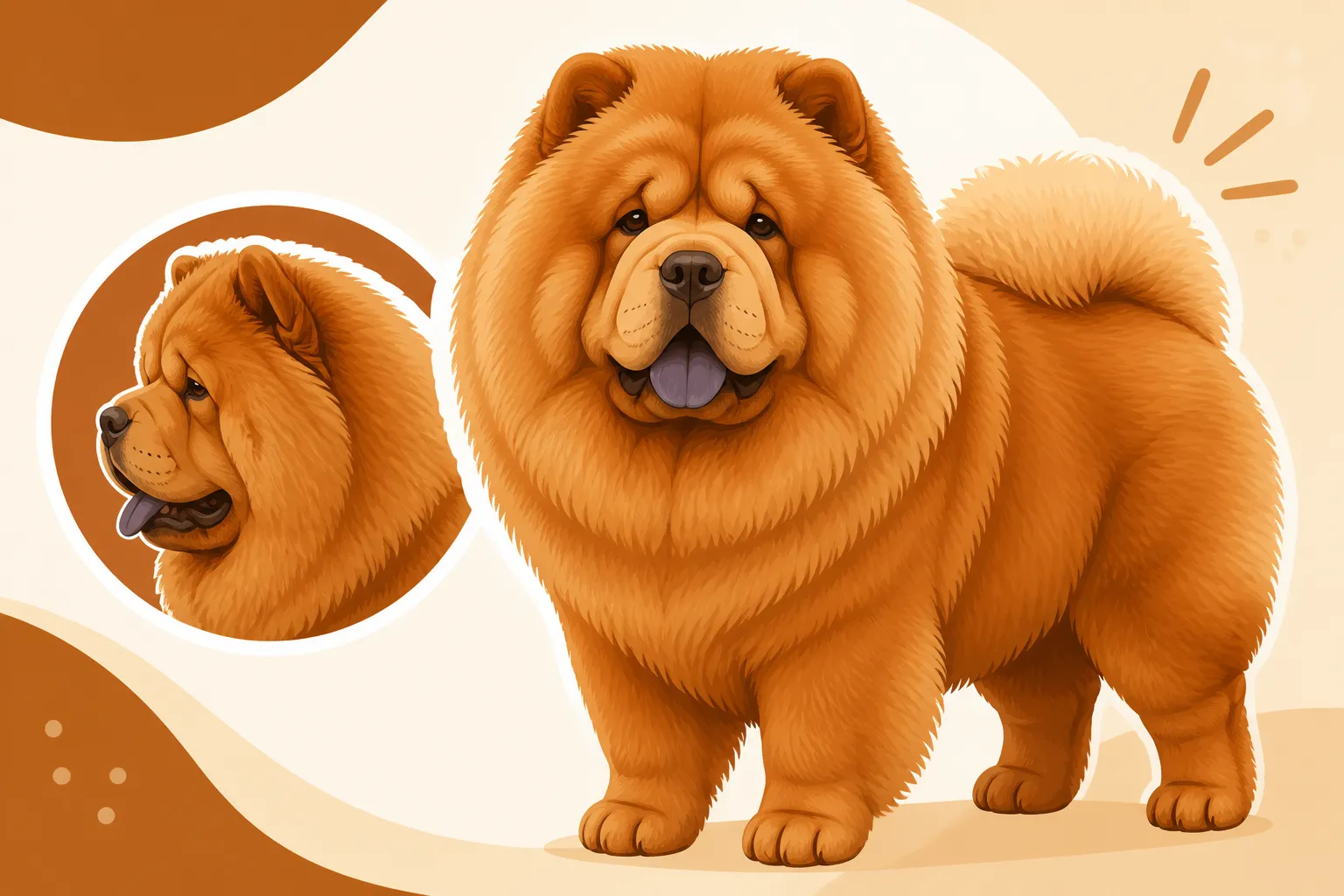
The cinnamon color can range from pale fawn to warm brown
Cinnamon is one of the recognized Chow Chow coat colors. It is often called fawn, and it does not mean every dog will be the same rich, spice-brown shade. One cinnamon Chow may have a light, sandy or beige coat, while another looks warmer and deeper, with reddish or brownish tones. Some coats can appear muted or grayish in certain light.
That range is why two cinnamon dogs may look quite different even when both are correctly described as cinnamon. Indoor lighting, sunlight, the direction of the coat, and whether the undercoat is showing can all change the impression. A coat that looks dark and warm in a shaded room may look softer and lighter outdoors.
The breed’s accepted colors are red, black, blue, cinnamon, and cream. These names describe broad color families rather than a single exact shade. For a wider look at the palette, see Five Colors and Nothing Else: the Chow Chow Palette and Which Colors a Chow Chow Comes In.
Shading does not always mean the dog is a different color
A cinnamon Chow Chow may have lighter or darker areas without being a mix of colors. The ruff, tail, britches, and underside can look different from the coat on the shoulders or back. The long coat may also create shadows and highlights as it separates, making some patches seem darker than they are.
Photos can exaggerate this effect. A dog photographed in strong sunlight may look pale around the edges of the coat, while the same dog photographed indoors can appear much darker. Wet fur, a recent bath, or a coat that is not fully dried can also change how the color reads.
A useful way to assess the coat is to look at the dog in natural, indirect daylight and view more than one area. Check the body, ruff, legs, and tail rather than relying on a close-up of the face. If you are comparing a puppy with a parent, keep in mind that coat texture and shade can change as the puppy matures.
Cinnamon is not the same as blue, cream, or red
Cinnamon can be confused with other Chow Chow colors, particularly when the coat is pale or photographed under warm lighting. Cream is usually lighter and more ivory or pale gold in appearance. Red tends to have a richer, deeper red tone, while blue is a distinct gray color family. Cinnamon sits in the fawn-to-brown range, though individual dogs can fall near the edges of those visual categories.
Color names can also be used loosely in casual conversations and online listings. A seller may use “brown” as a broad description, but that does not necessarily tell you whether the dog is formally described as cinnamon. If a particular color label matters to you, ask the breeder or rescue for the dog’s recorded color and look at clear photos taken in ordinary daylight.
A Chow Chow’s coat color does not determine the color of its tongue. The breed is known for a blue-black tongue, and that characteristic is separate from whether the coat is cinnamon, red, cream, black, or blue. You can read more in Why a Chow Chow's Tongue Is Not Pink.
Coat Type, Markings, and Overall Appearance
Rough and smooth cinnamon Chow Chows
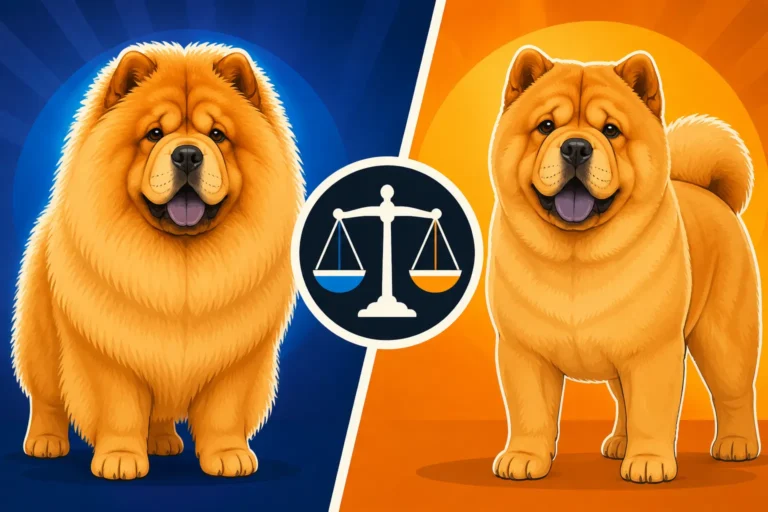
Cinnamon Chow Chows can have either a rough coat or a smooth coat. The rough coat is the familiar plush, full-coated look, with a noticeable ruff around the neck and more feathering on the legs and tail. The smooth coat lies closer to the body and appears shorter, though it still has a dense coat rather than the sleek, close coat of a short-haired breed.
The coat type changes the dog’s silhouette, but it does not change the color category. A cinnamon rough coat may look especially varied because the longer coat catches shadows and has more feathering. A smooth cinnamon Chow can look more evenly colored at a glance because the coat lies closer to the body.
Neither coat type is automatically cinnamon, red, or any other color. Coat and color are separate traits. To compare the two coat styles, see How a Rough Chow Chow Differs From a Smooth and What a Smooth Chow Chow Looks Like.
| Feature | Cinnamon rough coat | Cinnamon smooth coat |
|---|---|---|
| Overall outline | Fuller, with a visible ruff and feathering | Closer to the body with a more compact outline |
| How color may appear | Shading and highlights can be more noticeable in longer fur | Color can look more even, though lighting still changes its appearance |
| Common coat-care focus | Regular brushing through the dense coat and feathering | Routine brushing to manage shedding and keep the coat clean |
| Color category | Cinnamon or fawn range | Cinnamon or fawn range |
A cinnamon Chow Chow still needs care suited to a dense double coat. Long hair can hide tangles close to the skin, so brushing only the visible surface may leave mats underneath. Owners comparing grooming tools can use a retailer such as Chewy to look at basic items like combs and brushes, but the right tool depends on the individual dog’s coat and tolerance for grooming.
The coat should not be judged by color alone
A healthy-looking coat is more than an attractive shade. Look for clean, well-kept fur, skin that is not persistently irritated, and a dog that is comfortable when touched and groomed. Because the coat is thick, it can hide dry skin, tangles, or small areas of irritation until you part the hair and inspect the skin underneath.
Color changes that occur gradually as a puppy grows are different from sudden coat loss or a new patch of discolored skin. If the dog is scratching frequently, has bald areas, develops sores, or seems uncomfortable, a veterinarian can help determine whether the issue is related to skin health rather than ordinary color variation.
For routine upkeep, owners often find it helpful to keep a small set of grooming supplies in one place. Chewy is one place to compare general grooming items, but a groomer familiar with dense double coats can advise on what is appropriate for a particular dog. Avoid choosing a tool just because it is marketed for a specific coat color; cinnamon fur does not require a special color-specific brush.
How a Cinnamon Chow Chow Puppy’s Coat Can Change
Puppy coats can look different from adult coats
A cinnamon puppy’s early coat may not give a perfect preview of the adult dog’s final shade. As the puppy grows, the coat texture changes and the color may appear lighter, darker, warmer, or more muted. The longer adult coat can also create shading that was not obvious in the shorter puppy coat.
This change can be confusing if you chose a puppy based on a single photo. A young puppy photographed with soft lighting may look pale, while the coat on its back or ears seems darker. As the coat develops, the overall impression can shift. That does not automatically mean the puppy was mislabeled, but it is sensible to ask for information about the parents and the breeder’s color description.
A Chow Chow’s coat may also go through uneven-looking stages as it matures. The puppy coat and adult coat do not always change in a perfectly uniform way, and the coat can look less plush during a transition. For more on this process, see When a Chow Chow's Puppy Coat Changes and How Long a Chow Chow's Coat Change Takes.
Shade changes are not the same as coat damage
Gradual changes in how the color looks can be part of normal coat development. However, a sudden change accompanied by thinning, broken hairs, redness, odor, or persistent scratching deserves attention. The distinction matters because people sometimes assume every change in a Chow Chow’s coat is simply “the color coming in,” even when the skin may need care.
If you are comparing photos, try to use images taken in similar lighting and from similar angles. A flash can make the coat appear washed out, while warm indoor bulbs can add a reddish cast. The dog’s coat condition also matters: packed undercoat can make the surface look dull or uneven, and a freshly brushed coat may look brighter and more defined.
If you are buying or adopting a puppy, ask what the color is recorded as and whether the adult dogs in the family are available to see. A breeder or rescue may not be able to predict the precise final shade, but they can usually explain the dog’s current coat and known family colors. A broader discussion of color standards is available in Which Five Colors the Chow Chow Standard Accepts.
Choosing and Caring for a Cinnamon Chow Chow
Ask practical questions about coat and health
A cinnamon coat is an appearance trait, not a promise about temperament, health, or grooming needs. When meeting a puppy or adult dog, focus on the whole animal: how it moves, how it responds to people, whether it appears comfortable being handled, and what information is available about its health and care history.
For a puppy, ask about the parents, early socialization, routine veterinary care, and the coat type the breeder believes the puppy has. If you are choosing an adult dog, ask how it handles brushing, bathing, nail care, and visits to the veterinarian. Those details will matter much more in everyday life than whether the coat looks more beige or more brown in a photograph.
It is also useful to understand the breed’s general size and structure before bringing one home. See What a Chow Chow Weighs and How Tall It Stands for context, and remember that a heavy coat can make a dog look larger than its body actually is. The coat should not be used as the only clue when assessing body condition.
Build a manageable grooming routine
Regular, calm grooming helps keep a Chow Chow’s coat comfortable and makes it easier to notice skin changes. Start with short sessions, especially if the dog is young or unsure about being handled. Work in small sections, part the fur so you can reach the undercoat, and pause if the dog becomes tense. Forcing a long session can make future brushing harder.
Keep an eye on areas where friction and dense fur can encourage tangles, including behind the ears, under the collar, around the legs, and near the tail. A comb can help reveal tangles that a brush passes over. If a mat is tight against the skin, do not tug hard; a professional groomer can advise whether it can be safely loosened or needs careful removal.
A few carefully chosen supplies are usually more useful than a drawer full of tools. Chewy can be a convenient place to compare grooming basics, while a local groomer can demonstrate safe handling and brushing for the dog’s specific coat. Choose products for the dog’s coat condition and needs, not because they claim to enhance cinnamon coloring. For more on common shade variation as a dog matures, see Whether a Chow Chow's Coat Darkens With Age.
Cinnamon Chow Chows can be pale, warm, deep, or softly shaded, and the rough or smooth coat changes how that color is seen. If the coat is healthy and the dog is comfortable, variation in shade is usually best understood as part of the breed’s natural appearance—not as a reason to chase one exact color in every photo.
Disclaimer
This article is for general informational purposes only and does not constitute professional advice. Laws, prices and regulations vary by location and change over time. Consult a qualified professional for guidance on your specific situation.