Signs a Chow Chow Has an Autoimmune Skin Disease
It’s truly disheartening when you start noticing something just isn’t right with your beloved Chow Chow’s skin. You brush their magnificent coat, and beneath all that fluff, you find angry red patches, crusts, or even painful-looking sores. It’s easy to dismiss it as a common allergy or a simple hotspot, but for some Chow Chows, these seemingly minor irritations can be the frustrating early signs of an autoimmune skin disease. This guide is here to help you recognize those crucial indicators, understand what they mean, and empower you to seek the right care for your furry friend.
Understanding Autoimmune Skin Disease in Chow Chows
Discovering that your Chow Chow might have an autoimmune disease can be a scary moment. You probably have a million questions swirling in your head, wondering what exactly it means for their health and their future. It's a complex topic, but understanding the basics is the first step toward managing it effectively.
What Happens When the Immune System Attacks Itself
Normally, your dog's immune system is a vigilant guardian, constantly scanning for foreign invaders like bacteria, viruses, and parasites. It's a finely tuned defense mechanism designed to protect the body. However, in the case of an autoimmune disease, something goes awry. The immune system, for reasons not fully understood, mistakenly identifies parts of its own body as foreign threats and launches an attack against them. It essentially turns on itself.
In Chow Chows, this misguided attack can often target the skin. Imagine your body's own defense system deciding that the glue holding your skin cells together is an enemy. That's essentially what happens in many autoimmune skin conditions. This internal conflict leads to inflammation, damage, and the visible symptoms you might be observing. Genetics play a significant role in this predisposition, making certain breeds, including Chow Chows, more susceptible. It's a devastating twist of biology, making the very system meant to protect them the source of their discomfort. This can be a lifelong battle for your Chow Chow, much like dealing with other chronic conditions such as Autoimmune Disease in a Chow Chow.
Common Autoimmune Skin Conditions
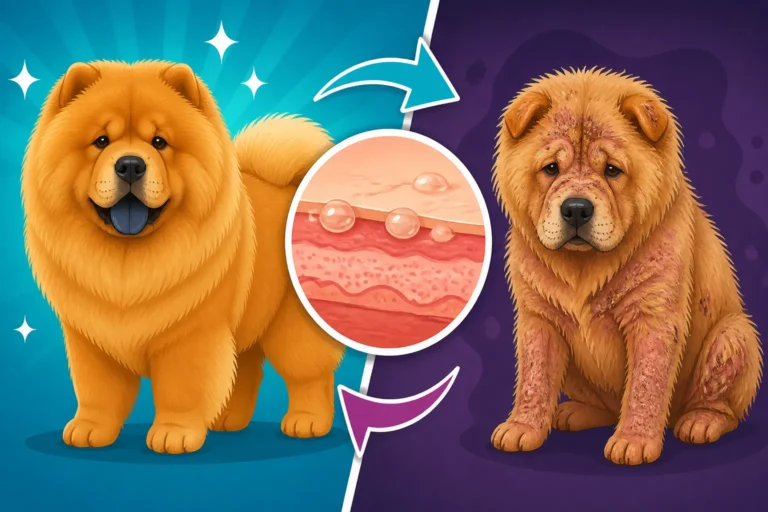
While several autoimmune conditions can affect a dog's skin, one of the most prevalent and well-known in Chow Chows is Pemphigus Foliaceus. This particular condition targets the superficial layers of the epidermis, the outermost layer of the skin. The immune system attacks the adhesion molecules that hold the skin cells together, causing them to separate and form pustules (small pus-filled bumps) and crusts.
Another, though less common, condition is Discoid Lupus Erythematosus (DLE), which primarily affects the face, especially the nose, bridge of the muzzle, and around the eyes. While the exact manifestation differs, the underlying principle remains the same: the immune system is misfiring. Recognizing these specific conditions is often a job for a veterinary dermatologist, but knowing they exist helps you understand the scope of what your vet might be looking for. Learning more about What Pemphigus Foliaceus Does to a Chow Chow can give you a clearer picture of this specific challenge.
Early Warning Signs and Subtle Changes
When dealing with a Chow Chow, their magnificent, dense coat can be both a blessing and a curse. It hides so much, making early detection of skin issues a real challenge. That’s why being observant for subtle changes, and regularly getting deep into their fur, is incredibly important.
Initial Skin Lesions and Their Appearance
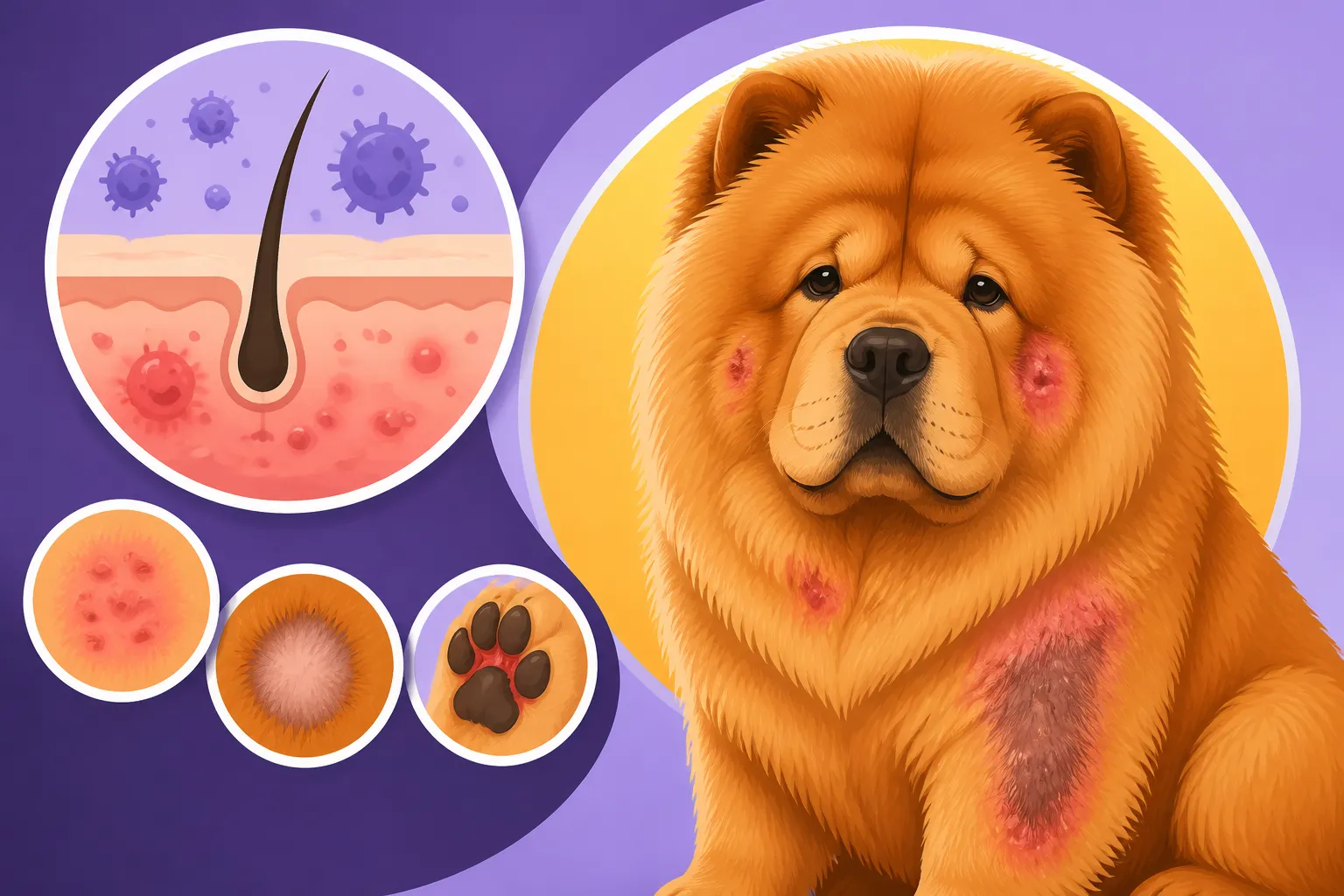
The first signs of an autoimmune skin disease, particularly Pemphigus Foliaceus, often manifest as small, red bumps or pustules. These might look a lot like pimples or insect bites at first, making them easy to overlook, especially on a heavily coated dog. You might find them on the bridge of the nose, around the eyes, on the ear flaps, or between the paw pads. As these pustules rupture, they dry out and form yellowish or brownish crusts. These crusts can vary in size, from tiny flakes to larger, thick scabs.
Imagine finding these crusts stuck in your Chow's whiskers or nestled in the folds of their ear. Sometimes, these lesions start small and isolated, only to spread and merge, covering larger areas. The skin underneath these crusts is typically red and inflamed, and it can be quite painful or itchy for your dog. It's not always obvious, and you really have to part that thick coat to see what’s going on underneath. This is often where conditions like Pemphigus begin to make their appearance, often showing up first in specific areas. If you’re wondering exactly where to look, it’s worth noting that Where Pemphigus Appears on a Chow Chow First is quite consistent.
Changes in Pigmentation and Hair Loss
Beyond the visible lesions, you might notice alterations in your Chow Chow's normal pigmentation. A classic sign, especially with conditions like Pemphigus or DLE, is depigmentation of the nose. That rich, deep black nose your Chow Chow was born with might start to fade, turning pinkish or patchy. This loss of color can be striking and is a strong indicator that something internal is at play, rather than just a superficial scratch. You might notice this specifically as Whether a Chow Chow's Nose Loses Pigment.
Alongside pigment changes, hair loss is another common symptom. This isn't usually the symmetrical, clean hair loss you might see with hormonal issues. Instead, it tends to be patchy and irregular, often occurring in areas where the skin lesions are most severe or where your dog has been excessively scratching and licking. The constant irritation and inflammation damage the hair follicles, leading to thinning fur or bald spots. These areas might feel greasy, scaly, or thickened to the touch, indicating chronic inflammation.
Behavioral Cues and General Discomfort
A Chow Chow, with their famously stoic and aloof nature, isn't always one to broadcast their discomfort. They are masters at hiding pain and illness, which can make diagnosing their health issues even more challenging for us, their human companions. This means you need to be a keen observer of even the slightest shifts in their routine or demeanor.
Itching, Licking, and Self-Trauma
Despite their stoicism, persistent itching is hard to hide, even for a Chow Chow. You might notice your dog scratching more frequently than usual, particularly around their face, ears, and paws. They might use furniture or rough surfaces to rub their face vigorously, trying to alleviate the intense irritation. Excessive licking of their paws, especially between the toes, is another common sign. While a certain amount of licking is normal, constant, obsessive licking that leads to dampness, discoloration, or even raw skin, should raise a red flag.
This incessant itching and licking can quickly turn into self-trauma, creating a vicious cycle. What starts as an autoimmune lesion can become exacerbated by your dog's attempts to relieve discomfort. Open sores from scratching become ripe breeding grounds for secondary bacterial or yeast infections, complicating the primary autoimmune condition and making your Chow Chow even more miserable. The dense coat also plays a role here; the trapped moisture and heat can worsen existing skin issues, a factor to keep in mind given Why a Chow Chow's Dense Coat Hides Skin Disease.
Lethargy, Appetite Changes, and Systemic Signs
Beyond the visible skin and behavioral signs directly related to itching, autoimmune diseases can sometimes present with more generalized, systemic symptoms. Your usually dignified and somewhat independent Chow Chow might become noticeably more lethargic. They may sleep more, show less enthusiasm for their regular short walks, or simply seem less interested in engaging with you or their environment. This isn't just a "bad day"; it's a persistent dip in their energy levels.
You might also observe changes in their appetite. Some Chow Chows become pickier eaters, while others might lose their appetite entirely, leading to subtle weight loss that can be hard to detect under their thick double coat. Fever, enlarged lymph nodes, or general malaise can also accompany severe cases, indicating that the immune system's misdirected attack is affecting more than just the skin. These systemic signs suggest a more widespread inflammatory process and necessitate immediate veterinary attention.
Recognizing Specific Skin Areas Affected
While autoimmune skin diseases can manifest anywhere on a Chow Chow's body, certain areas are more prone to showing the initial or most severe signs. Understanding these common hotspots can help you perform thorough checks during your regular grooming sessions.
Face, Ears, and Nose Bridge
The face is often a prime location for the first signs of autoimmune skin disease, particularly around the nose, the bridge of the muzzle, and the delicate skin around the eyes and lips. You might observe a dry, crusty appearance on the nose, sometimes with fissures or cracks that can be quite painful. The normal texture of the nose leather might become rough and eroded, and as mentioned earlier, depigmentation is a common indicator.
Around the eyes and lips, you may see crusts forming, and the skin can appear red and inflamed. In some cases, the inner surfaces of the ear flaps might also be affected, presenting with redness, scaling, or small pustules. Because Chow Chows have those distinctive facial wrinkles and deep-set eyes, it’s even more critical to inspect these areas closely. Moisture can get trapped in these folds, exacerbating any existing skin issues or making it harder to spot initial lesions.
Paw Pads and Nail Beds
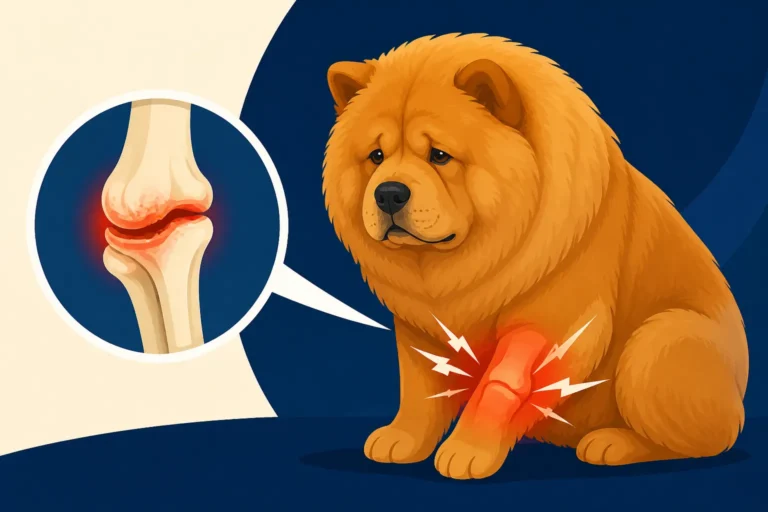
One of the most debilitating aspects of autoimmune skin disease for a Chow Chow can be its impact on their paw pads and nail beds. Imagine trying to walk when the soles of your feet are covered in painful blisters and crusts. That’s what it can feel like for a dog suffering from paw pad involvement. The pads might appear thickened, hyperkeratotic (excessively hard and crusty), or ulcerated. You might notice your Chow Chow limping, reluctant to walk, or favoring certain paws because of the discomfort.
The nail beds can also be severely affected. This might present as inflammation around the base of the nails, abnormal nail growth, or even nails that become brittle, split, or slough off entirely. This condition, often called symmetrical lupoid onychodystrophy (SLO) in other breeds, can occur as part of a broader autoimmune picture. Any changes to your Chow Chow's gait, or if they start guarding their paws and refusing to let you touch their feet, should prompt a close inspection of these often-overlooked areas.
Body and Groin Involvement
While the face and paws are common initial sites, autoimmune skin lesions can certainly spread to the trunk and groin areas. On the main body, you might find more widespread areas of crusting, scaling, and redness, particularly along the back, flanks, and belly. These lesions can be accompanied by significant hair loss, sometimes leading to large, bald, inflamed patches.
The groin and armpit regions are also susceptible. These areas are warmer, often have more skin-on-skin contact, and can trap moisture, making them prone to developing secondary infections on top of the autoimmune inflammation. You might notice a strong, unpleasant odor emanating from these areas if a secondary bacterial or yeast infection has taken hold. Observing your Chow Chow's entire body during grooming, including parting their dense fur to inspect the skin underneath, is crucial for catching these signs early. In some cases, the skin folds present in many Chows can predispose them to infections, so it's wise to consider Whether a Chow Chow's Skin Fold Gets Infected when you notice issues in these warm, moist areas.
Differentiating Autoimmune from Other Skin Issues
It's common for owners to initially confuse autoimmune skin disease with other more prevalent canine dermatological problems. Given the variety of symptoms, it can be tricky even for experienced vets. However, understanding the distinctions is key to getting your Chow Chow the right diagnosis and treatment.
Allergic Reactions vs. Autoimmune Disease
Many of the symptoms of autoimmune skin disease – redness, itching, hair loss, and crusting – overlap with those of common allergic reactions. Dogs can suffer from environmental allergies (atopy), food allergies, or flea allergies. Typically, allergic reactions tend to be intensely itchy and often manifest as generalized redness, hot spots, or recurring ear infections.
A key difference often lies in the specific types of lesions and their persistence. While allergies cause inflammation, they rarely lead to the distinct pustules, large crusts, or severe depigmentation seen in conditions like Pemphigus Foliaceus. Allergic reactions are also often seasonal or directly linked to exposure to an allergen. Diagnosing allergies involves elimination diets, allergy testing, and flea control. If these measures don't resolve the symptoms, or if the lesions are atypical for an allergy, an autoimmune condition becomes a stronger possibility. It’s important to explore all avenues, including whether skin allergies could be the root cause before jumping to more serious diagnoses.
Infections and Parasites
Bacterial, fungal, and parasitic infections can also cause skin issues that mimic autoimmune conditions. For example, bacterial pyoderma can result in pustules and crusts, very similar to those seen in Pemphigus. Ringworm (a fungal infection) causes circular patches of hair loss and scaly skin. Mange, caused by mites, leads to intense itching, redness, and hair loss.
The distinguishing factor here is often the response to treatment. Infections and parasites typically respond well to targeted medications like antibiotics, antifungals, or antiparasitics. If your Chow Chow's skin problems persist or worsen despite appropriate treatment for these common culprits, it's a strong indicator that a more complex underlying issue, such as an autoimmune disease, might be at play. Your vet will usually rule out these more common conditions first through skin scrapes, fungal cultures, and cytology of the skin lesions.
Importance of Veterinary Consultation
Given the complexities and the potential for severe health implications, self-diagnosis of autoimmune skin disease is simply not an option. A prompt and thorough veterinary consultation is absolutely paramount. Your regular veterinarian will conduct a comprehensive physical exam, discuss your Chow Chow's history, and likely perform several diagnostic tests.
These tests can include skin scrapes to rule out mites, cytology (microscopic examination of cells from the skin) to check for bacteria or yeast, and blood work to assess overall health and rule out other systemic conditions. However, the definitive diagnosis for most autoimmune skin diseases, especially Pemphigus Foliaceus, requires a skin biopsy. This involves taking a small tissue sample under sedation or general anesthesia, which is then sent to a specialized veterinary pathologist for examination. The pathologist can identify the characteristic changes in the skin layers that confirm an autoimmune process. Understanding How Pemphigus Is Diagnosed in a Chow Chow highlights the precision required for proper identification.
What to Do Next: Seeking Diagnosis and Support
Once you’ve noticed concerning signs in your Chow Chow, the next steps are crucial. Early diagnosis and intervention can significantly improve their quality of life and help manage the condition effectively.
Preparing for Your Vet Visit
When you call your veterinarian, explain your concerns clearly. Be prepared to provide a detailed history of the symptoms you've observed. This includes:
- When you first noticed the signs: A timeline helps track progression.
- Specific locations of lesions: Point out every spot, no matter how small.
- Severity of itching/discomfort: How much is your Chow scratching or licking?
- Any previous treatments: What medications have been tried, and did they help?
- Dietary changes or exposure to new things: This helps rule out allergies.
- General behavior changes: Any shifts in appetite, energy, or mood.
Taking photos of the lesions as they appear and change can be incredibly helpful for your vet, especially if the lesions are intermittent or difficult to spot during the appointment. Don't be afraid to ask about seeing a veterinary dermatologist if your general practitioner suspects an autoimmune issue or if initial treatments aren't yielding results. Specialists have advanced diagnostic tools and expertise in these complex conditions.
Financial Considerations and Pet Insurance
Let's be realistic: diagnosing and managing an autoimmune skin disease in a Chow Chow can be a significant financial undertaking. The diagnostic process itself, especially if it involves multiple biopsies or specialist consultations, can quickly add up. Once diagnosed, treatment often involves long-term medication, such as corticosteroids or other immunosuppressants, which can be costly and may require regular monitoring tests like blood work.
It's wise to consider how you will manage these expenses. This is where pet insurance can be a true lifesaver. Providers like Healthy Paws, for example, offer comprehensive plans that can help cover the costs of unexpected illnesses and chronic conditions. If you have pet insurance, review your policy details carefully to understand what is covered regarding chronic conditions, diagnostic tests, and medications. Remember that pre-existing conditions are usually not covered, so it's always best to have insurance in place before any symptoms arise. However, for a newly diagnosed condition, a robust policy can make a world of difference in your ability to afford the best possible care. Don’t forget to check if Whether Insurance Covers a Chow Chow's Autoimmune Disease is something your current or prospective policy will handle. When discussing treatment options, ask your vet for an estimated cost breakdown and discuss generic medication options if available. Healthy Paws and similar providers understand the financial strain serious health issues can cause, and having that support can alleviate a lot of stress during an already difficult time.
Comparing Skin Symptoms: Autoimmune vs. Common Issues
To help you distinguish between various skin problems, here's a quick comparison of common symptoms you might see in your Chow Chow. Remember, this table is for informational purposes and should not replace a professional veterinary diagnosis.
| Symptom Category | Autoimmune Skin Disease (e.g., Pemphigus) | Allergies (Environmental, Food, Flea) | Bacterial/Fungal Infections (e.g., Pyoderma, Ringworm) |
|---|---|---|---|
| Primary Lesions | Pustules, large crusts, erosions, ulcers | Redness, papules (small bumps), hives (less common) | Pustules, crusts, epidermal collarettes, scaling, hair loss |
| Location | Often on face (nose, eyes, lips, ears), paw pads, nail beds, groin, trunk | Often on paws, ears, belly, armpits, flanks | Localized or generalized, depends on type of infection |
| Itchiness | Variable, can be intense or mild, sometimes painful more than itchy | Usually intense, persistent, dog scratches/licks frequently | Variable, can be itchy (fungal, some bacterial) or just sore |
| Hair Loss | Patchy, irregular, often around lesions | Patchy, self-induced from scratching/licking | Circular (ringworm), patchy, or generalized |
| Pigmentation | Depigmentation (e.g., loss of black on nose) | No primary change, secondary darkening due to chronic inflammation | No primary change, can be secondary if chronic |
| Systemic Signs | Can include lethargy, decreased appetite, fever in severe cases | Generally good energy and appetite, unless very severe discomfort | May have mild lethargy or appetite changes if severe or widespread |
| Response to Common Treatment | Poor or temporary response to standard allergy/infection treatments | Often improves with allergy management (antihistamines, specific diet, flea control) | Improves with targeted antibiotics, antifungals, or antiparasitics |
| Definitive Diagnosis | Skin biopsy and histopathology | Allergy testing, elimination diets, flea control trial | Skin scrapes, fungal cultures, cytology, bacterial culture |
Disclaimer
This article is intended for informational purposes only and does not constitute medical advice for your pet. Always consult with a qualified veterinarian for any health concerns or before making any decisions about your Chow Chow's care.