Whether a Chow Chow Tolerates Anesthesia
It’s a terrifying moment for any dog owner when your beloved companion needs a procedure requiring anesthesia. For those of us with Chow Chows, that fear can be amplified by a general understanding that brachycephalic (short-nosed) breeds, or those with dense coats and unique anatomical features, often present greater challenges. Rest assured, while there are specific considerations for Chow Chows, modern veterinary medicine has made incredible strides in making anesthesia safer, provided the right precautions are taken. This guide will walk you through everything you need to know about anesthesia and your Chow Chow.
Understanding Anesthesia Risks in Brachycephalic Breeds
Chow Chows are undeniably distinctive, with their leonine manes, deep-set eyes, and unique blue-black tongues. But beneath that impressive fluff and stoic demeanor lies a physiology that requires careful consideration when it comes to anesthesia. The very features that give them their charm, particularly their short muzzle, can unfortunately contribute to increased risks during sedation and recovery. It’s not about fear-mongering, but about being informed and prepared to advocate for the best care for your furry family member.
The Chow Chow's Unique Airway
Unlike many other breeds with longer muzzles, Chow Chows, as a brachycephalic breed, possess a compressed respiratory system. Their short snouts mean they often have narrower nostrils (stenotic nares), an elongated soft palate that can obstruct their airway, and sometimes a hypoplastic (smaller than normal) trachea. Imagine trying to breathe through a straw permanently – that’s often what it feels like for them even when awake and healthy.
When anesthesia is introduced, these existing anatomical quirks become even more pronounced. The muscles and tissues in the throat relax significantly, which can cause the already crowded airway to collapse further. This makes intubation—inserting a breathing tube into the trachea—more challenging and increases the risk of airway obstruction, both during the procedure and especially during recovery when they are less responsive. Understanding Why a Chow Chow's Short Muzzle Cools Poorly is crucial here, as it directly impacts their ability to regulate temperature and breathe effectively when sedated.
Respiratory Challenges and Anesthesia
The primary concern with Chow Chows under anesthesia is their predisposition to respiratory distress. Even with careful intubation, the relaxed tissues, combined with their already compromised airway, can lead to difficulty breathing. This isn't just about getting enough oxygen in; it’s also about efficiently expelling carbon dioxide. An accumulation of CO2 can lead to acidosis, further complicating their physiological state.
Beyond the physical structure, Chows can be prone to conditions like laryngeal paralysis or tracheal collapse, which may be subclinical (not showing obvious symptoms) when they are awake but become critical under the muscle-relaxing effects of anesthetic drugs. The veterinary team must be acutely aware of these potential issues, not just relying on standard protocols but adapting to the individual Chow Chow's specific respiratory health. This might mean having specialized equipment or experienced personnel on hand for airway management.
Heat Sensitivity Under Anesthesia
Chow Chows are notoriously susceptible to overheating, a risk factor that escalates dramatically under anesthesia. Their dense double coat, designed to protect them from harsh Mongolian winters, acts as an incredible insulator. While wonderful for cold weather, it makes them efficient heat traps in warmer climates or during prolonged procedures where their natural cooling mechanisms are impaired. Combine this with their brachycephalic anatomy, which makes panting – their primary method of cooling – less efficient, and you have a recipe for hyperthermia.
Anesthetic drugs can also interfere with the body's thermoregulation. A dog under anesthesia can't actively seek a cooler spot or pant effectively to shed heat. The ambient temperature of the operating room, the warmth generated by surgical drapes, and the length of the procedure all contribute to this risk. Vigilant temperature monitoring is non-negotiable, with active cooling measures like cooling mats, fans, or even cold intravenous fluids ready to be deployed at a moment's notice to prevent dangerous spikes in body temperature. Owners should also be mindful of Heat Is the Chow Chow's Most Immediate Danger even when not under anesthesia, as it primes them for hyperthermia.
Pre-Anesthetic Preparation is Key
The best defense against anesthetic complications for your Chow Chow is an impeccable offense. This means meticulous preparation before your dog even steps into the surgical suite. It’s not just about a quick once-over; it requires a comprehensive approach from both you and your veterinary team. Don't hesitate to ask questions and discuss every aspect of the pre-anesthetic process – your Chow Chow's safety depends on it.
Thorough Pre-Anesthetic Screening
Before any anesthetic is administered, a thorough pre-anesthetic screening is absolutely vital. This usually includes a complete physical examination, focusing particularly on respiratory and cardiovascular health. Your vet will listen carefully to their heart and lungs, check their mucous membranes, and assess their overall body condition. Beyond the physical exam, bloodwork is non-negotiable. This typically involves a complete blood count (CBC) to check for anemia, infection, or clotting issues, and a biochemistry panel to evaluate organ function (kidneys, liver, pancreas).
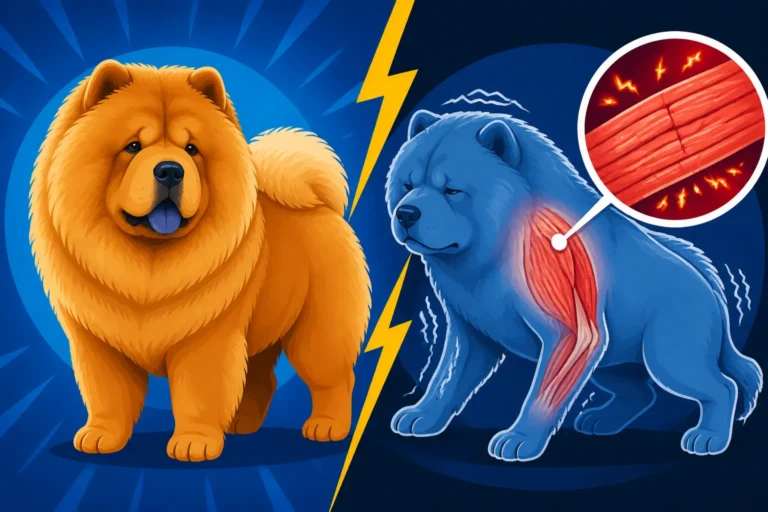
For older Chow Chows or those with known health concerns, additional diagnostics might be recommended. This could include chest X-rays to assess lung and heart size, an electrocardiogram (ECG) to check heart rhythm, or even an echocardiogram to look for underlying heart disease. For Chow Chows, whose unique gait can sometimes mask subtle orthopedic issues, a careful physical assessment for conditions like Elbow Dysplasia Ranks the Chow Chow Near the Top might be warranted, especially if they are having an orthopedic procedure. These tests help the veterinary team identify any hidden risks and tailor the anesthetic protocol accordingly. For example, if bloodwork shows compromised kidney function, certain drugs that are metabolized by the kidneys might be avoided or used at reduced dosages.
Tailored Anesthesia Protocols
One size definitely does not fit all when it comes to anesthesia, and this is especially true for Chow Chows. A cookie-cutter approach is simply not safe. The veterinary team should develop an individualized anesthetic protocol for your dog, taking into account their age, weight, general health, any pre-existing conditions, and the specific procedure being performed. This involves selecting a combination of drugs designed to provide effective sedation and pain relief while minimizing side effects and ensuring a smooth recovery.
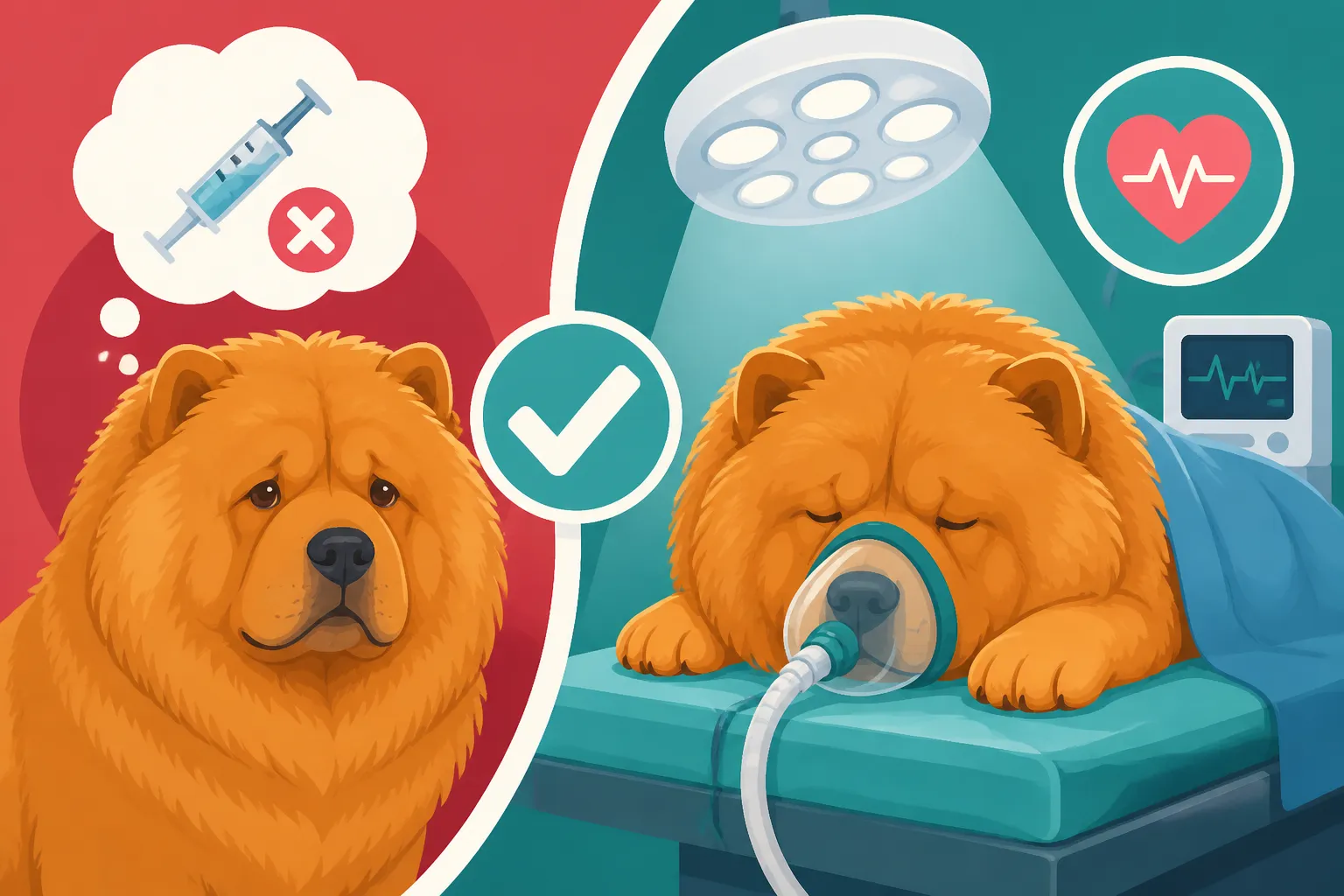
For brachycephalic breeds, drugs that cause excessive respiratory depression or cardiovascular compromise might be avoided or used very cautiously. Often, a multi-modal approach is preferred, using lower doses of several different medications to achieve the desired effect, rather than a high dose of a single drug. The goal is to provide adequate anesthesia depth with minimal impact on vital organ systems. Experienced veterinary anesthesiologists or technicians will be familiar with these nuanced approaches and understand the critical need for a smooth induction and recovery, minimizing stress that could exacerbate their respiratory limitations. They might also discuss a premedication protocol to help calm your Chow Chow before the main anesthesia.
Managing Pre-Existing Conditions
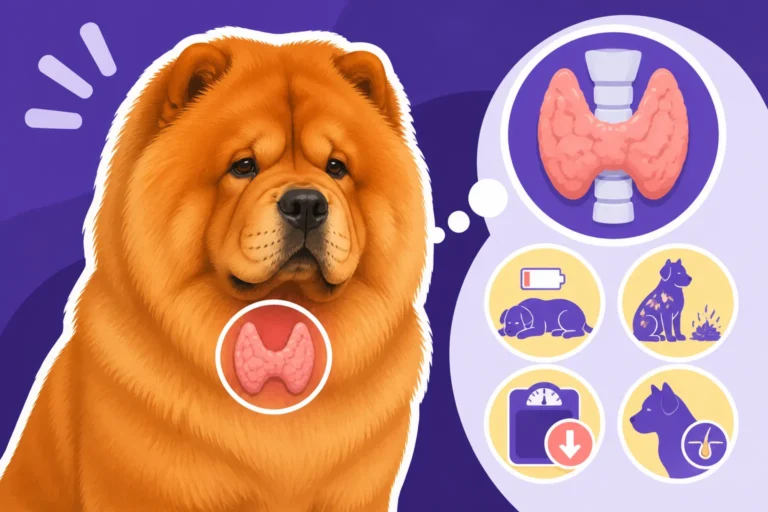
Any existing health issues your Chow Chow has will profoundly influence the anesthetic plan. Conditions like obesity, which is unfortunately common in Chows given their sometimes lower energy levels, can significantly increase anesthetic risk. Excess fat in the chest and abdomen can restrict lung expansion, making breathing more difficult, and it can complicate drug dosages. Similarly, if your Chow Chow has a history of respiratory issues, allergies, or even something as seemingly innocuous as a slightly elevated thyroid (though Signs a Chow Chow's Thyroid Is Low is more often the concern), these must be factored in.
Your vet might recommend addressing certain conditions before anesthesia. For instance, if your Chow Chow is significantly overweight, a weight loss plan might be advised prior to an elective surgery. If dental disease is severe, requiring a lengthy procedure, they might prioritize certain extractions or stages of cleaning. Open and honest communication with your veterinarian about your Chow Chow's full health history, even minor ailments, is paramount to help them prepare adequately and ensure the safest possible outcome. This holistic view of your dog's health can make all the difference.
During the Anesthetic Procedure: Vigilance is Paramount
The moment your Chow Chow is under anesthesia, the real work begins for the veterinary team. This is where continuous, meticulous monitoring and immediate responsiveness to any changes are crucial. It's not just about administering drugs and performing surgery; it's about keeping a constant, watchful eye on every vital sign to ensure your dog remains stable and safe.
Advanced Monitoring Equipment
A well-equipped veterinary hospital will utilize a suite of advanced monitoring equipment during anesthesia. This isn't just a luxury; it's a necessity, especially for breeds like the Chow Chow. Key parameters that should be continuously monitored include:
- Heart Rate and Rhythm (ECG): To detect arrhythmias or changes in cardiac function.
- Blood Pressure: To ensure adequate perfusion of organs and prevent hypotension (low blood pressure) which can lead to kidney damage.
- Oxygen Saturation (Pulse Oximetry): Measures the percentage of hemoglobin carrying oxygen, a critical indicator of respiratory function.
- End-tidal CO2 (Capnography): Measures the carbon dioxide level at the end of exhalation, providing real-time insight into ventilation and metabolism. This is particularly important for brachycephalic breeds.
- Body Temperature: To prevent hyperthermia or hypothermia.
- Respiration Rate: The number of breaths per minute.
Beyond the machines, a dedicated, experienced veterinary technician should be solely focused on monitoring your Chow Chow’s anesthesia from induction through recovery. They are the frontline defense, interpreting the data from the machines, recognizing subtle changes in your dog's physiological status, and communicating with the veterinarian. It's this combination of sophisticated technology and human expertise that provides the safest environment.
Maintaining Optimal Body Temperature
Given the Chow Chow's propensity for overheating, maintaining their optimal body temperature throughout the procedure is a top priority. While some breeds struggle with hypothermia under anesthesia, Chows often lean towards the other end of the spectrum. The surgical team should have proactive measures in place. This could involve placing cooling mats on the operating table, using fans to circulate air, or even preparing cold intravenous fluids if needed.
Conversely, if the procedure is lengthy or the operating room is cool, preventing hypothermia is also important, as it can slow metabolism and drug excretion, prolonging recovery. Warming blankets or forced-air warming systems might be used, but always with extreme caution and constant temperature checks to avoid overshooting and causing overheating. The goal is to keep their core body temperature within a very narrow, safe range, minimizing stress on their cardiovascular and respiratory systems.
Securing the Airway
Intubation, the placement of an endotracheal tube into the windpipe, is a standard procedure during anesthesia to ensure a clear airway and allow for direct administration of oxygen and anesthetic gas. For a Chow Chow, this can be more challenging due to their unique anatomy. The elongated soft palate and redundant pharyngeal tissues can make visualizing the larynx difficult. An experienced vet will use appropriate-sized tubes and may need specialized techniques to ensure proper placement.
Even after successful intubation, the tube must be securely fastened and its position constantly re-evaluated. Any kinks or displacements can lead to airway obstruction. During recovery, the timing of extubation (removing the tube) is critical. It must not be removed too soon, before the Chow Chow is awake enough to maintain their own airway, but also not too late, when swelling in the throat from the tube could become an issue. The technician will typically wait for clear signs of swallowing, head lifting, and even an attempt to chew the tube before carefully removing it, and then monitor respiratory effort closely immediately afterward.
Post-Anesthetic Recovery: A Critical Phase
The period immediately following anesthesia, known as recovery, is just as crucial, if not more so, than the procedure itself, especially for a Chow Chow. This is where many of the unique risks associated with their breed can manifest. A dedicated, quiet, and carefully monitored recovery space is essential to ensure a smooth and safe awakening.
Careful Extubation and Monitoring
As mentioned, extubation needs to be perfectly timed. For Chow Chows, the veterinary team will typically wait until they are much more awake and able to clear their own airway reflexively, often showing strong swallowing or coughing reflexes. Removing the tube too early can result in the relaxed soft palate falling back, obstructing the airway, and potentially leading to a panic response and further respiratory distress.
Once extubated, continuous monitoring for several hours is vital. This includes watching their breathing patterns, the color of their gums (indicating oxygenation), and their overall demeanor. They should be kept in a quiet, temperature-controlled environment, ideally with a dedicated technician observing them. Any signs of labored breathing, excessive drooling, or distress need immediate intervention. If they show any signs similar to Signs a Chow Chow Is in Heat Stroke during recovery, prompt cooling measures are imperative.
Pain Management and Comfort
A significant part of a smooth recovery involves effective pain management. Pain not only causes suffering but can also elevate heart rate, blood pressure, and respiratory rate, creating additional stress on a recovering system. Before, during, and after the procedure, the veterinary team will administer appropriate analgesics (pain relievers). This might include injectable medications, local anesthetic blocks for the surgical site, and oral medications to go home with.
Ensuring your Chow Chow is comfortable also aids in a calmer, less anxious recovery. They should be kept warm but not hot, in a soft, clean space where they can gradually wake up. Gentle reassurance from familiar voices (if appropriate and non-stressful) can also help. The goal is a quiet, gradual return to full consciousness, minimizing any struggling or excitement that could put a strain on their respiratory system.
Long-Term Observations at Home
Once your Chow Chow is discharged, your role in their recovery becomes paramount. You’ll be their primary observer, and it’s critical to follow all post-operative instructions carefully. This includes administering all prescribed medications, monitoring the surgical site for any swelling or discharge, and watching for changes in appetite, thirst, or bathroom habits.
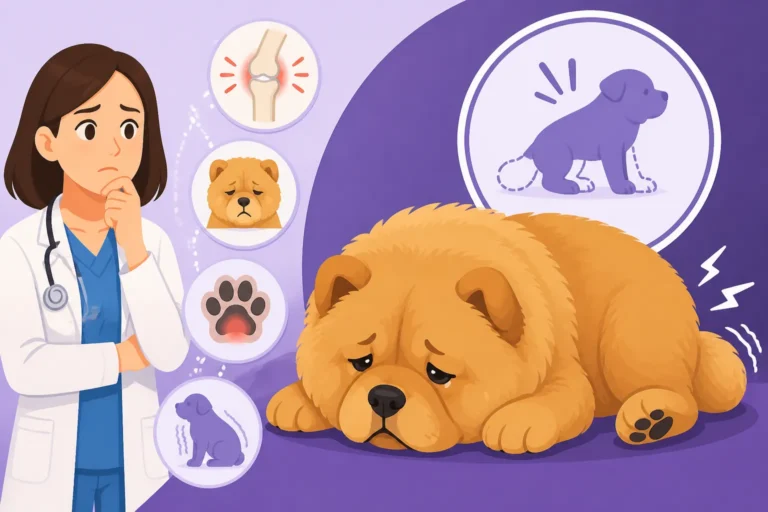
Pay very close attention to their breathing. Any persistent coughing, gagging, noisy breathing, or excessive panting needs to be reported to your vet immediately. Also, monitor their activity levels; a gradual return to normal is expected, but sudden lethargy or weakness is a red flag. Remember, Chows can be quite stoic and How a Chow Chow Hides Pain, so you’ll need to be extra vigilant for subtle signs of discomfort or complications. Keep your vet’s emergency number handy and don’t hesitate to call if you have any concerns, no matter how minor they seem.
Minimizing Risks: What Owners Can Do
While much of the responsibility for safe anesthesia lies with the veterinary team, Chow Chow owners play a crucial role in minimizing risks. Your proactive choices, from selecting the right vet to managing your dog’s health and planning for unforeseen expenses, can significantly contribute to a positive outcome. Being a responsible Chow Chow parent means being prepared for these eventualities.
Choosing an Experienced Veterinary Team
This is perhaps the single most important decision you can make. When your Chow Chow needs a procedure requiring anesthesia, seek out a veterinary practice with extensive experience with brachycephalic breeds. Don't be afraid to ask direct questions:
- How often do they anesthetize Chow Chows or other brachycephalic dogs?
- What monitoring equipment do they use?
- Is a dedicated veterinary technician assigned solely to anesthesia monitoring?
- What are their emergency protocols for respiratory distress or hyperthermia?
- Do they offer pre-anesthetic bloodwork and other diagnostics as standard?
A reputable clinic will be transparent and happy to answer all your questions, reassuring you of their expertise and preparedness. Some clinics even have board-certified veterinary anesthesiologists or use specialized referral centers for more complex cases. While it might be tempting to opt for the cheapest option, remember that expertise and advanced care often come with a higher What a Chow Chow's Sedated Exam Costs, and it's an investment in your dog's safety.
Prioritizing Weight Management
Obesity is a silent killer and a major contributor to anesthetic risk in any breed, but especially in Chow Chows. Extra weight puts additional strain on their cardiovascular system, complicates breathing due to fat around the chest cavity, and makes drug dosing less precise. If your Chow Chow is overweight, working with your veterinarian to achieve a healthy weight before any elective surgery is highly recommended.
A lean, healthy Chow Chow will have a much easier time under anesthesia and a smoother recovery. This isn't just about appearance; it's about their physiological capacity to cope with stress. Regular, moderate exercise – within their heat tolerance limits – and a carefully controlled diet are key. Remember, How a Chow Chow's Coat Hides Weight Loss, so regular body condition scoring by your vet is important. Making lifestyle changes now can pay dividends if anesthesia is needed later in life.
Investing in Pet Insurance for Peace of Mind
Let's face it, veterinary care can be expensive, and unexpected emergencies or necessary surgeries requiring anesthesia can quickly rack up substantial bills. This is where pet insurance becomes an invaluable tool for Chow Chow owners. Policies from providers like Healthy Paws can help cover a significant portion of the costs associated with accidents, illnesses, and surgeries, including the advanced monitoring and specialized care your Chow Chow might need during an anesthetic procedure.
Having pet insurance means you can make medical decisions based on what’s best for your Chow Chow, rather than being solely driven by financial concerns. It allows you to opt for the most thorough pre-anesthetic screening, choose the most experienced veterinary team, and access potentially life-saving treatments without undue stress. While it’s always wise to research specific policies and understand what's covered (e.g., whether pre-existing conditions are excluded, or if Whether Pet Insurance Excludes a Chow Chow's Eyes), investing in a good plan from a provider like Healthy Paws can offer immense peace of mind when facing a procedure that involves anesthesia. Thinking about the What a Chow Chow Costs Over Its Lifetime should certainly include the possibility of vet bills.
Common Procedures Requiring Anesthesia in Chow Chows
It’s easy to think of anesthesia only in terms of major surgeries, but many routine or breed-specific health management procedures for Chow Chows require sedation or full anesthesia. Knowing what to expect for these common occurrences can help you prepare and work with your vet to ensure the safest experience possible.
Routine Spay/Neuter and Dental Cleanings
For many Chow Chow puppies or young adults, their first experience with anesthesia will be for a spay or neuter procedure. These are routine surgeries, but for a Chow Chow, they still warrant the full suite of pre-anesthetic screening and monitoring. These procedures are critical for population control and preventing certain health issues later in life, such as mammary tumors in females or prostate problems in males.
Dental cleanings are another common reason for anesthesia. While often overlooked, good oral hygiene is paramount for overall health, and professional dental scaling and polishing require a sedated patient. Chows can be prone to dental issues, and given their tendency to be less cooperative with routine oral care at home, dental procedures might be necessary to prevent painful infections and tooth loss. Again, even for a routine dental, the anesthetic protocol should be tailored and monitoring should be comprehensive due to their breed-specific risks.
Addressing Breed-Specific Health Issues
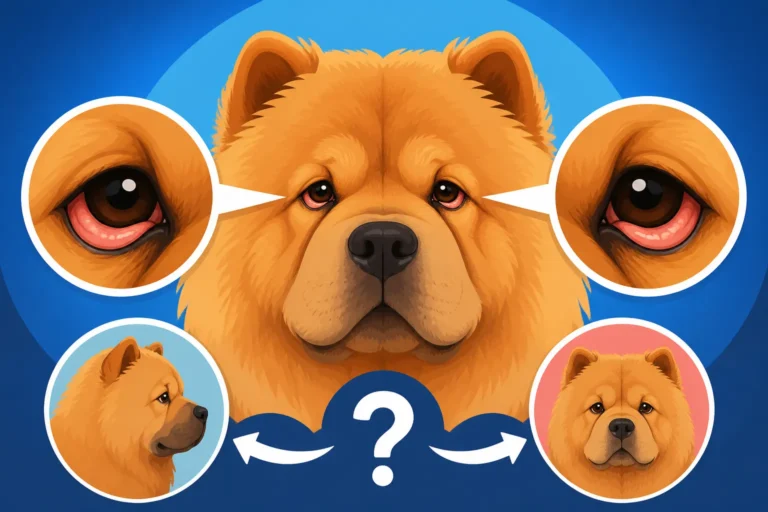
Chow Chows are unfortunately predisposed to several health conditions that often require surgical intervention and, thus, anesthesia. One of the most common and distressing is entropion, where the eyelid rolls inward, causing eyelashes to rub painfully against the cornea. Surgical correction of What Entropion Does to a Chow Chow's Eye is typically necessary, and this often occurs when they are still relatively young. Other eye conditions like Glaucoma Can Blind a Chow Chow in Days may also require intervention.
Orthopedic issues, such as elbow or hip dysplasia, might also necessitate surgery, especially in severe cases or to improve quality of life. Understanding The Entropion Surgery Every Chow Chow Owner Should Budget For highlights the financial realities, but also the medical necessity that involves anesthesia. Owners should discuss these possibilities with their breeder and veterinarian early on to prepare both financially and medically. These procedures can be more invasive and sometimes longer, elevating the importance of vigilant anesthetic management even further.
Emergency Situations
Sometimes, anesthesia isn't a planned event but a necessity in an emergency. Conditions like bloat (gastric dilatation-volvulus), severe injuries from accidents, or acute illnesses requiring immediate surgical intervention will necessitate anesthesia, often with less time for extensive pre-operative workups. In these high-stress situations, the expertise of the veterinary team in rapidly assessing the patient, stabilizing them, and administering anesthesia safely becomes even more critical.
While we all hope our Chows never face such emergencies, it's wise to know your local veterinary emergency clinic's capabilities and their experience with brachycephalic breeds. Having pet insurance, like a policy from Healthy Paws, can be a huge relief in these unexpected, expensive, and stressful times, allowing you to focus on your Chow Chow's care rather than the escalating costs. Being prepared for emergencies, even if they never happen, is part of responsible Chow Chow ownership.
Disclaimer
The information provided in this article is for general educational purposes only and is not intended as a substitute for professional veterinary advice. Always consult with a qualified veterinarian for any health concerns or before making any decisions related to your Chow Chow's medical care, especially concerning anesthesia or surgery.