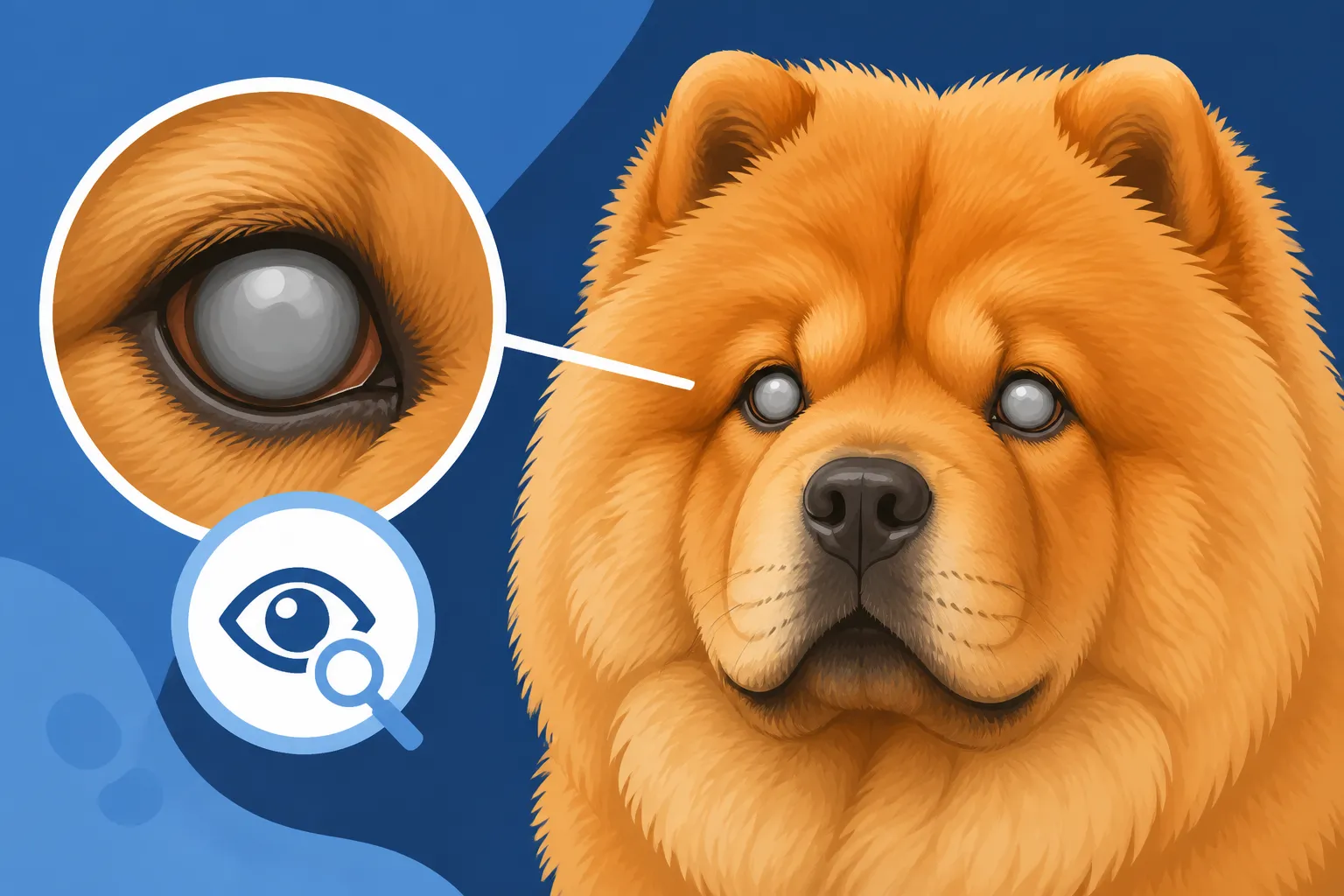
Cataracts in a Chow Chow
Discovering a cloudiness in your beloved Chow Chow's eyes can be a truly unsettling experience, immediately sparking fears about their vision and overall well-being. It's heart-wrenching to think your furry companion might be struggling to see the world around them. This comprehensive guide aims to demystify cataracts in Chow Chows, helping you understand what they are, how to recognize the signs, and what steps you can take to manage this common ocular condition, ensuring your Chow lives a comfortable and happy life.
Understanding What Cataracts Are in Your Chow Chow
When you notice a milky or cloudy appearance in your Chow Chow's eye, it’s natural for alarm bells to go off. Often, the first thing people think of is cataracts. A cataract isn't just a surface cloud; it’s a change within the lens of the eye itself, which normally is perfectly clear. Imagine looking through a frosted window – that’s a bit like what a Chow Chow with cataracts experiences as the condition progresses.
The lens, located behind the iris and pupil, is crucial for focusing light onto the retina, much like the lens of a camera. When protein fibers within this lens begin to break down and clump together, they form opacities that scatter light instead of letting it pass through clearly. This leads to impaired vision, ranging from slight blurriness in the early stages to complete blindness if the cataract matures and covers the entire lens. For a breed like the Chow Chow, already known for deep-set eyes that can limit their peripheral vision, any further obstruction can significantly impact their daily life.
The Cloudy Lens: What's Happening Inside the Eye
At its core, a cataract is an opacity in the lens of the eye. This lens is composed of water and proteins, meticulously arranged to allow light to pass directly through to the retina at the back of the eye. Over time, or due to various factors, these proteins can denature and aggregate, forming cloudy areas. Think of it like cooking an egg white – it goes from clear to opaque. This process interferes with the light reaching the retina, causing vision to become hazy, blurry, or even completely blocked.
While cataracts can affect one eye, it's very common for them to develop in both eyes, though often at different rates. The severity and speed of progression can vary wildly between individual Chows, depending on the underlying cause. Some cataracts remain small and only minimally impact vision for years, while others can rapidly mature, leading to significant vision loss in a relatively short period. Understanding this internal process helps us appreciate why a simple cloudy appearance is more than skin deep and can have profound effects on our Chow's ability to navigate their world.
Distinguishing Cataracts from Nuclear Sclerosis
Before you panic about every bit of cloudiness, it's really important to know that not all cloudy eyes signify a cataract. As Chow Chows age, particularly once they are considered senior, typically around The Age a Chow Chow Is Considered Senior (around 8 years old), you might notice a bluish-gray haze in their pupils. This is very often a normal aging change called nuclear sclerosis, sometimes referred to as lenticular sclerosis. It’s caused by the hardening and compression of older lens fibers in the center of the lens.
While nuclear sclerosis does slightly reduce the transparency of the lens, it rarely impairs vision significantly. It might make distant objects seem a little blurry, but most dogs adapt exceptionally well and navigate their environment without noticeable difficulty. The key difference lies in the appearance: nuclear sclerosis has a more uniform, milky, or hazy blue-gray look, almost like a soft fog. A cataract, on the other hand, usually presents as a more distinct, often denser, opaque white or crystalline cloud that truly blocks light, and you can see through the edges of nuclear sclerosis. A veterinary ophthalmologist can easily differentiate between the two, providing much-needed peace of mind.
Why Some Chow Chows Are More Prone to Cataracts
Cataracts in Chow Chows, like in many breeds, aren't always a random occurrence. Genetics play a significant role, with some lines being more predisposed to developing cataracts than others. Inherited cataracts can appear at a young age, even in puppies, or manifest later in life. If you're looking for a puppy, it's always wise to ask a breeder about the eye health history of the parents and their lines, including certifications from organizations like the OFA or CERF. You'll want to ensure What a Chow Chow Breeder Should Have Tested includes thorough eye examinations.
Beyond genetics, other factors can contribute to cataract formation. Diabetes mellitus is a major cause of rapidly developing cataracts in dogs; if your Chow Chow develops diabetes, cataracts can form very quickly, sometimes within weeks. Trauma to the eye, inflammation (such as uveitis), or nutritional deficiencies in puppies can also lead to cataracts. It’s less common, but sometimes exposure to certain toxins or even severe dehydration can contribute. This is why a comprehensive vet visit is essential to uncover any underlying health issues.
Recognizing the Signs and Stages of Cataracts
Catching cataracts early can make a difference in how they are managed and treated. As a Chow Chow owner, you're their primary observer, and recognizing subtle changes is key. Because Chows can be quite stoic and good at hiding discomfort, you might need to be extra vigilant. Many owners don't realize their dog has a vision problem until it becomes quite advanced because dogs compensate so well using their other senses, especially their incredible sense of smell and hearing.
The progression of cataracts isn't always linear or obvious. They can start small, as tiny specks, and grow slowly over years, or they can bloom rapidly, especially if linked to underlying conditions like diabetes. Being aware of both visual and behavioral cues can help you identify a problem sooner rather than later. Pay close attention during your daily interactions and walks.
Early Indicators You Might Miss
In the very early stages, a cataract might be so small that it’s barely noticeable to the untrained eye, perhaps just a tiny pinprick of opacity on the lens. Your Chow Chow might not show any obvious signs of vision impairment at this point. However, as the cataract starts to enlarge, you might begin to observe some subtle cues. Perhaps they hesitate slightly when going down stairs or jumping off furniture that they used to navigate with ease. They might be a little less confident in dimly lit rooms or at dusk, bumping into objects they usually avoid.
Another early indicator can be a change in the reflectivity of their eyes in certain lights, or you might notice a slight milky sheen when they look directly at you. This can be particularly tricky with Chows because their Why a Chow Chow's Deep Set Eye Limits Its Vision, combined with their deep fur, can make subtle eye changes hard to spot. If you find yourself asking, "Are my Chow Chow's eyes clouding?" it's a good time to schedule a vet visit. It's better to be overly cautious than to miss something important.
How Cataracts Progress and Affect Vision
Cataracts are generally classified into different stages based on how much of the lens is affected:
- Incipient: These are small, localized opacities affecting less than 15% of the lens. Vision is usually not affected at this stage, and they are often only visible with specialized veterinary equipment.
- Immature: Opacities cover more than 15% but less than 100% of the lens. Vision is impaired, but your Chow can still see light and some objects. This is when you might start noticing clumsiness, especially in unfamiliar surroundings.
- Mature: The entire lens is opaque, blocking all vision. Your Chow Chow will be functionally blind in the affected eye. The pupil will appear white or milky-white.
- Hypermature: In some cases, a mature cataract can begin to shrink or liquefy. This can sometimes lead to inflammation within the eye (uveitis) and can even cause the lens to dislocate, which can be very painful and lead to secondary issues like What Glaucoma Does to a Chow Chow's Eye.
As cataracts progress, your Chow's behavior will reflect their increasing vision loss. They might become more hesitant, reluctant to jump, or walk with a slower, more deliberate gait. They may start bumping into furniture, especially if it's been rearranged, or become disoriented in new places. Observing Signs a Chow Chow Puppy's Eyes Are Sore or any discharge, although usually related to entropion, could also prompt a closer look at the lens.
Here's a quick comparison of nuclear sclerosis and cataracts:
| Feature | Nuclear Sclerosis | Cataracts |
|---|---|---|
| Appearance | Diffuse, bluish-gray haze in pupil | Dense, opaque white or crystalline cloud |
| Transparency | Lens still mostly transparent | Lens becomes progressively opaque |
| Vision Impact | Minimal; slight farsightedness or blurriness | Significant to complete vision loss |
| Progression | Normal aging change, slow, uniform | Can be rapid or slow, localized or diffuse |
| Age of Onset | Typically older dogs (7+ years) | Any age (can be congenital, juvenile, or senior) |
| Underlying Cause | Aging of lens fibers | Genetics, diabetes, trauma, inflammation, toxins |
| Treatment | None required, no surgical intervention | Surgical removal (phacoemulsification) is primary |
Behavioral Changes Associated with Vision Loss
A Chow Chow with significant vision loss from cataracts will often exhibit noticeable behavioral changes as they try to cope with their altered world. You might see them move more cautiously, sticking close to walls or familiar paths. They might startle more easily if approached from an unexpected direction, or if you touch them without first speaking. Remember, a Chow Chow's Why a Chow Chow Snaps at Someone It Did Not See due to their limited peripheral vision can be exacerbated by cataracts.
They may become less interested in games that involve chasing or fetching moving objects. Indoors, they might bump into furniture they previously navigated around, especially if you've rearranged the room. When outside, they might be hesitant on unfamiliar terrain or refuse to go down steps or curbs. Some Chows might also become more clingy or anxious, relying more heavily on their human companion for guidance and reassurance. Conversely, some might become more withdrawn or appear to be sleeping more, as they find a less visually demanding existence easier.
Diagnosis and Treatment Options for Chow Chow Cataracts
If you suspect your Chow Chow has cataracts, the first and most crucial step is to get them examined by a veterinarian. While your regular vet can often identify the presence of a cataract, a referral to a board-certified veterinary ophthalmologist is typically recommended for a definitive diagnosis and to discuss the best course of action. These specialists have advanced equipment and expertise to thoroughly evaluate the entire eye.
The good news is that for many types of cataracts, effective treatments are available. However, not all cataracts require intervention, and not all dogs are candidates for surgery. The decision-making process will involve a careful assessment of your Chow's overall health, the stage and type of cataract, and any concurrent eye conditions they might have. It's a journey, but one you don't have to navigate alone.
The Veterinary Eye Exam: What to Expect
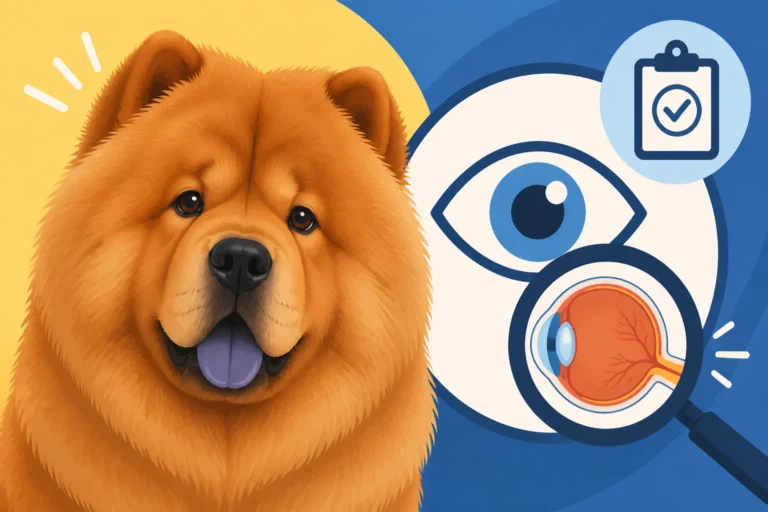
During a comprehensive eye exam, the veterinary ophthalmologist will perform a series of tests. This usually begins with a thorough external examination of your Chow Chow's face and eyes, checking for any signs of discomfort, discharge, or inflammation. They'll likely use a direct ophthalmoscope to peer into the eye and examine the lens, retina, and optic nerve. They may also perform a slit-lamp biomicroscopy, which uses a high-intensity light and microscope to get a magnified, detailed view of the front structures of the eye, including the lens.
Other tests might include a Schirmer tear test to assess tear production, a fluorescein stain test to check for corneal ulcers (which can sometimes be related to cataracts or other eye issues), and tonometry to measure the intraocular pressure, checking for conditions like glaucoma. If surgery is being considered, an electroretinogram (ERG) will be performed to assess the function of the retina, ensuring it's healthy enough to regain vision if the cataract is removed. Your vet might also want to do bloodwork to check for underlying conditions like diabetes. Understanding Whether a Chow Chow Needs a Yearly Eye Exam can help keep on top of these potential issues.
Surgical Intervention: The Gold Standard
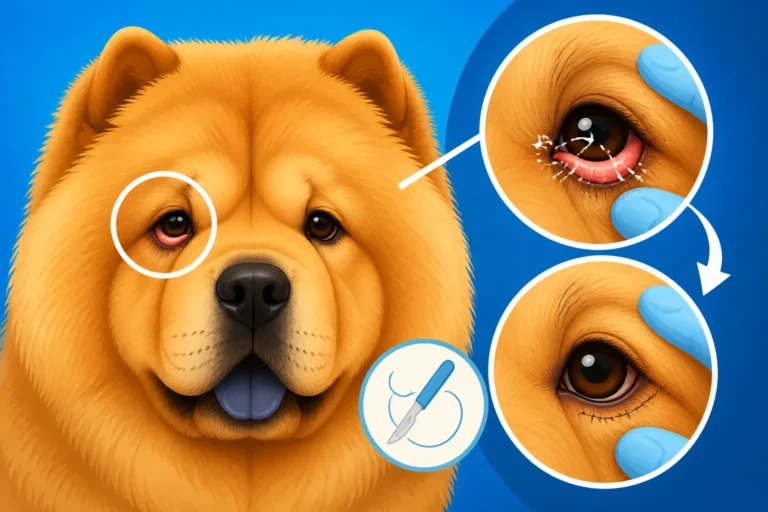
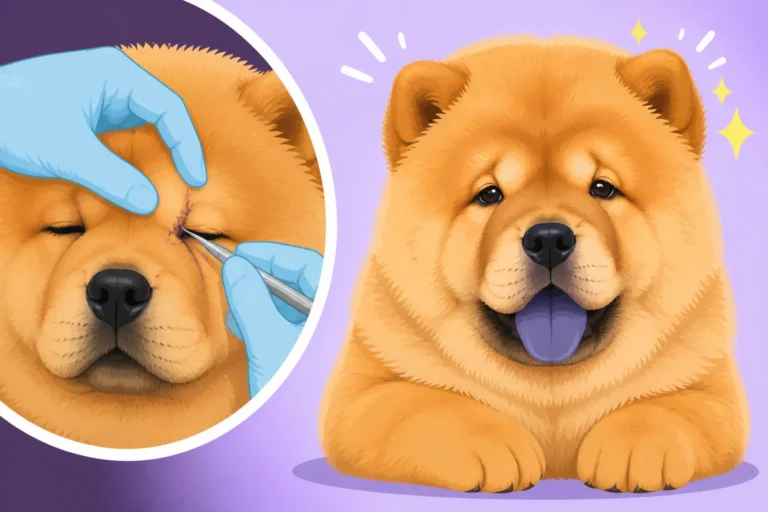
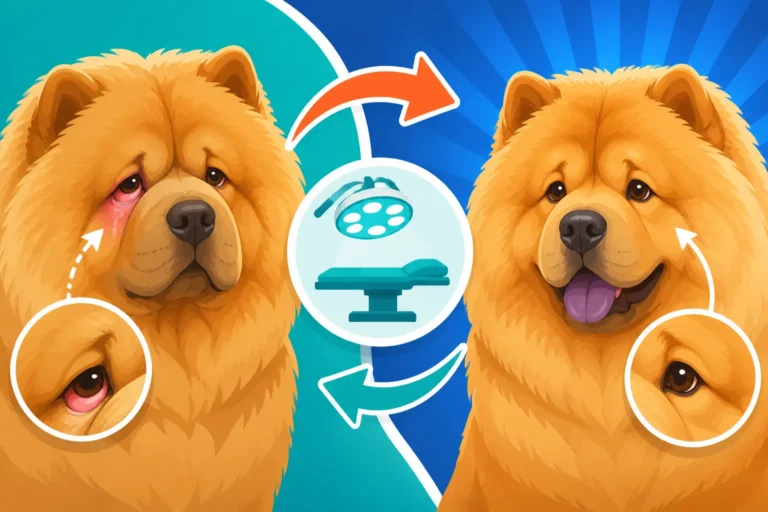
For most Chow Chows diagnosed with cataracts that are significantly impacting their vision, surgical removal is the most effective treatment. The procedure, called phacoemulsification, is very similar to cataract surgery in humans. It involves making a tiny incision in the cornea, inserting a small probe that uses ultrasonic waves to break up the cloudy lens, and then aspirating the fragments out of the eye. An artificial intraocular lens (IOL) is then typically implanted to restore focusing ability.
This surgery boasts a high success rate in restoring functional vision, often as high as 90-95% when performed by an experienced veterinary ophthalmologist on suitable candidates. However, it's a specialized and delicate procedure that requires significant pre-operative evaluation and meticulous post-operative care, including multiple eye drops for several weeks or even months. It's important to understand that while vision is restored, it might not be 20/20, but it will be dramatically improved compared to blindness. Recovery for How Long a Chow Chow Recovers From Eye Surgery will require your full commitment and patience.
Non-Surgical Approaches and Managing Other Conditions
While surgery is the primary treatment for vision-impairing cataracts, it's not always an option or necessary for every Chow Chow. If the cataract is small, not progressing, and not significantly affecting vision, your veterinarian might recommend a "wait and see" approach, monitoring its progression with regular check-ups. For Chow Chows with other health issues that make anesthesia risky, or for owners who cannot commit to the extensive post-operative care, surgery might not be feasible.
In these cases, the focus shifts to managing comfort and adapting to vision loss. Anti-inflammatory eye drops might be prescribed if the cataract is causing secondary inflammation within the eye. If the cataract is secondary to diabetes, controlling the diabetes is crucial, although it won't reverse existing cataracts. Unfortunately, there are no scientifically proven eye drops or medications that can dissolve or cure cataracts in dogs. Be wary of products making such claims without strong veterinary backing. Instead, focus on creating a safe and predictable environment for your vision-imimpaired Chow.
Living with a Chow Chow with Cataracts: Management and Support
Whether your Chow Chow has had cataract surgery or is learning to live with impaired vision, your role as their dedicated owner is paramount. Adapting to a visually changed world can be challenging for both of you, but with patience, understanding, and a few practical adjustments, your Chow can continue to lead a rich and fulfilling life. It's about empowering them to thrive despite their limitations.
This journey often involves more than just physical adjustments; it also encompasses emotional support and proactive financial planning. Owning a Chow Chow is a commitment to their well-being, and dealing with health issues like cataracts is part of that journey. Remember that your Chow relies on you for everything, and demonstrating your calm leadership will help them feel secure.
Adapting Your Home for a Visually Impaired Chow Chow
Living with a Chow Chow whose vision is compromised requires some thoughtful modifications to their environment. The goal is to create a safe, predictable, and navigable space that minimizes confusion and potential hazards. Firstly, try to keep furniture and their food and water bowls in consistent locations. Avoid rearranging rooms suddenly. If you must move something, guide your Chow around the new layout several times.
Use consistent verbal cues when approaching them, especially from behind, so you don't startle them. A gentle "Coming through!" or "Here I am!" can be incredibly helpful. Block off dangerous areas like stairwells or pools with baby gates. Consider placing different textures on the floor leading to important areas (e.g., a rug by the door, a mat by the water bowl) to give them tactile cues. Reflective tape on steps or furniture corners can sometimes help if they still have some light perception. These small changes can make a world of difference in their confidence and ability to move independently.
Maintaining Quality of Life and Emotional Well-being
Beyond physical adjustments, supporting your Chow Chow's emotional well-being is critical. Dogs rely heavily on routine, and maintaining a consistent daily schedule for feeding, walks, and playtime can provide immense comfort and predictability. Continue to engage them with activities that rely on their other senses. Scent work, where they use their excellent nose to find treats or toys, can be incredibly rewarding. Interactive puzzle toys that dispense food can keep their minds sharp and prevent boredom.
Regular, predictable walks on a leash in familiar areas are still important for exercise and mental stimulation. Let them sniff and explore at their own pace. Be their eyes and guide them safely. Praise and positive reinforcement are more important than ever. Remember that How a Chow Chow Hides Pain or discomfort, so observe closely for any changes in appetite, sleep, or interaction. A calm, reassuring presence from you will do wonders for their confidence as they adjust.
Financial Considerations and Pet Insurance
Cataract diagnosis and treatment can be a significant financial undertaking for any Chow Chow owner. The comprehensive eye exam with a specialist can cost several hundred dollars, and if surgery is recommended, the cost can range from $3,000 to $6,000 per eye, potentially more depending on your location and the complexity of the case. This includes the surgery itself, anesthesia, the artificial lens, and the crucial post-operative medications and follow-up appointments. It’s certainly one of the Which Chow Chow Bill Surprises New Owners.
This is where pet insurance can be a literal eyesight-saver. If you have a policy like those offered by Healthy Paws in place before any signs of cataracts appear, it can cover a substantial portion of these costs. Pet insurance typically won't cover pre-existing conditions, so enrolling your Chow Chow when they are young and healthy is the best strategy. Always read the fine print of your policy to understand what is covered, deductibles, and reimbursement rates. Many owners wish they had invested in pet insurance earlier when facing such unexpected and high veterinary bills, especially for specialized procedures like eye surgery. Consider policies that cover hereditary conditions if Chow Chows are known for them, as some cataracts are genetic.
Disclaimer
This article is intended for informational purposes only and does not constitute veterinary advice. Always consult with a qualified veterinarian or a board-certified veterinary ophthalmologist regarding any health concerns or before making any decisions about your Chow Chow's medical care.