Where the Chow Chow Ranks in OFA Elbow Scores
It’s a heart-wrenching worry for any large breed dog owner: that dreaded diagnosis of joint issues. For Chow Chow enthusiasts, specifically, the concern often turns to elbow dysplasia. Many of us want to know exactly where our beloved, fluffy companions stand when it comes to the Orthopedic Foundation for Animals (OFA) elbow scores, and if their unique build puts them at a particular disadvantage. This guide aims to shed light on how Chow Chows rank in these vital health screenings, what those rankings mean, and how you can best support your furry friend’s elbow health.
Understanding OFA Elbow Dysplasia Ratings
Before we delve into where the Chow Chow specifically ranks, it’s crucial to understand what the OFA is, how it works, and what its ratings truly signify. This knowledge empowers you to make informed decisions for your dog and to engage responsibly with breeders.
What is OFA and How Does it Work?
The Orthopedic Foundation for Animals, or OFA, is a not-for-profit organization established in 1966. Its primary mission is to promote the health and welfare of companion animals through objective evaluation of inherited disease. For elbow dysplasia, this means developing and maintaining a database of radiographic (X-ray) evaluations. When a dog is submitted for OFA elbow certification, a veterinarian takes specific X-ray views of both elbows, usually when the dog is at least 24 months old (two years). These X-rays are then sent to the OFA, where they are independently reviewed by three board-certified veterinary radiologists.
The process is designed to be as impartial as possible. The radiologists look for signs of elbow incongruity, osteophytes (bone spurs), and fragmentation of the medial coronoid process, which are all indicators of elbow dysplasia. Their combined assessment determines the final OFA elbow grade. This rigorous system allows breeders to screen their breeding stock and make informed choices to reduce the incidence of elbow dysplasia in future generations. It provides a standardized measure, so when you see an OFA certification number, you know it comes from a credible, consistent evaluation process.
The Different Grades of Elbow Dysplasia
The OFA uses a specific grading system for elbow dysplasia, which can seem a bit opaque if you’re not familiar with it. When a dog's X-rays are submitted, the elbows are evaluated and given one of several possible classifications. The goal is always to see "Normal" elbows, which means no radiographic evidence of elbow dysplasia.
However, if dysplasia is present, it's graded based on severity:
- Elbow Dysplasia Grade I (Mild): This grade indicates minimal changes. You might see a small amount of bone spurring (osteophytes) or a slight incongruity of the joint. While considered mild, it still means the joint isn't perfectly formed or functioning, and it can potentially lead to pain or arthritis later in the dog's life. Think of it as early wear and tear.
- Elbow Dysplasia Grade II (Moderate): This is a more significant diagnosis. Dogs with Grade II elbow dysplasia will show more prominent bone spurs and potentially some joint incongruity or evidence of fragmented bone. At this stage, dogs are more likely to exhibit clinical signs of pain, lameness, and stiffness, especially after exercise or rest. Management strategies often become necessary to maintain their quality of life.
- Elbow Dysplasia Grade III (Severe): This is the most serious classification. Dogs in this category will display extensive degenerative joint disease, large bone spurs, and often severe joint incongruity or fragmentation. The joint is significantly compromised, and these dogs almost always experience chronic pain, lameness, and a severely limited range of motion. Surgery or intensive lifelong pain management might be required.
It’s important to remember that even a dog with Grade I dysplasia can experience pain, and a dog with Grade III might be in constant discomfort. Understanding these grades is key to appreciating the severity of the condition and why screening is so important for breeds prone to it.
Why Elbow Dysplasia is a Big Deal
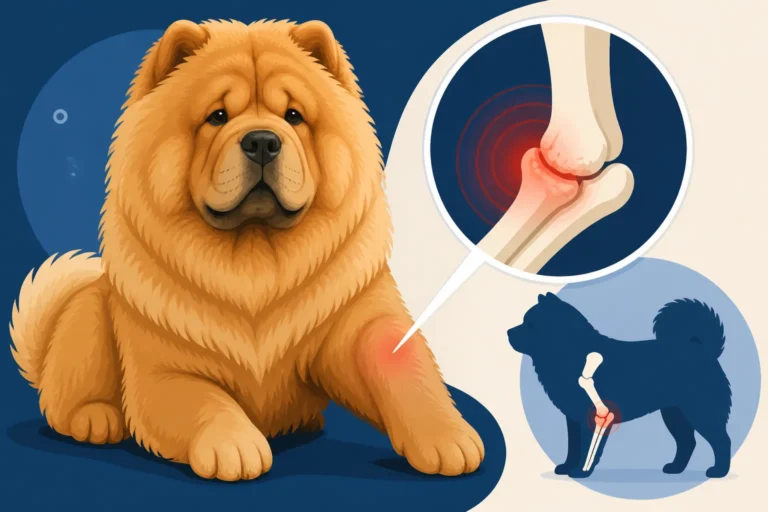
Elbow dysplasia isn't just a technical term breeders use; it's a condition that can profoundly impact a dog's life, especially a breed as substantial as a Chow Chow. Imagine living with constant joint pain – that's the reality for many dogs affected by this inherited condition. It's a developmental disorder, meaning it stems from abnormal growth or development of the elbow joint. This abnormality leads to instability, friction, and eventually, degenerative joint disease, or arthritis.
For your Chow Chow, elbow dysplasia can translate into a life of chronic pain, stiffness, and reduced mobility. You might notice them favoring a limb, limping after a walk, or struggling to get up after a nap. This can severely limit their ability to enjoy walks, play, or even simple movements like climbing stairs. Over time, the pain can become debilitating, requiring significant veterinary intervention, medication, and even surgery. Beyond the physical toll, constant pain can affect a dog's temperament, making them less active or more irritable. It's a major concern that impacts their quality of life, your emotional well-being as an owner, and your wallet with potentially extensive veterinary bills. That's why preventative measures and informed choices are so critical.
The Chow Chow's Standing in OFA Elbow Scores
Now that we've covered the basics of OFA elbow evaluations, let's talk specifically about the Chow Chow and where this magnificent breed typically stands in these important health assessments. It's a conversation every prospective Chow owner needs to have with their breeder, and every current owner should understand.
General Statistics for the Breed
When we look at the Orthopedic Foundation for Animals (OFA) statistics for elbow dysplasia, the Chow Chow unfortunately doesn't always fare as well as we'd hope. While overall percentages vary year by year and can be influenced by how many dogs are submitted for evaluation, the Chow Chow breed often shows a notable prevalence of elbow dysplasia. For instance, according to historical OFA data, the percentage of Chow Chows receiving dysplastic elbow ratings can be higher than the average for all breeds combined. Many sources place the Chow Chow as having a higher incidence rate compared to many other breeds, sometimes ranking them among the breeds with a significant predisposition. This means that Elbow Dysplasia Ranks the Chow Chow Near the Top.
It's not that every Chow Chow will develop the condition, but the breed carries a genetic predisposition that makes responsible breeding paramount. This elevated risk is a reality that potential owners must acknowledge. While you might find individual lines with excellent elbow health, as a breed, they are definitely not at the bottom of the list for this particular ailment. This makes seeking out breeders who prioritize elbow screening not just a good idea, but an absolute necessity. Understanding How Common Elbow Dysplasia Is in Chow Chows is the first step towards advocating for your dog's long-term health.
Factors Contributing to Elbow Dysplasia in Chow Chows
Several factors contribute to the higher incidence of elbow dysplasia in Chow Chows, and it's a complex interplay of genetics, conformation, and environmental influences. The most significant factor is undoubtedly genetic predisposition. Elbow dysplasia is an inherited condition, meaning it’s passed down from parents to offspring. Even if parents appear outwardly healthy, they can carry genes for the condition and pass them on. This is why official OFA certifications are so vital – they provide an objective measure of a dog’s joint health that goes beyond what meets the eye.
Beyond genetics, the Chow Chow's unique physical characteristics can play a role. Their sturdy, heavy-boned build means more stress is placed on their developing joints. Their somewhat distinctive "stilted" gait, often attributed to their relatively straight rear leg, can also affect how forces are distributed through their joints during movement. While this gait is characteristic of the breed, some speculate that it might contribute to unusual wear patterns over time if not managed properly, potentially exacerbating underlying joint issues. A thorough understanding of How a Chow Chow's Gait Wears Its Joints can provide valuable insight. Rapid growth during puppyhood is another critical factor. Puppies that grow too quickly, often due to an overly rich diet or excessive exercise, are at higher risk for developing joint issues like elbow dysplasia. This is why careful management of a Chow Chow puppy's diet and exercise is crucial to allow their bones and joints to develop properly and slowly.
The Importance of Breeder Screening
Given the Chow Chow's predisposition to elbow dysplasia, the importance of breeder screening cannot be overstated. This is not just a checkbox on a form; it's a commitment to the health and future of the breed and, more importantly, to the individual puppies they produce. A responsible breeder will wholeheartedly embrace health testing, including OFA elbow evaluations, for all breeding stock. They won't just tell you they do it; they'll show you the official certificates and allow you to verify the results on the OFA public database.
When you're looking for a Chow Chow puppy, always ask to see the OFA elbow scores for both parents, and ideally, their grandparents as well. Look for parents with "Normal" elbow ratings. If a breeder avoids the topic, claims their dogs are "healthy" without proof, or says the tests are too expensive, these are major red flags. Reputable breeders understand that What a Chow Chow Breeder Should Have Tested goes beyond just elbows, extending to hips and eyes too. Choosing a puppy from health-tested parents significantly reduces your puppy's risk of developing hereditary conditions, saving you heartache and potentially immense veterinary costs down the line. Remember, What a Chow Chow Costs to Buy in 2026 might seem like a lot, but investing in a responsibly bred puppy with health clearances is always cheaper in the long run than managing chronic illness.
Living with a Chow Chow and Elbow Health Concerns
Even with the best intentions and responsible breeding, elbow issues can sometimes arise. Understanding how to recognize the signs, manage the condition, and mitigate risks throughout your Chow Chow’s life is crucial for their comfort and well-being.
Recognizing the Signs of Elbow Pain
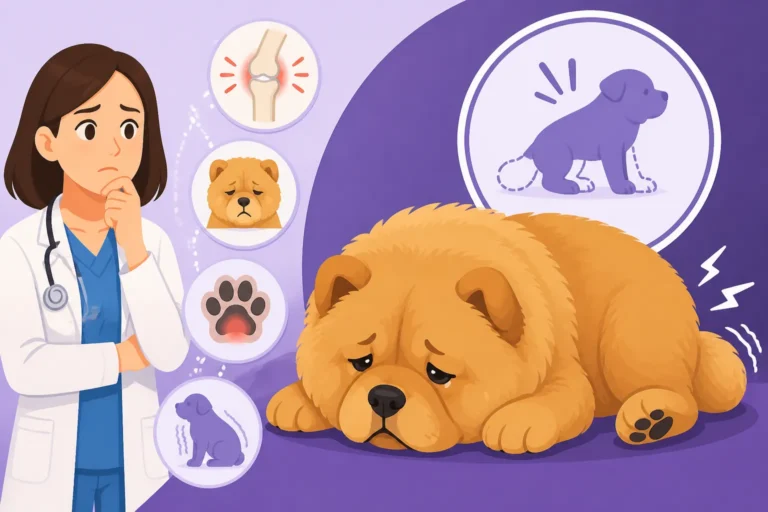
One of the biggest frustrations and challenges of owning a Chow Chow is their famously stoic nature. They are not a breed to openly complain or show obvious signs of discomfort until pain is significant. This means recognizing the subtle signs of elbow pain requires keen observation and an understanding of your dog's normal behavior. You might not see dramatic limping immediately. Instead, look for more nuanced changes. Perhaps your Chow is a little slower to get up after a nap, or they seem stiff, especially in the morning or after prolonged rest. This is often described as Why a Chow Chow Limps After Rest.
They might be reluctant to jump into the car, climb stairs, or engage in their usual play. You might notice them shifting their weight more, or their gait might appear more rigid or "stilted" than usual. Sometimes, a dog might even lick or chew at the affected elbow. Their appetite or general demeanor might change slightly. Early detection is vital for managing the condition effectively. Pay close attention if you notice any changes in their willingness to move, their activity level, or their usual patterns. Since a Chow Chow is expert at How a Chow Chow Hides Pain, it's up to us to be diligent observers. If you suspect discomfort, a vet visit is always warranted.
Management and Care for Affected Chows
If your Chow Chow is diagnosed with elbow dysplasia, either as a puppy or later in life, there are numerous strategies to help manage the condition and ensure their comfort. The treatment plan will depend on the severity of the dysplasia, but a multi-faceted approach is almost always best.
Veterinary interventions can range from non-steroidal anti-inflammatory drugs (NSAIDs) to manage pain and inflammation, to more advanced treatments like joint injections. Physical therapy, including controlled exercise, hydrotherapy, and therapeutic massage, can significantly improve mobility and muscle strength around the joint. In severe cases, surgical options, such as arthroscopy or even total elbow replacement, might be considered, though What Elbow Surgery Costs on a Chow Chow can be substantial.
Lifestyle adjustments are equally important. Maintaining an ideal body weight is paramount because every extra pound puts more strain on compromised joints. This means Keeping a Chow Chow at the Weight Its Elbows Can Carry is a non-negotiable. Joint supplements containing glucosamine, chondroitin, and MSM can support cartilage health and reduce inflammation, though always consult your vet before adding supplements. Providing soft bedding, ramps to avoid jumping, and careful monitoring of activity levels will also contribute to their comfort. This is where pet insurance can be a real lifesaver. Companies like Healthy Paws offer comprehensive coverage that can help ease the financial burden of managing chronic conditions like elbow dysplasia, allowing you to focus on your dog's care without the added stress of overwhelming bills. Their plans can cover diagnostics, medications, physical therapy, and even surgery for eligible conditions, providing immense peace of mind.
Preventing and Mitigating Risk
Even if you’ve chosen a puppy from OFA-certified parents, taking steps to prevent or mitigate the risk of elbow dysplasia and other joint issues is essential, especially during their critical growth phases. For Chow Chow puppies, controlled growth is key. Avoid puppy foods that are too high in calories or protein, as this can encourage rapid growth that outpaces bone development. Instead, opt for a high-quality large breed puppy formula that supports slow, steady growth.
Exercise during puppyhood needs to be carefully managed. While puppies need play and activity, over-exercising or engaging in high-impact activities like excessive jumping, running on hard surfaces, or long, strenuous hikes can put undue stress on developing joints. Keep walks moderate, allow for free play in a safe, soft environment, and avoid repetitive activities. Whether a Chow Chow Puppy Should Climb Stairs is a common question, and generally, limiting stair climbing and jumping on and off furniture is advisable until their growth plates close, which typically happens around 12-18 months of age. Understanding When a Chow Chow's Growth Plates Close helps guide these decisions.
As your Chow Chow matures, maintaining a healthy weight remains paramount. Obesity is a major contributor to joint problems. Continue with moderate, consistent exercise tailored to their individual needs and abilities. Regular veterinary check-ups are also important to monitor their joint health, especially as they enter their senior years, when The Age a Chow Chow Gets Arthritis often begins to set in. Proactive care, including quality nutrition and appropriate exercise, goes a long way in supporting their joint health throughout their life. Again, having a good pet insurance plan from a provider like Healthy Paws can be beneficial, as it encourages regular vet visits and provides financial support for any unforeseen joint issues that might arise despite your best preventative efforts.
Here's a quick look at the OFA elbow grades and what they mean for your Chow Chow:
| OFA Elbow Grade | Description | Clinical Signs | Long-term Outlook |
|---|---|---|---|
| Normal | No radiographic evidence of elbow dysplasia. | Typically none. | Excellent; minimal risk of dysplasia-related arthritis. |
| Grade I (Mild) | Minimal bone spurs (osteophytes) or slight joint incongruity. | May be asymptomatic, or show mild stiffness, occasional limping after rest. | Increased risk of developing arthritis over time; often manageable with lifestyle changes. |
| Grade II (Moderate) | More pronounced bone spurs, clear joint incongruity, or fragmented bone. | Frequent limping, stiffness, reluctance to exercise, noticeable pain. | Likely to develop significant arthritis; requires ongoing management and potential veterinary intervention. |
| Grade III (Severe) | Extensive degenerative joint disease, large bone spurs, severe incongruity. | Chronic pain, severe lameness, difficulty moving, significantly reduced quality of life. | Serious condition requiring aggressive medical or surgical management; guarded prognosis for full recovery. |
Early detection and consistent management are key, regardless of the grade. Pet insurance, such as a plan from Healthy Paws, can be invaluable for covering the ongoing costs of diagnostics, medications, and treatments associated with elbow dysplasia, ensuring your Chow Chow gets the best care possible.
Disclaimer
This article is for general informational purposes only and does not constitute professional advice. Laws, prices and regulations vary by location and change over time. Consult a qualified professional for guidance on your specific situation.