Whether a Chow Chow’s Skin Fold Gets Infected
It’s a heart-wrenching moment when you notice your beloved Chow Chow isn’t quite right. Maybe there’s a strange odor, or you spot a patch of red, angry skin beneath their glorious mane or in an unexpected wrinkle. For Chow Chow owners, the question of whether a Chow Chow's skin fold gets infected isn't a hypothetical one; it's a constant, nagging concern rooted in their unique and beautiful anatomy. This guide will walk you through understanding why these infections occur, how to spot them, and most importantly, how to prevent and treat them, ensuring your furry friend stays as comfortable and healthy as possible.
The Anatomy Behind Chow Chow Skin Fold Issues
Chow Chows are undeniably magnificent dogs, often described as lion-like with their dense coats and distinctive scowl. But it's precisely some of these unique physical traits that, while contributing to their charm, also make them predisposed to certain health challenges, particularly skin fold dermatitis.
The Distinctive Wrinkles and Folds
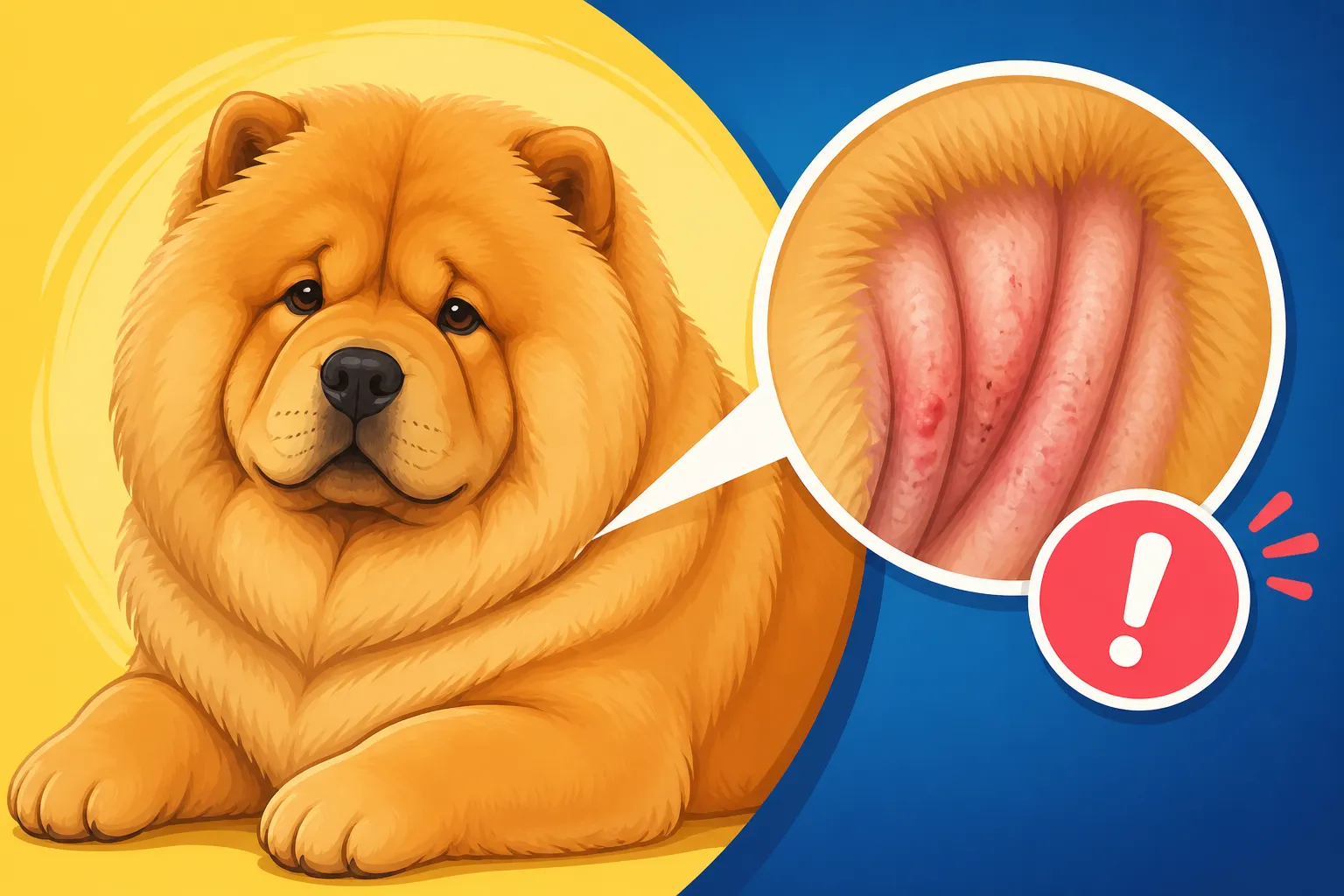
Unlike some other breeds that might have a few loose folds, Chow Chows possess a particular facial structure that creates prominent wrinkles around their eyes and muzzle, contributing to their characteristic expression. Beyond the face, many Chows, especially those with screw tails, also have deep folds around their tail base, and females can develop folds in their perivulvar region. These aren't just cosmetic features; they are anatomical traps.
Imagine several layers of thick, plush fabric pressed tightly together. That's essentially what these skin folds are like. They create areas where skin rubs against skin, leading to friction. More importantly, these folds are perfectly designed pockets that can trap moisture, debris, and heat, creating a microclimate that is far from ideal for healthy skin. A common misconception is that these folds are always dry and airy because of the surrounding coat, but the reality is often quite the opposite. Owners frequently ask themselves, "Whether a Chow Chow's Face Fold Traps Moisture" because they've seen firsthand how damp and irritated these areas can become. It's a frustrating situation because the very features that make a Chow Chow so unique also demand meticulous attention to prevent problems.
Why Moisture and Heat Are the Enemy
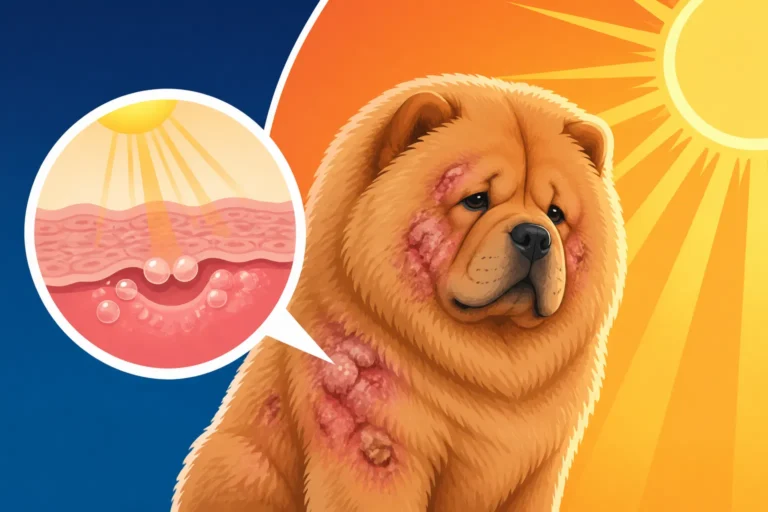
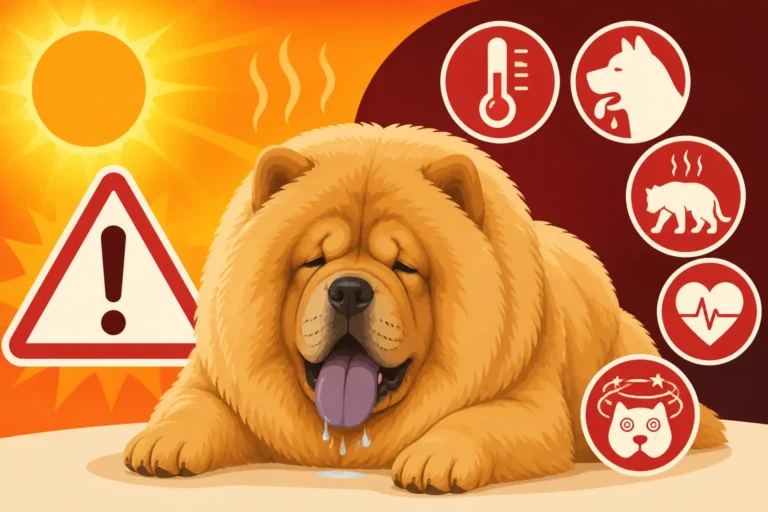
The combination of friction, warmth, and trapped moisture within these folds creates a breeding ground for bacteria and yeast, leading to a condition known as skin fold dermatitis, or intertrigo. Think of it like a tiny, humid greenhouse right on your dog's skin. The Chow Chow's dense double coat further exacerbates this issue, acting like an insulating blanket that holds heat and humidity close to the skin, even in areas that might seem well-ventilated. This is particularly challenging considering that heat is the Chow Chow's most immediate danger, as explored in "Heat Is the Chow Chow's Most Immediate Danger".
When sweat, tears, saliva, or even urine (in the case of perivulvar folds) get caught in these areas and can't evaporate, the skin becomes macerated and weakened. This compromised skin barrier is then easily colonized by opportunistic microorganisms. Bacteria like Staphylococcus and yeast like Malassezia thrive in these warm, moist environments, leading to inflammation, itching, and infection. The constant rubbing within the folds only serves to irritate the skin further, creating a vicious cycle that can quickly escalate from mild redness to a painful, weeping infection. It’s a silent battle that often goes unnoticed until the infection is quite advanced, partly because a Chow Chow's dense coat hides weight loss and other issues, including skin problems, so well.
Recognizing the Signs of Skin Fold Dermatitis
Spotting a skin fold infection early in a Chow Chow can be tricky because their magnificent fur and unique facial structure often mask the early signs of discomfort. However, knowing what to look for, and more importantly, what to smell for, can make all the difference.
What to Look For in Facial and Muzzle Folds
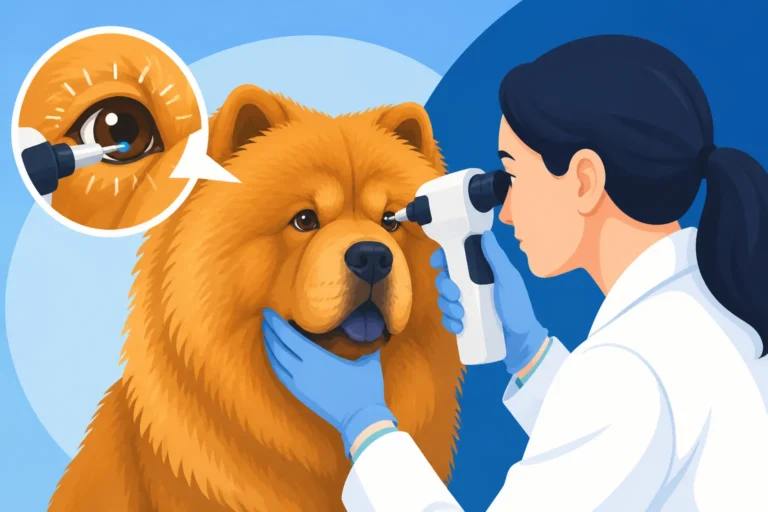
The facial folds, especially around the eyes and muzzle, are common culprits for developing infections. These are the wrinkles that give your Chow Chow their endearing "scowl," but they can also be hidden danger zones. Owners often notice their Chow Chow squinting or having excessive eye discharge, which can be signs of irritation in these folds, or even more serious conditions like entropion, where the eyelid rolls inward. You might want to refer to "What a Chow Chow's Eye Discharge Should Be Watched" for more detailed information on eye-related issues.
Visually, you might see redness, especially if you gently part the fur and peek into the deeper creases. The skin might appear raw, inflamed, or even ulcerated. Hair loss in the affected area is another tell-tale sign, often accompanied by a greasy or crusty texture to the skin and fur. There might be a noticeable discharge, which can range from clear and watery to thick and pus-like, sometimes tinged with blood. Your dog might also show signs of discomfort, like rubbing their face against furniture, pawing at their muzzle, or becoming head shy when you try to touch their face. The deep-set eyes of the breed, while beautiful, can make it difficult to visualize the underlying skin, adding to the challenge of early detection.
Identifying Issues in Tail Folds and Perivulvar Areas
Beyond the face, other areas of a Chow Chow's body are also susceptible to skin fold infections. The tail fold, particularly in Chows with tightly curled or "screw" tails, is a prime location. These tails create a deep pocket at their base where moisture and feces can easily get trapped. You might notice your Chow Chow scooting their rear on the ground more frequently, or constantly licking or chewing at their tail base. Upon closer inspection, you'll likely find red, irritated, or ulcerated skin, often with a foul odor. The fur around the tail base might be matted or discolored from constant moisture.
Similarly, female Chow Chows can develop perivulvar dermatitis if they have excessive skin folds around their vulva. Urine can become trapped in these folds, leading to a persistent moist environment that encourages bacterial and yeast overgrowth. Signs include redness, inflammation, chronic licking of the area, and, again, a strong, unpleasant odor. This can be especially distressing for owners who diligently keep their dogs clean, only to find recurrent issues in these hidden areas. Understanding "Whether a Chow Chow's Sanitary Area Can Be Trimmed" might offer some solutions for managing hygiene in these sensitive spots.
The Role of Odor and Discomfort
Perhaps the most common and earliest sign of a brewing skin fold infection, even before visible irritation, is a distinct, unpleasant odor. Many owners describe it as a cheesy, yeasty, or rancid smell. This isn't just your dog needing a bath; it's the smell of bacterial or yeast overgrowth, producing metabolic byproducts that reek. This odor can be localized to the affected folds or, if the infection is widespread, become generally noticeable around your dog.
Beyond the smell, pay close attention to your Chow Chow's behavior. Are they more withdrawn or irritable? Do they flinch when you try to pet certain areas? Are they excessively scratching, licking, or chewing at a particular spot? These behavioral changes, combined with the tell-tale odor, are often the clearest indicators that something is amiss, especially since a Chow Chow's dense coat can hide many physical signs. It's easy to dismiss a slight scent as just "dog smell," but with a Chow Chow, any persistent or strong odor warrants a closer look, especially in those hidden folds. Don't wait until the skin is raw and weeping; an early intervention can save your dog a lot of discomfort and prevent a minor issue from becoming a severe infection.
| Fold Area | Common Symptoms | Key Observations |
|---|---|---|
| Facial/Muzzle Folds | Redness, inflammation, hair loss, weeping discharge, crusting, strong odor, squinting, pawing at face. | Look deeply into creases; check under the "scowl." |
| Tail Folds | Redness, raw skin, foul odor, matted fur, licking/chewing at tail, scooting. | Examine the base of the tail, especially with screw tails. |
| Perivulvar Folds | Redness, chronic licking, inflammation, strong odor, moist skin. | Requires careful inspection; often accompanied by urinary issues. |
Proactive Care and Daily Management
Dealing with skin fold infections in a Chow Chow can be a persistent battle, but a robust proactive care routine is your best defense. It's about diligent attention to detail and creating an environment where these opportunistic invaders can't thrive.
The Importance of Regular Cleaning and Drying
This is the cornerstone of preventing skin fold dermatitis. Those deep folds, whether on the face, around the tail, or elsewhere, need regular, thorough cleaning to remove trapped moisture, dirt, and debris that act as fuel for bacterial and yeast overgrowth. For facial folds, consider a routine where you gently cleanse the areas at least once daily, or every other day, depending on your dog's individual predisposition and the climate. You can use a soft cotton pad or a clean, soft cloth dampened with a vet-approved antiseptic solution specifically formulated for dogs. Products containing chlorhexidine or witch hazel are often recommended. Be incredibly gentle, as the skin in these areas can be delicate and easily irritated.
After cleansing, the most critical step, and one often overlooked, is thoroughly drying the folds. Leaving them even slightly damp can negate all your efforts. Use a clean, dry piece of cotton, a soft towel, or even a low, cool setting on a hairdryer (held at a safe distance) to ensure every crease is completely dry. Some owners even apply a light layer of cornstarch or a veterinary-prescribed drying powder (never talcum powder, which can be inhaled) to help absorb any residual moisture. This regular, gentle routine is essential for maintaining skin health in these vulnerable areas. For more specific guidance on facial care, you might find "How Often a Chow Chow's Face Folds Need Cleaning" to be very helpful.
Maintaining a Dry and Cool Environment
Given the Chow Chow's dense double coat and their inherent sensitivity to heat, maintaining a cool and dry environment isn't just about general comfort; it's a vital part of preventing skin issues. Humid conditions exacerbate skin fold dermatitis by increasing moisture retention in the folds and promoting microbial growth. Owners often struggle with understanding "What Temperature Is Too Hot for a Chow Chow" and how to manage it, but keeping your home cool with air conditioning, especially during warmer months, is paramount.
Avoid long periods outdoors during peak heat and humidity. If your Chow Chow gets wet from rain, a swim, or even just heavy panting on a hot day, ensure their coat and especially their skin folds are completely dry as soon as possible. A high-velocity dog dryer can be invaluable for this, helping to push moisture out from deep within the coat and folds. Cooling mats or vests can also offer temporary relief, helping to keep their core temperature down and reduce overall sweating, thereby minimizing moisture in their folds. This holistic approach to environmental management significantly reduces the conditions under which skin fold infections thrive.
Nutritional Support and Weight Management
A dog's diet plays a crucial role in overall skin and coat health, and this holds true for Chow Chows prone to skin fold issues. Feeding a high-quality, balanced diet rich in omega-3 fatty acids can support a healthy skin barrier and reduce inflammation throughout the body. Some Chow Chows might have sensitivities or allergies to certain food ingredients, which can manifest as skin irritation, making them even more susceptible to secondary infections in their folds. If you suspect food allergies, consulting with your vet to explore a limited ingredient or hydrolyzed protein diet could be beneficial.
Weight management is another critical, yet often overlooked, aspect. An overweight Chow Chow will likely have more pronounced skin folds, leading to increased friction and deeper, harder-to-clean crevices. This extra fat also contributes to overall body heat retention, compounding the problem of moisture. Maintaining your Chow Chow at a healthy, lean weight reduces the severity of folds, improves air circulation, and lessens the likelihood of irritation. This is particularly important for a breed that can be prone to joint issues like Elbow Dysplasia Ranks the Chow Chow Near the Top, as excess weight puts additional strain on their joints, and managing their weight can positively impact their overall health and mobility. Discuss your Chow Chow's ideal weight and diet with your veterinarian to ensure you're providing the best possible support for their skin and general health.
When to Seek Veterinary Intervention and Long-Term Solutions
Despite the best home care, sometimes skin fold infections can take hold or become recurrent, requiring professional veterinary intervention. Knowing when to escalate from home remedies to a vet visit is crucial for your Chow Chow's comfort and long-term health.
Recognizing When It's More Than a Simple Irritation
You've been diligently cleaning, drying, and watching, but the problem persists or worsens. This is your sign to call the vet. If you notice any of the following, don't delay: severe redness, swelling, obvious pain when the area is touched, a persistent or worsening foul odor, discharge that is thick, pus-like, or bloody, or if your Chow Chow seems generally unwell, lethargic, or has a fever. These signs indicate a deeper, more severe infection that likely requires prescription medication.
It's important to remember that some skin conditions can mimic infections. For instance, autoimmune diseases can sometimes present with skin lesions, as discussed in "What Pemphigus Foliaceus Does to a Chow Chow". While less common, it highlights why a professional diagnosis is vital. Your veterinarian can differentiate between a bacterial/yeast infection and other underlying skin conditions that might require a different treatment approach. Don't wait until your Chow Chow is truly suffering. Early veterinary care can prevent the infection from spreading, becoming chronic, or causing significant scarring and discomfort.
Diagnostic Tests and Treatment Options
When you visit the vet for skin fold dermatitis, they'll typically start with a thorough physical examination, paying close attention to all the folds. They might use a simple diagnostic tool like a skin cytology (taking a swab or impression of the affected skin and examining it under a microscope) to identify the type of bacteria or yeast present. In some stubborn or recurrent cases, a bacterial culture and sensitivity test might be performed to determine the most effective antibiotic.
Treatment usually involves a multi-pronged approach. Your vet will likely prescribe topical medications, such as medicated wipes, shampoos, creams, or sprays containing antibiotics, antifungals, and/or anti-inflammatory agents. For more severe infections, oral antibiotics or antifungals may be necessary. In addition to medication, they'll reinforce the importance of continued diligent cleaning and drying at home. For chronic or severe cases, especially those causing significant pain or recurrent issues, your vet might even discuss surgical options. Procedures like vulvoplasty (to remove excessive skin folds around the vulva) or even surgical removal of problematic facial folds can be considered as a last resort to provide long-term relief when conservative management fails. These procedures aim to remove the anatomical traps that facilitate the infections.
The Role of Pet Insurance and Proactive Planning
Let's be realistic: chronic or recurrent skin fold infections, especially if they require multiple vet visits, diagnostic tests, and prescription medications, can really add up financially. And if surgery becomes necessary, the costs can be substantial. This is where having a robust pet insurance plan can be an absolute lifesaver. Companies like Healthy Paws offer comprehensive coverage that can help ease the financial burden of these unexpected (or frequently recurring) health issues.
It's always wise to research pet insurance options early in your Chow Chow's life, before any conditions are diagnosed, to ensure the best possible coverage. Many policies have waiting periods or might consider pre-existing conditions if the issue was noted before coverage began. Pet insurance, such as plans from Healthy Paws, can cover accident and illness costs, which often include veterinary exams, diagnostics, medications, and even surgery related to conditions like skin fold dermatitis. While it's an upfront cost, it provides immense peace of mind, knowing that you can provide your Chow Chow with the best possible care without having to make difficult financial decisions during a stressful time. Being proactive about their health means being proactive about planning for potential medical expenses.
Disclaimer
This article is for general informational purposes only and does not constitute professional advice. Laws, prices and regulations vary by location and change over time. Consult a qualified professional for guidance on your specific situation.