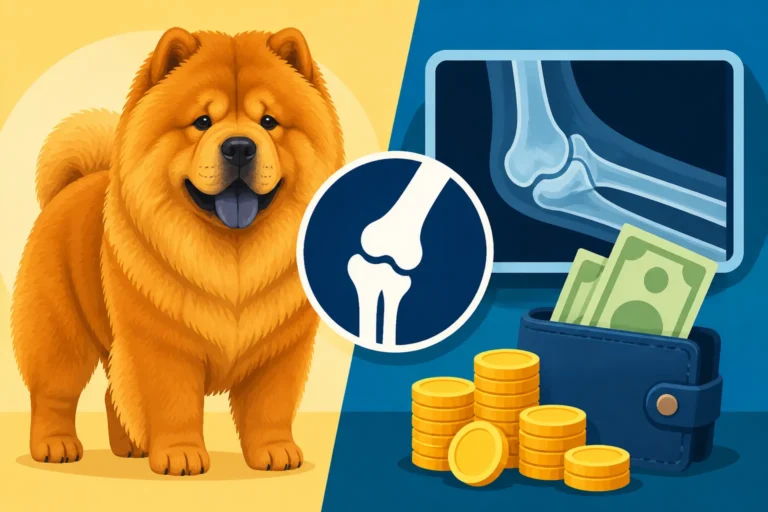
Whether a Chow Chow Suits a First Time Owner’s Budget
Bringing a Chow Chow into your life is an incredible, deeply rewarding experience, but for first-time owners especially, the financial realities can be a bit of a shock. These magnificent dogs have unique needs that translate directly into their cost of care, making it crucial to understand the budget implications before you fall head over heels for those adorable wrinkles. This guide will help you understand the full spectrum of expenses involved, ensuring you can provide a truly fulfilling life for your furry companion.
Initial Costs: Bringing Home Your First Chow Chow
The very first hurdle for any prospective Chow Chow owner is the initial outlay to actually acquire your furry friend and get them set up. This isn't just the sticker price of the puppy or adoption fee; it encompasses everything needed to welcome them safely and comfortably into your home.
Puppy Purchase or Adoption Fees
Whether you choose to buy from a reputable breeder or adopt from a rescue, there's an initial cost to consider. Breeder prices for Chow Chows can vary significantly based on pedigree, location, and the breeder's investment in health testing and early socialization. A well-bred Chow Chow puppy from a responsible breeder will reflect the significant time, effort, and financial commitment the breeder has made to ensure the health and good temperament of their pups. Don't be tempted by prices that seem too good to be true, as they often signal a lack of proper care and health screening, which can lead to far greater veterinary bills down the line. You can explore What a Chow Chow Puppy Costs From a Breeder for more detail.
On the other hand, adopting a Chow Chow from a rescue organization often involves an adoption fee. This fee helps cover the costs of spaying/neutering, initial vaccinations, microchipping, and any medical care the dog received while in rescue. While generally lower than breeder prices, these fees are essential to support the rescue's vital work. Rescues often have adult Chow Chows who might be past the tricky puppy stage but still need loving homes, and they are usually upfront about any known health or behavioral quirks. Learning What Adopting a Chow Chow Costs can help you prepare.
Essential Startup Supplies
Once you have your Chow Chow, you'll need to outfit your home. This includes a sturdy crate – Chows can be quite strong, even as puppies, so invest in quality. You'll need food and water bowls, a comfortable bed (or several, if they'll have different resting spots around the house), a leash, collar or harness, and an identification tag. Don't forget puppy pads if you're bringing home a young pup, and plenty of appropriate chew toys. Chows are powerful chewers, so durable toys are a must to protect your furniture and keep them entertained.
Beyond the basics, think about gates to restrict access to certain areas, particularly during the housetraining phase or if you need to keep your Chow separate from visitors. A comfortable car harness or crate for safe travel is also important. While some of these items are one-time purchases, others, like toys and puppy pads, will be recurring expenses, especially in the first few months.
Initial Veterinary Visits and Vaccinations
Bringing home a new puppy or rescue dog means an immediate trip to the veterinarian. For puppies, this involves a series of vaccinations, deworming treatments, and a general health check-up. They will also need to be microchipped if the breeder or rescue hasn't already taken care of it. These initial visits are critical for establishing a baseline of health and protecting your new companion from common diseases.
For an adult rescue, they might have already received many of these services, but a thorough check-up with your own vet is still crucial. Your vet will assess their overall health, discuss flea and tick prevention, heartworm medication, and any necessary booster shots. They'll also be your primary resource for questions about diet, behavior, and any potential health concerns specific to the Chow Chow breed. These initial medical expenses can add up quickly, so factor them into your immediate budget.
Ongoing Expenses: The Day-to-Day Realities
Beyond the initial "getting started" costs, owning a Chow Chow means a consistent commitment to daily, weekly, and monthly expenses that continue throughout their life. These are the regular bills that keep your Chow Chow happy, healthy, and well-cared for.
Food and Nutrition Considerations
Chow Chows, while solid and substantial, don't always eat as much as their impressive appearance might suggest. However, they do benefit from high-quality, nutritionally balanced dog food. Choosing a premium brand can impact their coat health, energy levels, and overall well-being, potentially saving you money on vet bills for diet-related issues later on. The type of food—dry kibble, wet food, raw, or a combination—will influence your monthly budget. Some Chows can have sensitive stomachs, requiring specific formulations or limited-ingredient diets, which might be a bit more expensive.
It's wise to research reputable brands and consult your veterinarian about the best diet for your individual Chow Chow, taking into account their age, activity level, and any specific health needs. Brands like Ollie offer customized fresh food plans that can be excellent for sensitive dogs, though these come at a higher price point than traditional kibble. Don't forget to factor in healthy treats for training and enrichment; these can be an additional, regular expense. You can get a better idea of What a Chow Chow Eats in a Month.
Routine Veterinary Care and Preventatives
Just like humans need annual check-ups, Chow Chows require regular veterinary care to stay in peak condition. This includes annual wellness exams, booster vaccinations, and routine deworming. More critically, ongoing parasite prevention for fleas, ticks, and heartworms is non-negotiable and represents a monthly or quarterly expense. These preventatives protect your Chow Chow from common, yet potentially serious, health issues.
As your Chow Chow ages, routine bloodwork might be recommended, adding to the cost. Remember that Chows can be stoic and sometimes difficult to examine, which might necessitate sedation for certain procedures or thorough examinations, potentially increasing veterinary fees. Building a good relationship with a vet who understands the breed's temperament is key.
Toys, Treats, and Miscellaneous
Beyond the necessities, a well-adjusted Chow Chow benefits from enrichment and comfort items. This category includes a steady supply of durable toys to satisfy their chewing instincts and provide mental stimulation. Puzzle toys, chew toys, and even interactive feeders can keep them engaged and prevent boredom-related destructive behaviors. Given their powerful jaws, some toys might not last long, so budgeting for replacements is realistic.
Treats are also a regular expense, especially if you're actively engaged in training or just enjoy spoiling your furry friend. Consider durable, safe chews or dental treats to support their oral hygiene. Don't forget other miscellaneous items like waste bags, grooming supplies (even if you use a professional groomer, you'll need basic brushes and shampoo for touch-ups), and seasonal items like cooling mats or coats if needed. Every little bit adds up over time!
Grooming and Maintenance: The Double Coat Challenge
The Chow Chow's signature dense double coat, whether rough or smooth, is undeniably beautiful but requires significant maintenance. This isn't just about aesthetics; proper grooming is vital for their health, preventing matting, skin issues, and overheating. For a first-time owner, understanding this commitment, both in time and money, is crucial.
Professional Grooming Services
Many Chow Chow owners opt for professional grooming, and for good reason. A thorough groom involves more than just a bath; it includes de-shedding the dense undercoat, trimming paw pads and sanitary areas, nail trims, and ear cleaning. For a breed like the Chow Chow, with its thick coat, this is a labor-intensive process that can take hours. The cost for a professional groom can be substantial, especially for a large, rough-coated Chow.
You'll need to budget for these sessions several times a year, with frequency increasing during their bi-annual "coat blow" periods when they shed heavily. Finding a groomer experienced with Chows is also important, as some may be hesitant due to their reserved temperament and coat density. Exploring What a Rough Coated Chow Chow Costs at the Groomer will give you a better idea of these expenses.
Home Grooming Equipment Investment
If professional grooming isn't feasible for your budget, or if you prefer to be hands-on, you'll need to invest in a comprehensive set of home grooming tools. This isn't just a brush from the pet store; it means quality equipment designed for double-coated breeds. You'll need a slicker brush, a sturdy pin brush, an undercoat rake, and a metal comb to ensure you're reaching down to the skin and effectively removing loose undercoat.
Beyond brushes, consider a high-velocity dog dryer. This is an absolute game-changer for drying a Chow Chow after a bath, preventing skin issues that can arise from damp undercoats, and helping to blast out loose hair during a coat blow. Nail clippers or a Dremel, ear cleaner, and a good dog shampoo and conditioner are also necessary. The upfront cost of these tools can be significant, but they pay for themselves over time compared to regular professional grooming.
Managing the Chow Chow Coat Blow
Twice a year, typically in spring and fall, Chow Chows "blow" their coats. This is not just shedding; it's an extreme release of their dense undercoat, and it's something first-time owners are often unprepared for. During this period, daily, intensive brushing is absolutely essential to prevent severe matting, which can be painful for the dog and lead to skin infections.
This intense shedding also means more vacuuming and cleaning around the house. You might find yourself needing more frequent baths and blow-drying sessions to help expedite the process. If you opt for professional help, expect higher bills during these periods, as the extra work involved is significant. Understanding this cycle and being prepared for the extra effort and potential cost is a key part of owning a Chow Chow. For a deeper dive, check out How Often a Chow Chow Needs a Groomer.
Health Care: Anticipating Veterinary Bills
While many Chow Chows live long, healthy lives, the breed is prone to certain genetic and acquired health conditions that can be costly to treat. Being aware of these potential issues and planning for them financially is a mark of a responsible first-time owner.
Common Chow Chow Health Concerns
Chow Chows are known for a few specific health issues that prospective owners should be aware of. One of the most common is entropion, where the eyelid rolls inward, causing eyelashes to rub against the eyeball. This can cause significant pain, irritation, and even corneal ulcers if left untreated, often requiring surgery. The Entropion Surgery Every Chow Chow Owner Should Budget For can be a significant expense. Another concern is elbow and hip dysplasia, genetic conditions affecting the joints that can lead to arthritis and require pain management or even surgical intervention.
Other potential issues include thyroid problems, certain autoimmune diseases, and eye conditions like glaucoma. Given their dense coat and susceptibility to overheating, heatstroke is also a serious, immediate danger in warmer climates or during strenuous exercise. These conditions often require specialized veterinary care, medications, and sometimes complex surgeries, making them a significant factor in your overall budget.
The Role of Pet Insurance
Pet insurance can be a lifesaver for managing the costs associated with unexpected illnesses or accidents. For a Chow Chow, given their predisposition to certain conditions like entropion or hip/elbow dysplasia, pet insurance can offer peace of mind. Policies vary widely in what they cover, deductibles, and reimbursement rates, so it's crucial to research thoroughly. Some policies might exclude pre-existing conditions, so enrolling your Chow Chow when they are young and healthy is often the most beneficial approach.
It's important to understand that some insurers might list Chow Chows as a restricted breed due to perceived higher risks, which could affect premium costs or even policy availability. However, many reputable providers, such as Healthy Paws, offer comprehensive coverage that can help mitigate the financial burden of major veterinary procedures or chronic illness treatments. Be sure to compare plans and read the fine print to find the best fit for your budget and your Chow Chow's needs. Dive deeper into Insuring a Chow Chow When Carriers Say No for more information.
Emergency Fund vs. Credit
Even with pet insurance, it's wise to have an emergency fund specifically for your Chow Chow's health needs. Most insurance policies have a deductible and reimbursement percentage, meaning you'll still be responsible for a portion of the bill upfront. An emergency fund provides a cushion for these co-pays, as well as for treatments not covered by your policy, or if you haven't met your deductible yet.
Relying solely on credit cards for veterinary emergencies can lead to significant financial stress and accumulating debt. While veterinary financing options are available, having savings dedicated to your pet's health is the most responsible approach. Consider setting aside a small amount each month specifically for this purpose. This proactive financial planning can make a world of difference when an unexpected health crisis arises.
Training and Socialization: Investing in Behavior
Chow Chows are known for their independent, somewhat aloof nature. While this can be charming, it means that early and consistent training and socialization are not just recommendations – they are absolute necessities for ensuring your Chow Chow is a well-adjusted, safe, and happy member of society. This investment, both in time and money, is critical for first-time owners.
Puppy Classes and Professional Training
For first-time Chow Chow owners, investing in puppy socialization classes is invaluable. These classes provide a controlled environment for your pup to meet new people and other dogs, which is crucial during their formative weeks. Beyond socialization, basic obedience training teaches essential cues like sit, stay, and come, establishing a foundation of good manners. Chows respond best to positive reinforcement methods and can shut down if faced with harsh corrections.
While Chows are intelligent, their independent streak means they can be challenging to train. A professional trainer experienced with primitive breeds or those with strong personalities can be a wise investment. They can help you navigate common Chow Chow traits, such as their tendency to be wary of strangers or their selective hearing. This early investment in training can prevent more costly behavioral issues down the line. To understand the importance, read Whether a Chow Chow Needs a Professional Trainer Early.
Socialization Beyond Puppyhood
Socialization isn't a one-time event; it's an ongoing process that extends well beyond puppyhood. It means regularly exposing your Chow Chow to a variety of sights, sounds, people, and appropriate dog interactions throughout their life. This helps them remain comfortable and confident in different situations, reducing the likelihood of fear-based aggression or anxiety.
However, it's important to approach socialization carefully with Chows. They typically aren't dog park enthusiasts and prefer calm, structured interactions rather than boisterous play with unknown dogs. Continued positive exposure to a wide range of experiences, managed thoughtfully, will contribute significantly to their overall demeanor and your ability to safely take them out in public.
Behavior Management Tools
Sometimes, even with the best training and socialization, behavior challenges can arise. These might require additional investment in specialized tools or expert consultation. For instance, if your Chow Chow develops leash reactivity, you might need a front-clip harness or head halter, or a professional behaviorist to work through the issue. If they exhibit resource guarding, you might need to implement specific management strategies or work with a certified professional.
It's important not to underestimate the potential cost of addressing behavioral issues. A behaviorist or veterinary behaviorist can be expensive, but their expertise can be invaluable for resolving complex problems and ensuring your Chow Chow remains a well-behaved family member. Early intervention is always best, so addressing concerns promptly can save money and stress in the long run.
Hidden Costs and Unexpected Surprises
While we can plan for many expenses, there are always those "hidden" costs and unexpected elements that can impact a first-time Chow Chow owner's budget. These often relate to their unique needs, temperament, and the unforeseen circumstances of life with a pet.
Property and Housing Adjustments
A Chow Chow, with its dense coat and protective nature, often requires specific considerations regarding your living situation. If you rent, finding a landlord who permits a Chow Chow can be challenging, as some breeds are often on restricted lists due to insurance concerns. This might limit your housing options or necessitate higher pet deposits or monthly pet rent. For homeowners, consider the cost of secure fencing – a Chow Chow needs a reliably enclosed yard, and a sturdy fence prevents escapes and ensures their safety.
Furthermore, their double coat means shedding, often in copious amounts, especially during coat blows. This can lead to increased cleaning costs, whether it's more frequent vacuum bags, professional carpet cleaning, or even investing in a powerful vacuum specifically designed for pet hair. While not a direct pet expense, the impact on your home maintenance budget is real.
Time Investment and Opportunity Costs
While not a direct monetary cost, the time commitment involved in owning a Chow Chow is immense, and for a first-time owner, this can be an unexpected "budget item." Daily grooming, consistent training, thoughtful socialization, and managing their sensitivity to heat all demand significant hours. This time has an "opportunity cost"—it's time you might otherwise spend on hobbies, social events, or extra work.
For instance, their intolerance to heat means carefully planning walks, perhaps only in the early morning or late evening in warmer climates. You can't just leave them out in the yard on a hot day. Their grooming needs mean dedicating regular blocks of time to brushing. These demands can impact your lifestyle and might mean foregoing certain activities or paying for services like dog walkers or pet sitters if you can't be there. This extensive time commitment is crucial for What the First Year With a Chow Chow Totals and beyond.
Preparing for the Unexpected
Life with a Chow Chow, like life with any pet, is full of wonderful moments but also unexpected challenges. Beyond health emergencies, consider unforeseen situations like needing to board your Chow Chow when you travel (and finding a facility willing to take a Chow Chow due to breed restrictions or temperament concerns), or needing specialized care if you fall ill. Building a financial buffer for these "what ifs" is critical.
Also, consider the long-term commitment. A Chow Chow lives for many years, and their needs change as they age. Older Chows might require more frequent vet visits, specialized diets, or mobility aids. While this isn't an immediate cost, it's a future financial consideration that a first-time owner should be aware of. Ultimately, choosing a Chow Chow means being ready for a journey that, while incredibly rewarding, comes with a broad range of financial considerations throughout their The Eight to Twelve Years a Chow Chow Gets.
Cost Comparison: Chow Chow vs. Other Breeds (General)
To provide some perspective, let's consider how a Chow Chow's expenses might compare generally to other breeds.
| Cost Category | Chow Chow (General Tendency) | Other Medium-Large Breeds (General Tendency) |
|---|---|---|
| Initial Purchase/Adoption | Often on the higher end due to breed's perceived rarity and specific breeder practices, or moderate for rescue. | Wide range, can be very low for rescues, moderate for breeders. |
| Food & Nutrition | Moderate to high, benefit from quality food, some sensitivities. | Moderate, varies greatly by size and specific needs. |
| Grooming (Professional) | High, due to dense double coat, time required, and potential handling fees. | Moderate to high, depending on coat type and length. |
| Home Grooming Investment | High, requires specialized tools (undercoat rake, high-velocity dryer). | Moderate, basic brushes and combs suffice for many. |
| Routine Vet Care | Moderate, but potential for higher costs if sedation is needed for examination. | Moderate. |
| Health Issues | Potentially high (entropion, elbow/hip dysplasia, heatstroke risk). | Varies widely by breed, but many have specific predispositions. |
| Pet Insurance Premiums | Can be higher due to breed restrictions or specific health predispositions. | Moderate to high, depends on breed and age. |
| Training & Behavior | Moderate to high, often benefits from professional guidance due to independent nature. | Moderate, highly dependent on individual dog and owner's experience. |
| Housing/Property | Potential for higher pet deposits/rent, need for secure fencing, AC. | Varies, but less common to be on restricted lists than Chows. |
| Climate Control | High, strong need for air conditioning in warmer months. | Moderate, depends on coat and local climate. |
This table illustrates that while many breeds share similar expense categories, the level of expense within those categories can be significantly higher for a Chow Chow, particularly concerning grooming, specific health issues, and climate management. This is why careful budgeting is so vital.
The Overall Budget Picture: Is a Chow Chow Right for You?
Owning a Chow Chow is a commitment that extends far beyond their adorable puppy phase. For a first-time owner, it requires a realistic understanding of not just the financial investment, but also the significant time and emotional energy involved. Their unique needs, from intensive grooming to careful socialization and managing heat sensitivity, directly impact your budget and lifestyle.
The total cost of a Chow Chow over its lifetime, including purchase, food, veterinary care, grooming, training, and miscellaneous supplies, can be substantial. For example, What a Chow Chow Costs Over Its Lifetime shows that the cumulative expenses are considerable. It’s not just about affording the initial purchase; it’s about sustaining that care for a decade or more.
Before bringing home a Chow Chow, honestly assess your financial stability and your willingness to dedicate the necessary time and resources. Can you afford high-quality food, regular professional grooming, or the right home grooming tools? Are you prepared for potential surgery costs like entropion repair or ongoing medication for conditions like hip dysplasia? Can you set aside funds for emergencies, or budget for pet insurance from providers like Healthy Paws?
Consider how their needs fit into your current lifestyle. Do you have a secure yard? Can you provide a cool environment in summer? Are you prepared for consistent, positive-reinforcement training? If you can answer these questions with a confident "yes," and you're ready for the unique challenges and immense rewards of this dignified breed, then a Chow Chow could certainly be a wonderful addition to your family. If not, it's a sign to reconsider, or perhaps explore a different breed whose needs align better with your budget and lifestyle. Knowing the full financial picture, including ongoing supply needs from retailers like Chewy, is empowering.
Disclaimer
This article is for general informational purposes only and does not constitute professional advice. Laws, prices and regulations vary by location and change over time. Consult a qualified professional for guidance on your specific situation.