Why a Chow Chow Under a Thousand Is a Warning
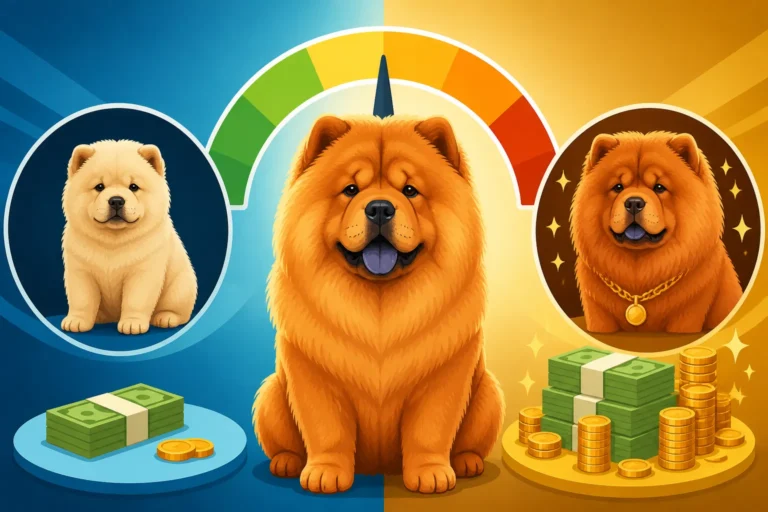
It's completely understandable to feel the pull of a "bargain" when you're looking for a Chow Chow puppy. These magnificent dogs are often quite an investment upfront, and seeing a price tag significantly lower than what you've come to expect can feel like hitting the jackpot. However, as an experienced Chow Chow enthusiast, I need to tell you that a Chow Chow advertised for under a thousand is almost always a huge red flag, often signaling a situation that will cost you far more in heartache, time, and veterinary bills down the line. This guide will walk you through why that seemingly low price is a warning, what it typically means for the puppy and your future, and how to approach finding a healthy, well-adjusted Chow Chow companion responsibly.
The Allure of the Unexpectedly Low Price Tag
Let's be honest, everyone loves a good deal. When you start researching Chow Chow puppies, you quickly realize they're not typically inexpensive. Reputable breeders invest a significant amount of time, effort, and money into their breeding programs, which naturally reflects in their asking price for a puppy. So, when you stumble upon an advertisement for a Chow Chow pup that's priced well "under a thousand" – sometimes even half or a third of what you've seen elsewhere – it's easy to get excited. It can feel like you've found a special opportunity, especially if you're on a tight budget or just trying to be financially smart.
The internet, unfortunately, has made it easier than ever for less-than-reputable individuals to connect with eager puppy buyers. These sellers often rely on the emotional pull of a cute puppy photo and the siren song of a low price to make a quick sale. They understand that many people aren't fully aware of the true costs involved in responsible breeding or the potential health and temperament pitfalls that come with cutting corners. They might even offer convincing stories about why their prices are so low – perhaps a "last puppy," or a "special discount" – but these are often just ploys to distract from the reality of the situation. It's crucial to remember that with Chows, especially, a price that seems too good to be true almost always is.
The Real Investment: What a Responsible Chow Chow Breeder Spends
When a reputable Chow Chow breeder sets a price for their puppies, that figure isn't arbitrary. It's a careful calculation that reflects a massive investment in the health, welfare, and future of their dogs and the breed as a whole. They are not simply producing puppies; they are stewards of the breed, striving to improve health, temperament, and conformation with each generation. Understanding these costs is key to seeing why a very low price is so concerning.
Comprehensive Health Testing of Parent Dogs
This is perhaps the single largest and most critical investment a responsible breeder makes. Chow Chows, like many purebred dogs, are prone to certain genetic health conditions. A reputable breeder will put their adult breeding dogs through a battery of health screenings before breeding them. This isn't just a simple vet check-up; these are specialized tests that can be quite costly.
For Chow Chows, this typically includes:
- Orthopedic Evaluations: Hip and elbow dysplasia are unfortunately common in many large breeds. Breeders will have X-rays taken and evaluated by experts like the Orthopedic Foundation for Animals (OFA) to assess joint health. This helps ensure they're not passing on genes for debilitating conditions. You can read more about Elbow Dysplasia Ranks the Chow Chow Near the Top and Hip Dysplasia in a Chow Chow.
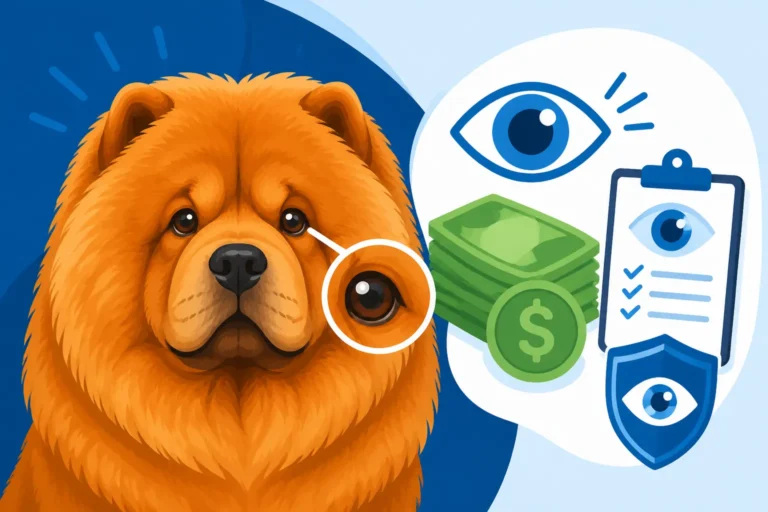
- Eye Certifications: Eye conditions like entropion and glaucoma are significant concerns for Chows. Breeders should have their dogs' eyes examined by a board-certified veterinary ophthalmologist. This involves a thorough examination to check for inherited eye diseases. Many Chows require special attention to their eyes due to their unique facial structure, as highlighted in Entropion Is the Chow Chow's Signature Problem. These certifications are often renewed yearly.
- Thyroid Panels: Autoimmune thyroiditis is another condition seen in the breed. Comprehensive thyroid panels help breeders identify affected dogs.
- Patella and Heart Checks: While less prevalent, checking patellas (kneecaps) and hearts can also be part of a thorough screening program.
Each of these tests costs money, often hundreds of dollars per dog, and they are typically done annually or biannually, depending on the test. Multiply that by several breeding dogs over several years, and you can see how the costs add up quickly. A breeder who sells puppies for under a thousand dollars simply hasn't invested in these crucial screenings, meaning they're breeding blindly and potentially passing on serious health problems to their puppies. To learn more about what tests a breeder should run, check out What a Chow Chow Breeder Should Have Tested.
Exceptional Care for Dam and Puppies
Beyond health testing, responsible breeders provide top-notch care for their breeding dogs and their litters.
- Pre-Natal and Post-Natal Veterinary Care: The dam receives special veterinary care throughout her pregnancy, during delivery (which can sometimes require expensive C-sections), and during the nursing period. This includes specialized nutrition and supplements.
- High-Quality Nutrition: Both the mother and her puppies consume premium, nutrient-dense dog food. This isn't the cheap stuff you find on the bottom shelf; it's carefully selected to support optimal growth and health. Brands like Ollie or high-quality options found on Chewy are often favored.
- Early Puppy Care: Puppies receive multiple veterinary check-ups, deworming treatments, and their initial vaccinations. Many breeders also microchip their puppies before they go to their new homes. These are all additional costs per puppy.
- Socialization and Enrichment: This is absolutely vital for Chow Chows. A responsible breeder dedicates immense time and effort to socializing their puppies from a very young age, exposing them to various sights, sounds, people, and appropriate stimuli. This crucial early work lays the foundation for a well-adjusted, confident adult Chow Chow. Without it, you can end up with a fearful or aggressive dog, a topic explored in Why Early Socialization Decides What a Chow Chow Becomes.
- Clean and Safe Environment: Puppies are raised in a clean, temperature-controlled, and stimulating environment, reducing the risk of illness and promoting healthy development.
All of this hands-on care, from conception to the day the puppy goes home, demands immense time, effort, and financial resources that are simply not recuperated by selling a puppy for a rock-bottom price.
Pedigree, Registration, and Breeder Support
Finally, reputable breeders often maintain meticulous records, register their litters with recognized kennel clubs, and provide ongoing support to their puppy buyers.
- Registration Fees: Registering litters and individual puppies with organizations like the American Kennel Club (AKC) incurs fees.
- Show and Event Expenses: Many responsible breeders participate in conformation shows or other dog sports to prove the quality of their breeding stock. This involves travel, entry fees, and professional grooming, all adding to the overall cost of maintaining a breeding program.
- Lifetime Support: A good breeder is a mentor for life. They are available to answer questions, offer advice, and even take a dog back if circumstances change for the owner. This commitment means they truly care about where their puppies end up and how they fare throughout their lives.
When you factor in all these elements – the health testing, veterinary care, quality nutrition, socialization efforts, time commitment, and ongoing support – it becomes clear that a Chow Chow puppy from a responsible breeder will command a price reflecting this significant investment. Anything substantially lower should immediately raise concerns.
The Hidden Costs and Heartache of a "Bargain" Chow Chow
The lure of a cheap Chow Chow often blinds potential owners to the true cost – a cost paid not in upfront dollars, but in unforeseen expenses, emotional distress, and potential behavioral challenges. That "bargain" price tag is almost always a precursor to significant problems.
Astronomical Veterinary Bills
This is, by far, the biggest hidden cost. When a breeder cuts corners on health testing and puppy care, the puppies inevitably pay the price, and so do their unsuspecting new owners.
- Genetic Health Issues: Puppies from un-health-tested parents are far more likely to develop conditions like hip and elbow dysplasia, Entropion Is the Chow Chow's Signature Problem, or Familial Renal Dysplasia Kills Young Chow Chows.
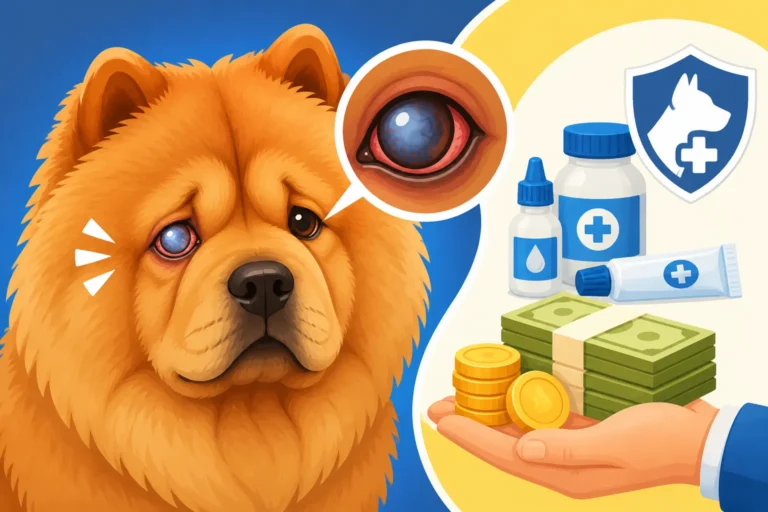
- Entropion: This painful condition, where the eyelid rolls inward, causing eyelashes to rub against the cornea, often requires surgical correction. The cost of entropion surgery can be substantial, often running into thousands of dollars per eye. Many puppies need this surgery, and sometimes more than one, as discussed in The Entropion Surgery Every Chow Chow Owner Should Budget For. If left untreated, it can lead to chronic pain, corneal ulcers, and even blindness.
- Dysplasia: Hip or elbow dysplasia can lead to crippling arthritis, requiring expensive pain management, physical therapy, and potentially even surgery over the dog's lifetime. Imagine a puppy that can barely walk comfortably by its first birthday – that's a heartbreaking reality for many owners of poorly bred Chows.
- Infectious Diseases: Puppies raised in unsanitary conditions, without proper vaccinations, or from parents not properly cared for are highly susceptible to infectious diseases.
- Parvovirus and Distemper: These are highly contagious, often fatal diseases that require intensive, expensive veterinary care. Treatment can easily run into the thousands, and even then, survival is not guaranteed.
- Intestinal Parasites: Worms, giardia, and coccidia are common in puppies from puppy mills or backyard breeders. While treatable, severe infestations can lead to dehydration, malnourishment, and prolonged illness, requiring multiple vet visits and medications.
- Other Maladies: Skin infections, ear mites, severe malnutrition, and respiratory infections are all common ailments in puppies from neglected environments. These might seem minor, but they add up quickly and cause significant discomfort for the puppy.
Without pet insurance, which can help offset these costs (look into providers like Healthy Paws for potential coverage, though pre-existing conditions are typically excluded), you could be facing veterinary bills that quickly eclipse the initial "savings" of your cheap puppy. Often, owners end up paying thousands of dollars for a dog they bought for a few hundred, only to face ongoing health battles.
Behavioral Challenges and Training Costs
Beyond physical health, a lack of proper socialization and early care from a responsible breeder can lead to severe behavioral issues, particularly in a breed like the Chow Chow, which has a naturally reserved and sometimes wary temperament.
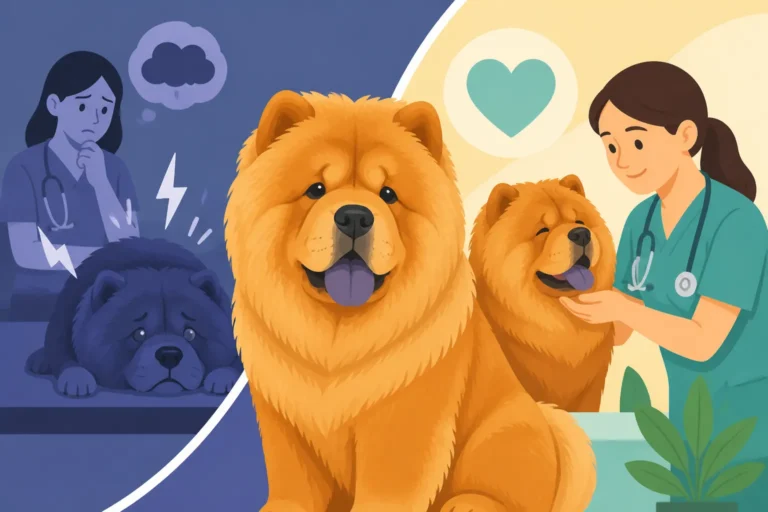
- Fear and Aggression: Puppies raised without adequate exposure to the world, without positive interactions with various people, sounds, and environments, often grow into fearful or aggressive adults. This is especially true for Chows. An undersocialized Chow Chow can be a danger to strangers, other animals, and even family members. You might find yourself needing to call a professional behaviorist or trainer, which can be incredibly expensive. Whether a Chow Chow Needs a Professional Trainer Early is a valid concern even for well-bred Chows, but it becomes a critical necessity for a poorly socialized one.
- Anxiety and Phobias: Undersocialized puppies may develop severe anxiety, separation anxiety, noise phobias, or generalized fear, making it difficult for them to adapt to normal life.
- Housetraining Difficulties: Puppies raised in crates too small or forced to live in their own waste often struggle with housetraining, creating a messy and frustrating situation for new owners.
These behavioral issues are not just inconvenient; they can severely impact your quality of life, the dog's well-being, and even lead to the dog being rehomed or euthanized if not addressed. The cost of professional training and behavior modification can be astronomical, easily costing more than the initial price of a well-bred puppy.
The Emotional Toll
Perhaps the most devastating cost of a "bargain" Chow Chow is the emotional toll it takes on you and your family. Bringing home a puppy that is chronically ill or has severe behavioral issues is heartbreaking. You form an immediate bond, only to watch your new companion suffer or struggle. The stress of constant vet visits, the worry about their prognosis, the financial strain, and the disappointment of not having the happy, healthy companion you envisioned can be overwhelming. It's a situation I wouldn't wish on anyone.
Consider this comparison:
| Feature | Responsible Breeder Chow Chow (Typically $2000+) | Low-Priced Chow Chow (Under $1000) |
|---|---|---|
| Initial Cost | Higher | Lower |
| Parent Health Testing | Extensive (Hips, Elbows, Eyes, Thyroid, etc.) | Minimal or None |
| Parent Care | High-quality nutrition, vet care, comfortable environment | Often neglected, minimal care |
| Puppy Vet Care | Multiple vet checks, vaccinations, deworming, microchip | Minimal, often incomplete |
| Puppy Socialization | Intentional, diverse exposure from early age | Limited or none, often confined |
| Temperament Outlook | Generally stable, confident, well-adjusted | Higher risk of fear, aggression, anxiety |
| Genetic Health Risk | Significantly lower | Significantly higher |
| Breeder Support | Lifelong, knowledgeable resource | None or vanishes after sale |
| Potential Vet Bills | Lower likelihood of major genetic issues | Very high likelihood of major issues |
| Emotional Impact | Joy, companionship, peace of mind | Stress, heartbreak, financial strain |
This table clearly illustrates What a Cheap Chow Chow Puppy Signals. It’s an indicator of neglected care and a lack of ethical responsibility.
Finding Your Chow Chow: Investing in a Healthy Future
So, if a low-priced Chow Chow is such a risk, how do you find a healthy, well-adjusted companion? The answer lies in seeking out reputable sources who prioritize the well-being of their dogs over quick profits.
Choosing a Reputable Breeder
This is often the ideal route for obtaining a purebred Chow Chow. A reputable breeder will:
- Health Test Their Breeding Stock: They will proudly provide proof of OFA certifications for hips and elbows, eye certifications from a veterinary ophthalmologist, and thyroid clearances for both parents. Don't just take their word for it; ask to see the official documentation.
- Be Knowledgeable and Transparent: They should be able to answer all your questions about the breed, the parents, the puppies, and their breeding philosophy. They'll be open about any potential health issues in their lines and discuss how they mitigate risks.
- Invite You to Their Home: They will want you to visit to meet the dam (the mother) and the puppies in their home environment. This allows you to assess the conditions the puppies are raised in and observe the dam's temperament. Be wary of breeders who want to meet you in a parking lot or at a neutral location.
- Interview You Thoroughly: A good breeder wants to ensure their puppies go to suitable homes. They'll ask you many questions about your lifestyle, experience, and living situation.
- Provide a Contract and Health Guarantee: This contract should outline responsibilities, spay/neuter clauses, and a guarantee against certain genetic health conditions.
- Offer Lifetime Support: They should be a resource for you for the lifetime of your dog.
- Price Reflects Quality: Expect to pay a fair price for a well-bred Chow Chow, typically well over a thousand dollars, often significantly more. This reflects the immense investment they’ve made. To get an idea of the total financial commitment, consider What the First Year With a Chow Chow Totals.
Adopting from a Chow Chow Rescue
Another wonderful option is adopting an older Chow Chow from a breed-specific rescue organization. These organizations dedicate themselves to rehoming Chows who, through no fault of their own, need a new home.
- Known History: Rescue organizations often have a good understanding of a dog's history, temperament, and any known health issues. They work to address these problems before adoption.
- Veterinary Care Included: Rescue dogs are typically spayed/neutered, up-to-date on vaccinations, microchipped, and have received initial veterinary care, which is usually covered by the adoption fee.
- Lower Initial Cost: Adoption fees are generally much lower than purchasing from a breeder, usually a few hundred dollars, and are put back into caring for other rescue dogs. For more on this, look into Adopting a Chow Chow From Rescue.
- Mature Temperament: Adopting an adult dog means their personality is already established, offering fewer surprises than a puppy.
- Pet Insurance is Still Wise: Even with a rescue, pet insurance (like Healthy Paws) is a smart investment to cover any unexpected future health needs.
Preparing for the True Costs of Chow Chow Ownership
No matter where your Chow Chow comes from, it's essential to understand that the purchase price is just the very beginning of the financial commitment. Chows require significant investment in their care throughout their lives.
- Food: High-quality dog food is essential for their health. Brands like Ollie, which offers customized meal plans, or premium dry foods available on Chewy, are an ongoing expense.
- Grooming: Their dense double coats, whether rough or smooth, require regular grooming to prevent matting and skin issues. This can involve professional grooming or a significant investment in home grooming tools and time.
- Veterinary Care: Routine check-ups, vaccinations, parasite prevention, and unexpected medical needs are all part of responsible ownership.
- Training and Socialization: Even a well-bred Chow benefits from ongoing training and socialization. What Puppy Socialization Classes Cost a Chow Chow Owner and advanced training can add up.
- Supplies: Crate, leash, collar, toys, beds, and other essentials are initial purchases.
- Pet Insurance: As mentioned, pet insurance can be a lifesaver when unexpected illnesses or accidents occur, helping you avoid devastating vet bills.
The initial price of a Chow Chow puppy, while a significant number, is really just a down payment on a decade or more of care, love, and responsibility. Choosing a healthy, well-bred dog from a reputable source is not an extravagance; it's an investment in a future filled with joy and fewer heartbreaking challenges. Don't let a low price tag tempt you into a decision that will likely cost you far more in the long run.
Disclaimer
This article is for general informational purposes only and does not constitute professional advice. Laws, prices and regulations vary by location and change over time. Consult a qualified professional for guidance on your specific situation.