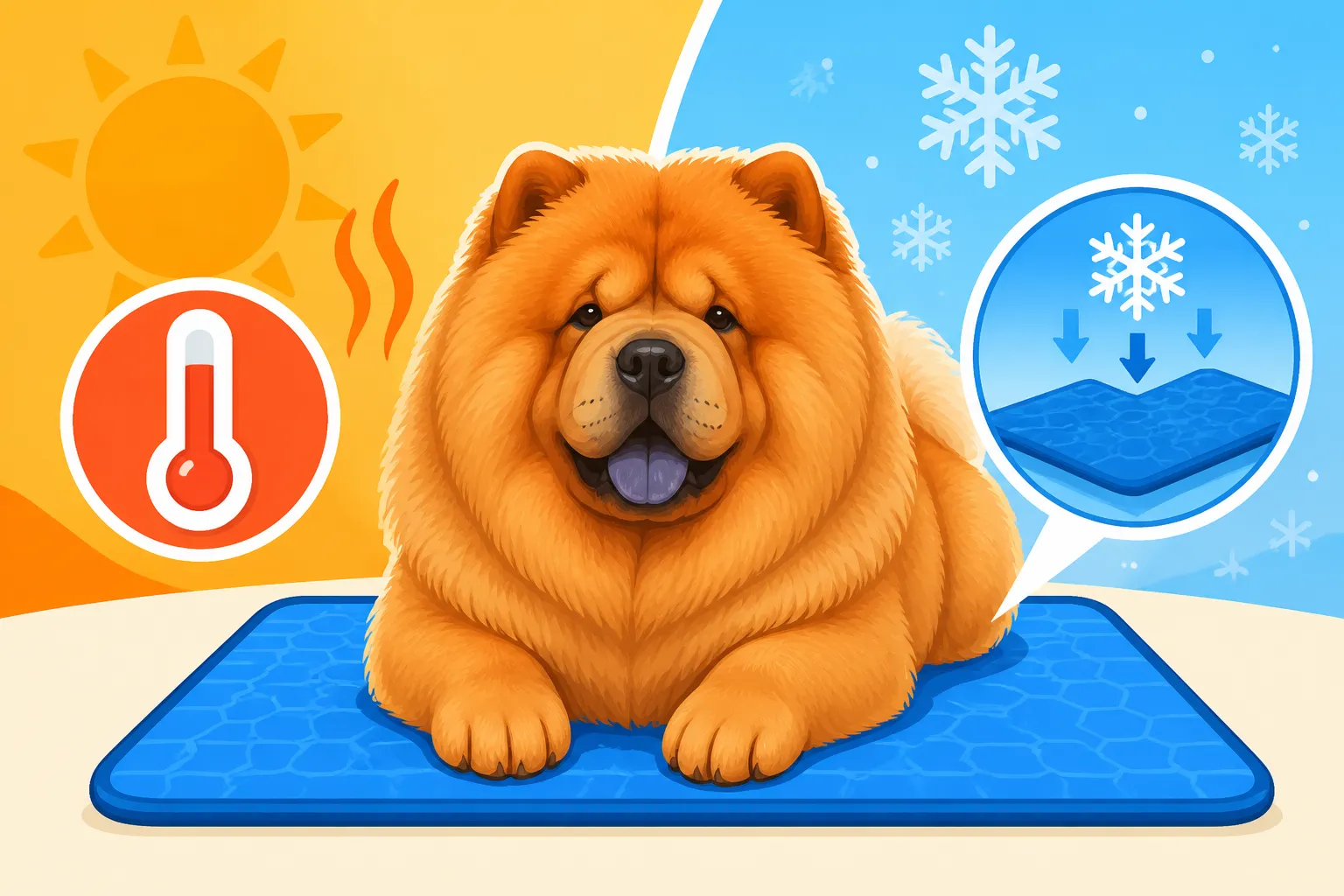
Whether a Chow Chow Needs a Cooling Mat
If you’re a Chow Chow owner, you’re probably no stranger to the constant worry that creeps in with warmer weather. It’s frustrating to see your beloved furry lion panting heavily, looking uncomfortable, and knowing that their thick, luxurious coat is actually a major disadvantage when the mercury rises. Many of us wonder if a cooling mat is truly effective or just another gadget. This guide will dive deep into whether a cooling mat can make a real difference for your Chow Chow and how to best support them through the heat.
Understanding Your Chow Chow's Struggle with Heat
Let's be honest, our Chows were built for colder climates. Their majestic appearance, while stunning, comes with a built-in insulation system that just doesn't play well with summer heat. It's not just a minor inconvenience; for a Chow Chow, overheating can quickly become a serious health crisis.
The Double Coat Dilemma
The most obvious culprit in your Chow Chow's heat struggles is their magnificent double coat. This isn't just fluffy hair; it's a finely engineered system designed to protect them from extreme cold. They have a harsh, straight outer coat that acts as a guard, shedding water and dirt, and beneath that, a dense, woolly undercoat. This undercoat is an absolute insulation powerhouse, keeping them warm in freezing temperatures. But flip that coin, and it works just as effectively at trapping heat against their body when it's hot outside. It's like wearing a heavy winter parka in July – you'd be miserable, and so is your Chow.
Many well-meaning owners consider shaving their Chow Chow, hoping to alleviate this burden. However, this often backfires spectacularly. The outer coat actually helps to create an insulating layer that protects against both cold and heat, allowing for some airflow to reach the skin. When shaved, this protective layer is gone, exposing their delicate skin to sunburn and compromising their natural ability to regulate temperature. Plus, the undercoat can grow back incorrectly, becoming even thicker and more prone to matting, making future grooming a nightmare. You can learn more about Why a Chow Chow's Double Coat Traps Heat in detail.
Short Muzzle, Shorter Breath
Beyond the coat, your Chow Chow's unique facial structure, often described as a "scowl" or "lion-like" expression, also contributes to their heat sensitivity. Like other brachycephalic (short-nosed) breeds, their compacted airways make it harder for them to cool down effectively through panting. Panting is a dog's primary way of expelling heat. Air passes over the moist surfaces of the tongue and mouth, evaporating water and carrying heat away.
With a shorter muzzle and often narrower nostrils and windpipes, the airflow is less efficient. This means they have to work much harder to move the same amount of air as a long-nosed breed, putting more strain on their respiratory system. This extra effort itself generates more heat, creating a vicious cycle. Imagine trying to breathe through a straw during a workout; that's somewhat analogous to what your Chow is dealing with in the heat. It's a frustrating reality for owners trying to keep them comfortable. You might also want to read about Why a Chow Chow's Short Muzzle Cools Poorly.
Beyond the Basics: When Temperatures Soar
Understanding these unique challenges helps us realize that heat management isn't just about comfort for a Chow Chow; it's about survival. Even moderate temperatures that other dogs might tolerate can be dangerous for them. Anything above 75-80°F (about 24-27°C) with significant humidity can quickly become problematic, especially if they are exercising or exposed to direct sun.
The signs of overheating can escalate rapidly, from subtle discomfort to life-threatening heatstroke. Initial signs might include excessive panting, drooling, restlessness, or trying to find a cool spot. As it progresses, you might see bright red gums, a fast heart rate, staggering, vomiting, or even collapse. If you ever see Signs a Chow Chow Is Overheating on a Walk, you need to act immediately. Knowing What Temperature Is Too Hot for a Chow Chow for your specific Chow Chow, considering their age, activity level, and health, is crucial for proactive care. When you’re dealing with an emergency like this, you’ll want to know How to Cool a Chow Chow Down Fast.
Exploring Cooling Mats: Do They Actually Help?
With all these concerns, it's natural to look for any tool that can offer relief. Cooling mats have become a popular option, promising a comfortable spot for your Chow to escape the heat. But are they truly beneficial, or are they just a temporary distraction?
How Cooling Mats Work
Cooling mats come in a few different varieties, each with its own method of providing a chill zone:
- Gel-filled mats: These are perhaps the most common. They contain a non-toxic gel that reacts to your dog's weight and body heat, activating a cooling sensation. The gel dissipates heat away from your dog's body, and then recharges itself as your dog moves off or the ambient temperature drops. They don't require refrigeration or electricity, making them quite convenient.
- Water-filled mats: These mats have a bladder that you fill with water, sometimes with the option to add ice. The water absorbs your dog's body heat, and the mat stays cool through evaporative cooling (if the top surface can breathe) or by the sheer volume of cooler water. Some are designed with internal channels to keep the water distributed.
- Elevated mesh beds: While not strictly "mats" in the traditional sense, elevated beds made with breathable mesh fabric are excellent for promoting airflow underneath your dog. This prevents heat from radiating back up from a hot floor or patio. They don't actively cool, but they prevent heat buildup, which is a critical part of the puzzle for a Chow Chow.
Each type offers a localized cool spot, which can be exactly what a Chow Chow seeks out when they're feeling warm. Instead of lying on a hot floor or carpet, they have a dedicated area that draws heat away from their body.
Pros and Cons of Cooling Mats
Like any product, cooling mats come with their own set of advantages and disadvantages. It's important to weigh these carefully when deciding if one is right for your Chow Chow.
| Feature | Pros | Cons |
|---|---|---|
| Gel Mats | Portable, no electricity/refrigeration, self-cooling, durable. | Can be punctured, some dogs dislike the texture, cooling effect can diminish over time with continuous use. |
| Water Mats | Adjustable cooling (add ice), generally effective, simple mechanism. | Can be punctured, messy if leaks, potential for mold/mildew if not properly maintained, heavier. |
| Elevated Beds | Excellent airflow, very durable, easy to clean, prevents hot spots. | No active cooling (just prevents heat buildup), some dogs prefer a softer surface, can take up space. |
For instance, a gel mat from a brand found on Chewy's website might be a fantastic, convenient option for a quick cool-down after a short walk, but it might not be enough to truly keep your Chow comfortable during a sustained heatwave without additional measures. A key drawback for all mat types is that they are not a substitute for proper environmental control. If your entire house is stifling, a small cool spot won't solve the core problem. Also, some Chows are prone to chewing. A punctured gel or water mat can create a sticky, or worse, toxic mess, so always supervise their use, especially initially.
When a Cooling Mat is Most Effective
A cooling mat isn't a magic bullet, but it can be a valuable tool in your overall heat management strategy. They tend to be most effective in specific scenarios:
- Mild to Moderate Heat: On days when it's warm but not scorching, a cooling mat can provide a lovely, comfortable spot for your Chow to relax without constantly seeking out the coolest tile in the house.
- Post-Activity Cool Down: After a short, early morning walk, or even just a romp in a cool, shaded yard, a cooling mat can help your Chow's body temperature return to normal more quickly. It's a great way to prevent prolonged overheating after exertion.
- Travel and Car Rides: If you're traveling, a cooling mat can make a crate or car seat much more comfortable for your Chow. Remember, even with AC, the car can get warm, and a direct cool surface can be a godsend.
- Recovery from a Vet Visit or Medical Procedure: Sometimes, stress can elevate a dog's temperature. A cooling mat can provide comfort and help regulate their body temperature during recovery, especially if they are feeling a bit out of sorts.
- Preventing Localized Hot Spots: For Chows who tend to lie on hard, hot surfaces, a cooling mat offers a much better alternative, preventing heat from building up on their belly and sides.
Think of a cooling mat as part of a layered approach to keeping your Chow comfortable, rather than a standalone solution. It's a fantastic auxiliary tool when used correctly. You can often tell Whether a Cooling Mat Actually Helps a Chow Chow by observing their behavior; if they seek it out and relax on it, it's doing its job!
Alternatives and Comprehensive Cooling Strategies
While a cooling mat can offer localized relief, a truly effective heat management plan for a Chow Chow requires a broader approach. You can't rely on one item to combat their inherent challenges with heat.
Environmental Control is Key
The first and most critical step in keeping your Chow Chow safe is controlling their environment. This means ensuring their living space is cool, especially during the hottest parts of the day.
- Air Conditioning: For many Chow Chow owners, air conditioning isn't a luxury; it's a necessity. Keeping your home at a comfortable, cool temperature, ideally between 70-75°F (21-24°C), makes a world of difference. Investing in good insulation or ensuring your AC unit is well-maintained can be a significant cost, but it's often unavoidable if you live in a warm climate. What Air Conditioning Costs a Chow Chow Owner in Summer is a legitimate concern for many, but the health of your Chow Chow often makes it a non-negotiable expense. For more on this, check out Whether a Chow Chow Needs Air Conditioning.
- Fans: Strategic placement of fans can enhance air circulation, even if you have AC. Ceiling fans, box fans, or even pet-specific cooling fans can create a breeze that helps with evaporative cooling for your Chow. Just make sure they can't chew on cords or knock them over.
- Shade and Indoors: On hot days, your Chow should be kept indoors during peak heat hours. If they must be outside, ensure they have access to ample, consistent shade. Remember, the sun moves, so a shaded spot at 9 AM might be fully exposed by noon. A covered patio or a dog house under a large tree can provide vital protection.
Hydration and Activity Management
Managing what your Chow Chow drinks and how much they move is equally vital in preventing overheating.
- Constant Fresh Water: Access to cool, fresh water should be non-negotiable. Place multiple bowls around the house and yard. Consider adding ice cubes to their water or using a pet fountain to encourage drinking, as the movement often entices dogs. Some Chows will happily crunch on ice cubes as a treat, providing both hydration and a little internal cooling. You'd be surprised How Much Water a Chow Chow Drinks in Summer when they're trying to stay cool.
- Timing Walks Wisely: Long walks or strenuous exercise on warm days are an absolute no-go. Restrict walks to the very early morning or late evening when temperatures are significantly cooler. Avoid the midday sun at all costs. Pay attention to the pavement – if it's too hot for your bare hand, it's too hot for their paws. This proactive approach to activity scheduling is paramount. Discover more about The Hour of Day a Chow Chow Should Be Walked for optimal safety.
- Mental Stimulation: When physical exercise is limited by heat, focus on mental enrichment. Puzzle toys, training sessions indoors, or scent work can tire your Chow Chow out without risking overheating. Brands like Ollie often focus on high-quality, nutritious food, but remember that during hot weather, even meal times can be modified slightly – offering meals when it's cooler, or adding a bit of water to dry kibble can help with hydration.
Other Cooling Gear
Beyond cooling mats, several other products can contribute to your Chow Chow's comfort in the heat.
- Cooling Vests: These vests typically work by soaking them in water, which then evaporates, drawing heat away from your dog's body. They can be very effective for short periods, such as during a quick potty break or a supervised outdoor activity in mild heat. Look for ones that cover a good portion of their torso. You might be surprised What a Chow Chow's Cooling Vest Costs, but it can be a worthy investment for their safety.
- Kiddie Pools: Many Chows enjoy a shallow kiddie pool filled with a few inches of cool water. This allows them to lie down and cool their bellies and paws without being fully submerged, which can be intimidating for some dogs. Always supervise them, and ensure the water is clean. Whether a Kiddie Pool Suits a Chow Chow often depends on the individual dog's personality and early exposure.
- Damp Towels: A simple, damp towel draped over your Chow's back or belly can offer immediate relief. Focus on areas where major blood vessels are close to the surface, like the groin, armpits, and neck. Just be sure not to leave a wet towel on for too long if it becomes warm, as it can then trap heat.
Making the Decision for Your Chow Chow
Ultimately, deciding whether your Chow Chow needs a cooling mat, and what kind, comes down to understanding your specific dog and your living situation. There’s no one-size-fits-all answer, but by being observant and proactive, you can ensure their comfort and safety.
Assessing Your Dog's Needs
Every Chow Chow is an individual, and their tolerance for heat can vary. Factors to consider include:
- Age: Puppies and senior Chows are generally more susceptible to heat. Puppies haven't fully developed their thermoregulation, and older dogs may have underlying health conditions that make them less able to cope.
- Activity Level: A more active Chow Chow will generate more body heat, making cooling solutions more vital. Even a naturally calm Chow can overheat if the environmental conditions are too extreme.
- Underlying Health Conditions: Chows with respiratory issues, heart problems, obesity, or a history of heatstroke will require extra vigilance and more robust cooling measures. If your Chow has existing health concerns, discussing heat management with your vet is essential. This is where pet insurance, like Healthy Paws, can be invaluable for covering unexpected veterinary costs if heat-related illness occurs despite your best efforts.
- Local Climate: Do you live somewhere with long, hot summers, or just occasional heatwaves? Your climate will dictate the intensity of your cooling strategies.
Observe your Chow Chow: where do they typically seek comfort when warm? Do they stretch out on cool tiles, try to dig a cool spot in the yard, or pant excessively? These behaviors can tell you a lot about their personal needs for a cooling spot.
Safety Considerations and Best Practices
If you decide a cooling mat is a good fit, a few best practices will ensure its safe and effective use:
- Placement: Place the mat in a quiet, easily accessible spot where your Chow naturally goes to rest. It should be away from direct sunlight, which could warm the mat itself. A shady corner indoors or under a fan is ideal.
- Supervision: Especially with gel or water-filled mats, supervise your Chow, particularly at first. Ensure they aren't chewing or trying to "deconstruct" the mat. Ingesting gel or plastic could lead to a veterinary emergency. If your Chow is a known chewer, an elevated mesh bed is a safer choice.
- Maintenance: Keep the mat clean according to the manufacturer's instructions. For water-filled mats, change the water regularly to prevent stagnant water and potential bacterial growth. For all mats, check for tears or damage periodically.
- Temperature Monitoring: Don't assume the mat is doing all the work. Continue to monitor your Chow for signs of overheating, even when they're on the mat. The mat provides localized cooling, but it won't prevent overall body temperature rise in extreme conditions.
Integrating with Overall Heat Management
A cooling mat is best viewed as one piece of a much larger puzzle. It complements, rather than replaces, other crucial heat management strategies. Think of it as a comfortable "personal air conditioner" for your Chow, but it needs to be used in conjunction with a cool home, proper hydration, and smart activity choices.
For instance, you might use an elevated mesh bed to promote airflow, then place a gel cooling mat on top of it for an extra layer of chill. Or, you might use a cooling vest for a quick potty break, and then bring your Chow inside to relax on their cooling mat under the ceiling fan. Building a comprehensive strategy means combining several tools and practices to create the safest and most comfortable environment possible for your beloved Chow Chow. It takes effort, but seeing your Chow relaxed and content, even when it's warm, makes it all worthwhile.
Disclaimer
This article is for general informational purposes only and does not constitute professional advice. Laws, prices and regulations vary by location and change over time. Consult a qualified professional for guidance on your specific situation.