How Far a Chow Chow Can Be Trusted Off Leash
The dream of walking your Chow Chow freely by your side, off-leash, is one many of us hold dear. However, the reality for this majestic and independent breed is often quite different, leading to frustration and worry for owners. This guide delves into the specific challenges of trusting a Chow Chow off-leash, helping you understand their unique temperament, the inherent risks involved, and what truly constitutes a safe and responsible approach to giving them freedom.
Understanding the Chow Chow's Independent Nature
Before we even consider letting a leash drop, it's vital to understand the Chow Chow's very soul. These aren't your typical "follow you anywhere" breeds. They possess an ancient, independent spirit that often works against the concept of off-leash reliability, especially in an uncontrolled environment.
The Strong Instinct for Self-Preservation and Exploration
Chow Chows were bred for guarding and various working roles, often requiring them to make decisions without direct human command. This translates into a strong sense of self-preservation and an innate desire to explore. If something catches their interest – a scent, a rustle in the bushes, another animal – their instinct to investigate can easily override any training they’ve received, particularly if that training hasn’t been consistently and deeply ingrained. They aren't looking to displease you; they're just following their own internal compass, which is a powerful thing. It’s not that they don’t love you; it’s that they trust their own judgment implicitly, sometimes more than yours in a novel situation.
Selective Hearing and Situational Awareness
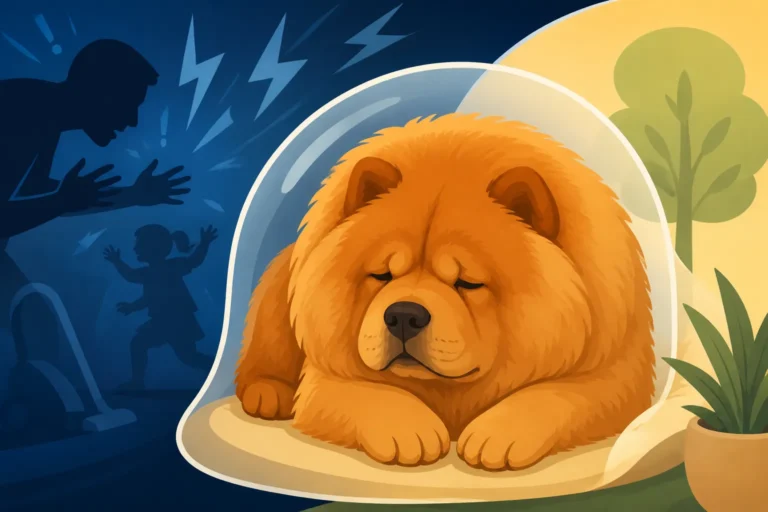
Many Chow Chow owners will tell you their dogs have "selective hearing." While this might sound like a joke, it’s often a very real reflection of their temperament. In a low-distraction environment, your Chow Chow might be perfectly responsive. However, introduce new sights, sounds, or smells, and suddenly, you're invisible. Their deep-set eyes also limit their peripheral vision, meaning they might not even see you if you're slightly behind them, making them more prone to startling or reacting to things they didn't anticipate. This lack of wide peripheral vision can contribute to their tendency to be surprised, especially if approached from behind or the side, which then impacts their responsiveness. Why a Chow Chow Snaps at Someone It Did Not See covers this in more detail.
Territorial and Protective Instincts
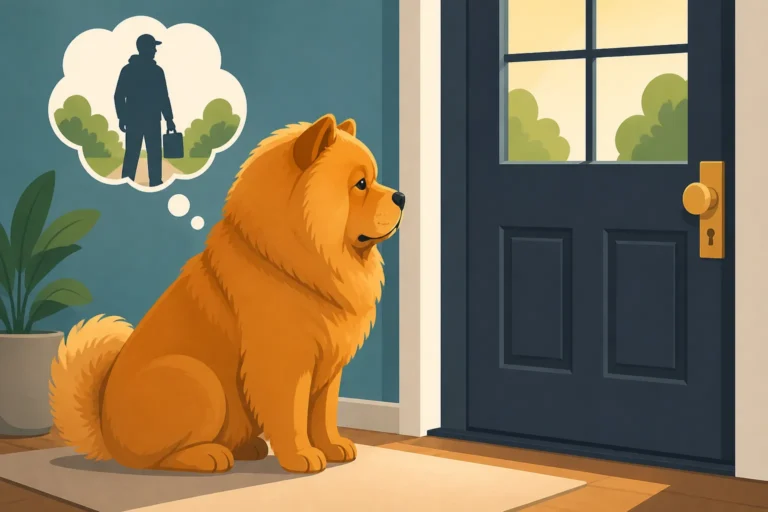
Chow Chows are inherently territorial. They view their family and their immediate surroundings as things to be protected. When off-leash, this instinct can become a liability. A dog that is usually calm on a leash might react aggressively to an approaching stranger or another dog if they perceive them as a threat to their personal space or their human, especially if they feel that space is undefined due to being off-leash. This protective drive, while admirable in certain contexts, makes off-leash scenarios inherently risky in public or even semi-public areas where boundaries are fluid. How Territorial a Chow Chow Is further explores this aspect of their personality.
The Risks of Off-Leash Freedom for a Chow Chow
Given their temperament, allowing a Chow Chow off-leash comes with a unique set of serious risks that every owner must understand and take to heart. These aren't minor inconveniences; they can be life-threatening or lead to significant legal and emotional distress.
Traffic Hazards and Bolting Incidents
One of the most immediate and terrifying risks is traffic. A Chow Chow, focused on a scent or another animal, can dart into a road in a split second, ignoring your calls. Their independent nature means they are less likely to check in with you or defer to your judgment in a moment of high excitement or distraction. This isn't a problem unique to Chow Chows, but their stubbornness and drive to follow their own instincts amplify the danger. A secure fence is one thing; an open field bordering a busy street is another entirely. The potential for a fatal accident is very real, and once it happens, there's no going back.
Negative Encounters with Other Dogs or People
Even a well-socialized Chow Chow might not tolerate every dog or person they encounter, especially when off-leash. Without the physical tether of a leash, you lose critical control to intervene, redirect, or create distance. A Chow Chow's stiff-legged gait and general aloofness can sometimes be misinterpreted by other dogs, leading to altercations. How a Chow Chow Gets Along With Other Dogs explains these dynamics. If your Chow Chow initiates an incident or even just reacts defensively to an unexpected approach, you could face legal liabilities, vet bills for injured parties, and the emotional burden of your dog being labeled "dangerous." It’s a situation that is often entirely avoidable with proper leash management.
Becoming Lost and Difficulty in Recovery
Imagine your Chow Chow, suddenly chasing a squirrel, vanishing into the woods or a field. Their dense coat and often quiet nature make them surprisingly difficult to spot and track. If they choose to ignore your calls – and a Chow Chow can absolutely do that when they're in "explore mode" – retrieving them becomes a nightmare. They may not seek out people for help and could travel significant distances. The fear and panic of a lost pet are overwhelming, compounded by the Chow Chow's unique personality which might make them wary of strangers trying to capture them. Microchipping and ID tags are crucial, but prevention is always better than recovery.
Essential Training for Any Off-Leash Consideration
Before you even think about dropping that leash, a solid foundation of training is non-negotiable. This isn't just about obedience; it's about building a relationship of trust and respect where your Chow Chow genuinely chooses to listen to you, even when tempted by distractions.
Building a Strong Foundation of Trust and Respect
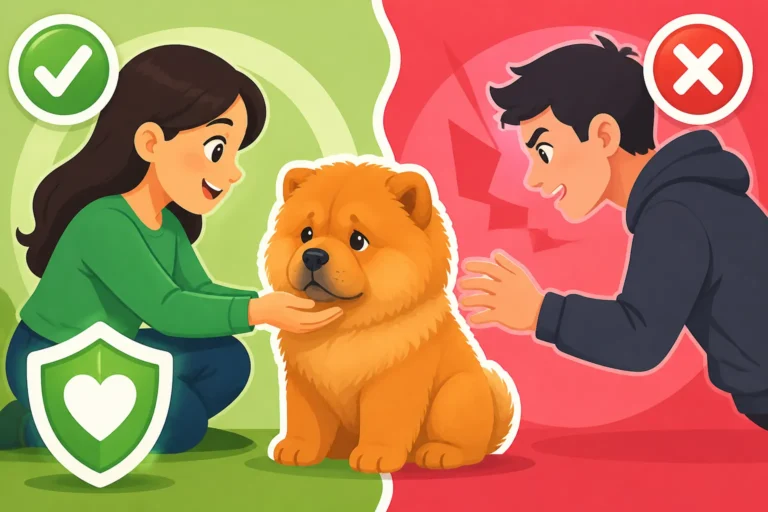
Training a Chow Chow isn't about breaking their spirit; it's about channeling their intelligence and independence into cooperation. They respond best to positive reinforcement and clear, consistent communication. Focus on building a bond where your Chow Chow genuinely wants to be with you and prefers to engage with you over external distractions. This means making yourself the most rewarding thing in their environment. This isn't a passive process; it requires active engagement, fun training sessions, and plenty of high-value treats. Avoid harsh corrections; for a Chow Chow, this will only lead to resentment and a complete shutdown. Why Harsh Correction Backfires on a Chow Chow delves into this further.
Mastering Leash Manners and Impulse Control
Even on-leash, your Chow Chow should demonstrate exemplary manners. This means no pulling, no lunging, and responding reliably to cues like "heel" or "let's go." If they can't manage basic impulse control on a leash, they certainly won't off-leash. Practice walking in various environments, gradually introducing distractions. Work on "leave it" and "wait" cues with increasingly tempting items. The goal here is to instill a default behavior of checking in with you and maintaining focus, even when exciting things are happening around them. This level of focus is your foundation.
High-Value Rewards and Engagement
Chow Chows are often considered less food-motivated than some breeds, but they do have things they value highly. Finding your Chow's ultimate high-value treat – whether it's cooked chicken, cheese, or a specific toy – is paramount. During training, especially for recall, these rewards must be so appealing that they outweigh the allure of a squirrel or another dog. Engagement is also key; make yourself exciting! Play games, use an enthusiastic voice, and be unpredictable (in a good way). If you're boring, your Chow Chow will find entertainment elsewhere. Using tools like a treat pouch can help keep those high-value rewards instantly accessible during practice sessions.
Building a Reliable Recall
A truly reliable recall is the single most important command for any dog, but especially for a Chow Chow, when considering off-leash freedom. It means your dog will drop whatever they are doing and come back to you, no matter the distraction.
Starting in a Controlled Environment
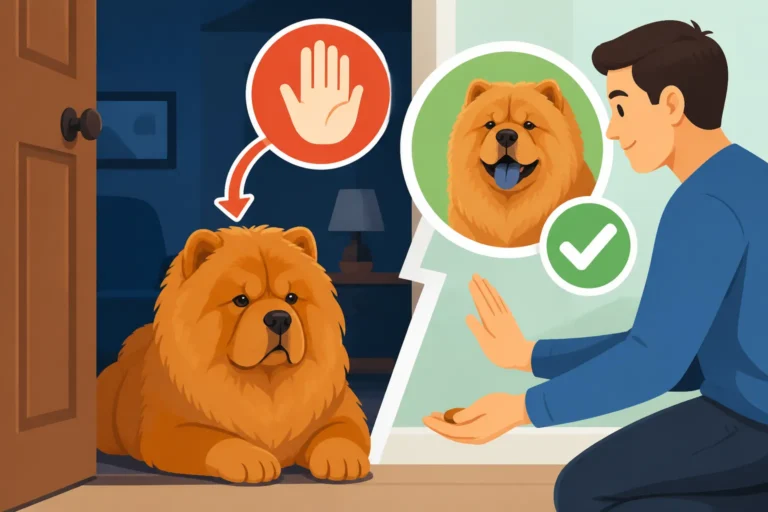
Begin recall training in a completely distraction-free area, like your living room or a securely fenced yard. Use a long line initially, even indoors, to prevent them from simply ignoring you. Call their name enthusiastically, use your recall cue (like "come!"), and when they take a step towards you, immediately reward with praise and a fantastic treat. Make it a party every single time they come. Practice this multiple times a day, keeping sessions short and fun. The goal is to build an unbreakable positive association with the "come" command. A reputable online training program, such as one from BAXTER & Bella, can provide structured lessons for this crucial foundational work.
Gradually Increasing Distractions
Once your Chow Chow has a 100% reliable recall in a quiet environment, start introducing very minor distractions. This might be another family member walking by, a toy on the ground, or a very quiet park at an off-peak hour. Each step needs to be successful, meaning you set your Chow Chow up to win. If they fail to respond, the distraction was too high, and you need to go back a step. Always use that long line to gently guide them if they hesitate, ensuring they always complete the "come" action and get rewarded. Remember, consistency is key; every successful recall reinforces the behavior. Teaching a Chow Chow a Reliable Recall delves deeper into these techniques.
The Importance of a Long Line
For a Chow Chow, a long line is an indispensable tool for safe off-leash practice. It gives you the ability to simulate off-leash freedom while maintaining control. A 20 to 30-foot line allows your Chow to explore, sniff, and move away from you, but still gives you the power to reel them in if they ignore your recall. This isn't just about training; it's about safety. Even if your Chow Chow has a good recall, a long line provides a physical safeguard against unexpected triggers or sudden bolt-worthy temptations. You can find various lengths and materials of long lines on platforms like Amazon, choosing one that's durable but not too heavy for your Chow.
Realistic Expectations and Safe Alternatives
For many Chow Chows, true off-leash reliability in an open, public space is an elusive, and often unsafe, goal. It's crucial to set realistic expectations and focus on alternatives that provide mental and physical enrichment without compromising safety.
Fully Fenced Private Spaces
The absolute safest place for a Chow Chow to be off-leash is in a securely fenced private yard. Even here, vigilance is key. Check fences for weaknesses, ensure gates are latched, and supervise their time outdoors. This allows them to explore, run, and enjoy freedom without the inherent dangers of public spaces. Dog parks, while fenced, can still present risks due to unknown dogs and owners, and may not be suitable for all Chow Chows given their sometimes selective nature with other canines. Whether a Dog Park Suits a Chow Chow explores the pros and cons of these environments for the breed.
Long Line Adventures
As discussed, a long line offers a fantastic compromise. Take your Chow Chow to a quiet park or hiking trail on a long line. They get the sensation of freedom, the joy of exploring scents, and the exercise, all while you maintain a physical connection and control. This allows them to satisfy their exploratory instincts in a much safer manner. It's a conscious choice to prioritize their safety and your peace of mind over a romanticized ideal of off-leash freedom.
Mental Stimulation and Controlled Exercise
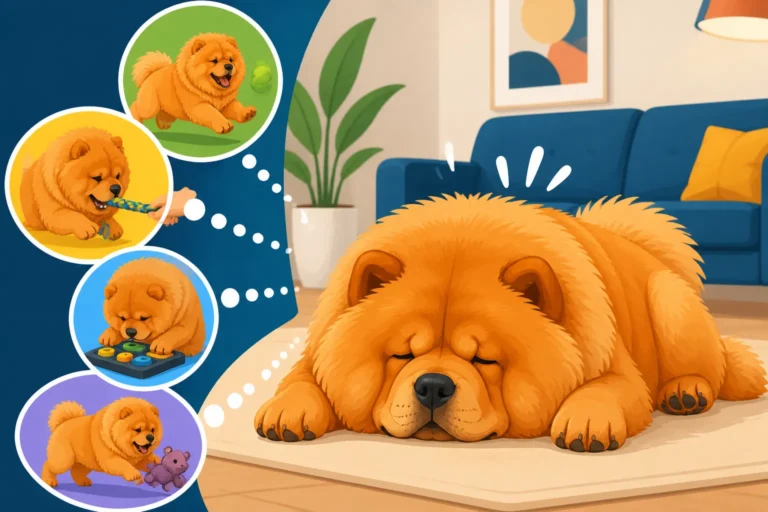
Remember that physical exhaustion isn't the only way to satisfy a Chow Chow. Mental stimulation through puzzle toys, scent work, and consistent short training sessions can be just as tiring and fulfilling. Incorporate controlled, leashed walks into your routine, focusing on interesting routes with varied smells. These activities provide enrichment without the risks associated with off-leash excursions. What Tires a Chow Chow Out Indoors offers further ideas for mental stimulation.
When Off-Leash Is Simply Not an Option
There are situations, and indeed entire categories of Chow Chows, for whom off-leash freedom in any non-private, unfenced environment is an absolute no-go. Accepting this reality is a mark of responsible ownership.
Dogs with a Strong Prey Drive or Reactivity
If your Chow Chow has a pronounced prey drive – meaning they will chase anything small and moving, from squirrels to cats – or if they exhibit any form of reactivity towards other dogs or people, off-leash is simply too dangerous. Their instincts will consistently trump your commands, putting other animals, people, and themselves at risk. No amount of training can entirely extinguish a strong innate drive. In these cases, your responsibility is to manage their environment and ensure they are always secure.
Public Safety and Owner Responsibility
Ultimately, the decision to allow a dog off-leash carries significant responsibility for public safety. You are accountable for your dog's actions. If your Chow Chow causes an accident, bites someone, or gets into a fight, the consequences fall squarely on your shoulders. For a breed with the Chow Chow's potential for aloofness and occasional strong reactions, the margin for error is simply too small in an off-leash public setting. Erring on the side of caution is not just advisable; it's essential for preventing tragic incidents.
Legal and Local Ordinances
It's also important to be aware of local leash laws. Many municipalities require dogs to be on a leash in public spaces, even if the area appears open. Ignoring these laws can result in fines and legal trouble, adding another layer of risk to an already precarious situation. Always check local regulations before even considering an off-leash scenario outside your private, fenced property.
Safe Off-Leash Environments vs. Risky Ones
To summarize, here's a quick overview of environments and their associated risks for off-leash Chow Chows:
| Environment Type | Description | Chow Chow Suitability | Risk Level | Notes |
|---|---|---|---|---|
| Securely Fenced Yard | Your own private, fully enclosed space with no escape routes. | High | Low | Ideal for supervised freedom. Regular fence checks are still essential. |
| Private Farm/Land | Large, privately owned, remote land away from public roads and other people/animals, with owner permission. | Medium | Medium | Better than public spaces, but still requires extreme vigilance for wildlife, property boundaries, and unexpected visitors. Your Chow's prey drive and territoriality are still factors. |
| Designated Dog Park | Fenced public areas specifically for dogs. | Low | High | While fenced, these can be chaotic. Unknown dog temperaments, distracted owners, and potential for fights make them risky for a Chow Chow who may not tolerate all dogs. Supervision and quick intervention are critical. |
| Open Public Park | Unfenced park areas, nature trails, open fields near roads. | Very Low | Very High | Extremely high risk. High potential for bolting into traffic, negative encounters, and becoming lost. Not recommended for Chow Chows due to their independent nature and potential for selective hearing. |
| Urban/City Areas | Busy streets, sidewalks, crowded public spaces. | None | Extreme | Never. The dangers of traffic, crowds, and unpredictable stimuli are too high. Legal ramifications for off-leash dogs are also severe. |
For most Chow Chows, the honest answer to "How far can a Chow Chow be trusted off-leash?" is: not far enough in an uncontrolled environment. While a strong bond and consistent training can certainly improve responsiveness, their inherent independence, strong prey drive, and protective instincts make true, reliable off-leash freedom outside of a secure, private, and supervised area a gamble that's rarely worth taking. Prioritize their safety and the safety of others, and embrace the long line!
Disclaimer
This article is for general informational purposes only and does not constitute professional advice. Laws, prices and regulations vary by location and change over time. Consult a qualified professional for guidance on your specific situation.