What Tires a Chow Chow Out Indoors
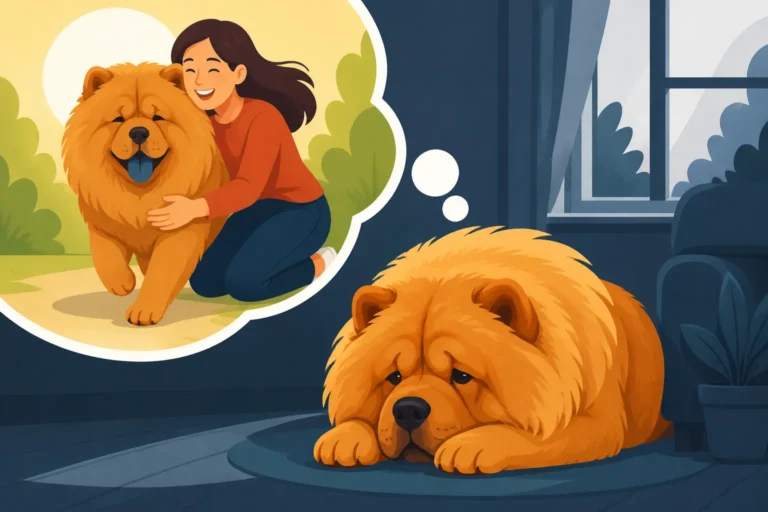
It’s a common scenario for Chow Chow owners: you look outside and it’s pouring rain, scorching hot, or simply too cold for that thick double coat. Yet, your furry companion still has energy to burn, and a bored Chow Chow can quickly turn into a destructive one. The challenge isn't just about physical exertion; it's about finding ways to engage their intelligent, sometimes stubborn, minds indoors. This guide will help you discover effective, fun ways to tire out your Chow Chow without even stepping out the door.
Understanding Your Chow Chow's Energy Profile
Many people make the mistake of assuming Chow Chows are inherently lazy dogs, content to be stately decorations on the sofa. While they certainly enjoy their quiet time, especially as they get older, that assumption can lead to a surprisingly frustrated—and destructive—dog. Chows, like all dogs, have energy needs that must be met, even if those needs are different from a high-drive working breed.
The Myth of the Lazy Chow Chow
Let's debunk this right away: your Chow Chow is not a lazy dog, not entirely. They might not have the boundless, frantic energy of a Border Collie or a Jack Russell Terrier, but they possess a significant amount of stamina and a keen intellect that requires stimulation. Their energy often manifests in bursts, followed by long periods of rest. They might appear calm, but underneath that magnificent coat, there's a dog that needs purpose and engagement. Ignoring this can lead to behavioral issues, from excessive barking to chewing on things they shouldn't. They might not follow you from room to room with a ball, but they're taking everything in, and their minds are working overtime.
Why Indoor Exercise is Crucial
There are countless reasons why relying solely on outdoor walks isn't always feasible for a Chow Chow. For starters, their dense double coat makes them highly susceptible to overheating, especially in warmer climates or during summer months. Heat Is the Chow Chow's Most Immediate Danger is not an exaggeration. A quick trip outside might be all they can handle before their body temperature rises dangerously. Rain, snow, or extreme cold can also make walks uncomfortable or even hazardous, both for you and your dog. Then there are other factors, such as your own health or mobility limitations, or if your Chow Chow is recovering from an injury. Sometimes, life just gets in the way, and you need reliable, safe ways to keep your Chow Chow happy and tired within the confines of your home. It’s about being prepared for anything, ensuring your Chow’s needs are met no matter the external circumstances.
Engaging Their Minds: The Power of Mental Stimulation
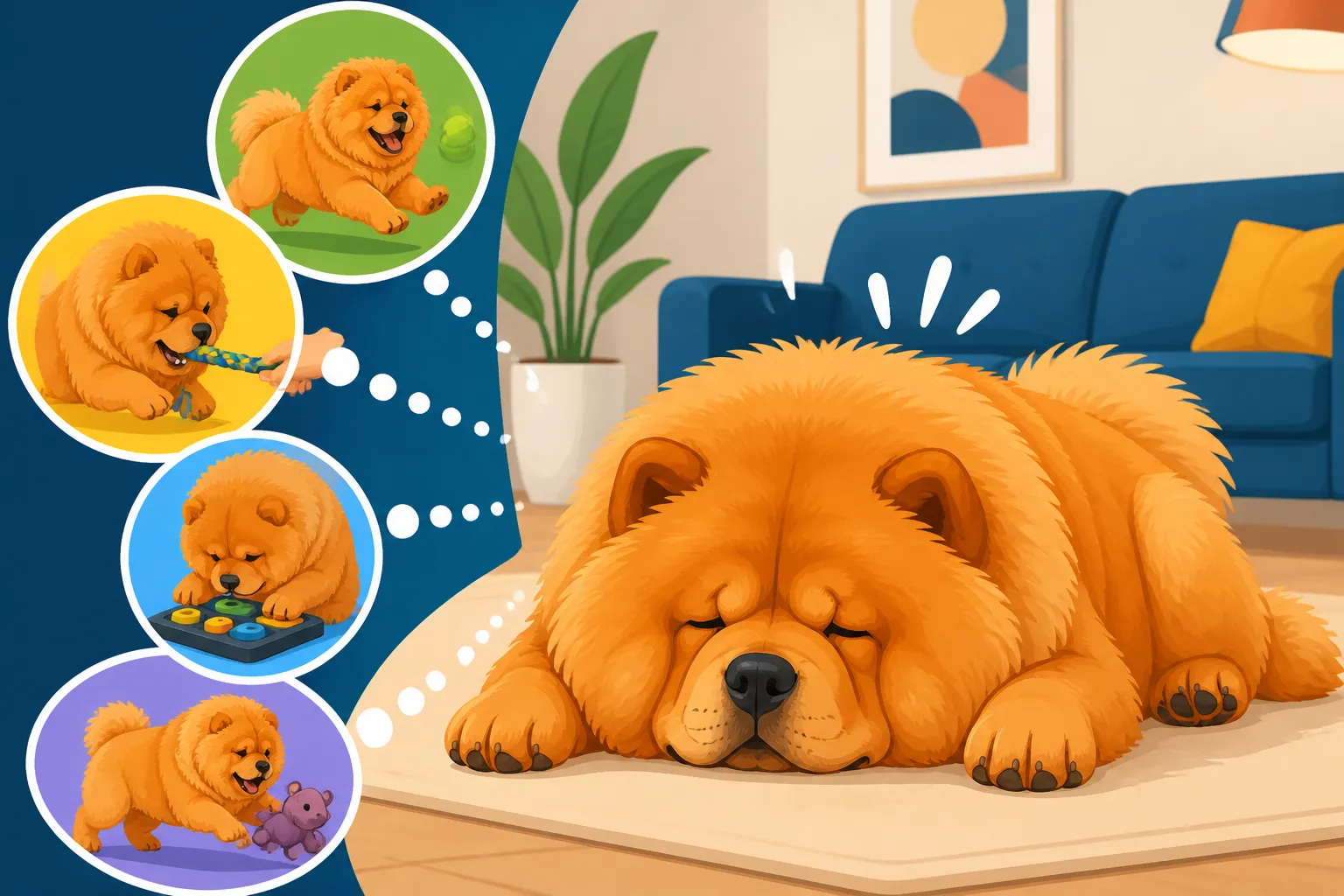
When it comes to tiring out a Chow Chow, mental stimulation is often far more effective than physical exercise alone. Their independent and intelligent nature means they thrive on challenges that engage their problem-solving skills. A mentally tired Chow Chow is a happy, calm Chow Chow.
Puzzle Toys and Food Dispensers
These are absolute game-changers for any dog, and especially for Chows. Puzzle toys require your dog to manipulate them in some way to get a treat, turning mealtime or snack time into an enriching activity. Instead of gobbling down their dinner in two minutes, they spend ten or fifteen minutes rolling, nudging, and pawing at a toy to get each kibble. This engages their brain, mimics natural foraging behaviors, and burns a surprising amount of mental energy. You can find a huge variety of options on Amazon, from simple treat-dispensing balls to more complex labyrinth-style puzzles. Start with something easy to build their confidence, then gradually increase the difficulty. Remember, the goal is to challenge, not frustrate.
Here’s a simple comparison of puzzle toy types:
| Puzzle Toy Type | Description | Engagement Level | Best For |
|---|---|---|---|
| Kibble Dispensers | Toys with holes that drop kibble as the dog rolls/noses them. | Moderate | Daily meals, beginners, quick engagement |
| Snuffle Mats | Fabric mats with many layers and pockets where treats are hidden. | Moderate-High | Scent work, calming, all ages |
| Sliding Puzzles | Toys with sliding panels or compartments the dog must move to reveal treats. | High | Problem-solving, intermediate to advanced |
| Chew-Release Toys | Durable toys (like a Kong) stuffed with food that the dog licks/chews out. | Moderate-High | Long-lasting engagement, crate training |
Scent Work and Hide-and-Seek
These activities tap into your Chow Chow's natural instincts and are incredibly tiring, both mentally and physically, in a low-impact way. Scent work, often called "nose work," involves teaching your dog to find hidden treats or toys. You can start simply by hiding a high-value treat in plain sight and encouraging them to find it. As they get better, you can increase the difficulty by hiding treats under blankets, behind furniture, or in different rooms. Your Chow Chow's sense of smell is far more powerful than yours, and using it actively is exhausting for them.
Hide-and-seek is another fantastic game. Have someone hold your Chow while you go hide in another room. Call their name enthusiastically, and when they find you, reward them with praise and a treat. This game strengthens their recall and bond with you, all while providing mental stimulation as they track you down. It's a wonderful way to burn off steam when outdoor activities aren't an option. Just be mindful of their limited side vision (Why a Chow Chow's Deep Set Eyes Limit What It Sees) when hiding, ensuring they have a fair chance to spot you with their peripheral vision limitations.
Learning New Tricks and Commands
Training isn't just for puppies or for outdoor obedience. Short, engaging indoor training sessions can be incredibly effective at tiring out a Chow Chow. The mental effort required to learn and respond to cues is profound. Chows are intelligent, but they are also independent thinkers, so consistency and positive reinforcement are key. Forget harsh corrections; they will simply shut down. A Chow Chow Trains by Agreement, Not Obedience, so make it a collaborative effort.
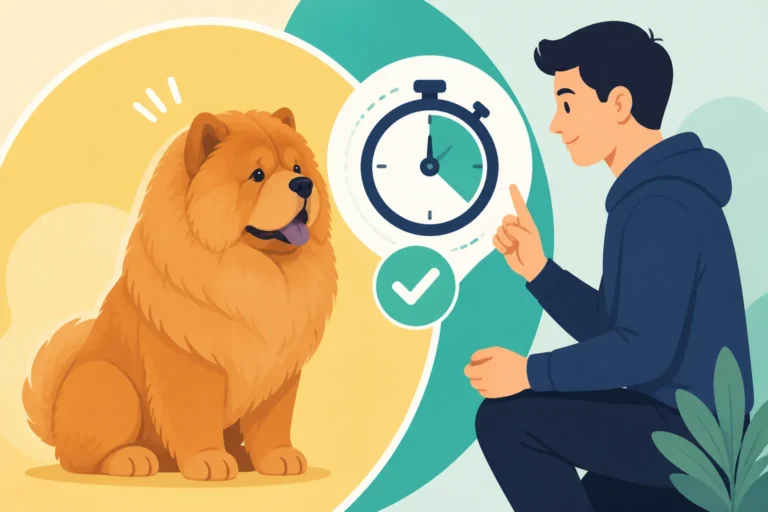
You can work on basic obedience, like "sit," "stay," or "down," but also explore fun tricks like "shake a paw," "spin," or "bow." Break training sessions into short, five to ten-minute bursts a few times a day. This keeps your Chow engaged without overwhelming them. How Long a Chow Chow's Training Session Should Be is critical here – too long, and they'll lose interest. The feeling of accomplishment, coupled with tasty rewards, will leave them mentally satisfied and ready for a good nap. Consider using platforms like BAXTER & Bella for structured online training programs and ideas, offering a wealth of resources to keep your training fresh and exciting.
Low-Impact Physical Activities for Indoors
While mental stimulation is paramount, some gentle physical activity is still beneficial to round out your Chow Chow's indoor "workout." The key is "low-impact" and "controlled," always keeping their physical build and potential for overheating in mind.
Controlled Play Sessions
Even in a smaller space, you can initiate controlled play. A game of tug-of-war, with appropriate rules (e.g., they only tug on command, and release on command), can be surprisingly physically demanding and mentally engaging. Just be mindful of their neck and spine – keep it gentle. Short bouts of indoor fetch in a long hallway can also work wonders, especially if you have an easily retrievable, soft toy. Remember, Chows often have a "stilted gait" and a straight rear leg, which isn't built for sustained running or jumping, so keep these sessions brief and focused on fun, not endurance.
Another approach is simply to engage them with a flirt pole (a toy attached to a stick or pole, used to entice chasing). This allows you to control the movement, encouraging them to chase and pounce without running wild. It’s excellent for burning energy in short bursts, mimicking prey drive in a safe, contained way. Always ensure you have enough clear space to prevent any accidental bumps or scrapes.
Stair Climbs (with Caution)
If your home has stairs, these can be a surprisingly effective tool for a quick burst of physical exercise. However, this must be approached with extreme caution, especially for puppies whose growth plates are still open, older Chows with arthritis, or any dog prone to Elbow Dysplasia Ranks the Chow Chow Near the Top or hip issues. Consult your vet before using stairs as an exercise tool.
For a healthy, adult Chow Chow, guided trips up and down a set of stairs can elevate their heart rate and engage their muscles. Start with just a few repetitions, always on a leash for safety, and observe your dog closely for any signs of discomfort or fatigue. Never force them or let them bound wildly up and down. The goal is a controlled, deliberate movement. Keep the sessions very short, perhaps two or three trips, and then let them rest. It’s about quality over quantity when it comes to stair work for Chows.
Indoor Agility or Obstacle Courses
You don't need fancy equipment to create a fun, stimulating indoor obstacle course. Use everyday household items to set up a simple "agility" course. Weave through chair legs, jump over a broomstick laid low on the floor (or crawl under it!), or tunnel through an open cardboard box. This provides both physical movement and mental problem-solving as they navigate the course.
The trick is to keep it fun and positive. Use treats and praise liberally. Keep the obstacles low and safe, remembering your Chow's unique build. Their natural inclination might not be to jump or weave quickly, so go at their pace. The mental focus required to follow your cues and navigate the course will tire them out significantly, often more than a long, monotonous walk. This kind of interaction also strengthens your bond, as they learn to trust your guidance through new challenges. For some advanced ideas, you can look into training programs that build up to skills like those needed for Whether a Chow Chow Can Pass a Canine Good Citizen Test, adapting them to an indoor environment.
Integrating Training and Enrichment into Daily Life
The true art of tiring out a Chow Chow indoors isn't about isolated bursts of activity, but about weaving mental and physical enrichment into the fabric of their daily routine. This consistency helps manage their energy levels and fosters a well-adjusted, content companion.
Structured Routine for Mental and Physical Outlets
Chow Chows, like many breeds, thrive on routine. A predictable schedule helps them understand what to expect throughout the day, reducing anxiety and channeling their energy more constructively. Incorporate specific times for puzzle toys, short training sessions, and interactive games. For instance, you might offer a puzzle toy for breakfast, have a quick training session mid-morning, a short game of hide-and-seek in the afternoon, and a stuffed chew-toy to occupy them in the evening.
Vary the activities to keep things fresh. Repetition can bore a Chow Chow, causing them to lose interest. By cycling through different types of mental challenges and low-impact physical games, you ensure their curiosity remains piqued. A structured approach ensures that you're consistently addressing their needs, preventing the accumulation of pent-up energy that often leads to unwanted behaviors. Remember, What a Bored Chow Chow Does can range from incessant barking to destructive chewing, so prevention through a thoughtful routine is key.
Leveraging Online Resources for Training Ideas
Sometimes, you just run out of ideas! That's perfectly normal. Fortunately, the digital age offers a wealth of resources for keeping your Chow Chow engaged. Online dog training platforms, like the one offered by BAXTER & Bella, can provide structured lessons, creative game ideas, and expert advice on everything from basic obedience to advanced tricks. These platforms often cater to various learning styles and can be incredibly helpful for owners seeking fresh ways to interact with their dogs. You can find tutorials for new tricks, scent games, and even indoor obstacle course designs that are safe and effective.
Beyond dedicated training sites, a quick search on Amazon for "indoor dog games" or "dog brain games" will reveal a plethora of books, kits, and inspiration. Don't underestimate the value of community forums or social media groups dedicated to Chow Chows; other owners often share their ingenious solutions for indoor entertainment. Exploring these resources can not only provide new activities but also reassure you that you're not alone in seeking creative ways to keep your Chow happy and engaged, especially if you're wondering Whether a Chow Chow Needs a Professional Trainer Early to set a strong foundation.
Recognizing Signs of Mental and Physical Fatigue
It's crucial to know when your Chow Chow has had enough. While the goal is to tire them out, overstimulation or over-exertion can be counterproductive, leading to stress, injury, or frustration. Look for subtle cues that your Chow Chow is nearing their limit. These might include:
- Decreased enthusiasm: They might respond slower to cues or show less interest in the activity.
- Lying down: While sometimes a pause, if they repeatedly lie down and look away, they're likely done.
- Lip licking or yawning: These can be subtle signs of stress or fatigue.
- Increased panting (without extreme heat): A sign of physical exertion.
- Disinterest in treats: If they're usually food-motivated but turn their nose up, they're likely tired.
Always end on a positive note, even if it means stopping an activity slightly before they're fully "tired." This ensures they associate the activity with fun and will be eager to participate next time. A well-timed rest after a good mental workout will leave them feeling satisfied and relaxed, ready for a calm snooze rather than mischievous exploration. And sometimes, after a good brain workout, a quiet cuddle might be exactly How Much a Chow Chow Wants to Be Petted before they drift off to sleep.
Disclaimer
This article is for general informational purposes only and does not constitute professional advice. Laws, prices and regulations vary by location and change over time. Consult a qualified professional for guidance on your specific situation.