Why a Chow Chow Does Not Follow You Room to Room
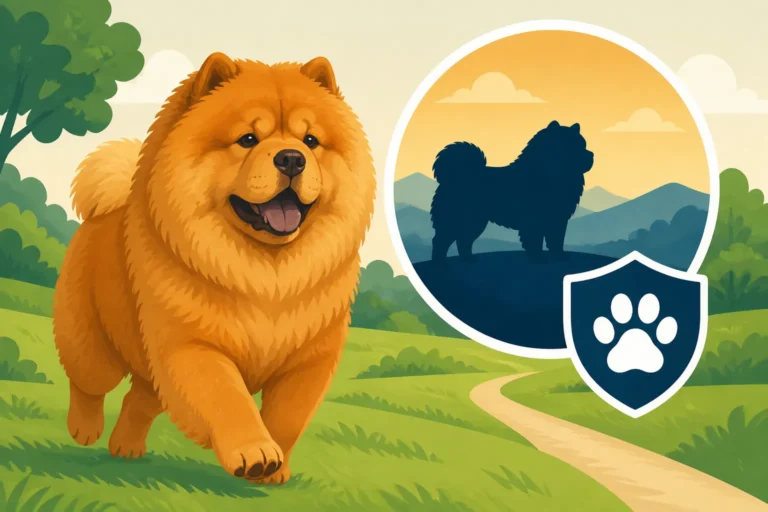
It's a common observation that many dog breeds seem to attach themselves to our hip, following us from the kitchen to the bathroom, always wanting to be in the same room. But if you're a Chow Chow owner, you've probably noticed your furry companion doesn't quite fit this "velcro dog" mold. This guide will delve into the distinct personality traits and physical characteristics that explain why your Chow Chow likely prefers its own space, and how to appreciate their unique way of bonding.
Understanding the Chow Chow's Independent Nature
It’s easy to feel a little perplexed, or even a tiny bit unloved, when your Chow Chow isn't shadowing your every move. After all, isn't that what dogs do? The truth is, your Chow Chow isn't being aloof to spite you; they're simply being a Chow Chow. This breed comes with a rich history and a personality that has been shaped by centuries of specific roles, none of which required them to be a constant shadow. Their independence is a hallmark, not a flaw.
The "Cat-Like" Dog Stereotype
You've probably heard it before: Chow Chows are often described as "cat-like." And honestly, there's a good reason for this comparison. While many dogs thrive on constant interaction and physical closeness, a Chow Chow is typically content to be in the same general vicinity, but not necessarily underfoot. They appreciate your presence, but they don't demand to be involved in every single thing you do.
This "cat-like" trait stems from their ancient origins. Unlike many herding or retrieving breeds that were developed to work intimately with humans, following commands and staying close, Chow Chows had different roles. They were guardians, hunters, and even draft dogs in their native China. Their jobs required vigilance and independent decision-making, not a need for constant human direction or physical proximity. They learned to observe, assess, and act on their own, fostering a deep sense of self-reliance that is still very much present today. When you read about Why a Chow Chow Is Called Cat Like, you start to understand that this isn't a new phenomenon; it's ingrained.
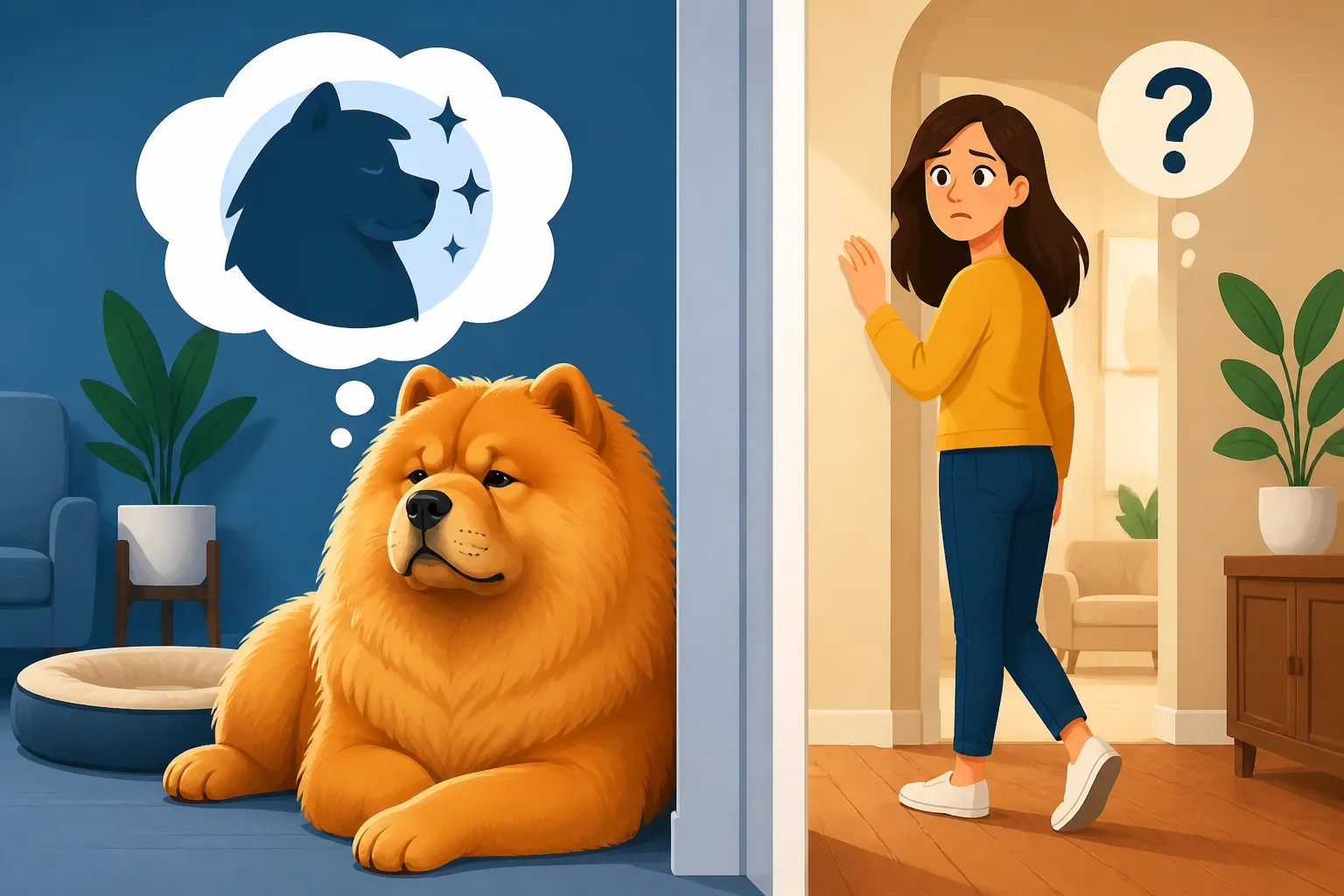
So, if you're expecting a dog that will literally follow you room to room, you might be setting yourself up for disappointment with a Chow Chow. Instead, appreciate that they are present in their own way. They might be lounging on their favorite bed in the living room while you’re in the kitchen, but they're aware you're there. They're simply choosing to occupy their space while you occupy yours, a testament to their inherent independence.
A Preference for Personal Space
Imagine having someone constantly in your personal bubble. For some dogs, that's heaven. For a Chow Chow, it can be a bit much. This breed has a strong preference for personal space, and this extends to how they interact with their family members. They aren't generally "leaners" or "cuddlers" in the traditional sense, though individual personalities will vary.
This preference for space means they are perfectly happy to observe you from a comfortable distance. If you're moving from the bedroom to the living room, your Chow might shift their gaze, acknowledge your movement, but decide that their current, perfectly chosen spot is just fine. They might even sigh contentedly as you pass, as if to say, "Ah, yes, you're still here. Good." This isn't a sign of disinterest; it's a demonstration of their self-assured temperament. They don't need constant physical reassurance or interaction to feel secure in their bond with you.
It’s crucial not to misinterpret this as a lack of affection. It’s simply how they express it. They might come to you for a brief head scratch or a quick pet, then return to their chosen spot. These moments, precisely because they are initiated by the Chow Chow, are incredibly meaningful. They're telling you, "I choose to share this moment with you," rather than feeling obligated to be glued to your side. Respecting this need for space is a cornerstone of building a strong, trusting relationship with your Chow Chow.
How a Chow Chow Chooses Its Person
One of the most striking characteristics of a Chow Chow is their tendency to bond deeply with one primary person. While they will typically tolerate and respect other family members, their loyalty and deepest affection are often reserved for their chosen human. This singular devotion can sometimes influence their "following" behavior, or lack thereof.
If you are "their" person, you might find your Chow Chow is slightly more inclined to follow you than other members of the household, but even then, it's rarely a constant shadow. They might follow you into a room, settle down, and then stay there even if you leave for another. This is part of their guarding instinct; they're content to hold down the fort in one area, knowing you'll eventually return, or that they can relocate if the need truly arises. Understanding How a Chow Chow Chooses Its Person helps explain why their affections and attentiveness might not be evenly distributed throughout the family.
For family members who aren't the primary person, this independence can be even more pronounced. A Chow Chow might simply ignore their movements, not out of disrespect, but because their focus and deep emotional connection are directed elsewhere. It's not a rejection of affection; it's just the nature of their bond. They'll appreciate a polite greeting or a quiet moment, but they won't feel the need to be constantly engaged or physically present in the same way a retriever might.
| Trait Aspect | "Velcro Dog" Breeds | Chow Chow |
|---|---|---|
| Desired Proximity | Often seeks physical contact, follows closely | Content to observe from a distance, values space |
| Affection Display | Frequent leaning, cuddling, seeking attention | More subtle, brief, often initiated by the dog |
| Response to Movement | Will usually follow owner from room to room | May acknowledge movement but stay in place |
| Independence Level | Low to moderate, needs constant reassurance | High, self-assured, comfortable alone |
| Motivation for Closeness | Innate need for human companionship | Observational, protective presence |
Their Physical Characteristics and Sensory Input
Beyond their distinct personality, a Chow Chow's unique physical traits also play a significant role in why they might not be your constant shadow. What appears to be a lack of interest can often be attributed to how they perceive their environment and how their bodies are built to function. These factors, combined with their temperament, create a dog that simply prefers to be still for periods, choosing when and where to move with purpose.
Deep-Set Eyes and Limited Peripheral Vision
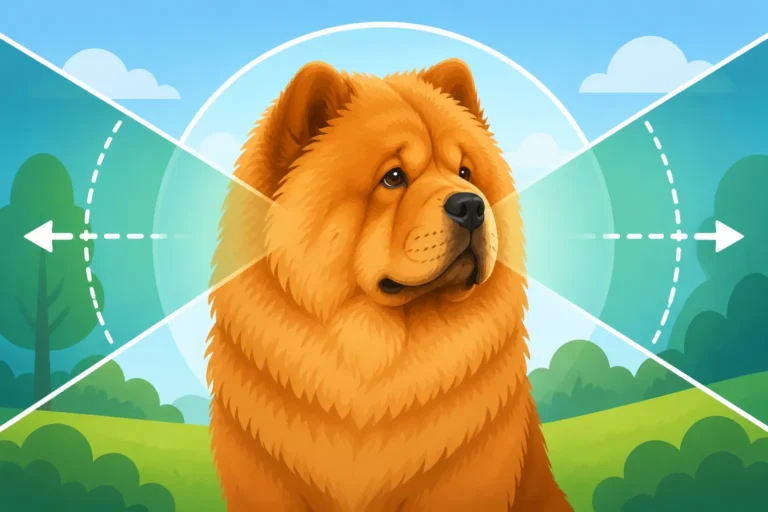
Take a close look at a Chow Chow's face. Notice those beautiful, deep-set eyes? While they contribute to their iconic "scowl" and bear-like expression, they also come with a functional trade-off: limited peripheral vision. Most dogs have a much wider field of vision than humans, able to see things to their sides without turning their heads. A Chow Chow, however, has a narrower field of view, particularly to the sides and rear.
This anatomical quirk means that if you quietly get up and move out of their direct line of sight, they might not even register your departure immediately. Other breeds might pick up on subtle movements from the corner of their eye, but a Chow Chow might need to physically turn its entire head and body to see what’s happening. This contributes to why they might startle if approached unexpectedly from the side or behind. When you understand Why a Chow Chow's Deep Set Eye Limits Its Vision, it becomes clear that constantly swiveling their head and body to track you, particularly if you're just moving between rooms, would be an extra effort.
So, rather than constantly reorienting themselves to maintain visual contact, they often choose to stay put. They trust that you're somewhere in the house, and they'll hear you if you call or if something truly interesting happens. Their preference to remain still isn't disinterest; it's a practical adaptation to their unique vision. They might also simply turn their head to keep an eye on you, rather than getting up, which often explains Why a Chow Chow Turns Its Whole Body to Look when you expect a quick glance.
The Thick Coat and Overheating Risk
Anyone who's ever petted a Chow Chow knows about their magnificent, dense double coat. It's truly a marvel, providing incredible insulation in cold climates. However, this same luxurious coat, particularly a rough coat, poses a significant challenge in warmer indoor environments and during hot weather: overheating. Chow Chows are notoriously susceptible to heatstroke, and their bodies are constantly working to regulate their temperature.
Because their thick fur traps heat, continuous activity, even just casually following you from room to room, can cause their body temperature to rise quickly. They are naturally inclined to find cool spots and stay there, conserving energy and minimizing heat production. A tile floor, a breezy corner, or a spot near an air conditioning vent becomes a prized location. Moving away from such a spot, only to find another suitable one, requires effort and generates more heat, which they instinctively try to avoid. You can learn more about Why a Chow Chow Overheats So Easily and Why a Chow Chow's Double Coat Traps Heat to understand this physiological predisposition.
Therefore, when your Chow Chow remains lounging while you move about, it's often a smart survival strategy. They're choosing comfort and safety over constant companionship. Providing them with cooling mats, a fan, or ensuring access to cooler areas can certainly help, but their innate drive to avoid overheating will always influence their activity levels and their willingness to be constantly on the go indoors.
Energy Levels and "Stilted Gait"
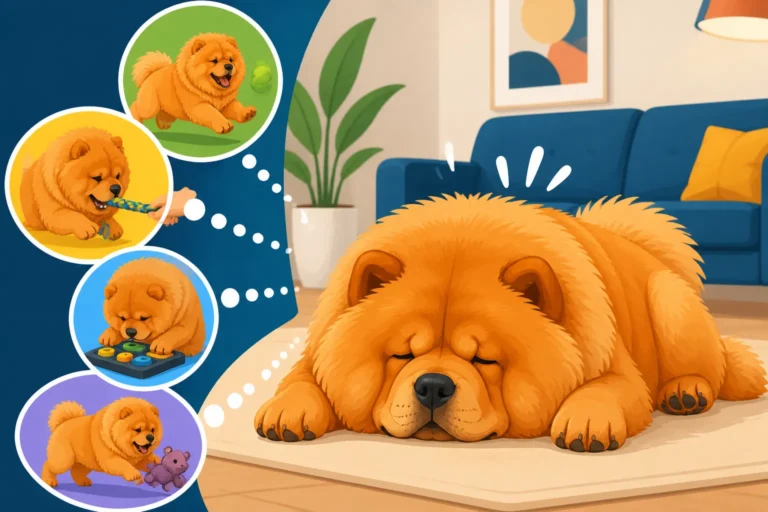
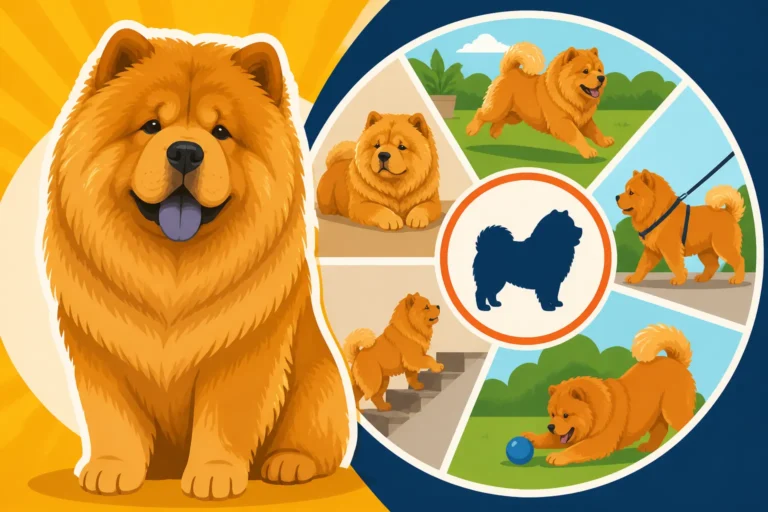
Chow Chows are not known for being high-energy dogs. They tend to have moderate energy levels and are often described as having a rather sedate demeanor indoors. They appreciate a good walk, but they're not typically the kind of dog that needs to run laps around the house or constantly be engaged in play. Their natural inclination is towards calm observation and rest.
Adding to this is their distinctive "stilted gait," a unique characteristic caused by their relatively straight rear legs. Unlike many breeds with more angled hindquarters, a Chow Chow's movement has a somewhat stiff, almost mechanical quality. This gait, while part of their breed standard, isn't built for speed, agility, or constant, effortless movement. It's more suited for endurance at a steady pace or for standing guard. Understanding Why a Chow Chow Moves With a Stilted Gait can shed light on why they might not bound after you.
For a Chow Chow, getting up and moving is a more deliberate act than it might be for a Border Collie or a Labrador. It takes more physical effort for them to transition from lying down to walking, and then settling down again. When you combine this physical characteristic with their lower energy levels and their propensity to overheat, it's easy to see why they might prefer to stay put once they've found a comfortable spot. They're conserving their energy, which aligns perfectly with their independent and self-sufficient nature.
Interpreting Your Chow Chow's Affection
It's natural to equate following you around with affection. For many breeds, it absolutely is. But with a Chow Chow, you need to recalibrate your expectations and learn to read their unique language of love. Just because they aren't your shadow doesn't mean they don't adore you deeply. Their affection is simply expressed in more subtle, often profound ways, and usually on their own terms.
Affection Shown on Their Own Terms
If you're accustomed to a dog that practically vibrates with joy and demands attention, a Chow Chow’s approach to affection might seem muted. They rarely greet you with frantic tail wags or an explosion of enthusiastic licks. Instead, their demonstrations of love are typically quiet, deliberate, and deeply meaningful. You might not get a dog that jumps on you or follows you into every room, but you will get a dog that shows its love in its own way.
These subtle gestures can include choosing to rest in the same room as you, even if they're not right next to you. They might offer a gentle lean against your leg when you're sitting, a soft nudge with their head, or a quiet sigh of contentment when you're near. A sustained gaze into your eyes can be a profound show of trust and devotion from a Chow. They might even just settle down at your feet for a few minutes before retreating to their own spot. When you learn How a Chow Chow Shows Affection, you’ll realize these small acts are gold.
It’s crucial to recognize and appreciate these understated expressions. Don’t push for more physical contact than they are offering, as this can often be counterproductive and make them withdraw. Instead, respond warmly to their overtures, whether it's a quiet word, a gentle pet, or simply enjoying their serene presence. Building a bond with a Chow Chow is about understanding and respecting their unique boundaries and appreciating the depth of their quiet loyalty.
When They Do Choose to Be Near
The moments when your Chow Chow does choose to be physically close are incredibly special precisely because they are choices, not obligations. Unlike some breeds that might follow you out of habit or an underlying need for reassurance, a Chow Chow's decision to settle near you is a clear indication of their comfort, trust, and affection. These are the moments to truly cherish, as they represent the pinnacle of your bond.
This might happen when you’re relaxing on the couch, reading a book, or watching television. Your Chow might calmly walk over, lie down on the floor a few feet away, or even place their head gently on your lap for a brief moment. These aren't random acts; they are intentional displays of companionship. They are choosing to share your space, to be close to their person, purely out of desire. It’s a quiet declaration of their love, demonstrating How Close a Chow Chow Sits to You when they truly feel like it.
By acknowledging and gently reinforcing these moments – perhaps with a soft stroke or a quiet word of praise – you strengthen that unique bond without demanding anything more from them. It reinforces that their comfort and choice are respected. These chosen moments of proximity often speak volumes more than constant shadowing ever could, revealing the depth of their attachment on their own terms.
Building a Stronger Bond, Their Way
Since your Chow Chow won't typically be a "velcro" dog, building a strong, lasting bond requires understanding and adapting to their unique personality. It's about quality interactions over constant physical proximity. Instead of feeling disappointed by their independence, learn to appreciate it and engage with them in ways that resonate with their nature.
One of the best ways to connect is through consistent, positive-reinforcement training sessions. Chow Chows are intelligent, but they can be stubborn, so short, engaging sessions work best. Use high-value treats (you can find a great selection of healthy options on Amazon) and positive praise to make training a rewarding experience for them. This intellectual engagement strengthens your communication and their respect for you, without requiring them to be constantly at your side.
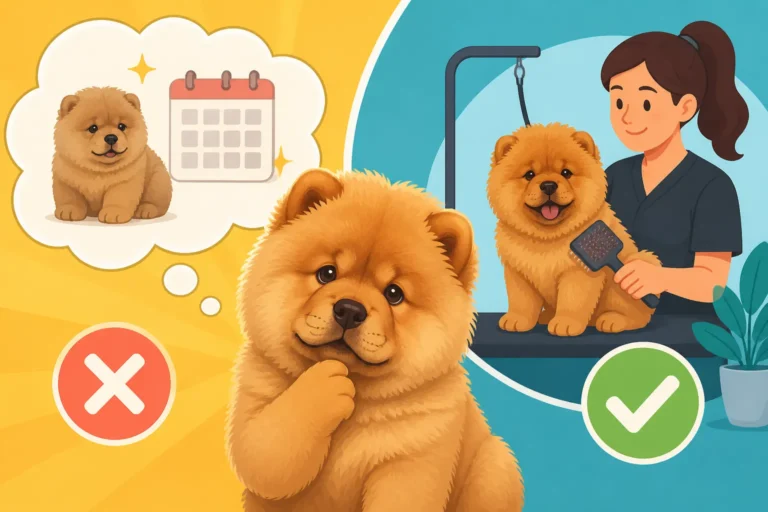
Short, regular walks are also fantastic bonding opportunities. While they aren't marathon runners, a daily stroll allows them to explore their world with you, reinforcing your position as their trusted leader. During grooming sessions – which are essential for their double coat – turn it into a positive interaction with calm handling and praise. Consider programs like BAXTER & Bella, which emphasize positive reinforcement and building a strong foundation, recognizing that not all dogs fit the mold of constant followers. Understanding their cues, respecting their space, and consistently engaging them in activities they enjoy will solidify your bond far more effectively than wishing they would follow you everywhere.
Disclaimer
This article is for general informational purposes only and does not constitute professional advice. Laws, prices and regulations vary by location and change over time. Consult a qualified professional for guidance on your specific situation.